
Table of Contents
- how long can roof sheathing be exposed – Understanding the Basics
- Factors That Influence Exposure Time
- how long can roof sheathing be exposed in different climates?
- Type of Sheathing Material
- Building Codes and Industry Standards
- Practical Strategies to Minimize Exposure Risks
- When Exposure Becomes a Problem – Signs to Watch
- Quick Tips for Homeowners
- Common Mistakes in Roof Sheathing Management
- Frequently Asked Questions
- How long can roof sheathing be exposed during a remodel?
- Is OSB more vulnerable than plywood when exposed?
- Can I use regular polyethylene sheeting to protect the sheathing?
- Do building codes differ by state?
- What should I do if I notice swelling after exposure?
- Is it worth investing in premium sheathing to extend exposure time?
How Long Can Roof Sheathing Be Exposed? A Complete Guide for Homeowners
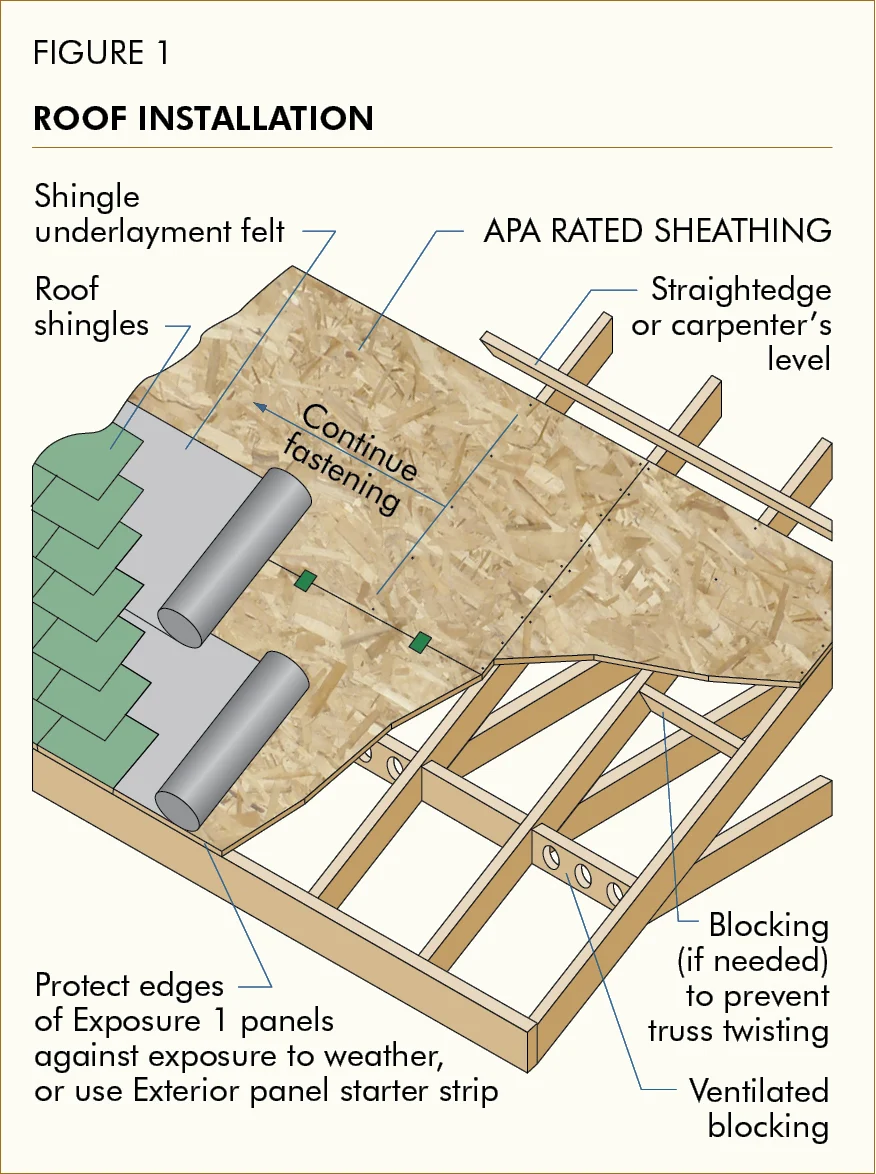
Roof sheathing is the structural backbone that lies directly beneath your roofing material. When a roof is being repaired, replaced, or newly installed, the sheathing is often left uncovered for a period of time. Understanding how long roof sheathing can be exposed is essential for preserving the integrity of the roof, preventing costly water damage, and keeping the interior of your home safe.
Many homeowners assume that a few days of exposure won’t matter, but the reality is that temperature swings, moisture, and UV radiation can all take a toll on wood or engineered panels. This article walks you through the key factors that dictate exposure time, what building codes say, practical ways to protect the sheathing, and how to spot trouble before it becomes a major repair.
By the end of this guide, you’ll be equipped with the knowledge to answer the question how long can roof sheathing be exposed with confidence, and you’ll have actionable steps to keep your roof in peak condition.
how long can roof sheathing be exposed – Understanding the Basics
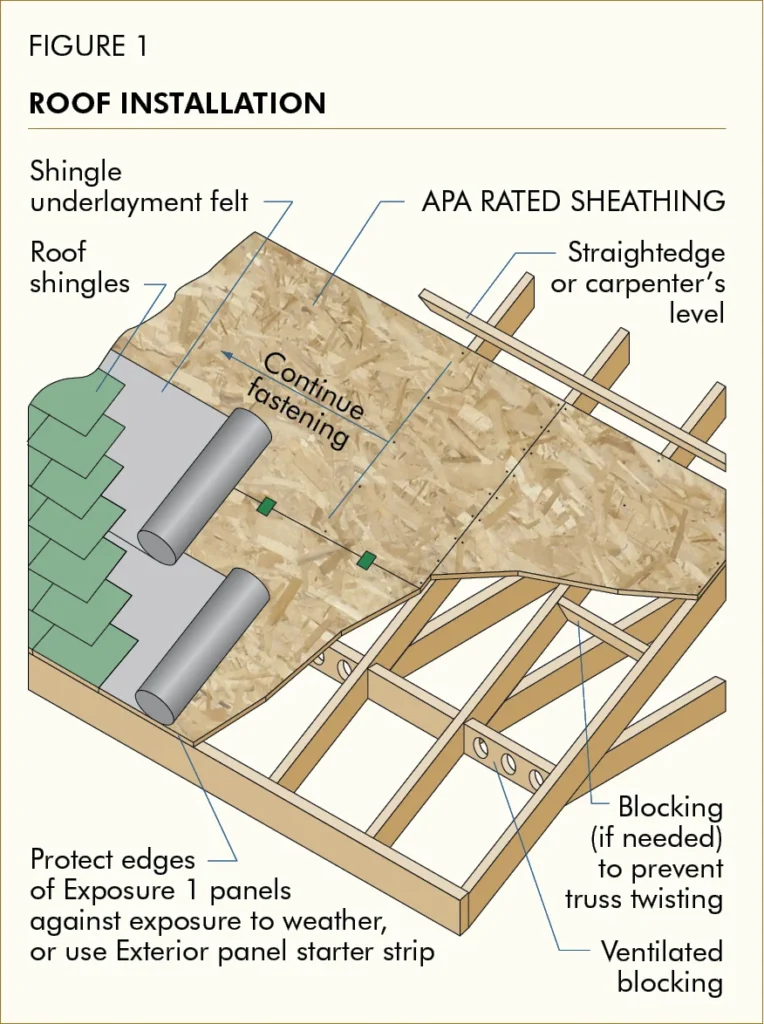
The short answer is that roof sheathing should be protected as soon as possible, ideally within 24‑48 hours of being uncovered. However, the exact window depends on a mixture of material type, climate, and how well the sheathing is covered during the interim period. In mild, dry climates, a few days may be acceptable, whereas in humid or rainy regions even a single rainstorm can introduce moisture that leads to swelling, warping, or mold growth.
When you ask how long can roof sheathing be exposed, you are really asking about the balance between the natural durability of the sheathing material and the environmental forces that work against it. The following sections break down each of those forces so you can make an informed decision for your specific project.
Factors That Influence Exposure Time
how long can roof sheathing be exposed in different climates?
Climate is the single biggest variable. In arid regions such as the Southwest United States, low humidity and minimal rainfall mean that wood sheathing can tolerate a longer exposure—often up to a week—if it’s kept under a temporary tarp. In contrast, coastal areas with high humidity and frequent rain can reduce that safe window to just a few hours. Seasonal considerations also matter; winter exposure can lead to freeze‑thaw cycles that exacerbate cracks, while summer heat can cause rapid drying that leads to shrinkage.
- Dry, hot climates: Up to 5‑7 days with proper temporary covering.
- Humid, rainy climates: No more than 24‑48 hours, preferably less.
- Cold climates with freeze‑thaw cycles: Exposure should be minimized to under 48 hours.
Type of Sheathing Material
Not all sheathing is created equal. Traditional plywood, oriented strand board (OSB), and newer engineered panels each have different moisture tolerance levels.
- Plywood: Naturally resistant to moisture due to its layered construction, but still prone to swelling if left wet for more than 48 hours.
- OSB: More susceptible to water absorption; prolonged exposure can cause delamination within 24‑36 hours in wet conditions.
- Composite panels: Often include water‑resistant additives, extending safe exposure to 3‑5 days under protective covering.
When you wonder how long can roof sheathing be exposed, always start by identifying the material you’re using and consult the manufacturer’s guidelines for moisture limits.
Building Codes and Industry Standards

Most local building codes reference the International Residential Code (IRC) or International Building Code (IBC), which require that sheathing be protected from weather when it is exposed for more than 48 hours. The code language typically reads: “Sheathing shall be protected against the elements when exposed for a period exceeding 48 hours.” This means that if your construction schedule anticipates a longer wait, you must install a water‑resistive barrier (WRB) or a temporary roof system.
Professional roofing contractors often follow the “Rule of Two Days”: if the sheathing will be out in the open for more than two days, they will place a breathable tarp, a polyethylene sheet, or a temporary metal roof to satisfy code and protect the material. Ignoring these standards can lead to failed inspections, delayed project timelines, and potential liability for water damage.
Practical Strategies to Minimize Exposure Risks
Even when weather conditions are favorable, it’s wise to take proactive steps. Below are proven methods to keep your sheathing safe while you wait for the final roofing material.
- Use a breathable tarp: Choose a tarp with ventilation holes to prevent condensation buildup while still shielding the sheathing from rain.
- Install a temporary underlayment: A lightweight synthetic underlayment can be laid over the sheathing and secured with cap nails, providing an extra barrier against moisture.
- Apply a moisture‑resistant sealant: Some contractors spray a clear sealant on plywood to add a short‑term protective layer.
- Schedule work efficiently: Coordinate demolition and installation crews so that the sheathing is covered as soon as possible.
For inspiration on how to blend protective measures with aesthetic considerations, see our guide on small living room décor ideas for apartments – smart & stylish solutions. While the context differs, the principle of smart, temporary solutions applies across the board.
When Exposure Becomes a Problem – Signs to Watch
Even with precautions, you might notice early warning signs that the sheathing has taken on too much moisture. Being vigilant can prevent costly repairs later.
- Visible swelling or cupping: Wood panels may bulge or develop a cup shape when saturated.
- Discoloration or staining: Dark spots often indicate water ingress.
- Fungal growth or mold smell: A musty odor signals that moisture has lingered too long.
- Soft spots when pressing: Plywood should feel solid; a soft, spongy area means rot may be developing.
If any of these symptoms appear, it’s crucial to replace the affected panels and re‑evaluate your protection strategy before proceeding with the final roofing layer.
Quick Tips for Homeowners
- Cover sheathing with a breathable tarp within 2 hours of exposure.
- Check local building codes for the exact time limit; most require protection after 48 hours.
- Choose sheathing material with built‑in moisture resistance for longer projects.
- Inspect the sheathing daily for signs of swelling or mold.
- Plan the roofing schedule to minimize gaps between demolition and installation.
Common Mistakes in Roof Sheathing Management
Even experienced builders can slip up. Below are the most frequent errors and how to avoid them.
- Assuming “a few days” is always safe: This mindset ignores climate variations and material differences.
- Using non‑breathable plastic sheeting: While it blocks water, it also traps condensation, accelerating rot.
- Neglecting to secure temporary covers: Loose tarps flutter and expose the sheathing to wind‑driven rain.
- Skipping inspections: A quick visual check can catch early moisture damage before it spreads.
- Relying solely on manufacturer warranties: Most warranties become void if installation guidelines, including exposure limits, are not followed.
Understanding how long can roof sheathing be exposed helps you steer clear of these pitfalls and keep your project on schedule and within budget.
Frequently Asked Questions
How long can roof sheathing be exposed during a remodel?
During a remodel, the safe exposure window is typically 48 hours. If you anticipate a longer gap, you must cover the sheathing with a weather‑resistive barrier that meets local code requirements.
Is OSB more vulnerable than plywood when exposed?
Yes. OSB absorbs water more quickly and can delaminate within 24‑36 hours of heavy rain, whereas plywood may tolerate up to 48 hours under the same conditions.
Can I use regular polyethylene sheeting to protect the sheathing?
Polyethylene is waterproof but not breathable. It can trap moisture, leading to condensation and rot. A breathable tarp or a purpose‑made synthetic underlayment is a better choice.
Do building codes differ by state?
Most states adopt the International Residential Code, but local amendments can change exposure limits. Always check with your city’s building department for the exact requirements.
What should I do if I notice swelling after exposure?
Replace any swollen panels immediately. Swelling indicates moisture has penetrated the wood fibers, and the material’s structural integrity is compromised.
Is it worth investing in premium sheathing to extend exposure time?
Premium, moisture‑resistant sheathing can give you an extra day or two of safety, but proper covering is still essential. The cost savings from avoiding water damage usually outweigh the higher material price.
Protecting roof sheathing is not just a technical requirement—it’s a safeguard for the entire home. By keeping the exposure period short, using proper temporary covers, and staying alert to early signs of moisture, you can ensure a durable roof that stands the test of time.
Now that you know how long can roof sheathing be exposed under various conditions, you’re ready to plan your next roofing project with confidence. Remember to check local codes, choose the right material, and never leave sheathing uncovered longer than necessary. For more inspiration on modern home styling and practical design ideas, explore the rest of The Homara’s articles.