
Table of Contents
- minimal office wall art ideas: The Core Principles
- How minimal office wall art ideas Boost Productivity
- Choosing the Right Scale and Proportion
- Monochrome and Neutral Palettes
- Incorporating Natural Textures and Materials
- Functional Art: Calendars, Boards, and Maps
- Rotating Displays and Seasonal Swaps
- Quick Tips for Minimal Office Wall Art
- Common Mistakes and How to Avoid Them
- Frequently Asked Questions
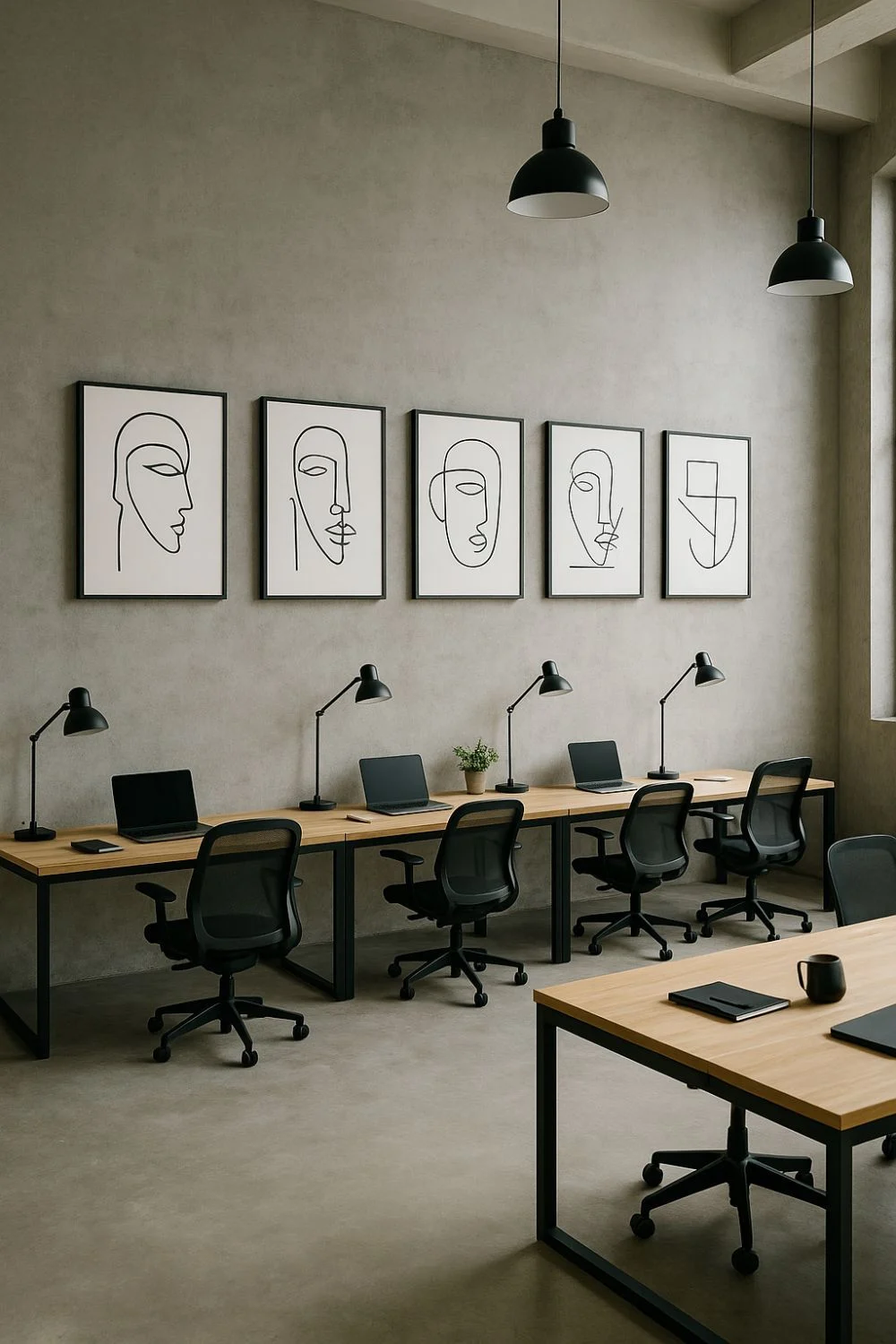
Creating a workspace that feels both inspiring and uncluttered is a challenge many professionals face. While the right desk and chair are essential, the walls around you play a pivotal role in shaping mood, focus, and overall productivity. Minimal office wall art ideas strike a balance between visual interest and serene simplicity, allowing you to personalize without overwhelming the eye.
In this guide, we’ll explore how to select, arrange, and rotate wall pieces that complement a clean aesthetic while serving functional purposes. Whether you’re setting up a home office, a shared coworking nook, or a corporate cubicle, these strategies will help you curate a backdrop that encourages calm, clarity, and creativity.
By the end of the article, you’ll have a toolbox of ideas—from monochrome prints to natural textures—that you can mix and match to suit any budget or style preference. Let’s dive into the world of minimal office wall art ideas and transform your walls from blank canvases into purposeful design statements.
minimal office wall art ideas: The Core Principles
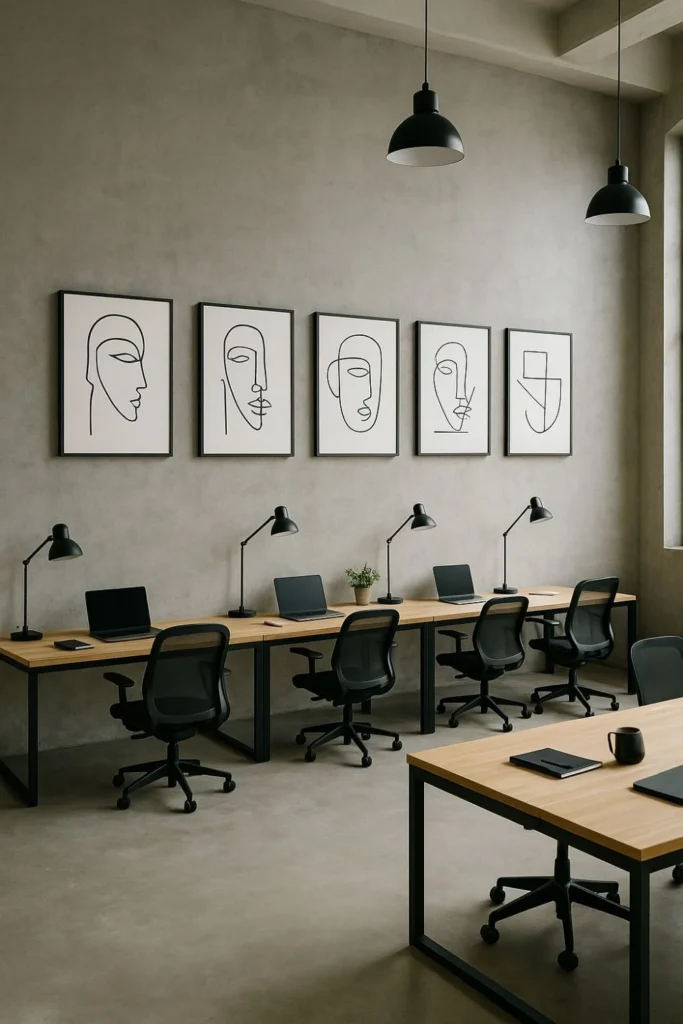
When you first consider minimal office wall art ideas, think of the space as a visual breathing room. The goal isn’t to fill every inch with artwork; rather, it’s to choose pieces that echo the room’s clean lines and neutral tones while adding subtle personality. Start by asking yourself three questions: Does the art support focus or spark distraction? Does it harmonize with existing furniture and color schemes? And can it be easily updated as tastes evolve?
Adopting these questions as a filter helps you avoid the common pitfall of over‑decorating. A single large‑scale abstract print, a carefully placed framed photograph, or a simple typographic quote can become a focal point without crowding the space. For inspiration on broader wall décor, see our Wall Décor Inspiration for Homes article, which showcases how restraint can still make a bold statement.
How minimal office wall art ideas Boost Productivity
Research shows that visual clutter can impede concentration, while curated, low‑key artwork can enhance mental clarity. A muted color palette reduces eye strain, and natural imagery—like subtle botanical prints—can lower stress levels. By integrating art that aligns with your personal brand or company values, you also reinforce a sense of identity, which is especially valuable in remote work environments where the office is your primary visual cue.
Choosing the Right Scale and Proportion
The size of a piece relative to the wall and surrounding furniture determines whether it feels balanced or out of place. For small home offices, a single oversized canvas (around 24×36 inches) positioned above the desk can create a commanding yet uncluttered look. In larger open‑plan areas, a series of three medium‑sized frames (18×24 inches) spaced evenly across a wall provides rhythm without chaos.
- Measure first: Use a tape measure to determine the ideal width—typically 60‑70% of the wall’s width for a single piece.
- Consider eye level: Hang art so the center sits 57‑60 inches from the floor, aligning with natural sight lines.
- Leave breathing room: Keep at least 2‑3 inches of wall space between frames to maintain a minimalist vibe.
When you’re unsure about proportion, create a mock‑up using newspaper or cardboard cut to the intended dimensions. This visual test lets you experiment without committing to holes in the wall.
Monochrome and Neutral Palettes
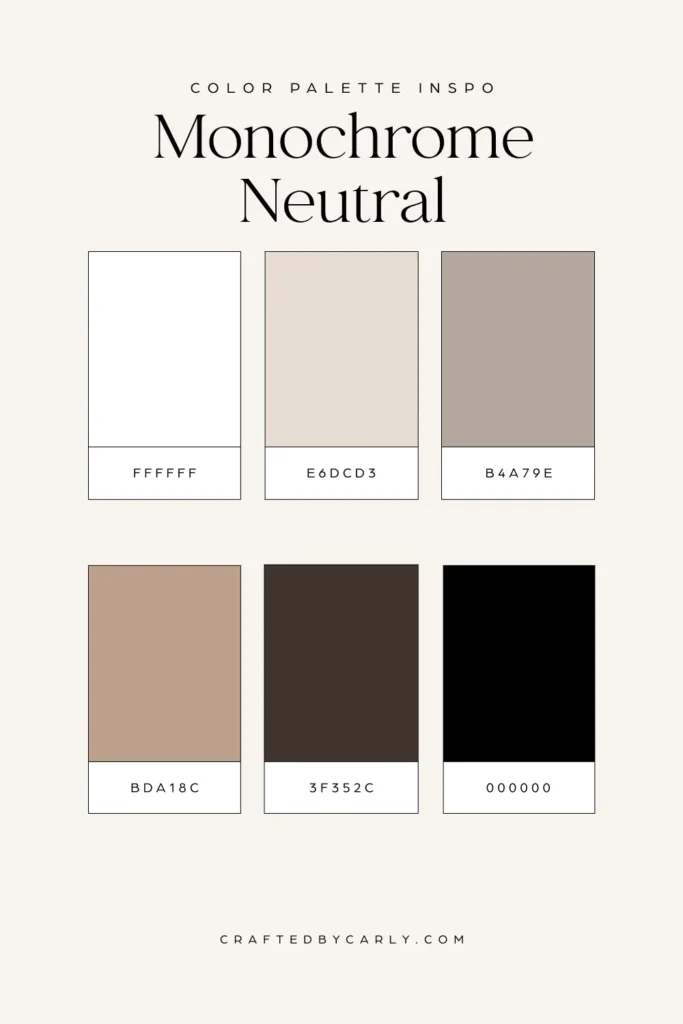
Neutral tones—think whites, greys, soft beiges, and muted blacks—form the backbone of most minimal office wall art ideas. These colors blend seamlessly with most furniture, from light‑finished desks to dark metal shelving. Monochrome photography, abstract line drawings, or simple geometric shapes in black ink on white paper can add sophistication while keeping the overall palette restrained.
For a touch of subtle colour, consider using a single accent hue that mirrors an existing element in the room, such as a teal desk organizer or a copper lamp. A small, single‑colour accent in an otherwise neutral piece creates visual interest without breaking the minimalist flow.
Incorporating Natural Textures and Materials
Texture is a powerful ally in minimal office wall art ideas, especially when colour is limited. Natural materials like reclaimed wood, woven fibre, or brushed metal introduce depth that flat prints can’t achieve. A thin reclaimed‑wood panel with a simple laser‑etched design, for example, brings warmth while staying understated.
To explore how natural textures can enhance a workspace, read our Workspace décor with natural textures for a calm office guide. Pairing a textured piece with a smooth matte finish on the opposite wall creates a balanced, tactile contrast that encourages focus and calm.
- Wood panels: Thin slats (3‑4 mm) add a subtle grain pattern.
- Metal grids: Light, perforated metal can serve as both art and a subtle storage solution.
- Fabric‑mounted prints: Soft linen or canvas adds a gentle, tactile surface.
Functional Art: Calendars, Boards, and Maps
When minimal office wall art ideas intersect with functionality, the result is both beautiful and useful. A sleek, monochrome wall calendar or a cleanly designed cork board can replace a cluttered desk surface while staying true to a minimalist aesthetic. Choose a calendar with thin lines and muted numbers; a wooden frame with a matte finish will blend seamlessly with other art pieces.
Geographic maps—especially in line‑art style—offer a decorative element that also sparks conversation. Opt for a single‑tone map printed on matte paper, framed in a thin black or metallic frame. This piece adds a sense of wanderlust without the visual noise of colourful, detailed maps.
Rotating Displays and Seasonal Swaps
One advantage of minimal office wall art ideas is their adaptability. By using simple hanging systems—such as a slim rail with removable clips—you can change pieces as frequently as you like without damaging the wall. Seasonal swaps, like a light abstract in pastel tones for spring or a deeper charcoal piece for winter, keep the workspace feeling fresh.
Consider a “gallery wall” approach with interchangeable frames. Keep the frames consistent (same colour and style) and rotate the artwork inside. This technique allows you to experiment with new styles or personal photos without the need for new frames each time.
Quick Tips for Minimal Office Wall Art
- Stick to one or two colour families to maintain cohesion.
- Use frames with slim profiles—no heavy, ornate borders.
- Hang art at eye level for optimal viewing comfort.
- Incorporate at least one piece with texture to add depth.
- Rotate artworks seasonally to keep the environment dynamic.
Common Mistakes and How to Avoid Them
Over‑decorating: Filling every inch with art defeats the purpose of a minimalist space. Choose a focal piece and let the surrounding wall breathe.
Ignoring scale: Too small a piece on a large wall looks lost; too large a piece in a tiny room feels oppressive. Measure and mock‑up before installing.
Mismatched frames: Mixing frame styles creates visual dissonance. Stick to one frame colour or material for a unified look.
Choosing overly bright colours: Vibrant hues can become distractions. Reserve bold colours for accessories, not wall art, when aiming for a minimal vibe.
Frequently Asked Questions
What size of artwork works best in a small home office?
For compact spaces, a single piece that occupies roughly 60‑70% of the wall’s width works best. Aim for dimensions around 24×36 inches or use a narrow vertical canvas to save floor space.
Can I use photographs as minimal office wall art ideas?
Absolutely. Choose black‑and‑white or muted‑tone photographs with simple compositions. A single framed photo of a landscape or architectural detail can add personality without clutter.
How do I balance art with shelving or storage units?
Treat shelving as a functional element and keep the art separate, ideally above the shelf line. This visual separation maintains a clean hierarchy and prevents the wall from looking overloaded.
Is it okay to mix media, like wood and canvas, in a minimal office?
Yes, mixing textures enhances depth. Keep the colour palette consistent and use similar frame styles to unify the varied media.
What are budget‑friendly options for minimal office wall art?
Prints from online marketplaces, DIY framed botanical sketches, or repurposed vintage frames with simple line art can provide high‑impact looks without a hefty price tag. For a step‑by‑step guide, see our Simple DIY Frame Wall Décor article.
How often should I update my wall art?
While there’s no hard rule, refreshing artwork every 3‑6 months keeps the environment stimulating. Seasonal rotations or swapping pieces after major projects can also signal a mental reset.
Integrating thoughtful, minimal office wall art ideas into your workspace can profoundly affect how you feel and work each day. By focusing on scale, palette, texture, and functionality, you create a backdrop that supports both productivity and personal expression. Remember, the essence of minimalism is “less is more”—choose each piece intentionally, and let your walls breathe.
Ready to transform your office walls? Explore more design inspiration across The Homara, from sleek side‑table styling to calming bedroom décor. Your next favorite piece might be just a click away.