
Table of Contents
- Workspace décor with natural textures: Core Principles
- Choosing workspace décor with natural textures
- Integrating Natural Textures into Different Work Zones
- Eco‑Friendly Materials and Their Benefits
- Reclaimed Wood
- Cork
- Organic Cotton and Linen
- Recycled Metal
- Styling Tips for Small or Shared Workspaces
- Quick Actionable Tips
- Common Mistakes and How to Avoid Them
- Frequently Asked Questions
Creating a workspace that feels both inspiring and grounding can be a game‑changer for anyone who spends hours at a desk. When the visual noise is reduced and tactile elements echo the calm of the outdoors, focus sharpens and stress eases. That is exactly what workspace décor with natural textures delivers: a bridge between the bustling demands of modern work and the soothing qualities of wood, stone, woven fibers, and plant life.
In today’s design landscape, the shift toward sustainability goes beyond eco‑friendly materials; it also embraces how those materials feel under our fingertips and eyes. By integrating natural textures, you invite a sensory experience that supports mental clarity, encourages movement, and subtly reminds you of the world beyond the screen. Whether you are furnishing a home office, a corporate cubicle, or a shared co‑working nook, the principles remain the same.
This guide walks you through the essential concepts, material selections, and styling tricks to turn any work environment into a sanctuary of productivity. You’ll learn how to balance texture with function, avoid common pitfalls, and answer the questions most people ask when they first explore natural‑textured workspace décor.
Workspace décor with natural textures: Core Principles
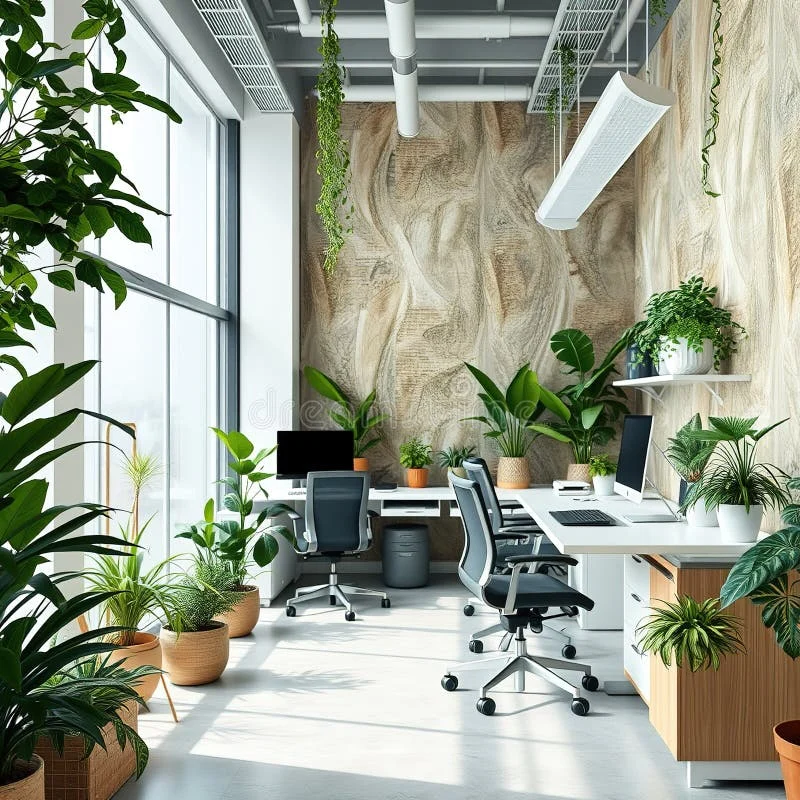
Before picking out a reclaimed wooden desk or a jute rug, understand the three core principles that make natural textures work in an office setting: contrast, balance, and continuity. Contrast refers to the visual interest created when a smooth surface meets a rough one—think a sleek metal lamp standing on a raw‑edge stone slab. Balance ensures that the textures don’t overwhelm the space; a single statement piece can anchor a room without cluttering it. Continuity ties the look together, using a recurring material like bamboo across the chair, shelving, and accessories to create a cohesive narrative.
Applying these principles helps you curate a space that feels intentional rather than assembled on a whim. For instance, a walnut desk paired with a linen chair cushion introduces warmth while the linen’s softness counters the desk’s firmness, achieving contrast. Meanwhile, a consistent palette of earth tones maintains harmony, making the office feel larger and more inviting.
Choosing workspace décor with natural textures
When you start selecting items, ask yourself: What natural material best reflects the mood you want to cultivate? Here are a few popular choices:
- Wood: Offers timeless warmth and can be finished in matte, reclaimed, or polished styles.
- Stone: Adds solidity; think marble desk pads or slate wall panels for a grounded feel.
- Woven fibers: Baskets, rugs, and wall hangings made from rattan, seagrass, or jute introduce softness and acoustic dampening.
- Plant life: Real or high‑quality faux plants provide texture, color, and improved air quality.
Mixing at least two of these textures creates depth, while keeping the overall palette neutral allows the textures to shine without competing for attention.
Integrating Natural Textures into Different Work Zones

Every workspace, whether a compact desk nook or an open‑plan area, has distinct zones—work surface, storage, seating, and visual focus. Tailoring natural textures to each zone maximizes functionality and aesthetic appeal.
Work Surface: A reclaimed wood desktop not only looks inviting but also ages gracefully, developing a patina that tells a story. Pair it with a leather mouse pad for a tactile contrast that feels luxurious.
Seating: Choose an ergonomic chair upholstered in natural linen or hemp. These fabrics breathe, reducing heat buildup during long sessions, and they soften the visual hardness of metal frames.
Storage: Open shelves crafted from bamboo can hold books, plants, and decorative bowls made of stone. The open nature of bamboo shelves encourages an airy feeling, while the stone bowls add weight and grounding.
Visual Focus: A statement wall featuring reclaimed wood paneling or a large woven tapestry draws the eye and anchors the room’s style. Complement this with a minimalist side table—see our guide on living room décor with minimalist side tables for ideas that translate well to office corners.
Eco‑Friendly Materials and Their Benefits

Choosing sustainable materials does more than look good; it contributes to a healthier planet and can improve indoor air quality. Below are some eco‑friendly options and why they work so well in workspace décor with natural textures.
Reclaimed Wood
Reclaimed wood salvaged from old barns or warehouses carries a history that adds character to any desk or shelving unit. Its low‑impact production process reduces deforestation, and the natural imperfections become conversation starters.
Cork
Cork is renewable, biodegradable, and provides excellent sound absorption—ideal for busy open offices. Use cork tiles as a flooring solution or as a backing for corkboard organizers.
Organic Cotton and Linen
These fabrics are grown without synthetic pesticides and require less water than conventional cotton. When used for chair cushions or window treatments, they introduce softness while keeping the ecological footprint small.
Recycled Metal
While metal isn’t “natural” in the same sense as wood, recycled metal fixtures (like lamp stands or drawer pulls) complement natural textures by adding a sleek, industrial edge without new resource extraction.
By combining these materials, you create a workspace that feels authentic and responsible. For those interested in broader home applications, our article on wall décor inspiration for homes showcases how similar principles can transform other rooms.
Styling Tips for Small or Shared Workspaces
Limited square footage doesn’t mean you have to sacrifice texture. Here are strategies to weave natural elements into compact or collaborative areas without crowding the space.
- Vertical Gardens: Install a hanging planter made of woven macramé to add greenery without using floor space.
- Multi‑functional Furniture: Choose a storage bench upholstered in natural hemp; it serves as seating, storage, and a texture focal point.
- Layered Rugs: Place a small jute rug under a larger, neutral carpet to create a subtle texture layer that defines the work zone.
- Portable Texture Accents: Keep a bamboo tray or stone paperweight on the desk for easy removal or rearrangement.
When working in a co‑working hub, consider a shared “texture board” where each user contributes a natural element—like a seashell, a piece of driftwood, or a woven coaster. This fosters community while reinforcing the natural‑texture theme.
Quick Actionable Tips
- Swap a plastic desk organizer for a woven bamboo box to instantly add warmth.
- Place a small potted succulents on the edge of your monitor for a pop of green and texture.
- Use a reclaimed wood picture frame to display a motivational quote, tying visual focus to natural material.
- Choose a rug made from sisal or seagrass to soften hard flooring while improving acoustics.
- Incorporate a stone coaster set to protect surfaces and introduce a tactile contrast.
Common Mistakes and How to Avoid Them
Overloading with Texture: Stacking too many natural elements can create visual clutter. Aim for a focal piece and let other textures support it quietly.
Ignoring Light: Dark wood or heavy fabrics can make a room feel smaller if not balanced with adequate lighting. Pair them with warm LED lamps or natural daylight.
Choosing the Wrong Scale: A massive reclaimed timber desk in a tiny room overwhelms the space. Scale your pieces to the room’s dimensions—opt for a modest coffee‑colored wood desk for compact areas.
Neglecting Maintenance: Natural materials need care—wood may need occasional oiling, and woven fibers can collect dust. Set a regular cleaning schedule to keep textures looking fresh.
Frequently Asked Questions
Can I use natural textures in a high‑tech office?
Absolutely. Pair tech equipment with natural elements such as a wooden monitor stand or a stone charging pad. The contrast enhances both the modern gadgets and the organic feel, creating a balanced environment.
What is the best way to combine different natural materials?
Start with a dominant material (e.g., wood) and introduce secondary textures (e.g., linen, stone) in smaller quantities. This hierarchy prevents the space from feeling chaotic while allowing each texture to shine.
Are synthetic alternatives acceptable?
While synthetic options can mimic natural looks, genuine natural textures typically provide better tactile satisfaction and sustainability. If budget is a concern, look for recycled or responsibly sourced synthetic materials that replicate the feel of wood or stone.
How do I keep a natural‑textured workspace clean?
Use a soft microfiber cloth for wood surfaces, a gentle vacuum for woven rugs, and a damp sponge for stone accents. Avoid harsh chemicals that could damage the natural finish.
Will natural textures improve my productivity?
Studies show that biophilic design—incorporating natural elements—reduces stress and enhances focus. While texture alone isn’t a productivity miracle, it contributes to a calmer, more inviting environment that supports sustained work.
Integrating natural textures into your workspace is an achievable, rewarding process that blends aesthetic pleasure with functional benefits. By selecting sustainable materials, balancing contrast, and paying attention to scale, you can craft an office that feels both modern and rooted in nature.
Take inspiration from other areas of your home, such as the bedroom décor with woven baskets, where similar texture strategies create harmony. Experiment, adjust, and enjoy the transformation of your workday environment.