
Table of Contents
- Why Does My Carpet Feel Damp? Common Sources of Moisture
- Why Does My Carpet Feel Damp After a Shower?
- Assessing the Extent of Moisture Damage
- Effective Drying Techniques for a Damp Carpet
- Preventive Measures: Keeping Your Carpet Dry Long‑Term
- When to Replace the Carpet Instead of Repairing
- Quick Tips for Immediate Relief
- Common Mistakes to Avoid When Dealing with Damp Carpets
- Frequently Asked Questions
- Can a damp carpet cause health problems?
- Is it safe to walk on a carpet that feels slightly damp?
- How long does it take for a carpet to dry completely?
- Do carpet cleaning products help with dampness?
- Will a carpet pad protect against moisture?
- Can I use a steam cleaner on a carpet that’s already damp?
Why Does My Carpet Feel Damp? Understanding Causes and Fixes
There’s nothing more unsettling than stepping onto a carpet that feels unexpectedly wet. Whether you live in a bustling city apartment or a spacious suburban home, a damp carpet can trigger concerns about mold, odors, and damage to your flooring. This article unpacks the mystery behind that soggy sensation, walks you through the most common culprits, and equips you with practical strategies to restore comfort and safety to your space.
Beyond the obvious inconvenience, a persistently damp carpet can affect indoor air quality, trigger allergies, and even shorten the lifespan of your flooring. By pinpointing the source early, you not only protect your investment but also maintain a healthier environment for your family and guests.
Read on to explore the science of moisture, learn how everyday habits can create hidden leaks, and discover step‑by‑step solutions that blend seamlessly with modern home décor trends.
Why Does My Carpet Feel Damp? Common Sources of Moisture

Before diving into fixes, it’s essential to recognize where the water is coming from. Moisture can infiltrate your carpet from both obvious and subtle pathways. Below are the most frequent origins of a damp carpet:
- Spills and Accidents: Coffee, juice, or pet accidents are the most immediate causes.
- Leaky Pipes or Appliances: A burst pipe beneath the floor or a leaking washing machine can saturate carpet padding over time.
- High Humidity: In humid climates, condensation can settle on carpet fibers, especially in basements.
- Improper Installation: Lack of a moisture barrier or using the wrong padding can trap dampness.
- Roof or Window Leaks: Water infiltration during storms can travel along walls and reach carpeted areas.
Identifying the exact source is the first step toward a lasting solution. If you suspect a hidden leak, consider consulting a professional plumber to avoid long‑term damage.
Why Does My Carpet Feel Damp After a Shower?
Bathrooms adjacent to carpeted hallways often experience excess steam. When hot water evaporates, it condenses on cooler surfaces, including carpet fibers. Over time, this repeated exposure can leave the carpet feeling damp even though you never directly wet it. Installing a high‑efficiency exhaust fan or adding a moisture‑absorbing rug in the hallway can dramatically reduce the issue.
Assessing the Extent of Moisture Damage
Once you’ve located the likely source, it’s vital to gauge how deep the moisture has penetrated. Surface dampness is easier to address than water that has seeped into the subfloor or padding.
- Visual Inspection: Look for discoloration, dark spots, or bulging carpet.
- Touch Test: Press a clean cloth against the carpet; if it stays wet, moisture is present.
- Odor Check: A musty smell often signals mold growth beneath the carpet.
- Moisture Meter: Professionals use meters to measure humidity levels within the padding.
If the padding feels soggy or the subfloor is warped, you may need to replace both the carpet and the underlying layers. For minor surface moisture, quick drying techniques can restore comfort without a full replacement.
Effective Drying Techniques for a Damp Carpet
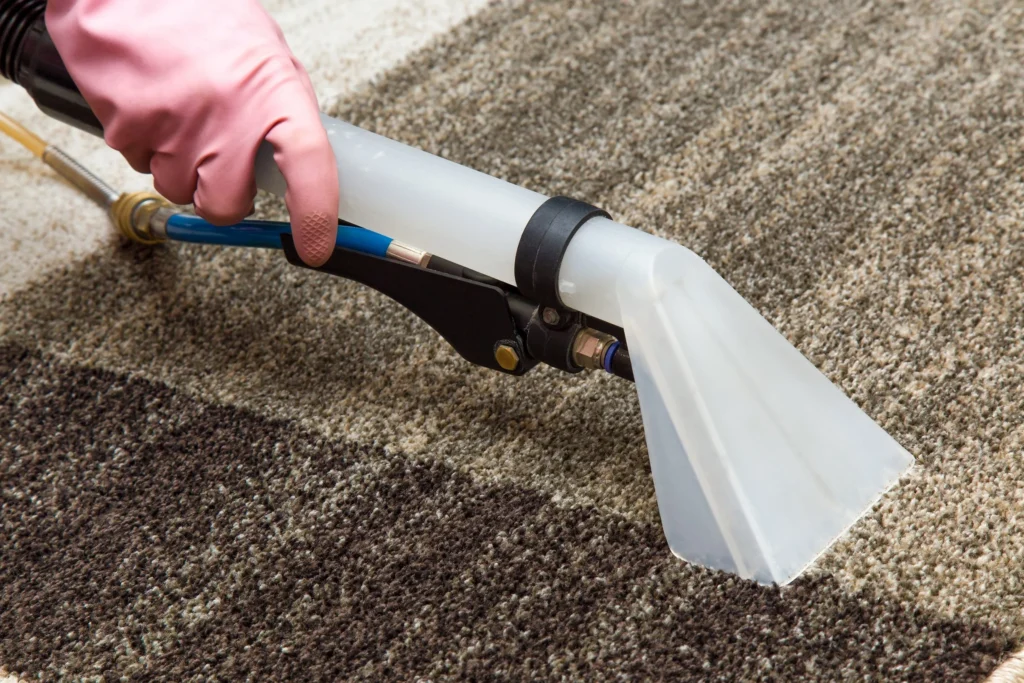
Speed is crucial when tackling a damp carpet. The longer moisture lingers, the higher the risk of mold and odor. Here are proven methods to dry your carpet efficiently while preserving its appearance:
- Ventilation: Open windows and doors to promote cross‑airflow. Use fans positioned to blow air across the carpet.
- Dehumidifiers: Place a portable dehumidifier in the room to pull excess moisture from the air and carpet fibers.
- Wet‑Vacuum: For recent spills, a wet‑vac can extract water before it seeps deeper.
- Absorbent Towels: Lay clean, dry towels over the damp area and press gently to soak up remaining liquid.
- Professional Carpet Cleaning: In cases of persistent dampness, a professional cleaning with hot water extraction can both dry and sanitize the carpet.
Combine these methods for best results. For instance, run a dehumidifier while a fan circulates air, and finish with a wet‑vac to remove any remaining pockets of water.
Preventive Measures: Keeping Your Carpet Dry Long‑Term
Prevention is always more cost‑effective than remediation. Incorporate these habits into your routine to ensure that your carpet stays dry and fresh:
- Place natural textures for a calm office rugs near entryways to trap moisture from shoes before it reaches main carpeted areas.
- Use waterproof underlays beneath bathroom doors and hallway runners.
- Regularly inspect plumbing fixtures, especially under sinks and behind appliances.
- Maintain indoor humidity between 30‑50% with a hygrometer and a reliable dehumidifier.
- Promptly address spills, blotting rather than rubbing to avoid pushing liquid deeper.
These small adjustments not only protect your carpet but also complement modern home décor trends that favor clean lines and natural materials.
When to Replace the Carpet Instead of Repairing
Sometimes, the damage is beyond repair. Knowing when to replace the carpet can save you time, money, and frustration. Consider replacement if you encounter any of the following:
- Persistent musty odor after multiple drying attempts.
- Visible mold growth on carpet fibers or padding.
- Padding that remains soggy after 48 hours of drying.
- Significant discoloration or permanent stains that won’t lift.
- Structural damage to the subfloor, such as warping or rot.
When selecting a new carpet, opt for low‑pile or synthetic fibers that resist moisture absorption. Pairing these with a high‑quality moisture barrier underlay can drastically reduce future problems.
Quick Tips for Immediate Relief
- Blot spills with a dry microfiber cloth within seconds.
- Run a portable fan for at least 30 minutes after any cleaning.
- Check bathroom exhaust fans quarterly for proper operation.
- Place a moisture‑absorbing mat at the entrance of rooms prone to humidity.
- Rotate rugs regularly to expose all areas to air flow.
Common Mistakes to Avoid When Dealing with Damp Carpets
Even well‑meaning homeowners can inadvertently worsen the situation. Here are frequent errors and how to sidestep them:
- Using Heat Directly: Applying a hair dryer or heater directly onto the carpet can scorch fibers and trap moisture underneath. Use fans instead.
- Ignoring the Padding: Replacing only the carpet while leaving a wet pad can lead to recurring dampness and mold.
- Over‑Wetting During Cleaning: Excessive water in steam cleaning can saturate the carpet beyond its drying capacity.
- Delaying Professional Help: If you notice persistent dampness, waiting too long can cause irreversible damage.
- Neglecting Humidity Control: High indoor humidity is a silent contributor; a dehumidifier can be a game‑changer.
Frequently Asked Questions
Can a damp carpet cause health problems?
Yes. Moisture promotes mold and dust mite growth, both of which can trigger allergies, asthma attacks, and other respiratory issues. Prompt drying and proper ventilation are essential to protect indoor air quality.
Is it safe to walk on a carpet that feels slightly damp?
While a lightly damp surface isn’t immediately hazardous, walking on it can spread moisture to other areas and accelerate wear. It’s best to dry the carpet before regular foot traffic resumes.
How long does it take for a carpet to dry completely?
Drying time varies based on humidity, carpet type, and ventilation. In optimal conditions—good airflow and a dehumidifier—a standard residential carpet can dry within 12‑24 hours. Thick shag carpets may need up to 48 hours.
Do carpet cleaning products help with dampness?
Cleaning agents can remove stains but don’t address moisture. In fact, some solutions add extra water, potentially worsening dampness if not followed by thorough drying.
Will a carpet pad protect against moisture?
A quality moisture‑resistant pad can act as a barrier, but it isn’t foolproof. If water penetrates the carpet, it can still seep around the pad edges. Pairing the pad with a proper underlayment is the most effective approach.
Can I use a steam cleaner on a carpet that’s already damp?
No. Adding steam to an already wet carpet can create a breeding ground for mold. Reserve steam cleaning for dry carpets that need deep sanitation.
Understanding why your carpet feels damp is the foundation for a dry, comfortable home. By identifying the source, applying rapid drying methods, and implementing preventive habits, you safeguard both your flooring and your indoor health. Remember that regular maintenance, vigilant humidity control, and timely professional assistance are your allies in the fight against moisture.
Feel inspired to revamp other areas of your home? Explore our guide on minimalist bathroom styling for a fresh, moisture‑friendly design, or discover how home libraries can become serene reading retreats without compromising comfort.
Take action today: assess your carpet, apply the drying strategies outlined, and enjoy a healthier, stylish living environment tomorrow.