
Table of Contents
- Understanding the Appeal of Natural Textures in Home Décor
- Key Benefits of Natural Texture Home Décor Ideas
- Wood‑Focused Ideas for Every Room
- Stone Elements: From Subtle Accents to Bold Statements
- Textile Layers: Weaving Natural Fibers Into Your Design
- Metal Accents: Adding a Touch of Industrial Elegance
- Quick Natural Texture Home Décor Tips
- Common Mistakes to Avoid with Natural Texture Home Décor Ideas
- Frequently Asked Questions
Natural Texture Home Décor Ideas: Bringing Earthy Warmth Into Every Room
When it comes to creating a space that feels both inviting and timeless, the subtle power of natural textures cannot be overstated. Whether you’re a homeowner looking to refresh a single room or a renter seeking non‑permanent upgrades, incorporating raw materials like wood, stone, woven fibers, and reclaimed metal can instantly elevate the ambience. These natural texture home décor ideas not only add visual interest but also connect your interior to the outdoors, fostering a sense of calm and balance.
In this article, we’ll explore a range of strategies that blend practicality with aesthetic appeal. From choosing the right finishes to layering different tactile elements, you’ll learn how to curate a harmonious environment that feels both modern and grounded. Expect step‑by‑step guidance, quick‑action tips, and answers to the most common questions about integrating natural textures into your living spaces.
Understanding the Appeal of Natural Textures in Home Décor
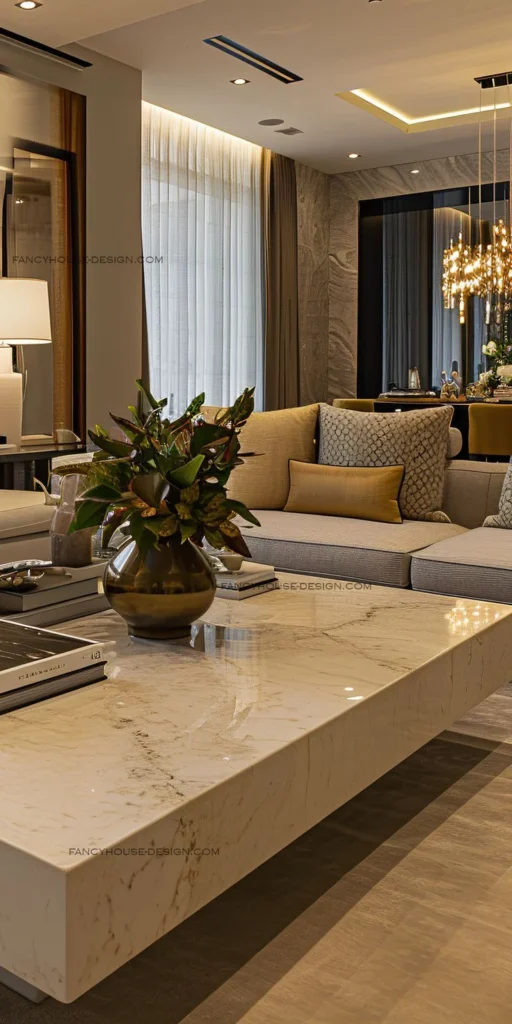
Natural textures bring an organic rhythm that synthetic materials often lack. The irregular grain of reclaimed wood, the cool smoothness of river stone, and the soft, tactile quality of jute all speak to our innate desire for authenticity. When you apply natural texture home décor ideas strategically, you create layers that engage the eye and the hand, making a room feel lived‑in and thoughtfully designed.
Key Benefits of Natural Texture Home Décor Ideas
- Visual depth: Contrasting surfaces add dimension without relying on heavy colors.
- Sustainability: Many natural materials are renewable, recycled, or reclaimed, supporting eco‑friendly living.
- Timelessness: Unlike trends that fade, textures such as wood and stone age gracefully.
- Comfort: Tactile elements encourage a multi‑sensory experience, making spaces feel cozier.
Wood‑Focused Ideas for Every Room
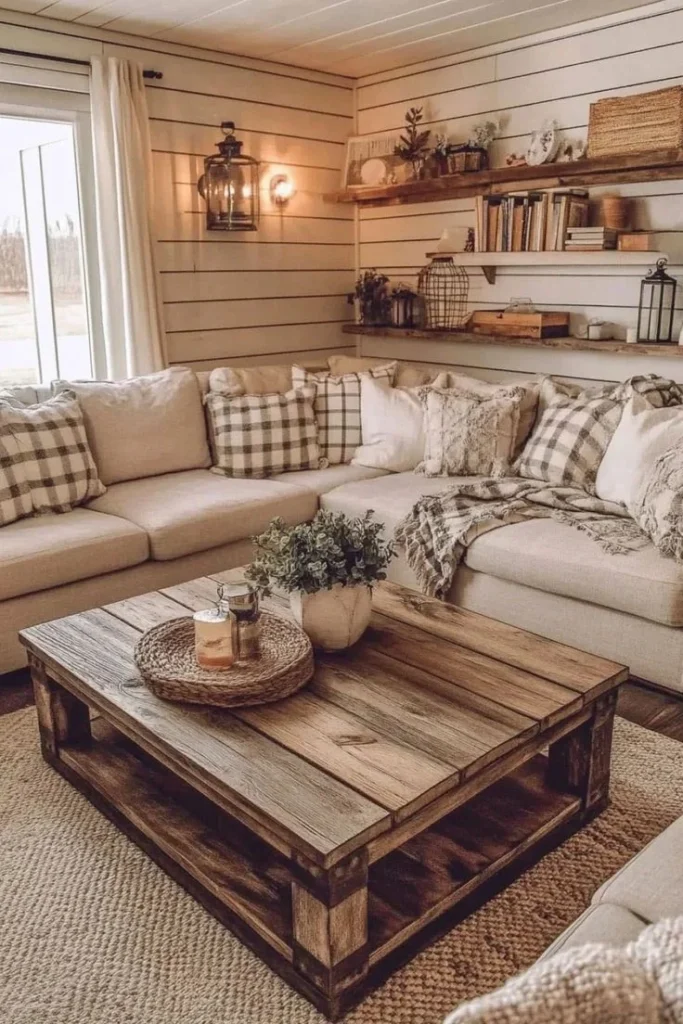
Wood is perhaps the most versatile natural material, offering warmth and a sense of stability. To harness its potential, think beyond traditional furniture pieces. For instance, a DIY shelf décor with wood boards can become a statement backdrop for books, plants, or curated décor objects.
When selecting wood, consider the following:
- Finish: Light‑stained pine brightens a room, while dark walnut adds drama.
- Source: Reclaimed or sustainably harvested timber reduces environmental impact.
- Scale: Large timber beams create a rustic focal point; smaller slats work well for accent walls.
In the living room, a reclaimed wood coffee table paired with a plush linen sofa creates a balanced juxtaposition of hard and soft textures. In the bedroom, a wooden headboard with a raw edge adds an understated elegance while keeping the space grounded.
Stone Elements: From Subtle Accents to Bold Statements
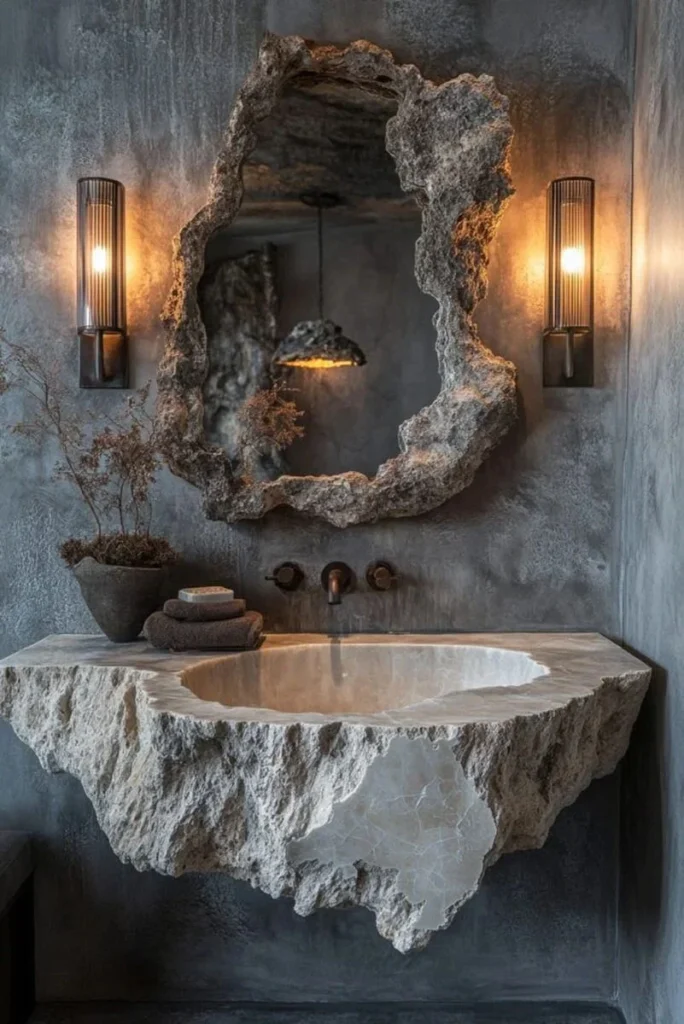
Stone introduces a cool, grounding energy that complements softer textiles. A simple stone veneer on a fireplace or a polished marble countertop can act as a neutral canvas for other natural elements. If space is limited, consider a small stone accent wall behind a TV or a cluster of river rocks on a coffee table for an effortless organic feel.
Here are three ways to integrate stone without overwhelming a room:
- Feature wall: Use thin stone panels to create a focal point behind a dining table.
- Countertops: Replace laminate with a quartz‑engineered surface that mimics natural stone.
- Accessories: Place a decorative stone bowl on a console table to hold keys or plants.
Stone’s durability also makes it ideal for high‑traffic zones such as kitchens and entryways, where it can withstand spills and scratches while maintaining its aesthetic charm.
Textile Layers: Weaving Natural Fibers Into Your Design
Soft natural fibers like linen, cotton, wool, and jute add comfort and warmth to any space. When layered thoughtfully, they soften the hardness of wood and stone while reinforcing the natural theme. A simple jute rug under a wooden coffee table not only protects the floor but also introduces a subtle, earthy texture.
Consider these textile tips:
- Mix patterns sparingly: Pair a solid linen sofa with a woven wool throw for contrast without chaos.
- Play with scale: Large‑scale jute rugs anchor a room; smaller crocheted pillows add detail.
- Seasonal swaps: Switch out heavier wool blankets for lightweight cotton throws as the weather changes.
For a sustainable twist, check out our guide on DIY home décor with dried plants. Dried botanicals can be combined with natural fabrics to create stunning, low‑maintenance wall hangings or table arrangements.
Metal Accents: Adding a Touch of Industrial Elegance
While metal may seem contradictory to a natural aesthetic, matte black, brushed brass, or oxidized copper accents can enhance the overall texture palette. A copper light fixture over a wooden dining table, for example, creates a dialogue between warmth and shine, drawing the eye without detracting from the organic vibe.
Strategic placement of metal is key:
- Hardware: Choose reclaimed iron drawer pulls or brass cabinet knobs for subtle metallic hints.
- Lighting: Industrial pendant lights with exposed bulbs pair well with rustic wooden beams.
- Art & décor: A metal wall sculpture can serve as an artistic focal point amidst natural textures.
When balancing metal with natural elements, keep the quantity low—one or two statement pieces are enough to add sophistication without overwhelming the softness of wood and fabric.
Quick Natural Texture Home Décor Tips
- Start with a single natural focal point (e.g., a reclaimed wood console) and build layers around it.
- Use neutral colors as a backdrop; let texture be the star.
- Mix materials in odd numbers—grouping three or five items feels intentional.
- Incorporate greenery; plants introduce life and echo the natural theme.
- Swap out synthetic décor with handmade or upcycled pieces for authenticity.
Common Mistakes to Avoid with Natural Texture Home Décor Ideas
Even the most enthusiastic decorators can stumble. Below are pitfalls that often arise and how to sidestep them:
- Over‑matching: Using the same wood tone everywhere can feel monotone. Vary finishes—pair light pine with darker walnut.
- Neglecting scale: A massive stone slab in a tiny apartment can dominate; opt for smaller stone tiles or decorative pebbles instead.
- Ignoring maintenance: Some natural fabrics stain easily. Choose easy‑care options like washed linen for high‑traffic sofas.
- Too many textures: While layering adds depth, too many competing textures can create visual noise. Limit to three primary textures per room.
Frequently Asked Questions
How can I incorporate natural textures on a tight budget?
Look for reclaimed or salvaged materials at thrift stores, flea markets, or online marketplaces. A refurbished wooden pallet can become a coffee table, and a simple stone veneer can be applied as an accent wall without the cost of full‑size stone.
Are natural textures suitable for modern minimalist interiors?
Absolutely. Minimalism thrives on clean lines and intentional simplicity. Adding a single natural element—such as a matte concrete side table or a woven jute rug—provides texture without cluttering the space.
What is the best way to care for natural wood furniture?
Regular dusting and occasional application of a natural oil or wax protect the finish. Keep wood away from direct sunlight to prevent fading, and use coasters or placemats to avoid water rings.
Can I mix natural textures with bold colors?
Yes, but balance is essential. Use bold colors sparingly as accent pieces—think a deep‑blue cushion on a linen sofa or a mustard‑yellow rug on a wooden floor—to keep the focus on texture.
Do natural textures work in rental spaces?
Definitely. Non‑permanent solutions like peel‑and‑stick stone tiles, removable wood wall panels, or freestanding woven screens can transform a rental without violating lease terms.
Implementing thoughtful natural texture home décor ideas can reshape the way you experience your living environment. By selecting a mix of wood, stone, textiles, and metal, you create a layered, inviting space that feels both contemporary and grounded. Remember to start small, maintain balance, and let each material speak for itself.
Ready to experiment? Browse our article on room and board vs crate and barrel for brand comparisons, or explore modern wall décor with simple frames to complement your new texture‑rich interiors.
[ CATEGORY ]: Home Decor Ideas