
Table of Contents
- Ethan Allen vs Restoration Hardware: Brand Heritage and Design Philosophy
- Ethan Allen vs Restoration Hardware – Materials and Craftsmanship
- Price Point Comparison: What Your Budget Can Expect
- Ethan Allen vs Restoration Hardware – Value Over Time
- Style Spectrum: From Classic to Contemporary
- Ethan Allen vs Restoration Hardware – Signature Aesthetic
- Product Range and Customization Options
- Ethan Allen vs Restoration Hardware – Made‑to‑Order vs Ready‑to‑Ship
- How to Choose the Right Pieces for Different Rooms
- Living Room
- Bedroom
- Home Office
- Dining Area
- Quick Décor Tips When Mixing Ethan Allen and Restoration Hardware
- Common Mistakes to Avoid When Choosing Between Ethan Allen and Restoration Hardware
- Frequently Asked Questions
- Which brand offers better warranty coverage?
- Can I purchase Ethan Allen or Restoration Hardware pieces online?
- Do either brand offer financing options?
- How do the two brands compare in terms of sustainability?
- Is it possible to mix pieces from Ethan Allen and Restoration Hardware in the same room?
Ethan Allen vs Restoration Hardware: A Deep Dive for Modern Home Décor Lovers
When it comes to furnishing a home with timeless style, two names often dominate the conversation: Ethan Allen and Restoration Hardware. Both brands promise high‑quality pieces, but they differ in heritage, pricing, design language, and the way they cater to the modern homeowner. Understanding these nuances can transform a simple furniture purchase into a strategic design decision that elevates an entire living space.
Whether you’re a first‑time homeowner, a seasoned renter, or a design enthusiast looking for inspiration, knowing how Ethan Allen vs Restoration Hamilton (sic) stack up helps you align your budget, aesthetic, and functional needs. In this article we’ll explore brand histories, price structures, stylistic ranges, customization options, and practical tips for blending or choosing between the two, giving you a clear roadmap for creating a cohesive interior.
We’ll also sprinkle in actionable ideas, common pitfalls to avoid, and quick tips that you can apply right away—plus links to related guides on small‑space décor, hallway styling, and minimalist home offices, so you can keep the inspiration flowing throughout your home.
Ethan Allen vs Restoration Hardware: Brand Heritage and Design Philosophy
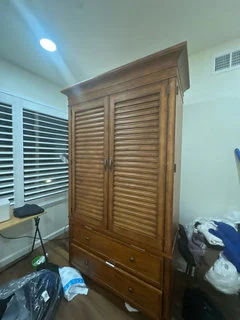
Ethan Allen, founded in 1932, grew out of a vision to bring traditional American craftsmanship into modern homes. The brand’s early focus on solid wood, classic silhouettes, and a warm, lived‑in feel has evolved into a broader palette, yet the core ethos remains rooted in timelessness and durability. Their design teams often draw from historical references—think colonial, Victorian, and mid‑century modern—while integrating contemporary updates.
Restoration Hardware, on the other hand, emerged in 1979 as a warehouse‑style retailer offering industrial‑inspired pieces. Over the years, the brand repositioned itself as a luxury lifestyle label, emphasizing grand, loft‑like aesthetics, raw materials, and a curated gallery‑experience in its stores. Its philosophy leans heavily on dramatic scale, muted palettes, and a sense of curated imperfection that feels both modern and slightly antiquated.
Both brands aim to create environments that feel personal, but Ethan Allen tends toward comfort and familiarity, whereas Restoration Hardware leans into statement‑making, often encouraging a more curated, “gallery‑wall” approach. Understanding this philosophical split is the first step in the Ethan Allen vs Restoration Hardware conversation.
Ethan Allen vs Restoration Hardware – Materials and Craftsmanship
- Wood Selection: Ethan Allen often uses kiln‑dried hardwoods like oak, walnut, and maple, finished with traditional stains that highlight grain. Restoration Hardware favors reclaimed or distressed woods, emphasizing natural imperfections for a lived‑in look.
- Upholstery: Ethan Allen offers a wide range of fabrics, from classic damasks to performance blends, while Restoration Hardware leans toward luxe leathers, linen‑cotton blends, and hand‑woven textiles.
- Metal Accents: Ethan Allen’s metalwork is generally subtle—think brushed brass or polished nickel—whereas Restoration Hardware incorporates raw iron, aged brass, and exposed hardware as focal points.
The materials each brand chooses reflect their broader design language. If you value a more traditional, sturdy feel, Ethan Allen may align better with your vision; if you gravitate toward industrial chic, the Restoration Hardware aesthetic could be your match.
Price Point Comparison: What Your Budget Can Expect
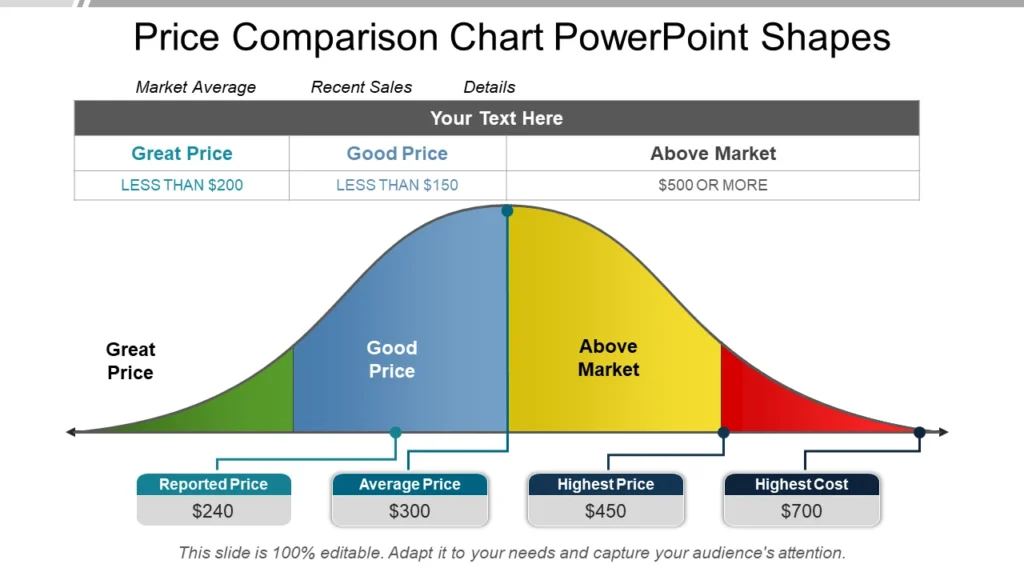
One of the most decisive factors in the Ethan Allen vs Restoration Hardware debate is cost. Ethan Allen positions itself in the upper‑mid market, offering a blend of quality and accessibility. Their price range typically spans from $400 for a modest side table to $5,000+ for a fully custom sofa. The brand often runs promotions and offers financing, which can make higher‑priced items more attainable.
Restoration Hardware, conversely, occupies the luxury tier. Expect to pay $1,000+ for a simple coffee table and $8,000–$15,000 for a statement sofa. The brand’s “gallery” pricing model reflects its commitment to high‑end materials, extensive hand‑finishing, and limited‑edition collections. While they do offer seasonal sales, the overall price floor sits higher than Ethan Allen’s.
When weighing the two, consider not only the upfront cost but also the long‑term value. Ethan Allen’s pieces are built to last for decades, especially when you opt for their higher‑grade wood lines. Restoration Hardware’s items, while initially more expensive, often become heirloom pieces because of their distinctive design and superior material quality.
Ethan Allen vs Restoration Hardware – Value Over Time
Both brands offer warranties that underscore durability: Ethan Allen typically provides a limited warranty of three years on furniture, while Restoration Hardware extends up to five years on many of its larger items. Additionally, Ethan Allen’s extensive dealer network makes repairs and part replacements more straightforward, whereas Restoration Hardware’s exclusive nature sometimes requires shipping items back to central warehouses for service.
In the long run, the “value” can be subjective. If you prioritize a cohesive, classic look that can evolve with subtle updates, Ethan Allen may provide better ROI. If you’re seeking a bold, statement piece that anchors a room’s design for years to come, Restoration Hardware’s higher price point might be justified.
Style Spectrum: From Classic to Contemporary
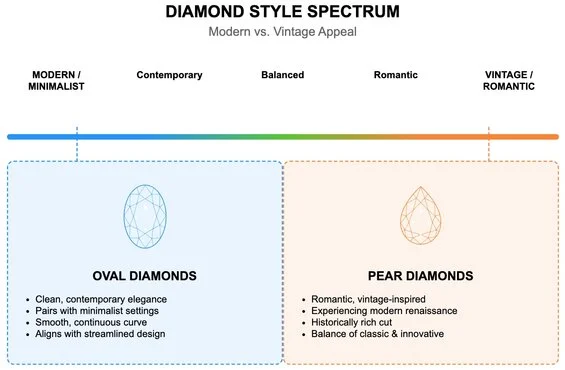
Design style is where the Ethan Allen vs Restoration Hardware debate truly shines. Ethan Allen’s collections often categorize themselves under “Traditional,” “Transitional,” and “Modern.” Their “Modern” line incorporates clean lines and minimal detailing, but still retains a warm, approachable vibe. Think of a sleek sofa upholstered in a soft, neutral fabric paired with a reclaimed wood coffee table.
Restoration Hardware’s offerings gravitate toward “Industrial,” “Modern Farmhouse,” and “Luxury Modern.” Their aesthetic embraces larger scale, dramatic lighting fixtures, and a muted color palette of greys, blacks, and deep earth tones. A typical Restoration Hardware living room might feature an oversized leather sectional, a massive metal chandelier, and a raw concrete coffee table.
Both brands can be mixed, but the key is to maintain balance. Pairing an Ethan Allen sofa with a Restoration Hardware accent table can create a layered, curated look—provided you respect the scale and material hierarchy.
Ethan Allen vs Restoration Hardware – Signature Aesthetic
- Color Palette: Ethan Allen leans toward warm neutrals, soft blues, and earthy greens. Restoration Hardware prefers deep charcoals, stone greys, and occasional muted jewel tones.
- Scale: Ethan Allen’s furniture often fits comfortably in average‑sized rooms, while Restoration Hardware favors oversized pieces that dominate the space.
- Texture: Ethan Allen utilizes plush fabrics and smooth wood finishes; Restoration Hardware emphasizes raw textures like distressed leather and brushed metal.
By recognizing these signatures, you can better decide which brand aligns with your personal taste and the existing décor of your home.
Product Range and Customization Options
Both Ethan Allen and Restoration Hardware boast extensive product catalogs, yet their customization philosophies differ. Ethan Allen offers a robust “Design Studio” where you can select fabrics, finishes, and even tweak dimensions for many pieces. This level of personalization makes it easier to match existing décor, especially in a mixed‑style home.
Restoration Hardware’s customization is more selective. While they provide a limited set of fabric choices for sofas and chairs, the focus is on curated collections rather than bespoke options. However, they do offer a “Made‑to‑Order” service for certain items, allowing you to choose from a curated list of materials and finishes, albeit with longer lead times.
If you value precise control over every detail—down to the stitch pattern on a cushion—Ethan Allen may be the better fit. If you’re comfortable with a curated selection that emphasizes design integrity over endless options, Restoration Hardware’s approach can simplify the decision‑making process.
Ethan Allen vs Restoration Hardware – Made‑to‑Order vs Ready‑to‑Ship
Ethan Allen’s made‑to‑order items typically require a 4‑6 week lead time, while many of their ready‑to‑ship pieces can be delivered within 2‑3 weeks. Restoration Hardware’s ready‑to‑ship inventory is limited; most of their signature pieces are made‑to‑order, with lead times ranging from 6‑8 weeks. This distinction matters for project timelines—especially when furnishing a new home or staging a property for sale.
How to Choose the Right Pieces for Different Rooms
When deciding between Ethan Allen and Restoration Hardware, consider the function and vibe of each room. Below are practical guidelines that help you match brand strengths to specific spaces.
Living Room
- Ethan Allen: Ideal for creating a cozy, family‑friendly lounge. Choose a sectional with a soft fabric, add a traditional coffee table, and layer with patterned rugs.
- Restoration Hardware: Perfect for a statement‑driven living area. Opt for a large leather sofa, a metal‑frame coffee table, and oversized floor lamps for dramatic lighting.
For a blended approach, start with an Ethan Allen sofa for comfort and add a Restoration Hardware accent chair for visual interest. This mix can be especially effective in open‑concept apartments where you want both warmth and drama.
Bedroom
- Ethan Allen: Offers classic bedroom sets with upholstered headboards, nightstands with storage, and coordinated bedding collections.
- Restoration Hardware: Features minimalist platform beds with raw wood frames, often paired with industrial bedside tables.
If you love the idea of a plush, inviting bed but want a rugged, industrial vibe for the rest of the room, pair an Ethan Allen headboard with Restoration Hardware nightstands.
Home Office
For those working from home, comfort and ergonomics are paramount. Ethan Allen’s desk collections include built‑in cable management and adjustable heights, while Restoration Hardware’s desks focus on expansive surfaces and raw metal frames. A hybrid setup could involve an Ethan Allen ergonomic chair paired with a Restoration Hardware reclaimed wood desk for a stylish yet functional workspace.
Read our guide on Minimalist Home Office Décor: A Complete Guide to Calm, Productive Spaces for more inspiration on balancing aesthetics and productivity.
Dining Area
- Ethan Allen: Offers traditional wood dining tables with elegant detailing, complemented by upholstered chairs for added comfort.
- Restoration Hardware: Showcases massive slab tables with raw edges, paired with metal or leather chairs that exude a modern farmhouse feel.
Consider the size of your dining space: smaller apartments may benefit from Ethan Allen’s compact, rounded tables, while larger homes can accommodate Restoration Hardware’s expansive banquet‑style tables.
Quick Décor Tips When Mixing Ethan Allen and Restoration Hardware
- Maintain a consistent color palette—choose either warm neutrals (Ethan Allen) or cool greys (Restoration Hardware) to avoid visual clash.
- Balance scale—pair a large Restoration Hardware sofa with a modest Ethan Allen coffee table to prevent the room from feeling overwhelmed.
- Use accessories (pillows, rugs, lighting) to bridge the gap; for example, a rug with a subtle pattern can tie together different material finishes.
- Consider focal points—let one brand dominate the main view while the other provides supporting pieces.
- Layer textures—mix plush Ethan Allen fabrics with the raw leather or metal of Restoration Hardware for depth.
Common Mistakes to Avoid When Choosing Between Ethan Allen and Restoration Hardware
Even seasoned decorators can stumble when navigating the Ethan Allen vs Restoration Hardware decision. Below are common pitfalls and how to sidestep them.
- Ignoring Room Scale: Buying an oversized Restoration Hardware sofa for a compact apartment can crowd the space. Measure your room and select pieces proportionally.
- Overlooking Cohesive Color Schemes: Mixing too many divergent hues from both brands can create a disjointed look. Stick to a unifying color family.
- Neglecting Functionality: A beautifully designed Restoration Hardware coffee table might be too fragile for a high‑traffic family room. Choose durability where needed.
- Skipping Sample Swatches: Both brands offer fabric swatches—use them to test how colors interact with natural light before committing.
- Forgetting Delivery and Lead Times: Ethan Allen’s made‑to‑order pieces require planning; Restoration Hardware’s longer lead times can delay project timelines.
By staying mindful of these issues, you can ensure a smoother shopping experience and a more harmonious interior.
Frequently Asked Questions
Which brand offers better warranty coverage?
Ethan Allen typically provides a three‑year limited warranty on most furniture, covering defects in material and workmanship. Restoration Hardware extends warranties up to five years on many of its larger pieces, often with a focus on structural integrity. Both brands offer repair services, but Ethan Allen’s wider dealer network can make repairs more convenient.
Can I purchase Ethan Allen or Restoration Hardware pieces online?
Yes. Both brands have robust e‑commerce platforms. Ethan Allen’s website allows you to configure custom fabrics and finishes directly, while Restoration Hardware’s site showcases curated collections with limited customization. Shipping costs vary, and both offer white‑glove delivery for larger items.
Do either brand offer financing options?
Ethan Allen frequently partners with financing providers to offer interest‑free periods and low‑rate plans, making higher‑priced items more accessible. Restoration Hardware also provides financing, though terms may be stricter and often require a credit check.
How do the two brands compare in terms of sustainability?
Ethan Allen has introduced a line of sustainably sourced wood and recycled fabrics, emphasizing responsible sourcing. Restoration Hardware highlights reclaimed wood and low‑impact manufacturing processes but does not have a dedicated sustainability certification program. Both are making strides, but Ethan Allen’s transparency in sourcing is generally more detailed.
Is it possible to mix pieces from Ethan Allen and Restoration Hardware in the same room?
Absolutely. Successful mixes rely on consistent color palettes, balanced scale, and thoughtful accessorizing. Use neutral tones as a backdrop, pair a plush Ethan Allen sofa with a raw‑edge Restoration Hardware coffee table, and add complementary accessories like rugs and lighting to unify the look.
For further inspiration on mixing styles, see our article on Apartment Workspace Setup Inspiration: Transform Your Small Living Space. It offers ideas on integrating varied furniture pieces in compact settings.
In addition, explore Hallway Décor with Woven Wall Décor – Transform Your Entryway for tips on creating cohesive transitions between rooms when using distinct furniture brands.
Finally, if you’re curious about how paint choices interact with furniture, read Simply White vs Alabaster – A Deep Dive into Two Timeless Paint Shades to discover complementary wall colors for Ethan Allen’s warm tones or Restoration Hardware’s cooler palette.
Choosing between Ethan Allen and Restoration Hardware isn’t a zero‑sum game; it’s an opportunity to curate a home that reflects both comfort and character. By weighing brand heritage, price, style, and customization, you can make informed decisions that align with your lifestyle and design goals. Whether you lean toward Ethan Allen’s classic warmth or Restoration Hardware’s bold luxury—or blend the two—you’ll be equipped to create spaces that feel both personal and polished.