
Table of Contents
- Understanding what causes a carpet to ripple
- Common installation mistakes that lead to rippling
- Environmental factors and floor conditions
- Humidity and temperature changes
- Subfloor imperfections
- How subfloor issues contribute to carpet ripples
- Preventive measures and maintenance tips
- Regular tension checks
- Control indoor humidity
- Use proper padding
- Professional cleaning with care
- Quick Tips to Stop Carpet Ripple
- Common Mistakes When Dealing With Carpet Ripple
- Frequently Asked Questions
What Causes a Carpet to Ripple – Expert Insights & Solutions
Carpets add warmth, texture, and style to any room, but when they develop waves or “ripples,” the effect can be both unsightly and frustrating. Homeowners often wonder what causes a carpet to ripple and how to correct the problem without a costly replacement. Understanding the underlying causes not only helps you fix the current issue but also prevents future occurrences, keeping your living spaces looking polished and inviting.
In this comprehensive guide, we’ll explore the most common reasons behind carpet rippling, from installation missteps to subtle shifts in humidity. You’ll also find practical maintenance tips, quick fixes, and answers to frequently asked questions. Whether you’re dealing with a new installation that never sat flat or an older rug that’s started to buckle, the insights below will equip you with the knowledge to restore a smooth, professional look.
Understanding what causes a carpet to ripple
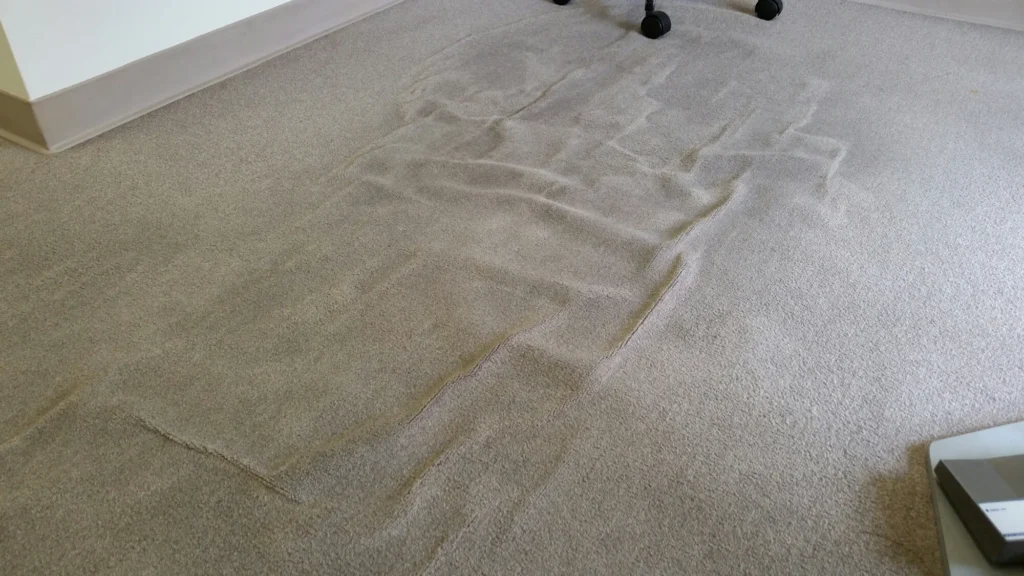
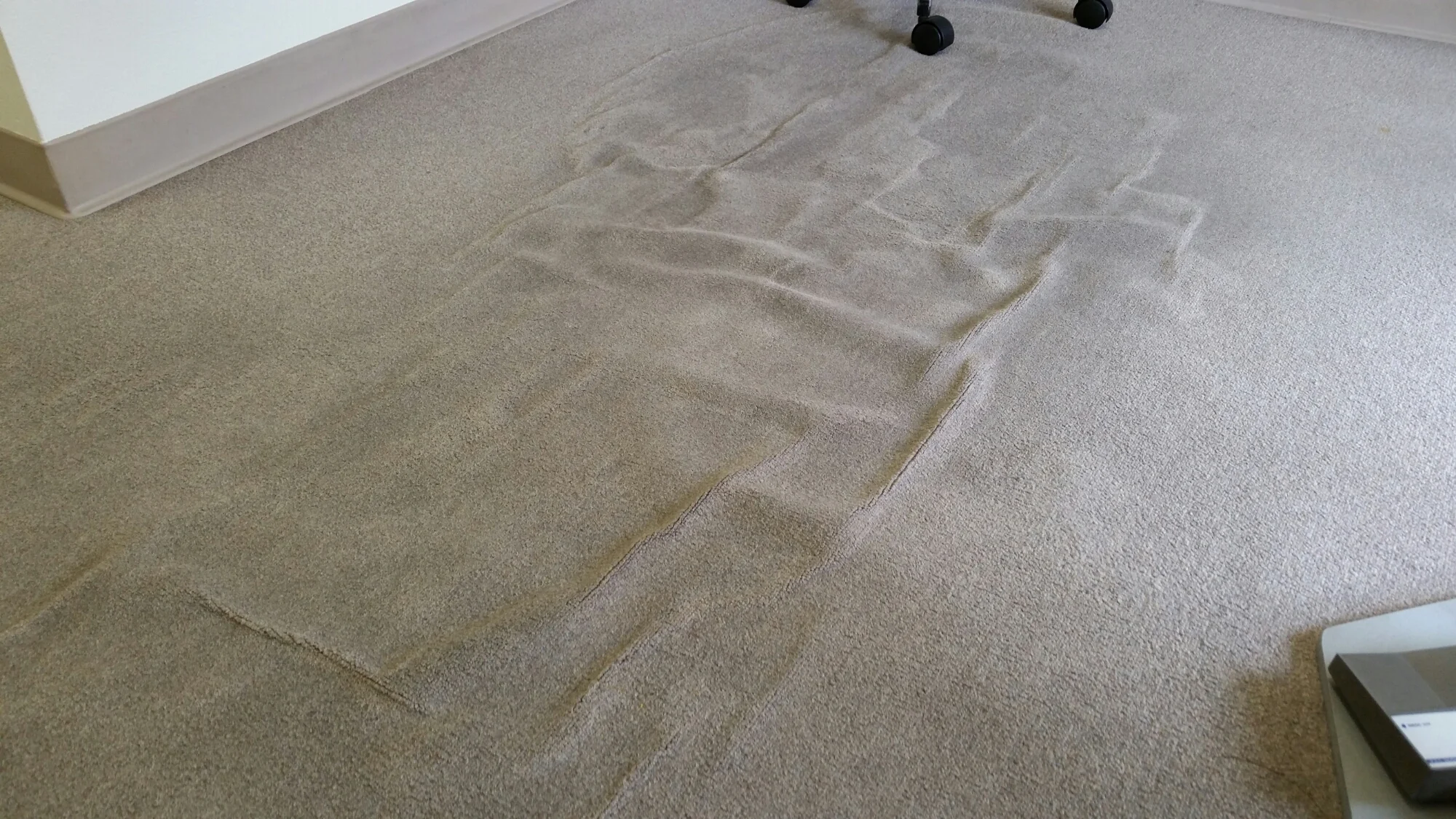
At its core, a carpet ripple is a visual manifestation of uneven tension or movement beneath the flooring surface. When the backing or the padding shifts, the carpet fibers lift, creating the characteristic wave pattern. Several factors can trigger this behavior, and identifying the exact cause is the first step toward a lasting solution.
The most frequent culprit is an improper installation technique. If the carpet isn’t stretched evenly across the room, tension points develop, allowing the material to gather in certain areas. Even a slight misalignment during the stretching process can create a ripple that becomes more pronounced over time, especially in high‑traffic zones.
Environmental conditions also play a vital role. Changes in temperature and humidity cause both the carpet and the subfloor to expand or contract. When these movements are not synchronized, the carpet can lift from its adhesive or padding, forming waves. Understanding what causes a carpet to ripple in the context of your home’s climate helps you choose the right materials and preventive measures.
Common installation mistakes that lead to rippling
Professional installation is a skill that blends precision with an eye for detail. However, even seasoned installers can make errors that later manifest as ripples. Below are the most common mistakes and why they matter.
- Insufficient stretching: Using a power stretcher without applying enough force leaves slack in the carpet. As foot traffic applies pressure, the slack concentrates in one spot, creating a ripple.
- Uneven padding: If the underlay is thicker in one area, the carpet will sit higher there, causing an imbalance that encourages buckling.
- Poor seam alignment: When two carpet sections meet, a misaligned seam can act as a hinge, allowing one side to lift while the other stays flat.
- Improper tack strip placement: Tack strips must be positioned correctly and securely fastened. Loose or misplaced strips fail to hold the carpet edge, leading to gradual movement.
Addressing these issues during the initial installation dramatically reduces the likelihood of rippling. If you suspect a recent installation is the source, consult a reputable flooring contractor who can assess tension, re‑stretch the carpet, and replace any compromised padding.
Environmental factors and floor conditions

Beyond installation, the environment where your carpet lives can trigger ripples. Seasonal shifts, humidity fluctuations, and even the type of subfloor material all influence carpet behavior.
Humidity and temperature changes
Carpet fibers, especially those made from natural materials like wool, absorb moisture from the air. In humid climates, the fibers expand, while dry conditions cause them to contract. This expansion‑contraction cycle can loosen the bond between carpet and padding, making it easier for waves to appear.
Similarly, temperature swings affect the subfloor. Concrete slabs, for example, contract in cold weather and expand when warm. If the carpet is anchored to a concrete base, these movements can create tension differentials that manifest as ripples. Using a moisture barrier under the padding can mitigate these effects.
Subfloor imperfections
A level subfloor is essential for a flat carpet. Even minor dips, bumps, or uneven joints can create pressure points where the carpet lifts. Over time, foot traffic concentrates weight on these spots, exacerbating the ripple. If you suspect subfloor irregularities, consider having a professional perform a thorough inspection and, if needed, sand or level the surface before reinstalling the carpet.
How subfloor issues contribute to carpet ripples
Subfloor problems are often hidden, yet they are a leading cause of carpet distortion. Below we examine the most prevalent subfloor challenges and their relationship to rippling.
- Wood floor movement: Hardwood floors naturally expand and contract with seasonal humidity changes. When a carpet sits on a moving wood floor without an adequate underlayment, the carpet may shift, forming ripples.
- Concrete moisture: Moisture vapor from a concrete slab can travel upward, softening the adhesive used to secure the carpet. This weakening allows the carpet to lift in localized areas.
- Uneven joist spacing: In homes with older framing, joists may be spaced irregularly, creating high and low points. A carpet laid over such a surface will experience uneven pressure, leading to wave formation.
Addressing subfloor issues often requires a multi‑step approach: first, identify the problem through a moisture test or level assessment; second, correct the subfloor by adding a leveling compound, installing a vapor barrier, or reinforcing joists; finally, reinstall the carpet with proper padding and stretching to ensure even tension.
Preventive measures and maintenance tips
Prevention is always easier—and cheaper—than remediation. By adopting a few proactive habits, you can significantly reduce the risk of carpet rippling.
Regular tension checks
Every 6–12 months, walk a straight line across the carpet while applying gentle pressure with your hand. If you notice any looseness or a subtle lift, it may be time to re‑stretch the carpet. Early intervention prevents small ripples from becoming large, visible waves.
Control indoor humidity
Maintain indoor humidity between 40% and 60% using humidifiers in dry months and dehumidifiers during rainy seasons. Consistent humidity levels keep carpet fibers stable and reduce the chances of expansion‑induced ripples.
Use proper padding
High‑density, low‑compression padding provides a stable foundation that resists shifting. Avoid low‑quality padding that compresses quickly under foot traffic, as this creates gaps where the carpet can lift.
Professional cleaning with care
While deep cleaning is essential for carpet longevity, aggressive steam cleaning can saturate the backing, weakening the adhesive. Opt for professional cleaners who understand the balance between thoroughness and moisture control. For quick spot cleaning, refer to our guide on how to get dried oil stain out of carpet for safe techniques that won’t oversaturate the fibers.
Quick Tips to Stop Carpet Ripple
- Place a heavy piece of furniture over the ripple for a few days to encourage the carpet to settle.
- Use a carpet stretcher kit for small areas; it’s a cost‑effective DIY solution for minor ripples.
- Apply a thin layer of carpet adhesive along the edge of the ripple if it’s near a wall.
- Check and tighten any loose tack strips or staples that may have shifted.
Common Mistakes When Dealing With Carpet Ripple
Even with the best intentions, homeowners sometimes make errors that worsen the situation.
- Ignoring the source: Simply pulling the carpet taut without addressing underlying tension or subfloor issues leads to recurring ripples.
- Using excessive force: Over‑stretching can tear the carpet backing, creating permanent damage.
- Skipping professional assessment: DIY fixes are tempting, but a trained installer can spot hidden problems like moisture pockets or uneven joists.
- Neglecting humidity control: In climates with large seasonal swings, failing to manage indoor humidity will undo any repair work.
Frequently Asked Questions
Why does my carpet ripple only near the walls?
Walls often have different temperature gradients compared to the center of a room, especially if they’re exterior walls. This temperature difference can cause the carpet to contract or expand unevenly near the perimeter, leading to ripples. Ensuring proper insulation and using a moisture barrier can help mitigate this effect.
Can a rug cause ripples in a wall‑to‑wall carpet?
Heavy rugs placed on top of a wall‑to‑wall carpet can create localized pressure points. Over time, this pressure can force the carpet fibers to lift around the rug’s edges, especially if the rug is not secured with a non‑slip pad. Rotating rugs and using pads reduces the likelihood of ripples.
Is it safe to re‑stretch a carpet myself?
For small areas and minor ripples, a DIY carpet stretcher kit can be effective. However, large‑area ripples or those caused by subfloor issues should be handled by professionals. Incorrect stretching can damage the carpet backing and void warranties.
How long does it take for a re‑stretched carpet to settle?
After re‑stretching, give the carpet at least 48–72 hours before placing heavy furniture back. This allows the adhesive and padding to settle and the tension to distribute evenly across the surface.
Do carpet tiles ripple the same way as broadloom carpet?
Carpet tiles are less prone to rippling because each tile is individually attached to the subfloor. However, improper installation of the adhesive or uneven subfloor preparation can still cause individual tiles to lift, creating a “rippled” appearance across the tiled surface.
For more design inspiration, explore our article on minimalist living room for small spaces, which highlights how proper flooring choices complement modern décor.
Another great resource is our guide on hallway wall décor ideas. It shows how thoughtful wall treatments can balance visual weight, especially when your carpet has minor imperfections.
If you’re renovating a kitchen and considering new flooring, read GE Café Dishwasher vs Bosch – Which Fits Your Kitchen Best? to understand how appliances and floor choices interact for a cohesive look.
By staying informed about what causes a carpet to ripple and implementing the preventive strategies discussed, you’ll enjoy a flawless floor that enhances your home décor for years to come.