
Table of Contents
- Step‑by‑Step Guide on How to Get Dried Oil Stain Out of Carpet
- 1. Gather the Right Supplies
- 2. Re‑Moisten the Stain (If Possible)
- 3. Apply an Absorbent Powder
- 4. Create a Cleaning Solution
- 5. Spot‑Treat the Stain
- 6. Rinse and Blot
- 7. Dry Thoroughly
- Choosing the Right Cleaning Agents for Different Carpet Fibers
- Preventive Measures to Keep Carpets Oil‑Free
- Strategic Placement of Rugs and Mats
- Protective Sprays for High‑Risk Areas
- Immediate Spot‑Cleaning Routine
- Quick Tips for Stubborn Dried Oil Stains
- Common Mistakes When Removing Dried Oil Stains from Carpet
- Frequently Asked Questions
- Can I use commercial carpet shampoo to remove dried oil?
- Is it safe to use a steam cleaner on a dried oil stain?
- How long does it take for a dried oil stain to disappear?
- Do natural powders like cornstarch really work?
- What if the stain reappears after the carpet dries?
- Can I hire a professional cleaner for dried oil stains?
Oil spills are a common mishap in busy households, especially in kitchens and work‑from‑home spaces where a careless drip can quickly turn into an unsightly mark on your carpet. While fresh stains are relatively easy to tackle, dried oil can bond with carpet fibers, making removal seem daunting. Understanding the science behind the stain and having the right tools at hand can transform a frustrating situation into a straightforward cleaning project.
In this article we’ll walk you through a complete, step‑by‑step process on how to get dried oil stain out of carpet without damaging the pile or the backing. Whether you’re a renter wary of lease‑breaking damage, a homeowner protecting your investment, or a décor enthusiast who wants to keep a polished look, the methods outlined here are safe, effective, and compatible with most modern carpet materials.
How to Get Dried Oil Stain Out of Carpet – A Complete Guide
Step‑by‑Step Guide on How to Get Dried Oil Stain Out of Carpet
Before diving into any cleaning solution, it’s crucial to assess the type of carpet you have—nylon, wool, polyester, or a natural fiber blend. Each material reacts differently to solvents, so testing a small, hidden area first will prevent unwanted discoloration. Once you’ve confirmed the carpet’s tolerance, follow these stages:
1. Gather the Right Supplies
- Absorbent powder (baking soda, cornstarch, or talc)
- Gentle dish soap or a carpet‑safe degreaser
- White vinegar (optional for stubborn residue)
- Soft‑bristled brush or a clean white cloth
- Vacuum cleaner with a HEPA filter
2. Re‑Moisten the Stain (If Possible)
If the oil has fully hardened, lightly mist the area with warm water using a spray bottle. This helps loosen the grease without spreading it further. Avoid soaking the carpet; a damp surface is sufficient.
3. Apply an Absorbent Powder
Sprinkle a generous layer of baking soda or cornstarch over the damp spot. Let it sit for 15‑20 minutes; the powder will draw out the remaining oil. After the waiting period, gently vacuum the powder away.
4. Create a Cleaning Solution
Mix two teaspoons of mild dish soap with a cup of warm water. For extra grease‑cutting power, add a tablespoon of white vinegar. Stir gently to avoid creating excess bubbles.
5. Spot‑Treat the Stain
Dip a clean white cloth into the solution, wring out excess liquid, and dab the stained area from the outside toward the center. This prevents the oil from spreading. Work in small motions, allowing the solution to penetrate the fibers for 2‑3 minutes.
6. Rinse and Blot
Using a second cloth dampened with plain water, blot the treated spot to remove soap residue. Follow with a dry towel to absorb excess moisture. Repeat the rinse‑blot cycle until the carpet feels clean to the touch.
7. Dry Thoroughly
Allow the carpet to air‑dry completely. If possible, place a fan nearby or open windows to speed up the process. Once dry, vacuum once more to lift any loosened fibers and restore the pile’s texture.
Choosing the Right Cleaning Agents for Different Carpet Fibers
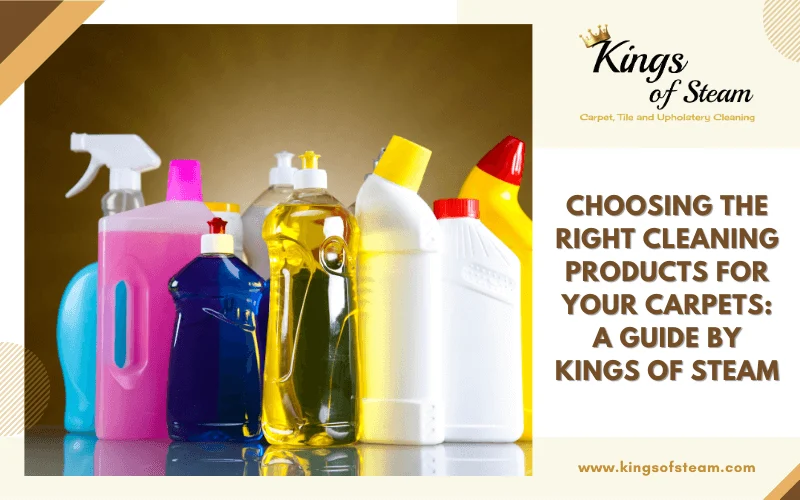
Not all carpets are created equal, and selecting an appropriate cleaner is essential when learning how to get dried oil stain out of carpet. Below is a quick reference for common fiber types:
- Polypropylene (Olefin): Highly resistant to stains; a mild dish soap solution works well.
- Polyester: Safe with most household cleaners; avoid bleach.
- Wool: Use a wool‑specific detergent; acidic solutions like vinegar can damage the fibers.
- Nylon: Durable and tolerant of stronger degreasers, but always test first.
When in doubt, refer to the carpet manufacturer’s care label. Many premium carpets also come with a warranty that may be voided by harsh chemicals, so opting for gentle, pH‑balanced solutions is usually the safest route.
Preventive Measures to Keep Carpets Oil‑Free
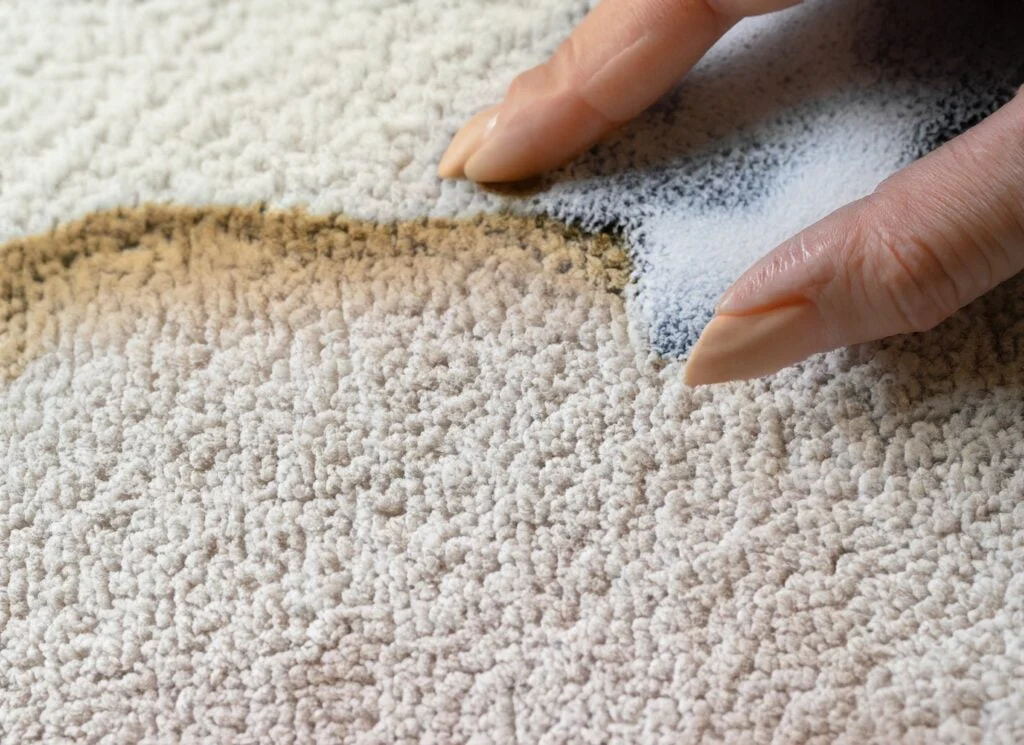
Prevention is often easier than remediation. Implementing a few simple habits can dramatically reduce the likelihood of future oil stains, making your home look freshly styled all year round.
Strategic Placement of Rugs and Mats
Use washable area rugs or mats in high‑traffic zones like kitchens and home offices. These can be laundered regularly, providing a first line of defense against accidental spills.
Protective Sprays for High‑Risk Areas
Consider applying a carpet protector spray that creates a barrier against liquids. These products are especially useful in households with pets or children, where spills are frequent.
Immediate Spot‑Cleaning Routine
Keep a small cleaning kit—containing a spray bottle of warm water, dish soap, and absorbent powder—under the sink. Tackling a fresh oil splash within minutes dramatically reduces the need for intensive stain‑removal techniques later.
Quick Tips for Stubborn Dried Oil Stains
- Use a steam cleaner on low heat for deep‑set oil; steam loosens grease without harsh chemicals.
- Apply a paste of baking soda and water, let dry, then vacuum. The abrasive texture helps lift oil particles.
- For delicate wool carpets, try a commercial wool‑safe stain remover following the manufacturer’s instructions.
Common Mistakes When Removing Dried Oil Stains from Carpet
Even well‑intentioned homeowners can slip up. Avoid these pitfalls to protect both your carpet and your peace of mind:
- Rubbing Aggressively: Scrubbing harshly can push oil deeper into the pile, making it harder to extract.
- Using Too Much Water: Over‑wetting leads to mold growth and can weaken carpet backing.
- Skipping the Patch Test: Applying a cleaner without testing can cause discoloration, especially on dark or patterned carpets.
- Choosing the Wrong Solvent: Bleach, ammonia, or oil‑based solvents may damage synthetic fibers and alter color.
Frequently Asked Questions
Can I use commercial carpet shampoo to remove dried oil?
Yes, but ensure the shampoo is labeled safe for your carpet type. Apply it sparingly and always rinse with a clean, damp cloth to avoid residue buildup.
Is it safe to use a steam cleaner on a dried oil stain?
Steam cleaners work well on many synthetic fibers, but they can shrink or damage wool. Test on an inconspicuous spot first, and use the lowest heat setting.
How long does it take for a dried oil stain to disappear?
Results vary depending on the stain’s age and the carpet material. With the method described, most stains fade within 30‑45 minutes of treatment, though a second application may be necessary for older spots.
Do natural powders like cornstarch really work?
Yes. Absorbent powders draw out trapped oil through capillary action. They’re especially effective when combined with a gentle cleaning solution afterward.
What if the stain reappears after the carpet dries?
Sometimes oil can migrate back to the surface as the carpet dries. If you notice a faint residue, repeat the blot‑and‑rinse process, focusing on the edges of the stain.
Can I hire a professional cleaner for dried oil stains?
Professional carpet cleaners have industrial‑strength equipment and specialized solvents that can handle deep‑set stains. However, most homeowners can achieve comparable results with the DIY approach outlined here, saving both time and money.
By mastering the process of how to get dried oil stain out of carpet, you protect your investment, maintain a clean aesthetic, and avoid the stress of costly replacements. Remember that quick action, the right tools, and a gentle touch are the pillars of successful stain removal.
For more inspiration on refreshing your living spaces, see our Simple Home Makeover Ideas – Affordable Updates for Every Room guide. If you’re looking to maximize a small footprint, our Minimalist Living Room for Small Spaces – Smart Design Ideas article offers practical layout tips. And for a calming aesthetic that pairs well with clean carpets, explore our Relaxed Home Interior Inspiration: A Complete Guide to Calm Living.
Keeping carpets pristine doesn’t have to be a chore. With the right knowledge, a few household items, and a bit of patience, you can confidently tackle even the most stubborn oil stains. Apply these techniques, stay proactive, and enjoy the fresh, inviting look of a well‑maintained home.