
Table of Contents
- the ultimate guide to choosing the best fabric for your office chair: Understanding Your Needs
- Material Comparisons: Which Fabric Performs Best?
- the ultimate guide to choosing the best fabric for your office chair – Material Comparisons
- Durability and Longevity: What to Look For
- Maintenance Made Easy: Cleaning and Upkeep Tips
- Style and Color Coordination: Matching Your Workspace Aesthetic
- Budget Considerations: Getting the Best Value
- Ergonomics Meets Fabric: How Material Affects Body Support
- Quick Home Office Fabric Tips
- Common Mistakes to Avoid When Selecting Chair Fabric
- Frequently Asked Questions
- Conclusion
the ultimate guide to choosing the best fabric for your office chair
Spending hours each day in a home office means the chair you sit on can greatly affect your comfort, productivity, and even health. While ergonomics and adjustability often dominate the conversation, the fabric covering the seat is equally important. The right material can regulate temperature, resist wear, and complement your overall décor, turning a functional piece into a design statement.
This article walks you through every factor you should consider when picking a chair fabric, from durability and breathability to aesthetic harmony with your workspace. By the end, you’ll feel confident selecting a fabric that matches your lifestyle, budget, and style preferences, ensuring that your office chair remains a supportive ally for years to come.
the ultimate guide to choosing the best fabric for your office chair: Understanding Your Needs
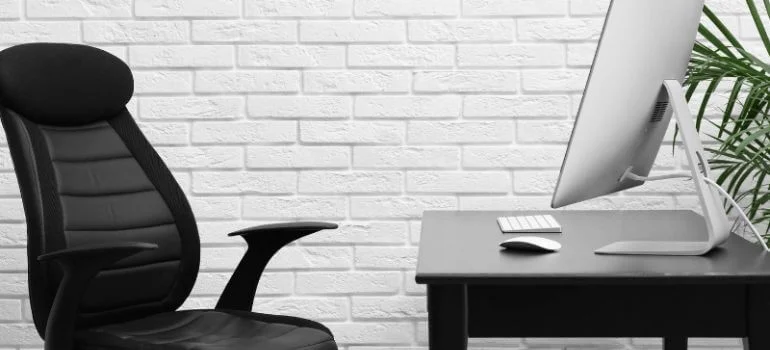
Before diving into material specifics, clarify the primary goals you have for your chair. Are you looking for maximum breathability because you work in a warm climate? Do you need a stain‑resistant surface for a pet‑friendly home? Or perhaps you’re aiming for a sleek, modern look that matches a minimalist office aesthetic.
Answering these questions helps you narrow down the vast fabric market into a manageable shortlist. Keep the following criteria in mind:
- Comfort level: How soft or firm do you prefer the seating surface?
- Climate control: Does the fabric need to keep you cool in summer and warm in winter?
- Maintenance: Will you be able to clean the fabric easily, or does it require professional care?
- Durability: How many hours per week will the chair be used?
- Style alignment: Does the texture and color fit your existing interior design?
By mapping your priorities, you’ll find that certain fabrics naturally rise to the top of your list.
Material Comparisons: Which Fabric Performs Best?
the ultimate guide to choosing the best fabric for your office chair – Material Comparisons
Below is a breakdown of the most common chair fabrics, highlighting their strengths and potential drawbacks. This side‑by‑side comparison makes it easier to see which option aligns with the needs you identified earlier.
- Leather (genuine or bonded): Offers a luxurious look, excellent durability, and ages beautifully. However, it can become hot in summer and cold in winter, and it often requires conditioning to prevent cracking.
- Mesh: Highly breathable, ideal for hot environments. Mesh conforms to the body over time, providing a customized fit. The downside is that it can sag with prolonged use, and cheaper mesh may tear.
- Polyester/nylon blends (commonly called “fabric”): Affordable, wide color range, and generally stain‑resistant. These blends may trap heat, making them less suitable for warm climates.
- Microfiber: Soft to the touch, resistant to spills, and often more breathable than traditional polyester. Microfiber can attract lint and may require regular vacuuming.
- Vinyl (PVC): Extremely easy to wipe clean and resistant to moisture, making it great for labs or workshops. It can feel plasticky and may not be as breathable as other options.
- Sustainable fabrics (e.g., recycled polyester, cork leather): Eco‑friendly, often breathable, and increasingly stylish. Availability and price can vary depending on the supplier.
Choosing the right material hinges on balancing comfort, climate, and aesthetic preferences. For example, a designer who values a sleek, modern look might lean toward high‑gloss leather, while a remote worker in a hot apartment could benefit most from a mesh seat.
Durability and Longevity: What to Look For

Office chairs endure constant pressure, movement, and occasional spills. When evaluating durability, focus on two key attributes: abrasion resistance and tensile strength. Fabrics rated with higher “denier” values (a measure of fiber thickness) generally withstand wear better.
Here are practical ways to assess durability before purchasing:
- Check the fabric rating: Look for terms like “high‑traffic” or “commercial‑grade.”
- Perform a stretch test: Gently pull the material; a high‑quality fabric will resist deformation.
- Read warranty details: Brands that offer 5‑year or longer warranties on upholstery usually have confidence in the material’s lifespan.
For a home office that sees 40+ hours of use weekly, investing in a fabric with a solid abrasion rating pays off in the long run. It reduces the need for premature replacement and maintains a polished appearance.
Maintenance Made Easy: Cleaning and Upkeep Tips
Even the most durable fabric will look dated if it isn’t cared for properly. The following maintenance routines keep your chair looking fresh without demanding a lot of time.
- Regular dusting: Use a soft lint‑free cloth or a low‑speed vacuum attachment weekly to remove surface dust.
- Spot cleaning: For spills, blot immediately with a clean, damp cloth. Avoid rubbing, as it can push stains deeper into the fibers.
- Deep cleaning: Every 3–6 months, apply a fabric‑safe cleaner according to manufacturer instructions. For leather, a dedicated leather conditioner will preserve suppleness.
- Protective covers: If you anticipate heavy use, consider a removable, washable cover that can be laundered.
Integrating these habits ensures your chair retains its comfort and visual appeal, even in a busy workspace. For more home‑office styling ideas, see our guide on productive home office design: boost focus & style.
Style and Color Coordination: Matching Your Workspace Aesthetic
The fabric you choose should enhance, not clash with, the surrounding décor. Here are three approaches to color coordination that work well in modern home offices:
- Monochrome harmony: Select a neutral tone—such as charcoal, taupe, or soft gray—that blends with minimalist interiors. Pair it with metal or wood accents for a sleek vibe.
- Accent pop: Choose a bold color like deep teal or mustard for the chair while keeping walls and furniture muted. This creates a focal point without overwhelming the room.
- Textured contrast: Combine a smooth leather seat with a rugged mesh back, adding visual interest through texture rather than color alone.
If you need inspiration for coordinating colors, our article on bedroom décor with soft neutral bedding showcases how subtle palettes can still feel sophisticated.
Budget Considerations: Getting the Best Value
Office chair fabrics span a wide price spectrum. Below is a quick guide to budgeting without sacrificing quality:
- Entry‑level ($50‑$150): Synthetic fabrics like polyester blends or basic mesh. Good for short‑term setups or renters.
- Mid‑range ($150‑$350): Higher‑grade mesh, microfiber, or bonded leather. Offers a balance of comfort, durability, and style.
- Premium ($350+): Full‑grain leather, high‑denier woven fabrics, or custom sustainable options. Ideal for long‑term investment and design statements.
When budgeting, remember to factor in long‑term maintenance costs. A cheaper fabric that stains easily may require frequent professional cleaning, eroding its initial savings.
Ergonomics Meets Fabric: How Material Affects Body Support
While the chair’s frame and lumbar mechanisms are primary ergonomic drivers, the fabric plays a subtle yet vital role. Breathable fabrics like mesh reduce heat buildup, preventing postural fatigue caused by sweating. Conversely, overly soft fabrics may compress excessively, reducing the effectiveness of lumbar support.
For optimal ergonomics, look for fabrics that:
- Provide a slight give to conform to your body.
- Recover quickly after each shift in weight.
- Allow air circulation to keep the skin cool.
Combining these fabric qualities with a chair that offers adjustable height, tilt, and armrests creates a holistic ergonomic environment.
Quick Home Office Fabric Tips
- Test a swatch in natural light before buying; artificial lighting can mislead color perception.
- Choose fabrics with a “water‑repellent” coating if you often have beverages nearby.
- Opt for dark or patterned fabrics in high‑traffic areas to hide minor wear.
Common Mistakes to Avoid When Selecting Chair Fabric
Even seasoned design enthusiasts can slip up. Here are three frequent errors and how to sidestep them:
- Prioritizing looks over function: A stunning velvet may look amazing, but it can trap heat and be difficult to clean. Balance aesthetics with practicality.
- Ignoring warranty details: Some fabrics are advertised as “premium” but come with short‑term warranties, indicating possible durability concerns.
- Failing to consider future décor changes: Choose a timeless color palette that will remain relevant if you repaint or update other furniture.
Frequently Asked Questions
What fabric is best for a hot climate?
Mesh or breathable woven fabrics are ideal because they promote airflow, keeping the sitter cool during long work sessions.
Can I use leather in a home office with pets?
Genuine leather is durable but can be scratched by claws. Opt for bonded leather with a protective coating or consider a pet‑friendly fabric like high‑denier polyester.
How often should I clean my office chair fabric?
Spot‑clean spills immediately and perform a full surface wipe‑down every 1–2 months. Deep cleaning is recommended quarterly for high‑use chairs.
Is sustainable fabric more expensive?
Eco‑friendly options can be pricier upfront, but many offer comparable durability to conventional materials, making them a cost‑effective long‑term choice.
Do fabric colors fade with sunlight?
Yes, prolonged exposure to direct sunlight can cause fading. If your office receives strong natural light, select fade‑resistant fabrics or use window treatments.
Conclusion
Choosing the perfect fabric for your office chair is a blend of science and style. By assessing comfort, climate, durability, maintenance, and aesthetic needs, you can pinpoint a material that supports your body and enhances your workspace. Remember to test swatches, respect your budget, and keep long‑term care in mind. With the right fabric, your chair will remain a comfortable, attractive, and enduring component of your home office, helping you stay focused and productive day after day.
Ready to transform your entire workspace? Explore more ideas on relaxing bedroom design and discover how cohesive décor can elevate every room in your home.