
Table of Contents
- Choosing a Calming Color Palette: The Foundation of Relaxation
- Ideas for a Relaxing and Inviting Bedroom Design: Color Strategies
- Lighting Layers: From Ambient Glow to Personal Highlights
- Implementing Lighting Ideas for a Relaxing and Inviting Bedroom Design
- Furniture Arrangement for Flow and Comfort
- Key Arrangement Tips for a Relaxing and Inviting Bedroom Design
- Layered Textures: Adding Depth Without Clutter
- Texture Ideas for a Relaxing and Inviting Bedroom Design
- Personal Touches: DIY Accents and Meaningful Details
- DIY Ideas for a Relaxing and Inviting Bedroom Design
- Quick Tips for a Relaxing and Inviting Bedroom Design
- Common Mistakes to Avoid When Designing a Relaxing Bedroom
- Frequently Asked Questions
- How can I make a small bedroom feel larger while keeping it relaxing?
- What type of bedding material promotes the best sleep?
- Is it okay to use bold colors in a relaxing bedroom?
- Should I hide all electronics in the bedroom?
- How often should I refresh my bedroom décor?
- Bringing It All Together: A Step‑by‑Step Plan
Ideas for a Relaxing and Inviting Bedroom Design
Creating a space that feels both soothing and welcoming is one of the most rewarding interior design challenges. A bedroom should be a sanctuary where the day’s stress melts away, yet it also needs enough personality to reflect the owner’s taste. Whether you are moving into a new apartment, refreshing a dated room, or simply looking for fresh inspiration, the right combination of color, lighting, furniture, and texture can transform any sleeping area into a tranquil haven.
In this guide we’ll explore a range of ideas for a relaxing and inviting bedroom design that work for small studios, master suites, and everything in between. You’ll learn how to choose a calming palette, arrange furniture for optimal flow, incorporate layered textures, and add subtle décor details that make the room feel curated rather than cluttered. By the end, you’ll have a toolbox of practical strategies you can apply immediately to make your bedroom a true retreat.
Choosing a Calming Color Palette: The Foundation of Relaxation
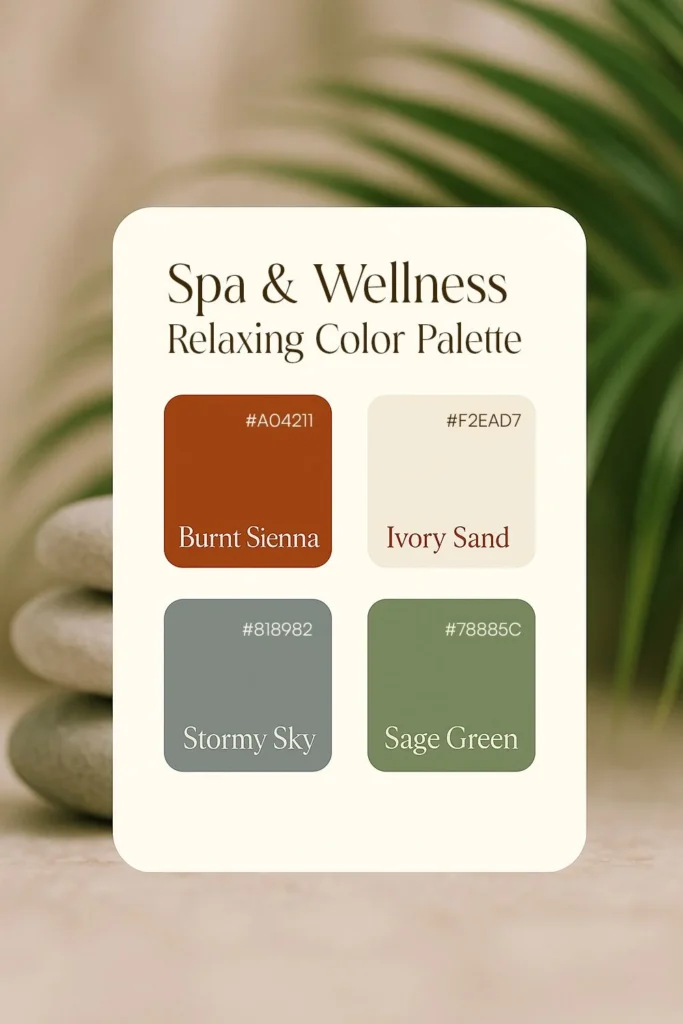
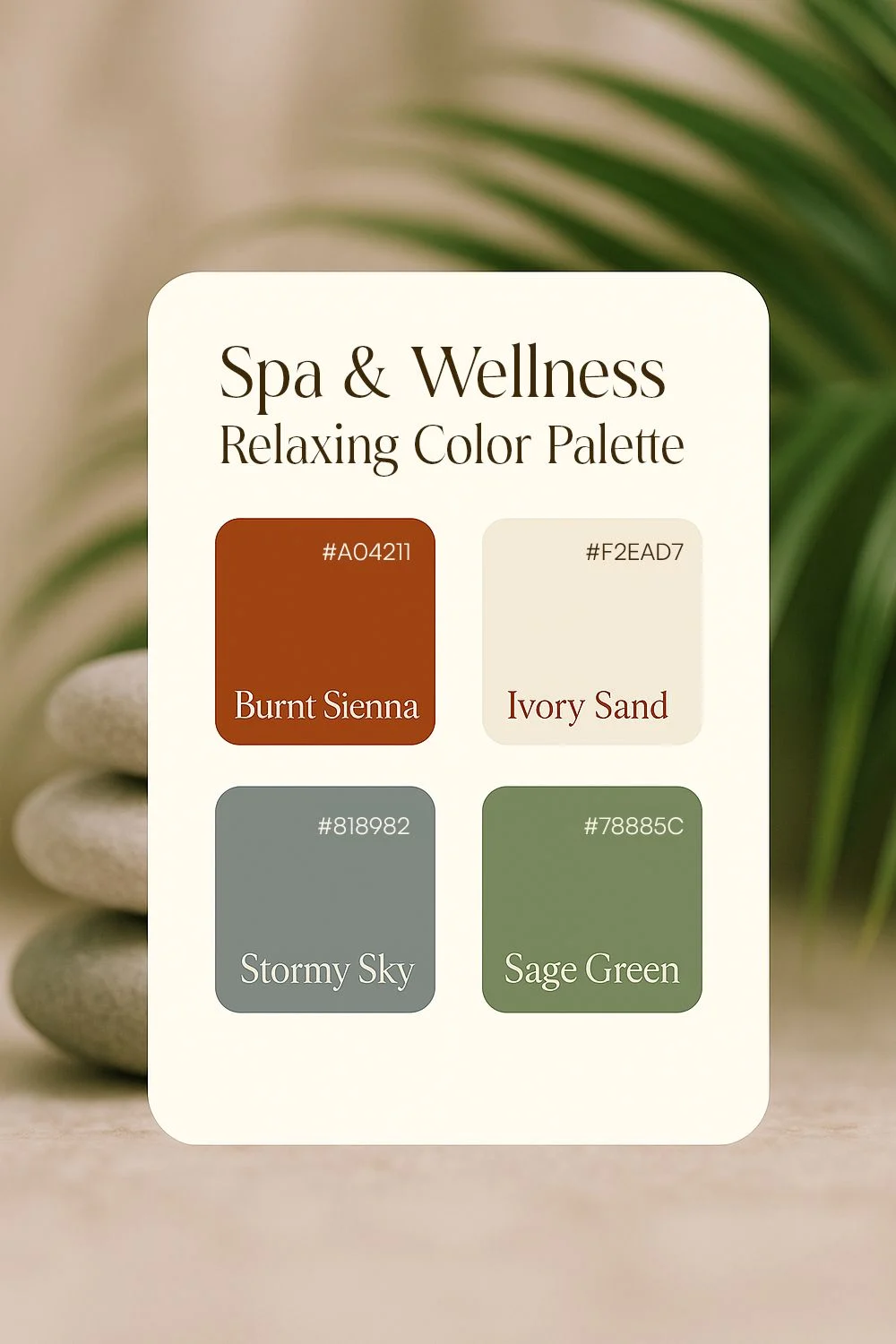
The first step in any ideas for a relaxing and inviting bedroom design is selecting the right colors. Soft, muted tones such as warm greys, gentle blues, and muted greens create a visual lull that signals the brain to unwind. When paired with natural white or cream, these hues expand the sense of space while maintaining a cozy intimacy.
Ideas for a Relaxing and Inviting Bedroom Design: Color Strategies
- Monochromatic harmony: Stick to one color family and vary the shade intensity. For example, a base of dove‑grey walls with charcoal accents and ivory bedding provides depth without visual noise.
- Analogous blends: Choose colors next to each other on the color wheel—like teal, soft aqua, and sea‑foam—to evoke a serene, water‑inspired vibe.
- Accent walls: If you love a richer hue, limit it to a single wall behind the headboard. This focal point adds drama while keeping the rest of the room soothing.
To keep the palette cohesive, bring in natural materials—linen, jute, and light wood—that echo the same muted tones. The result is an environment that feels both balanced and inviting.
Lighting Layers: From Ambient Glow to Personal Highlights
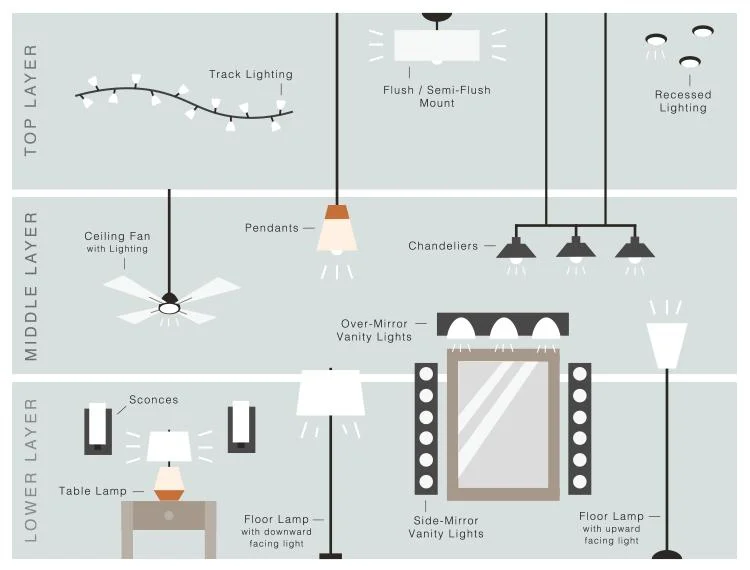
Lighting is a cornerstone of any ideas for a relaxing and inviting bedroom design. A well‑lit bedroom uses three layers: ambient, task, and accent. Ambient lighting provides overall illumination, task lighting serves functional needs like reading, and accent lighting adds mood‑setting depth.
Implementing Lighting Ideas for a Relaxing and Inviting Bedroom Design
- Warm LED fixtures: Choose bulbs with a color temperature of 2700–3000 K for a soft, golden glow that mimics sunset.
- Dimmer switches: Installing dimmers allows you to adjust brightness throughout the evening, helping your body transition toward sleep.
- Bedside sconces: Instead of harsh overhead lights, use wall‑mounted sconces or pendant lights on either side of the bed for focused reading illumination.
Don’t forget to incorporate natural light during the day. Light, sheer curtains filter sunlight gently, preserving privacy while keeping the room bright and airy.
Furniture Arrangement for Flow and Comfort
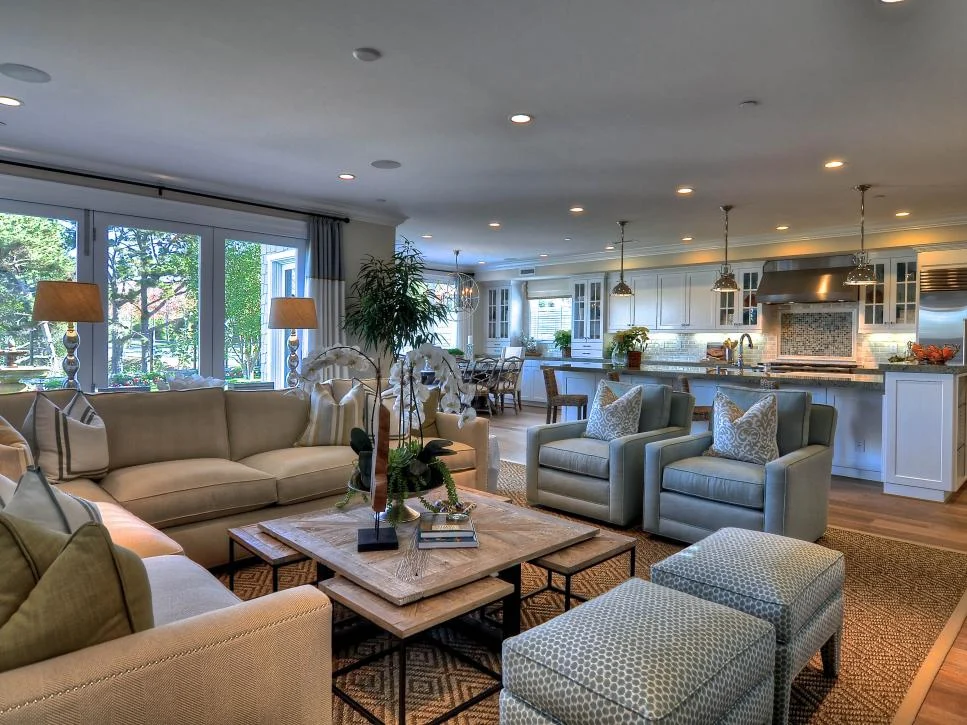
How you position furniture can dramatically affect the feel of a bedroom. For ideas for a relaxing and inviting bedroom design, aim for a layout that encourages easy movement, creates a visual anchor, and maximizes space.
Key Arrangement Tips for a Relaxing and Inviting Bedroom Design
- Center the bed: Position the bed on the wall opposite the door or in the middle of the longest wall. This creates a focal point and improves symmetry.
- Leave clearance: Ensure at least 24‑inches of walking space on either side of the bed for smooth circulation.
- Balance with nightstands: Pair matching nightstands or use asymmetrical pieces for a curated look, but keep them within arm’s reach.
- Use multifunctional pieces: In smaller rooms, a bench with storage at the foot of the bed can double as seating and a place to hide extra linens.
When dealing with limited square footage, consider floating the bed away from walls to open up the floor plan. This technique can make a modest room feel larger and more inviting.
Layered Textures: Adding Depth Without Clutter
Texture is a subtle yet powerful tool in ideas for a relaxing and inviting bedroom design. By layering fabrics, you introduce tactile interest that invites you to linger.
Texture Ideas for a Relaxing and Inviting Bedroom Design
- Soft bedding: Choose high‑thread‑count cotton or linen sheets in neutral shades. Pair them with a plush duvet and a couple of textured throw pillows.
- Rug placement: A natural fiber rug—jute, sisal, or a low‑pile wool—adds warmth underfoot and defines the sleeping area.
- Wall treatments: Consider a subtle wallpaper with a linen‑like finish or a textured paint that catches light differently throughout the day.
For a touch of personality, incorporate a handcrafted wall hanging or a woven tapestry. Not only does this add visual intrigue, but it also supports sustainable, artisanal décor.
Personal Touches: DIY Accents and Meaningful Details
Personalization turns a well‑designed bedroom into a space that truly belongs to you. Simple, budget‑friendly projects can reinforce the calming atmosphere while showcasing your style.
DIY Ideas for a Relaxing and Inviting Bedroom Design
Explore DIY décor with simple wall hangers – Transform Your Space on a Budget for creative ways to add art without heavy frames. A series of lightweight wooden hangers can display framed prints, fabric swatches, or even small potted succulents, keeping walls lively yet unobtrusive.
Another excellent resource is DIY neutral décor accessories – Simple DIY projects for a timeless look. Here you’ll find step‑by‑step guides for crafting your own neutral‑tone candle holders, woven baskets, and decorative trays—perfect for bedside tables or a low console.
Finally, consider incorporating a curated selection of soft neutral bedding to reinforce the soothing palette. The right combination of textures and tones can instantly elevate the room’s ambiance.
Quick Tips for a Relaxing and Inviting Bedroom Design
- Keep electronics to a minimum; hide chargers and devices in a dedicated basket.
- Introduce a subtle scent with a diffuser of lavender or eucalyptus for a calming aroma.
- Use blackout curtains or blinds to control light exposure and improve sleep quality.
- Replace harsh hardware with brushed brass or matte black for a softer visual impact.
- Incorporate a small indoor plant—like a snake plant—to improve air quality and add a touch of greenery.
Common Mistakes to Avoid When Designing a Relaxing Bedroom
Even the most well‑intentioned ideas for a relaxing and inviting bedroom design can fall short if certain pitfalls are ignored.
- Over‑decorating: Too many decorative objects create visual noise. Stick to a “less is more” philosophy, selecting pieces that serve both function and aesthetic.
- Ignoring scale: Oversized furniture can dominate a small room, while too‑tiny pieces feel lost. Choose items proportionate to the room’s dimensions.
- Poor lighting balance: Relying solely on overhead lighting can feel harsh. Blend ambient, task, and accent lighting for a layered effect.
- Clashing patterns: Mixing multiple bold patterns can be overwhelming. Pair a single patterned element (like a rug) with solid‑colored accessories.
- Neglecting storage: Clutter erodes calm. Incorporate under‑bed drawers, built‑in wardrobes, or decorative baskets to keep personal items out of sight.
Frequently Asked Questions
How can I make a small bedroom feel larger while keeping it relaxing?
Use light, neutral colors on walls and ceiling to reflect light. Opt for furniture with exposed legs to create visual space, and incorporate mirrors to double the sense of depth. Adding a single accent wall or a vertical stripe can draw the eye upward, enhancing the feeling of height.
What type of bedding material promotes the best sleep?
Natural fibers such as Egyptian cotton, linen, or bamboo are breathable and temperature‑regulating, helping the body maintain a comfortable temperature throughout the night. A high thread count (300–400) ensures softness without sacrificing durability.
Is it okay to use bold colors in a relaxing bedroom?
Yes, if used sparingly. A bold color can work as an accent on a single wall, a piece of artwork, or a set of pillows. The key is to balance it with plenty of neutral tones so the overall atmosphere remains calm.
Should I hide all electronics in the bedroom?
Ideally, keep screens and charging stations out of sight to reduce blue‑light exposure and visual clutter. If you need a bedside lamp with USB ports, choose a sleek model that blends into the décor, or store devices in a decorative box.
How often should I refresh my bedroom décor?
Small updates—like swapping out throw pillows, changing a rug, or rotating artwork—can keep the space feeling fresh every six months. Larger changes, such as repainting or replacing major furniture pieces, are typically done every 3–5 years, depending on wear and personal style evolution.
Bringing It All Together: A Step‑by‑Step Plan
To transform your bedroom using the ideas for a relaxing and inviting bedroom design, follow this simple roadmap:
- Define your palette: Choose two primary neutrals and one accent hue. Paint walls and select bedding accordingly.
- Map lighting: Install dimmers, add bedside sconces, and layer with a floor lamp or wall‑mounted reading light.
- Arrange furniture: Position the bed as the focal point, ensure clear pathways, and add functional nightstands.
- Layer textures: Add a rug, plush throws, and tactile wall décor to create depth.
- Personalize: Incorporate DIY accessories, meaningful artwork, and a few plants for life and color.
- Declutter: Use storage solutions to keep surfaces tidy, reinforcing the serene vibe.
Each step builds upon the previous one, gradually shaping a bedroom that feels both restful and inviting. By focusing on simplicity, balance, and thoughtful details, you’ll create a space that welcomes you after a long day and supports a restorative night’s sleep.
Ready to start? Gather your favorite neutral textiles, plan your lighting layout, and let the transformation begin. The journey to a calmer, more inviting bedroom is just a few thoughtful choices away.