

Table of Contents
- Material Matters: Understanding the Fabric Differences
- Design & Aesthetic: Matching Towels to Your Kitchen Style
- Practical Uses: When to Reach for a Dish Towel vs a Kitchen Towel
- Dish towel vs kitchen towel: Best Use Cases
- Care & Maintenance: Extending the Life of Your Textiles
- Quick Tips for a Cohesive Kitchen Textile Strategy
- Common Mistakes and How to Avoid Them
- Frequently Asked Questions
- Are dish towels and kitchen towels interchangeable?
- Which material is best for a small apartment kitchen?
- Can I use the same towel for both dishes and countertops?
- How often should I replace my kitchen towels?
- Do eco‑friendly towels sacrifice performance?
Dish Towel vs Kitchen Towel: Choosing the Right Fabric for Modern Kitchens
When it comes to keeping a kitchen both functional and stylish, the humble textile you hang on the wall can make a surprising difference. A dish towel vs kitchen towel debate may sound trivial, but the right choice influences drying efficiency, visual cohesion, and even the longevity of your cookware. Homeowners and renters alike often wonder which cloth should handle the daily rinse of plates, which one should be reserved for polishing surfaces, and how each can complement a modern décor scheme.
In this article we’ll break down the material properties, typical uses, and design considerations for both types of towels. You’ll learn how to pick the best option for your cooking habits, how to coordinate colors and patterns with the rest of your kitchen, and which small mistakes to avoid so your textiles stay fresh for years. Let’s dive in and clear up the confusion around dish towel vs kitchen towel.
Material Matters: Understanding the Fabric Differences

The first step in the dish towel vs kitchen towel conversation is the material. Dish towels are traditionally made from highly absorbent cotton or a cotton‑linen blend, designed to soak up water quickly after washing dishes. Kitchen towels, on the other hand, often incorporate a tighter weave, sometimes with synthetic fibers like polyester or microfiber, which makes them ideal for wiping countertops, handling hot pots, or polishing glassware.
Here’s a quick comparison:
- Cotton dish towels: Soft, breathable, excellent at absorbing moisture; they become heavier when wet, which helps in drying dishes efficiently.
- Linen dish towels: Slightly less absorbent than cotton but dry faster, giving a crisp, upscale look that fits a modern aesthetic.
- Microfiber kitchen towels: Highly lint‑free, perfect for streak‑free surfaces and quick clean‑ups; they can also be used for polishing stainless steel.
- Polyester blends: Durable, resistant to shrinking, and often treated to be stain‑resistant, making them a practical choice for high‑traffic kitchens.
Choosing the right fabric depends on your routine. If you wash many pots and pans by hand, a thick cotton dish towel will hold more water. If you prefer quick surface wipes, a microfiber kitchen towel will be your go‑to.
Design & Aesthetic: Matching Towels to Your Kitchen Style

Beyond functionality, towels are an easy way to inject color, pattern, and texture into a kitchen without a major renovation. When evaluating dish towel vs kitchen towel options, consider the visual hierarchy of your space.
In a sleek, minimalist kitchen, plain white linen dish towels paired with matte black microfiber kitchen towels create a sophisticated monochrome contrast. For a farmhouse vibe, you might select patterned cotton dish towels with a subtle gingham design and sturdy, earthy‑toned kitchen towels made of canvas.
Here are three styling ideas that work well with both types of towels:
- Color blocking: Choose a bold hue for dish towels (e.g., deep navy) and a neutral tone for kitchen towels (e.g., slate gray) to create visual interest while keeping each towel’s purpose clear.
- Coordinated patterns: Select a repeating motif—such as a small leaf print—on dish towels, and echo the same motif in a muted version on kitchen towels for a cohesive look.
- Texture layering: Pair a smooth cotton dish towel with a textured waffle‑weave kitchen towel; the contrast adds depth without clashing.
For more inspiration on incorporating textiles into a modern home, see our guide on DIY wall art using canvas – Creative Ideas for Every Home.
Practical Uses: When to Reach for a Dish Towel vs a Kitchen Towel
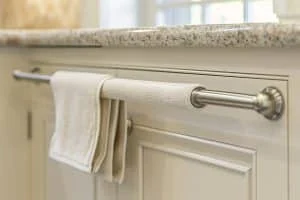
Understanding the best scenarios for each towel helps you keep your kitchen organized and efficient. Below is a practical breakdown:
Dish towel vs kitchen towel: Best Use Cases
- Dish towel: Rinsing and drying plates, bowls, and glassware; covering food while it cools; handling delicate pastries.
- Kitchen towel: Wiping down countertops, cleaning spills, handling hot pots with a cloth‑wrapped handle, polishing silverware.
Many households keep a small stack of each type near the sink. A rule of thumb: if the task involves water absorption, reach for the dish towel; if it involves quick surface contact or heat resistance, grab the kitchen towel.
Care & Maintenance: Extending the Life of Your Textiles
Proper care ensures that your dish towel vs kitchen towel collection stays fresh, absorbent, and free from odors. Follow these guidelines:
- Separate washes: Wash dish towels separately from kitchen towels to avoid cross‑contamination of lint and food particles.
- Temperature: Use hot water (at least 60°C/140°F) for cotton dish towels to kill bacteria; microfiber kitchen towels prefer warm water to maintain their structure.
- No fabric softener: Softener coats fibers and reduces absorbency—skip it for both types.
- Air dry when possible: Hanging towels in a well‑ventilated area prevents mildew and keeps them ready for the next use.
Regularly rotating your towels also helps. If a dish towel becomes overly stiff, replace it before it starts to shed fibers onto dishes.
Quick Tips for a Cohesive Kitchen Textile Strategy
Here are five actionable ideas you can implement today:
- Choose a color palette (e.g., navy, ivory, sage) and stick to it for both dish and kitchen towels.
- Invest in a small decorative basket near the sink to store clean towels, keeping the countertop tidy.
- Use patterned dish towels as occasional decorative accents—fold them on open shelves for a pop of color.
- Replace kitchen towels every 6‑12 months if they show signs of fraying or loss of lint‑free performance.
- Match towel hooks or rings to other hardware in the kitchen (brass, matte black) for a unified look.
Common Mistakes and How to Avoid Them
Even the most design‑savvy homeowners can slip up. Below are frequent errors when handling the dish towel vs kitchen towel distinction, plus quick fixes.
- Using dish towels for high‑heat tasks: Cotton can scorch; always opt for a kitchen towel with heat‑resistant fibers for handling hot pans.
- Neglecting lint control: Microfiber kitchen towels shed less lint, but if you use cotton for polishing glass, you may leave streaks. Keep a dedicated lint‑free towel for glass work.
- Overloading the sink area with too many towels: It creates visual clutter. Limit visible towels to 2‑3 pieces and store extras in a nearby cabinet.
- Mixing colors that clash with cabinetry: Choose tones that complement, not compete with, your cabinets and backsplashes.
Frequently Asked Questions
Are dish towels and kitchen towels interchangeable?
While they can overlap in some tasks, dish towels excel at absorbing water, whereas kitchen towels are better for quick wipes, heat resistance, and lint‑free polishing. Using each for its intended purpose extends their lifespan and improves kitchen hygiene.
Which material is best for a small apartment kitchen?
Microfiber kitchen towels are ideal for limited spaces because they dry quickly and take up less storage room. Pair them with a compact set of cotton dish towels that can be folded neatly in a drawer.
Can I use the same towel for both dishes and countertops?
It’s possible, but not recommended. Countertop cleaning often involves chemicals that can degrade the absorbency of dish towels over time. Keeping separate sets maintains optimal performance for each task.
How often should I replace my kitchen towels?
Depending on usage, replace kitchen towels every 12‑18 months, or sooner if they develop holes, lose lint‑free qualities, or retain odors despite washing.
Do eco‑friendly towels sacrifice performance?
Organic cotton and linen dish towels perform comparably to conventional cotton, while recycled polyester kitchen towels can match microfiber efficiency. Choose certified eco‑friendly options for sustainability without losing functionality.
By understanding the subtle yet important distinctions between dish towel vs kitchen towel, you can make more informed decisions that enhance both the practicality and aesthetic of your kitchen. Whether you favor crisp linen, vibrant cotton prints, or high‑tech microfiber, the right textile choices contribute to a streamlined, beautiful cooking space.
Ready to explore more design ideas? Check out our Living Room Décor Trends: Fresh Ideas for Modern Homes for inspiration on extending a cohesive style throughout your home.
With thoughtful selection, proper care, and a touch of personal style, your towels will do more than dry dishes—they’ll become a subtle statement of modern home décor.