

Table of Contents
- How to Decorate Plain T Shirts at Home: Essential Supplies and Setup
- Gathering the Right Materials
- Step‑by‑Step Techniques for Decorating Plain T Shirts at Home
- 1. Stenciling for Clean, Graphic Looks
- 2. Tie‑Dye for Vibrant, Retro Vibes
- 3. Iron‑On Transfers for Photo‑Realistic Designs
- 4. Hand‑Painting for Artistic Freedom
- Choosing Designs That Complement Your Home Décor Style
- Matching Color Palettes
- Pattern Echoes
- Seasonal Themes
- Quick Tips for Successful DIY T‑Shirt Projects
- Common Mistakes and How to Avoid Them
- Skipping the Pre‑Wash
- Over‑Saturating with Paint
- Neglecting Heat‑Setting
- Frequently Asked Questions
- Bringing Your DIY Creations Into Everyday Life
[CONTENT]
Plain t shirts are a canvas waiting for a personal touch, yet many people overlook the power of a simple garment to express style, humor, or a favorite memory. Transforming a basic tee into a statement piece can be both rewarding and budget‑friendly, especially when you have the right tools and a clear plan. In today’s home‑decor‑focused world, the same principles that guide living‑room makeovers—balance, color harmony, and thoughtful detail—apply perfectly to fabric projects. Whether you’re a renter who wants to avoid permanent changes, a parent looking for a fun activity with kids, or a design enthusiast seeking a custom accent for your space, learning how to decorate plain t shirts at home opens a new avenue for personal expression.
This article walks you through the entire process, from gathering supplies to mastering techniques like stenciling, tie‑dye, and iron‑on transfers. You’ll also find quick tips, common pitfalls to avoid, and answers to the most frequently asked questions. By the end, you’ll have a solid toolbox of ideas that can be adapted to any aesthetic—whether you prefer minimalist monochrome or bold, eclectic patterns.
How to Decorate Plain T Shirts at Home: Essential Supplies and Setup

Before you dive into the creative phase, it’s important to set up a functional workspace. A clean, well‑ventilated area protects both your clothing and your health, especially when working with dyes or sprays. Here’s a concise checklist of what you’ll need:
Gathering the Right Materials
- Plain cotton or cotton‑blend t shirts – pre‑washed to remove sizing.
- Fabric paints, markers, or spray inks – choose water‑based for easy cleanup.
- Stencils, rubber stamps, or freehand brushes – depending on your design comfort.
- Iron‑on transfer paper – for photographic or intricate graphics.
- Protective gear – gloves, apron, and a mask for spray applications.
- Heat source – a household iron or a heat press for setting designs.
Having these items on hand ensures a smooth workflow, reducing interruptions that can break your creative momentum. For inspiration on how colors interact in a room, you might also explore our article on Antique White vs White: Choosing the Perfect Shade for Modern Homes, which highlights subtle tonal relationships that work beautifully on fabric as well.
Step‑by‑Step Techniques for Decorating Plain T Shirts at Home
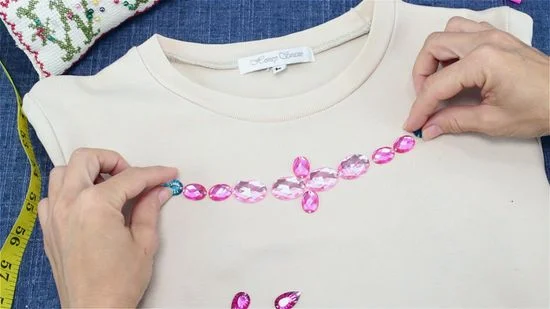
There isn’t a one‑size‑fits‑all method for how to decorate plain t shirts at home; the best technique depends on the effect you want and the tools you feel most comfortable using. Below are four popular approaches, each broken down into manageable steps.
1. Stenciling for Clean, Graphic Looks
Stenciling offers crisp lines and repeatable patterns, making it ideal for modern home‑style graphics.
- Secure your t shirt on a flat surface with pins or a temporary adhesive spray.
- Place the stencil over the desired area and tape the edges to prevent movement.
- Apply fabric paint with a sponge or brush, tapping rather than brushing to avoid seepage.
- Lift the stencil carefully while the paint is still wet, then let the shirt dry flat for 24 hours.
- Heat‑set the paint with an iron (no steam) for 3–5 minutes on the reverse side.
2. Tie‑Dye for Vibrant, Retro Vibes
Tie‑dye brings a splash of color that can echo the bold hues found in many contemporary interiors.
- Mix dye according to the manufacturer’s instructions, using hot water for deeper saturation.
- Twist, fold, or scrunch the shirt to create your desired pattern.
- Secure the folds with rubber bands, then immerse the shirt in the dye bath.
- After the recommended soaking time, rinse thoroughly until water runs clear.
- Wash separately in cold water, then tumble dry low.
3. Iron‑On Transfers for Photo‑Realistic Designs
If you prefer a detailed image—perhaps a family portrait or a favorite artwork—iron‑on transfers are the way to go.
- Print your image on transfer paper using an inkjet printer, mirroring the image.
- Cut out the design, leaving a small margin around the edges.
- Place the transfer face‑down on the shirt and cover with a thin cloth.
- Iron over the area with firm pressure for 30–45 seconds, following the paper’s instructions.
- Allow the transfer to cool, then gently peel away the backing paper.
4. Hand‑Painting for Artistic Freedom
For those who enjoy freehand drawing, fabric markers or brushes let you create truly one‑of‑a‑kind pieces.
- Sketch a light outline with a pencil or chalk.
- Layer colors, starting with the lightest shades and moving to darker tones.
- Blend edges while the paint is still wet for a smooth gradient.
- Let the artwork dry completely, then heat‑set as recommended by the paint brand.
Choosing Designs That Complement Your Home Décor Style

When you know how to decorate plain t shirts at home, the next step is to align the designs with the aesthetic of your living spaces. A t shirt can act as an accessory that reinforces color schemes or thematic motifs found in your bedroom, living room, or even outdoor patio.
Matching Color Palettes
Identify the dominant hues in your home—perhaps the soft blues of a coastal bedroom or the warm terracotta of a Mediterranean kitchen. Use fabric paints that echo these colors to create a cohesive visual narrative. For example, a pastel teal tee can harmonize beautifully with a minimal living room décor with white walls, adding a subtle pop without overwhelming the space.
Pattern Echoes
If your interior features geometric tiles or a chevron rug, consider translating those shapes onto a t shirt. Stenciling a repeating hexagon pattern can mirror a kitchen backsplash, creating a playful link between fashion and décor. This approach not only personalizes the garment but also reinforces the design language throughout your home.
Seasonal Themes
Seasonal décor trends—like autumnal foliage or summer botanicals—can be reflected on apparel for a coordinated look. A shirt decorated with muted amber leaves pairs nicely with a living room styled with rustic wood accents, enhancing the warm, inviting atmosphere.
Quick Tips for Successful DIY T‑Shirt Projects
- Test fabric paint on a scrap piece of fabric before applying it to the shirt.
- Use a light‑weight cotton tee for the most vibrant color absorption.
- Allow each layer of paint to dry completely before adding another to prevent bleeding.
- When using spray inks, work outdoors or in a well‑ventilated area to avoid inhalation hazards.
- Store finished shirts flat or on a hanger to keep designs from creasing.
Common Mistakes and How to Avoid Them
Even experienced crafters stumble on a few pitfalls when learning how to decorate plain t shirts at home. Recognizing these errors early saves time and material.
Skipping the Pre‑Wash
Skipping a quick wash can leave residues that prevent paint from adhering properly. Always wash and dry the shirt before starting any decoration.
Over‑Saturating with Paint
Applying too much paint leads to stiff fabric and color bleed. Use thin, even coats and build intensity gradually.
Neglecting Heat‑Setting
Failing to heat‑set the design reduces durability. Even if the paint claims “no‑heat set,” a brief iron on the reverse side extends the life of your artwork.
Frequently Asked Questions
Can I use acrylic paint on t shirts?
Acrylic paint can work, but it’s not formulated for fabric flexibility. If you choose acrylic, mix it with a fabric medium to retain softness and prevent cracking after washing.
How long does a decorated t shirt stay vibrant?
When properly heat‑set and washed inside‑out in cold water, most designs retain their color for 15‑20 washes before noticeable fading may occur.
Is it safe to use spray paint on fabric?
Only use spray inks specifically labeled for fabric. Regular spray paint can be toxic and won’t bond with fibers, leading to flaking.
Do I need a heat press for iron‑on transfers?
A household iron works well for most transfers, but a heat press offers more even pressure and temperature control, which can improve durability for larger projects.
Can I decorate a dark-colored t shirt?
Yes, but you’ll need fabric paints or inks designed for dark fabrics, often labeled “opaque” or “metallic.” Light colors may require a base coat of white paint.
Bringing Your DIY Creations Into Everyday Life
Now that you’ve mastered how to decorate plain t shirts at home, consider how these personalized pieces can enhance your daily routine. A custom tee can become a conversation starter at a casual gathering, a unique gift for friends, or even a matching element in a themed dinner party where guests wear coordinated apparel that reflects the décor.
For more ideas on integrating personal style with interior design, explore our guide on Calm Balcony Relaxation Inspiration: Transform Your Outdoor Escape. The synergy between what you wear and the spaces you inhabit creates a cohesive aesthetic that feels both intentional and comfortable.
Remember, the beauty of DIY is that each project evolves with practice. Don’t be afraid to experiment with new techniques, blend different methods, or repurpose leftover materials. Your plain t shirts are waiting to become the next highlight of your modern home décor collection.