

Table of Contents
- 2cm vs 3cm Quartz Price: Understanding the Basics
- Why the 2cm vs 3cm Quartz Price Gap Exists
- Cost Breakdown: Material, Fabrication, and Installation
- Design Impact: When to Choose 2cm and When 3cm
- Budgeting Strategies: Getting the Best Value from 2cm vs 3cm Quartz
- Choosing the Right Supplier and Quality Checks
- Quick Tips for Smart Quartz Selections
- Common Mistakes to Avoid When Deciding on Thickness
- Frequently Asked Questions
- Putting It All Together: Making the Right Choice for Your Home
2cm vs 3cm Quartz Price – A Complete Home‑Styling Guide
When you start planning a countertop upgrade, the first question that usually surfaces is, “How much will quartz cost?” The answer is never one‑size‑fits‑all because quartz comes in different thicknesses, each carrying its own price tag. In particular, the comparison between 2cm and 3cm quartz price has become a hot topic among homeowners, designers, and contractors alike.
Understanding the cost differences helps you avoid surprises, stay within budget, and choose the thickness that best suits your design vision. This article walks you through every angle of the 2cm vs 3cm quartz price debate— from raw material costs to installation nuances, design implications, and smart budgeting strategies. By the end, you’ll be equipped to make an informed decision that aligns with both style aspirations and financial realities.
2cm vs 3cm Quartz Price: Understanding the Basics

Quartz is engineered from natural stone fragments mixed with resins and pigments. The final slab’s thickness directly influences its strength, weight, and ultimately, its price. A 2cm slab is thinner, lighter, and generally cheaper to produce and transport. Conversely, a 3cm slab adds an extra centimeter of material, which translates into higher raw material costs, more resin, and increased shipping weight.
While the raw material difference might seem minimal, the 2cm vs 3cm quartz price gap can range from 10% to 30% depending on brand, color, and finish. High‑end brands with intricate veining or exotic pigments may amplify the price disparity, whereas basic white quartz often shows a narrower gap.
Why the 2cm vs 3cm Quartz Price Gap Exists
- Material Volume: A 3cm slab contains roughly 50% more quartz aggregate and resin than a 2cm slab of the same surface area.
- Manufacturing Process: Thicker slabs require longer curing times and more robust molds, adding labor costs.
- Shipping and Handling: The extra weight increases freight charges and may require specialized equipment for transport.
- Installation Complexity: Heavier slabs often demand stronger support structures and more skilled installers, which can raise labor fees.
These factors collectively shape the final quote you receive from a fabricator. When you hear a contractor say, “The 3cm quartz is more expensive,” they are accounting for all these hidden components.
Cost Breakdown: Material, Fabrication, and Installation
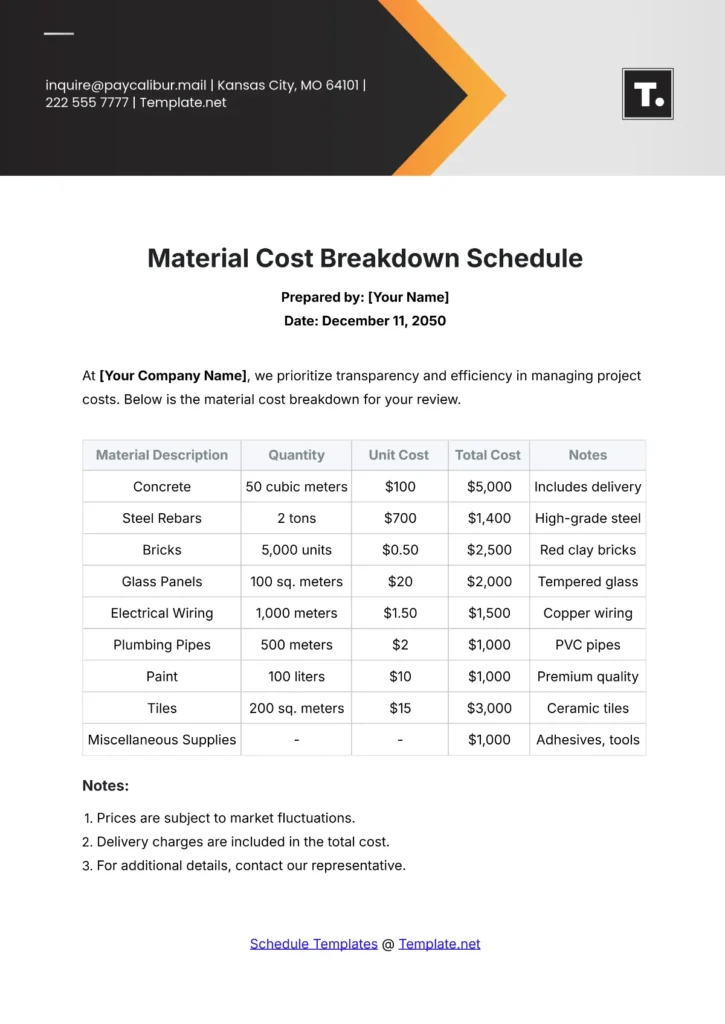
To truly grasp the 2cm vs 3cm quartz price, it helps to separate the total cost into three main categories: material, fabrication, and installation. Each segment contributes a distinct percentage to the overall budget.
Material Cost (45‑55%): This covers the raw quartz slab, pigments, and the resin binder. Premium brands can push this portion toward the higher end of the range, especially for 3cm slabs where more material is needed.
Fabrication Cost (30‑35%): Fabricators cut, polish, and finish the slab to your exact dimensions. Thicker slabs may require additional polishing time to achieve a uniform shine, slightly increasing this cost.
Installation Cost (15‑20%): Installation includes labor, support brackets, adhesives, and any necessary reinforcement. Because 3cm quartz is heavier, installers often need extra reinforcement—such as additional cabinets or steel brackets—driving up this segment.
For a typical kitchen countertop of 12 square meters, a 2cm slab might land in the $1,200‑$2,000 range (material + fabrication), while the same size in 3cm could climb to $1,500‑$2,800. Adding installation, the total project cost may vary from $1,800 to $3,500, illustrating how the 2cm vs 3cm quartz price influences the whole remodel.
Design Impact: When to Choose 2cm and When 3cm

Beyond price, the visual and functional impact of slab thickness matters. In modern kitchens, the trend leans toward a sleek, seamless look, often achieved with thinner slabs. However, certain design scenarios favor the added robustness of a 3cm slab.
2cm Quartz Ideal Situations:
- Open‑concept kitchens where a floating countertop creates a light, airy feel.
- Bathrooms with limited cabinet depth; thinner slabs reduce the need for deeper cabinets.
- Projects with tight budgets where the aesthetic goal is still high‑quality quartz.
3cm Quartz Ideal Situations:
- Large islands or overhangs that require extra strength without additional support.
- Commercial spaces or high‑traffic kitchens where durability is paramount.
- Designs that emphasize a substantial, “solid” presence, such as stone‑inspired contemporary interiors.
For example, a coastal‑inspired kitchen that features a wide island may benefit from 3cm quartz to avoid sagging, whereas a compact urban bathroom can comfortably use 2cm quartz without compromising stability.
Budgeting Strategies: Getting the Best Value from 2cm vs 3cm Quartz
Even with the price gap, you can stretch your budget further by applying a few smart tactics. Here are practical ways to balance cost and quality:
- Shop Seasonal Promotions: Many suppliers offer discounts during slower months (often late winter). This can shave 5‑10% off the 2cm vs 3cm quartz price differential.
- Consider Hybrid Thicknesses: Some manufacturers provide a 2.5cm option that offers a middle ground in both price and strength.
- Bulk Ordering: If you’re renovating multiple rooms (kitchen, bathroom, laundry), ordering slabs in bulk can reduce per‑square‑meter pricing.
- Local Fabricators: Choosing a nearby fabricator reduces shipping costs, which can be a noticeable portion of the total expense for heavier 3cm slabs.
- DIY Edge Finishing: If you have some handy skills, finishing simple straight edges yourself can lower fabrication fees (though complex profiles should remain with professionals).
By applying these tips, you can often bring the final cost of a 3cm quartz countertop closer to that of a 2cm option, while still enjoying the added durability.
Choosing the Right Supplier and Quality Checks
Not all quartz is created equal, and the reputation of your supplier can affect both price and long‑term performance. Here’s what to look for when evaluating a vendor for 2cm vs 3cm quartz price considerations:
- Certification and Warranty: Reputable brands provide a minimum 10‑year warranty covering stains, cracks, and color fade. This warranty often justifies a higher price.
- Sample Inspection: Request a full‑size sample of the exact thickness you plan to install. This helps verify color consistency and edge finish.
- Manufacturing Origin: Quartz produced in regions with strict quality control (e.g., Italy, Spain, the United States) may command a premium but offers reliable performance.
- Installation Partnerships: Some suppliers have vetted installer networks, ensuring that the 2cm vs 3cm quartz price you’re quoted includes qualified labor.
When you feel confident in the supplier’s quality, the price differential becomes a strategic decision rather than a gamble.
Quick Tips for Smart Quartz Selections
- Measure accurately—oversized slabs lead to waste and extra cost.
- Opt for neutral colors if you plan to change hardware later; they tend to retain resale value.
- Use edge profiles (e.g., eased, bullnose) that complement the slab thickness; thicker slabs pair well with bold edges.
- Check your cabinet’s load capacity before committing to 3cm quartz; reinforce if needed.
- For inspiration on how lighting can enhance quartz surfaces, explore Natural Light Home Styling Ideas.
Common Mistakes to Avoid When Deciding on Thickness
Even seasoned remodelers can slip up. Here are pitfalls you should steer clear of:
- Assuming Thicker Is Always Better: While 3cm offers strength, it isn’t necessary for most residential kitchens and may waste budget.
- Ignoring Cabinet Strength: Installing 3cm quartz on weak cabinets can lead to sagging or failure.
- Overlooking Seam Placement: Poor seam planning can create visible lines that detract from the sleek look, regardless of thickness.
- Choosing Based Solely on Price: A cheaper 2cm slab of low quality may end up costing more in repairs.
- Forgetting Maintenance: Both 2cm and 3cm quartz need proper sealing; neglect can cause stains that diminish the surface’s appeal.
Frequently Asked Questions
Is 2cm quartz strong enough for kitchen islands?
Yes, if the island has adequate support. Reinforced cabinets or a steel frame can compensate for the thinner profile, making 2cm quartz a viable, cost‑effective option.
Can I use 2cm quartz for bathroom vanity tops?
Absolutely. Bathrooms typically have lighter loads, and 2cm quartz provides a sleek, low‑profile look while staying within most budget constraints.
Does the extra thickness affect heat resistance?
Both 2cm and 3cm quartz have similar heat resistance properties. However, avoid placing hot pans directly on the surface; use trivets to protect the resin.
How do I calculate the exact cost difference?
Multiply the square meter price of each thickness by your total surface area, then add fabrication and installation fees. Many suppliers provide a detailed quote that breaks down these elements.
Are there eco‑friendly quartz options?
Yes, several manufacturers incorporate recycled glass or use low‑VOC resins. These greener choices may have a slightly higher price but align with sustainable design goals.
Putting It All Together: Making the Right Choice for Your Home
The decision between 2cm vs 3cm quartz price isn’t merely about dollars and cents; it’s about matching the material’s performance to your specific design needs. If you prioritize a floating aesthetic, lighter weight, and tighter budgets, 2cm quartz often delivers. If you need extra strength for large spans, overhangs, or high‑traffic areas, the modest premium of 3cm quartz can be a worthwhile investment.
Remember to evaluate the full cost picture—including material, fabrication, and installation—and to verify supplier quality. By doing so, you ensure that the slab you select not only fits your budget but also enhances the longevity and visual appeal of your space.
For more design inspiration, check out our guide on Small Living Room Furniture Arrangement Ideas or explore how woven décor baskets can transform your entryway. These resources can help you create a cohesive look that ties your new quartz countertops into the overall home styling narrative.
Whether you opt for the sleek elegance of 2cm or the robust presence of 3cm, the right quartz choice will elevate your home’s aesthetic and functional value for years to come.