

Table of Contents
- Why Do Dogs Scratch at Carpet? The Instinctual Roots
- Why Do Dogs Scratch at Carpet When They’re Anxious?
- Medical Reasons Behind Carpet Scratching
- Choosing Pet‑Friendly Flooring for Modern Homes
- Design Strategies to Manage Scratching in High‑Traffic Areas
- Training Techniques to Redirect the Behavior
- Quick Home Décor Tips for Pet‑Friendly Spaces
- Common Mistakes Homeowners Make When Dealing with Scratching
- Frequently Asked Questions
Why Do Dogs Scratch at Carpet? Understanding the Behavior and Protecting Your Home
Every dog owner has witnessed the puzzling scene of a canine energetically pawing at a carpet, leaving behind a trail of fur, dirt, and sometimes even a shredded rug. While it may seem like a harmless quirk, this behavior can have deeper roots that affect both your pet’s wellbeing and the aesthetic of your living space. Understanding why do dogs scratch at carpet helps you address the cause, prevent damage, and maintain a harmonious home environment.
In this comprehensive guide, we’ll explore the instinctual, medical, and environmental reasons behind this habit. You’ll learn practical strategies to redirect the scratching, choose pet‑friendly flooring, and integrate solutions that complement modern home décor. Whether you’re decorating a living room, a bedroom, or a cozy apartment, the insights here will keep your floors looking fresh while ensuring your furry friend feels satisfied.
Let’s dive into the science, the design considerations, and the actionable steps that turn a frustrating habit into an opportunity for smarter, pet‑aware interior design.
Why Do Dogs Scratch at Carpet? The Instinctual Roots

Dogs are descendants of wolves, and many of their behaviors trace back to ancient survival instincts. Scratching at carpet mimics the way wild canids dig or rake the ground to create a comfortable resting spot. This natural urge serves several purposes:
- Nesting: Dogs rearrange the surface to make a softer, more insulated area for sleeping.
- Marking Territory: The act releases scent glands in their paws, leaving a subtle olfactory marker.
- Temperature Regulation: By digging into the carpet, they can expose cooler layers beneath during hot weather, or uncover warmer padding when it’s cold.
Recognizing that these impulses are hard‑wired helps you approach the problem with empathy. Rather than scolding, consider providing alternative outlets that satisfy the same instinct.
Why Do Dogs Scratch at Carpet When They’re Anxious?
Stress and anxiety can amplify the scratching behavior. Dogs experiencing separation anxiety, changes in routine, or unfamiliar noises may turn to carpet scratching as a coping mechanism. The repetitive motion releases endorphins, offering temporary relief. If you notice your pet scratching more frequently after a move or during thunderstorms, it’s likely a sign of heightened stress. Offering a designated “scratch pad” or a calming space can redirect the energy and reduce anxiety‑related damage.
Medical Reasons Behind Carpet Scratching
While instinct plays a big role, medical issues can also trigger excessive pawing. Common conditions include:
- Allergies: Irritations from pollen, dust mites, or flea bites may cause itching that leads to scratching.
- Skin Infections: Bacterial or fungal infections create discomfort, prompting the dog to rub against surfaces.
- Arthritis or Joint Pain: Some dogs use the carpet’s texture to massage sore joints.
If your dog’s scratching is accompanied by redness, hair loss, or limping, a veterinary check‑up is advisable. Addressing the underlying health issue not only protects your carpet but also improves your pet’s quality of life.
Choosing Pet‑Friendly Flooring for Modern Homes
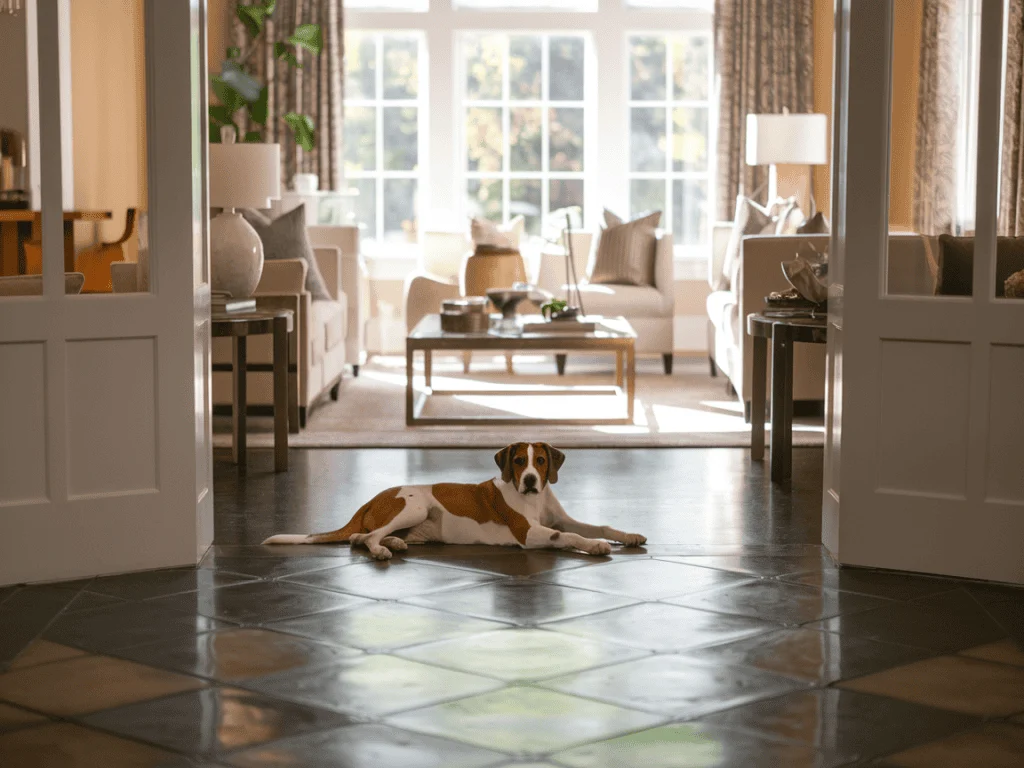
When renovating or redecorating, selecting flooring that balances style with durability is key. Many homeowners opt for hardwood or sleek tile, which can be vulnerable to claw marks and moisture. However, there are modern options that marry aesthetic appeal with pet resilience:
- Luxury Vinyl Plank (LVP): Mimics wood grain, resists scratches, and is easy to clean.
- Engineered Wood with a High‑Grade Finish: Offers the warmth of hardwood while providing a tougher surface.
- Low‑Pile Carpet: Tight weave reduces snagging, and many brands now feature stain‑resistant treatments.
For a deeper dive into flooring choices, see our comparison of lifeproof vs coretec: Choosing the Best Flooring for Modern Homes. Choosing the right material reduces the frequency of scratching and keeps your interior design on point.
Design Strategies to Manage Scratching in High‑Traffic Areas
Even with pet‑friendly flooring, strategic design can protect vulnerable spots. Here are some ideas:
- Area Rugs with Non‑Slip Backing: Place them over high‑traffic carpet zones. The texture gives your dog a place to scratch without damaging the underlying floor.
- Furniture Arrangement: Position sofas or chairs to create natural barriers, guiding your dog toward designated scratching zones.
- Dedicated Scratch Mats: Use rubber or sisal mats near their favorite resting places. These can be stylishly hidden in a living room corner.
Integrating these elements maintains the visual flow of your interior while giving your dog a purpose‑built outlet.
Training Techniques to Redirect the Behavior
Positive reinforcement works wonders when teaching dogs new habits. Follow these steps to curb carpet scratching:
- Introduce an Alternative Surface: Place a sturdy mat near the carpet. When your dog attempts to scratch, gently guide them onto the mat and reward with treats.
- Use Commands: Teach “Leave it” or “No scratch” and pair with a clicker for consistency.
- Increase Physical Exercise: A tired dog is less likely to engage in compulsive behaviors. Daily walks and play sessions reduce excess energy.
Consistency is crucial. Celebrate small victories and keep training sessions short (5‑10 minutes) to maintain your dog’s interest.
Quick Home Décor Tips for Pet‑Friendly Spaces
- Choose low‑maintenance fabrics for cushions—think microfiber or performance blends.
- Incorporate washable slipcovers that can be tossed in the dryer.
- Use decorative baskets to store toys, keeping clutter (and potential scratching triggers) out of sight.
- Consider a Balcony Décor with Cozy Seat Cushions to give your dog a quiet outdoor retreat, reducing indoor scratching urges.
Common Mistakes Homeowners Make When Dealing with Scratching
Addressing why do dogs scratch at carpet can be frustrating, especially when well‑meaning solutions backfire. Here are pitfalls to avoid:
- Using Harsh Punishment: Yelling or physical correction can increase anxiety, worsening the behavior.
- Ignoring Underlying Health Issues: Without a vet check, you may miss a treatable condition.
- Choosing Aesthetic Over Function: Prioritizing style without considering durability leads to costly replacements.
- Neglecting Mental Stimulation: A bored dog will find ways to entertain itself, often by scratching.
By sidestepping these errors, you’ll create a balanced environment that respects both design goals and your dog’s needs.
Frequently Asked Questions
Can scratching be a sign of boredom?
Yes. Dogs that lack mental and physical outlets may resort to carpet scratching as a self‑stimulating activity. Providing puzzle toys and regular exercise helps reduce this behavior.
Is it safe to use a carpet cleaner on pet‑damaged areas?
Most carpet cleaners are pet‑safe, but always check the label for chemicals that could irritate a dog’s skin or respiratory system. Test a small hidden area first.
Do certain breeds scratch more than others?
Breeds with high energy levels, like Border Collies or Jack Russell Terriers, tend to scratch more frequently due to their innate drive to explore and dig.
How can I protect my carpet while still keeping a cozy look?
Layer low‑pile, stain‑resistant rugs over your carpet. Choose neutral tones that blend with your décor, and use a rug pad to prevent slipping.
Should I consider removing carpet entirely?
If scratching is persistent and damaging, transitioning to a more durable flooring like LVP or tile may be worthwhile. Pair this with designated scratching mats to satisfy your dog’s instinct.
Will training completely stop the behavior?
Training can significantly reduce unwanted scratching, especially when combined with health checks and appropriate flooring. Total elimination may not be realistic due to instinctual drives.
For additional inspiration on blending pet‑friendly design with modern aesthetics, explore our Modern Neutral Apartment Styling – A Complete Guide. It offers creative solutions that keep both style and functionality at the forefront.
Understanding why do dogs scratch at carpet opens the door to a more harmonious home. By addressing instinctual needs, health concerns, and design considerations, you can protect your floors, preserve your décor, and keep your canine companion happy. Implement the strategies outlined above, stay observant of your dog’s cues, and enjoy a beautifully styled space that welcomes every member of the family.
[ CATEGORY ]: Living Room