
Table of Contents
- what is underneath carpet: The Basic Layer Cake
- what is underneath carpet – Subfloor Foundations
- Why Padding Matters: The Cushion Between Carpet and Subfloor
- Hidden Utilities: Wiring, Plumbing, and More
- Choosing the Right Carpet for Your Subfloor Type
- Maintenance Tips: Keeping the Layers Healthy
- Quick Home Décor Tips
- Common Mistakes When Dealing with What Is Underneath Carpet
- Frequently Asked Questions
- What is underneath carpet in a basement?
- Can I install carpet over existing hardwood floors?
- How do I know if my padding needs replacement?
- Is carpet a good option for pet owners?
- What tools are needed to inspect what is underneath carpet?
- Can I reuse the padding when I replace carpet?
What Is Underneath Carpet? A Complete Guide for Modern Home Décor
When you step onto a plush carpet, the feeling of softness can make you forget that there’s an entire structure hidden beneath. Knowing what is underneath carpet isn’t just a curiosity; it’s essential for maintaining comfort, prolonging the life of your flooring, and preventing costly repairs. Whether you’re a homeowner planning a renovation, a renter curious about the layers underfoot, or an interior‑design enthusiast seeking the perfect foundation for a new look, this guide will reveal the hidden world below your carpet.
Understanding the layers beneath the surface helps you make smarter decisions about padding, subfloor materials, moisture barriers, and even insulation. It also influences how you style a room, choose furniture, and address everyday challenges like stains or pet traffic. In the sections that follow, we’ll break down each component, share practical tips, and answer the most common questions about what lies under your carpet.
what is underneath carpet: The Basic Layer Cake
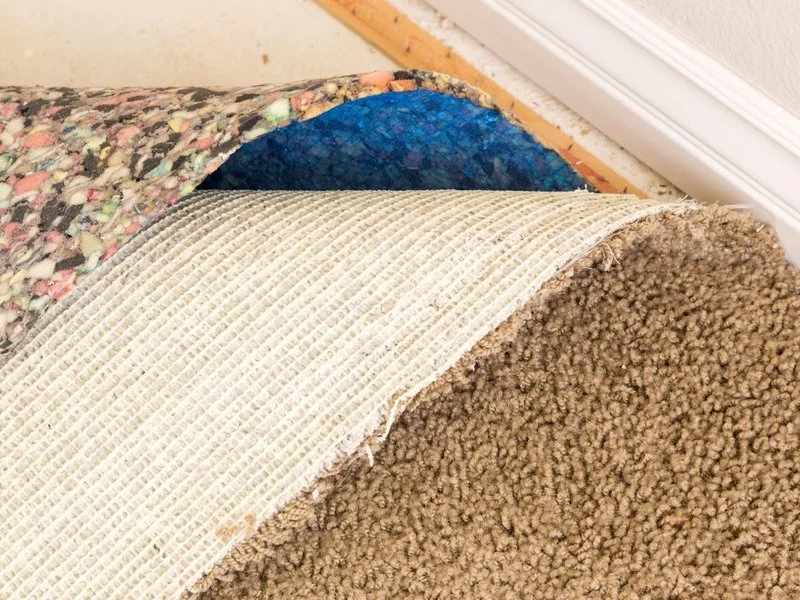
The typical carpet installation consists of several distinct layers, each serving a specific purpose. Visualizing these layers as a “cake” makes it easier to grasp how they work together to provide comfort, durability, and aesthetic appeal.
what is underneath carpet – Subfloor Foundations
The subfloor is the structural base that supports everything else. In most homes it’s either plywood or oriented strand board (OSB) nailed or screwed to the floor joists. In older houses you might encounter tongue‑and‑groove boards or even concrete slabs in basements. The condition of the subfloor directly affects how the carpet feels and how long it lasts.
- Flatness: A level subfloor prevents uneven wear and “peaks” that can cause the carpet to feel bumpy.
- Moisture Resistance: In damp areas, a vapor barrier or moisture‑resistant subfloor helps avoid mold growth.
- Sound Insulation: Adding acoustic underlay can reduce footfall noise, especially in multi‑story homes.
Why Padding Matters: The Cushion Between Carpet and Subfloor
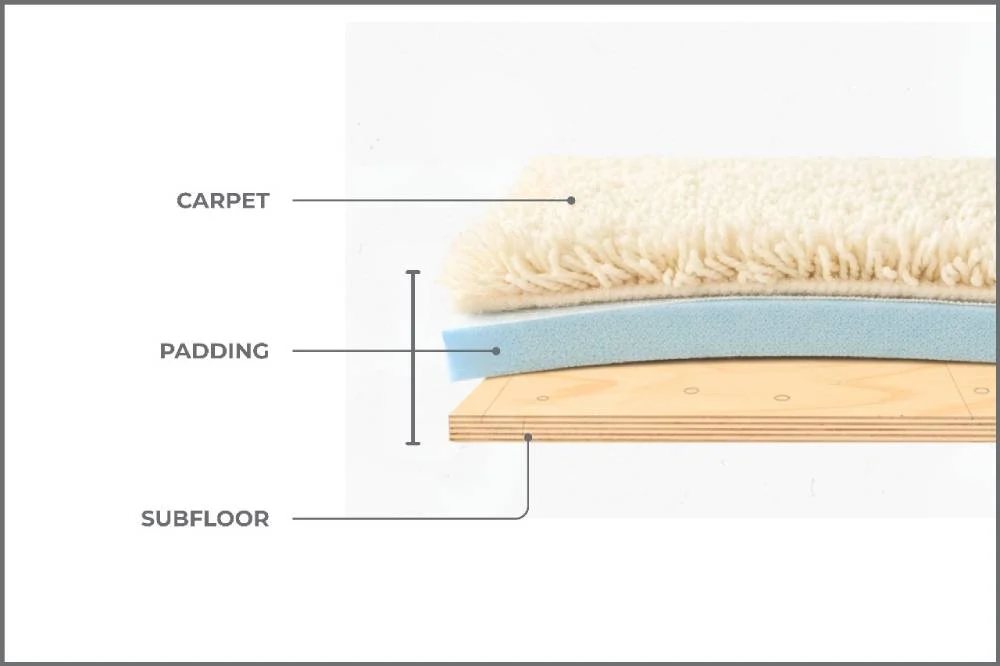
Padding, also called underlay, is the soft layer that sits directly under the carpet pile. It’s the secret to that “cloud‑like” feeling when you walk barefoot. Not all padding is created equal, and choosing the right one depends on the room’s traffic, the type of carpet, and your design goals.
Common padding materials include:
- Foam: Lightweight, cost‑effective, and suitable for low‑traffic areas like bedrooms.
- Rubber: Durable, provides excellent sound reduction, and ideal for high‑traffic spaces such as hallways.
- Fiber (Rebond): Offers a balance of comfort and durability, often used in living rooms.
When selecting padding, consider its density (measured in pounds per cubic foot). Higher density pads give better support and prolong carpet life, while lower density pads feel softer but wear faster. For families with children or pets, a medium‑density pad with moisture‑resistant backing is often the best compromise.
Hidden Utilities: Wiring, Plumbing, and More
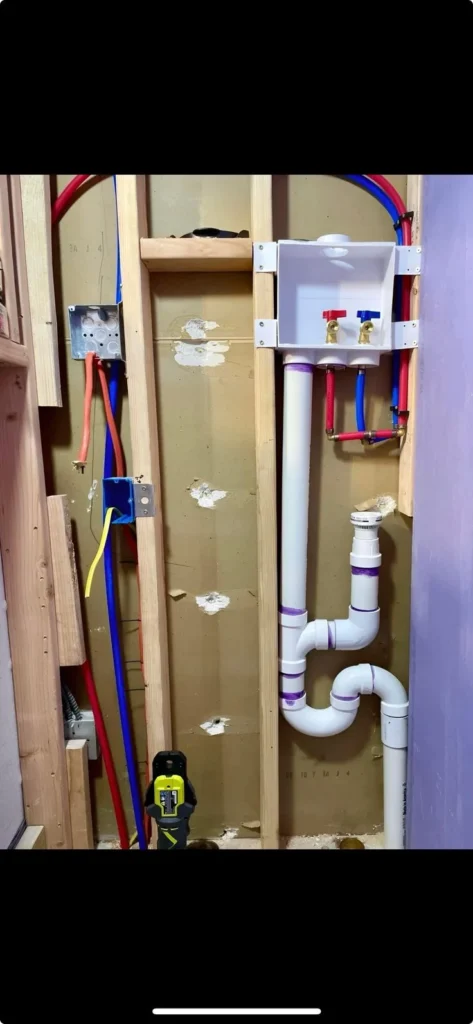
Behind the subfloor you may find a maze of electrical wiring, HVAC ducts, and plumbing pipes. While these components are not part of the carpet system per se, they can affect what is underneath carpet in subtle ways.
For instance, an exposed pipe leak can cause the subfloor to swell, leading to a “soft spot” under the carpet. Similarly, poorly insulated wiring may generate heat, creating a warm patch that can affect carpet pile. When renovating, it’s wise to inspect these utilities before pulling up the old carpet. A professional inspection can prevent surprises and ensure that any repairs are made before new flooring is installed.
Choosing the Right Carpet for Your Subfloor Type
Not every carpet is compatible with every subfloor. Here’s a quick guide to match carpet types with common subfloor conditions:
- Loop‑pile or Berber: Works well on concrete slabs with a moisture barrier, as the tight construction resists shifting.
- Cut‑pile (e.g., plush, frieze): Best installed over a sturdy plywood subfloor with high‑density padding for support.
- Carpet Tiles: Ideal for uneven subfloors because each tile can be individually adjusted.
When you know what is underneath carpet, you can avoid common pitfalls like carpet ripples or premature wear. For more detailed guidance on selecting carpet based on room function, see our article on Japandi Style Bedroom Décor Ideas – A Complete Guide.
Maintenance Tips: Keeping the Layers Healthy
Even the best‑installed carpet will suffer if the underlying layers are neglected. Below are some actionable maintenance habits that protect everything beneath your carpet.
- Regular Vacuuming: Removes grit that can grind the padding and subfloor.
- Spot Cleaning Promptly: Prevents liquids from seeping through the carpet and damaging the padding or subfloor.
- Professional Deep Cleaning: Every 12‑18 months, a hot‑water extraction can lift embedded soil without saturating the padding.
- Inspect for Moisture: Use a moisture meter after floods or heavy rain to ensure the subfloor stayed dry.
For a quick reference, check out our “Quick Home Décor Tips” section below.
Quick Home Décor Tips
- Layer a thin rug on top of carpet in high‑traffic zones to reduce wear and add visual interest.
- Choose a neutral carpet color and add bold wall art, like the ideas in Affordable Wall Decoration Ideas, to keep the room feeling fresh.
- Use low‑profile furniture legs to avoid indentations on the carpet and padding.
Common Mistakes When Dealing with What Is Underneath Carpet
Even seasoned homeowners can overlook crucial details. Here are the most frequent errors and how to avoid them:
- Skipping a Moisture Barrier on Concrete: Without a vapor barrier, moisture can rise through the slab, causing mold in the padding.
- Choosing the Wrong Padding Density: Too soft a pad leads to carpet “bottoming out,” while overly firm pads feel hard and reduce comfort.
- Ignoring Subfloor Imperfections: Small cracks or squeaks become noticeable through the carpet and may worsen over time.
- Over‑stretching the Carpet: Trying to stretch carpet over an uneven subfloor can create ripples that expose the padding.
Address these issues early, and your carpet will stay beautiful for years.
Frequently Asked Questions
What is underneath carpet in a basement?
In most basements the subfloor is a concrete slab. A moisture‑resistant vapor barrier is installed first, followed by a suitable padding (often rubber or foam with a moisture‑proof backing) and then the carpet. This sequence protects against dampness and mold.
Can I install carpet over existing hardwood floors?
Yes, provided the hardwood is level, securely fastened, and free of gaps. Adding a thin underlay helps cushion the carpet and reduces noise transmission.
How do I know if my padding needs replacement?
Signs include visible sagging, a “spongy” feel when you press the carpet, or persistent odors after spills. If the padding is compressed or smells musty, it’s time to replace it.
Is carpet a good option for pet owners?
Modern low‑pile and loop‑pile carpets paired with stain‑resistant fibers work well for pets. Pairing them with a high‑density, moisture‑resistant padding adds an extra barrier against accidents.
What tools are needed to inspect what is underneath carpet?
A simple inspection can start with a flashlight and a small pry bar to lift a corner. For deeper analysis, a moisture meter and a flexible inspection camera are useful tools.
Can I reuse the padding when I replace carpet?
Only if the padding is still in good condition—flat, dry, and free of stains. Otherwise, replace it to ensure the new carpet performs optimally.
Understanding what is underneath carpet transforms a simple flooring choice into a strategic design decision. By paying attention to subfloor health, padding type, and moisture control, you create a foundation that supports both aesthetics and longevity.
Now that you’re equipped with the knowledge, you can confidently select, install, and maintain carpet that enhances any room—from a cozy bedroom to a bustling living area. For more inspiration on pairing carpet with other décor elements, explore our guide on Living Room Décor with Wooden Side Tables. Happy styling!