
Table of Contents
- What Causes Carpet to Ripple: The Core Reasons Explained
- Installation Issues That Lead to Carpet Ripple
- Improper Stretching Techniques
- Incorrect Tack Strip Placement
- Subfloor Preparation Gaps
- Environmental Factors That Influence Carpet Ripple
- Moisture Intrusion
- Temperature Swings
- Sunlight Exposure
- Subfloor and Structural Movements That Trigger Ripple
- Wood Floor Expansion
- Concrete Cracking
- Structural Shifts
- How to Prevent Carpet Ripple Before It Starts
- Professional Stretching and Seaming
- Use Quality Tack Strips and Adhesives
- Control Indoor Climate
- Strategic Furniture Placement
- Repair Options: Fixing Existing Carpet Ripple
- Re‑stretching the Carpet
- Replacing the Tack Strips
- Patch and Seam Repair
- Full Carpet Replacement
- Quick Tips to Keep Your Carpet Ripple‑Free
- Common Mistakes When Dealing With Carpet Ripple
- Frequently Asked Questions
- Conclusion
What Causes Carpet to Ripple: Understanding the Roots and Fixing the Problem
Carpet rippling can be one of the most frustrating visual flaws in an otherwise beautifully styled room. The waviness not only disrupts the flow of a space but also signals underlying issues that, if ignored, may lead to more costly repairs or premature carpet replacement. Homeowners, renters, and interior‑design enthusiasts alike benefit from knowing exactly what causes carpet to ripple, so they can address the problem before it escalates.
In this comprehensive guide, we’ll explore the science behind carpet movement, pinpoint the most common culprits, and provide actionable strategies to keep your floor smooth and inviting. Whether you’re installing new flooring in a living room, refreshing a bedroom, or managing a small‑space apartment, the insights here will help you maintain a flawless surface while preserving your décor vision.
Ready to eliminate those unsightly waves? Let’s dive into the details of what causes carpet to ripple and how you can prevent or correct it with confidence.
What Causes Carpet to Ripple: The Core Reasons Explained
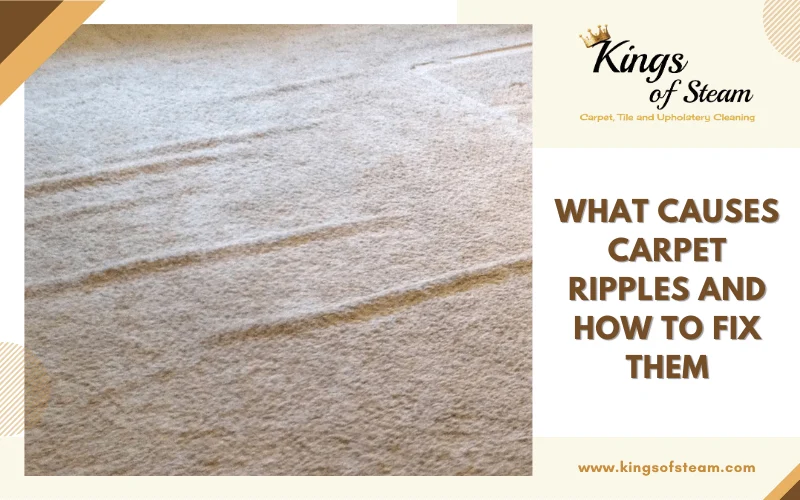
When a carpet starts to form peaks and valleys, several factors could be at play. Understanding these root causes is the first step toward an effective solution. Below are the most frequent reasons why carpet begins to ripple:
- Improper Installation: A common source of ripple is uneven stretching or inadequate tack strip placement.
- Subfloor Movement: Shifts in the underlying floor, often caused by moisture or structural changes, can pull the carpet unevenly.
- Temperature and Humidity Fluctuations: Expanding and contracting fibers react to seasonal changes, creating tension that manifests as ripples.
- Heavy Furniture Placement: Concentrated weight in one area can cause the carpet to stretch or lift, especially on high‑traffic zones.
- Age and Wear: Over time, the backing and fibers lose elasticity, making the carpet more prone to rippling.
Each of these elements interacts with the others, meaning a single ripple may have multiple contributing factors. Recognizing the combination that applies to your situation will guide you to the most appropriate fix.
Installation Issues That Lead to Carpet Ripple
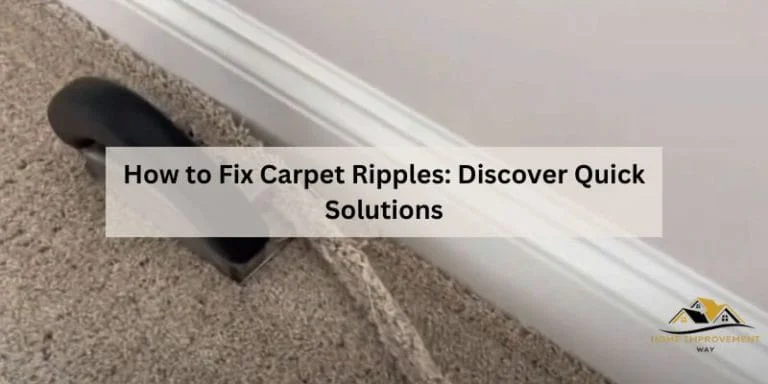
The installation stage is critical. Even a tiny mistake can set the stage for future ripples. When professional installers (or DIY enthusiasts) fail to follow best practices, the carpet may not lay flat.
Improper Stretching Techniques
Carpet must be stretched tightly enough to eliminate slack but not so taut that it tears. When the tension is uneven, certain sections become loose, creating the classic ripple effect. A quality stretch tool, such as a power stretcher, ensures uniform tension across the entire room.
Incorrect Tack Strip Placement
Tack strips are the thin wooden boards with angled pins that hold the carpet in place at the perimeter. If the strips are set too far from the wall, the carpet can shift over time, leading to waves. Similarly, using damaged or improperly nailed strips reduces their grip, allowing the carpet to move.
Subfloor Preparation Gaps
A clean, level subfloor provides a stable base. Dust, debris, or uneven patches create high‑points where the carpet cannot settle fully, causing it to buckle later. A thorough vacuum and, if needed, a self‑leveling compound can remedy this before installation.
By addressing these installation pitfalls, you’ll drastically reduce the likelihood that what causes carpet to ripple will reappear months or years later.
Environmental Factors That Influence Carpet Ripple
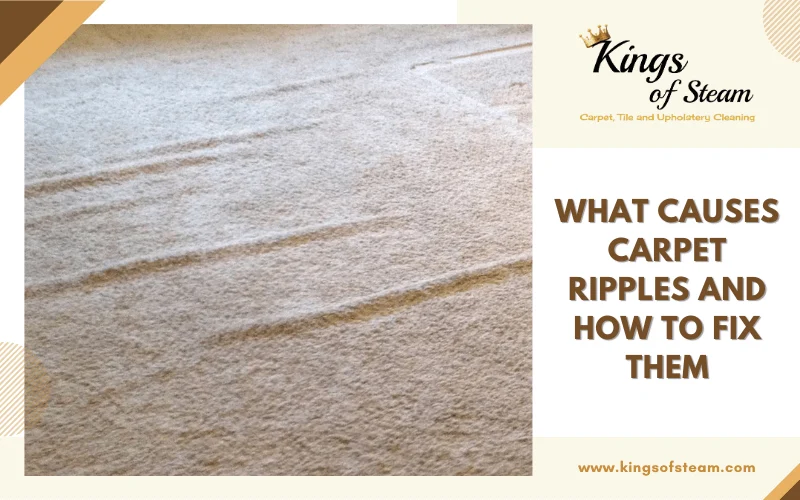
Even a perfectly installed carpet can develop ripples if the surrounding environment is not controlled. Here’s what to watch for:
Moisture Intrusion
Water seepage from leaks, high humidity, or condensation can cause the subfloor to swell. When the subfloor expands, it pushes against the carpet, creating tension that manifests as ripples. Using a moisture barrier beneath the carpet and maintaining proper ventilation can mitigate this risk.
Temperature Swings
Extreme temperature changes cause carpet fibers to expand and contract. In colder months, the backing may shrink, while in summer it expands. This cyclical movement can gradually produce waviness, especially in rooms lacking climate control.
Sunlight Exposure
Direct sunlight degrades the backing and weakens adhesive bonds. Over time, this loss of adhesion contributes to what causes carpet to ripple, particularly near windows or glass doors.
Maintaining a stable indoor climate and protecting the carpet from excess moisture and sunlight will help preserve its smooth appearance for years to come.
Subfloor and Structural Movements That Trigger Ripple
The subfloor is often the unseen hero—or villain—behind carpet ripple. Any movement in this layer will inevitably affect the carpet on top.
Wood Floor Expansion
Solid hardwood subfloors expand with humidity. If the wood is not properly acclimated before carpet installation, its natural movement can push against the carpet, creating ripples. Using a moisture‑tested subfloor and allowing it to equilibrate for at least 48 hours before laying carpet is essential.
Concrete Cracking
Concrete slabs may develop hairline cracks due to settling or temperature changes. These micro‑shifts cause the carpet to catch on uneven spots, leading to ripple formation. Applying a concrete crack filler before carpet placement can smooth out these imperfections.
Structural Shifts
Foundational settling, especially in older homes, can cause the entire floor system to shift subtly. Even a millimeter of movement is enough to create tension across a large carpeted area, resulting in ripples that appear overnight.
Regular inspections of your subfloor—especially after major weather events—can alert you to issues that might otherwise remain hidden until they cause what causes carpet to ripple.
How to Prevent Carpet Ripple Before It Starts
Prevention is always more cost‑effective than repair. By incorporating these proactive measures during installation and everyday living, you can keep your carpet smooth and free of waves.
Professional Stretching and Seaming
Hire experienced installers who use power stretchers and proper seam techniques. Seam lines that are tightly aligned reduce the chance of future ripples at the joints.
Use Quality Tack Strips and Adhesives
Select high‑grade tack strips with sharp pins and ensure they are firmly nailed to the subfloor. When adhesives are required—such as for carpet tiles—choose products designed for the specific backing material.
Control Indoor Climate
Maintain humidity levels between 30% and 50% year‑round with a humidifier or dehumidifier as needed. Consistent temperature (around 68–72°F) also minimizes fiber expansion and contraction.
Strategic Furniture Placement
Avoid placing extremely heavy furniture in one spot for long periods. Use area rugs or pads under large pieces to distribute weight evenly and prevent localized stretching.
Implementing these steps creates a stable foundation that addresses many of the causes behind carpet ripple, ensuring your floor stays pristine.
Repair Options: Fixing Existing Carpet Ripple
If your carpet has already developed waves, there are several repair paths to consider. The best choice depends on the severity of the ripple, the carpet’s age, and your budget.
Re‑stretching the Carpet
In many cases, a professional re‑stretch can restore a smooth surface. This process involves pulling the carpet taut again and re‑securing it to the existing tack strips. It’s the most cost‑effective solution for moderate ripples.
Replacing the Tack Strips
If the original tack strips are damaged or improperly placed, replacing them is essential. New strips provide a stronger grip and reduce the chance of future ripple formation.
Patch and Seam Repair
For localized damage—such as a ripple caused by a water stain—cutting out the affected section and installing a matching patch can be successful. Seam the patch using a seam roller for a seamless appearance.
Full Carpet Replacement
When the carpet is near the end of its life, or when the backing has deteriorated extensively, replacing the entire carpet may be the most sensible option. This gives you a fresh start and the chance to implement best‑practice installation techniques from the outset.
Regardless of the method chosen, addressing what causes carpet to ripple promptly prevents further damage and protects your investment.
Quick Tips to Keep Your Carpet Ripple‑Free
- Inspect tack strips annually and replace any that appear loose or worn.
- Use a dehumidifier in basements or rooms with high humidity to stabilize moisture levels.
- Rotate heavy furniture periodically to distribute weight evenly across the carpet.
- Vacuum regularly with a low‑suction setting to avoid pulling fibers upward.
- Apply a carpet protector spray to guard against spills and moisture intrusion.
Common Mistakes When Dealing With Carpet Ripple
Even well‑intentioned homeowners can make errors that worsen the situation. Here are the most frequent missteps and how to avoid them:
- Using a Steam Cleaner on Wet Carpet: Excess water can seep into the backing, causing swelling and new ripples.
- Skipping Subfloor Preparation: Neglecting to level or clean the subfloor leads to uneven support and eventual ripple formation.
- Applying Heavy Glue Directly to Carpet Backing: Incompatible adhesives can weaken the bond over time, contributing to what causes carpet to ripple.
- Attempting DIY Re‑stretch Without Proper Tools: Without a power stretcher, you may create uneven tension, worsening the ripple.
Learning from these pitfalls helps you make smarter decisions and preserve a smooth carpet surface.
Frequently Asked Questions
Can humidity alone cause carpet to ripple?
Yes, high humidity can cause both the subfloor and carpet fibers to expand. Over time, this expansion creates tension that appears as ripples, especially if the carpet was not installed with enough stretch.
How long does it take to re‑stretch a carpet?
A professional re‑stretch typically takes 2–4 hours for an average‑sized room. The time varies based on room layout, carpet type, and the condition of existing tack strips.
Is it safe to place a rug over a rippled carpet?
Placing a rug can temporarily mask the appearance, but it does not address the underlying issue. The ripple may worsen underneath the rug, leading to permanent damage.
Do carpet tiles ripple the same way as broadloom carpet?
Carpet tiles can also ripple if the adhesive fails or the subfloor shifts. However, because tiles are smaller, they often reveal the problem sooner, making it easier to replace individual sections.
What’s the best way to protect carpet in a high‑traffic hallway?
Use a durable runner with a non‑slip backing, keep humidity levels stable, and schedule regular professional stretching. For more hallway‑specific ideas, see our guide on modern small‑space ideas.
Conclusion
Understanding what causes carpet to ripple empowers you to act before minor waves become major headaches. From proper installation techniques and climate control to diligent subfloor maintenance, each step builds a foundation for a smooth, long‑lasting carpet. If ripples do appear, timely re‑stretching, tack‑strip replacement, or, when necessary, full replacement can restore the seamless look you desire. By staying proactive and informed, you’ll keep your flooring—and your home décor—looking polished and inviting for years to come.
Explore more design inspiration and practical tips on The Homara, where modern home décor meets expert advice. Whether you’re revamping a living room, bedroom, or compact apartment, the right knowledge makes all the difference.