
Table of Contents
- Wall décor with woven textile art: A Design Overview
- Wall décor with woven textile art: Color Coordination
- Choosing the Right Fibers and Patterns
- Integrating Woven Pieces in Living Spaces
- Styling Tips for Different Rooms
- Living Room
- Bedroom
- Kitchen
- DIY vs. Curated Woven Art Pieces
- Caring for Woven Wall Décor
- Sustainable and Ethical Considerations
- Quick Home Décor Tips
- Common Mistakes and How to Avoid Them
- Frequently Asked Questions
When you step into a space that feels both inviting and thoughtfully curated, you’re often drawn to the subtle textures that bring warmth without overwhelming the eye. Wall décor with woven textile art does exactly that—offering a tactile dimension that flat prints and paintings simply can’t match. Whether you’re a homeowner looking to refresh a single room or a renter seeking a non‑permanent statement piece, incorporating woven art on your walls can transform a bland backdrop into a conversation starter. In this guide, we’ll explore why this trend matters, how to choose the perfect pieces, and practical ways to style them across different interiors.
From the soft drape of hand‑woven cotton to the bold geometry of contemporary jute tapestries, the options are as diverse as the design challenges they solve. You’ll learn how to balance color, scale, and texture, while also gaining insight into sustainable sourcing and easy maintenance. By the end, you’ll feel confident selecting and caring for woven wall décor that reflects your personality and complements your overall home décor vision.
Wall décor with woven textile art: A Design Overview
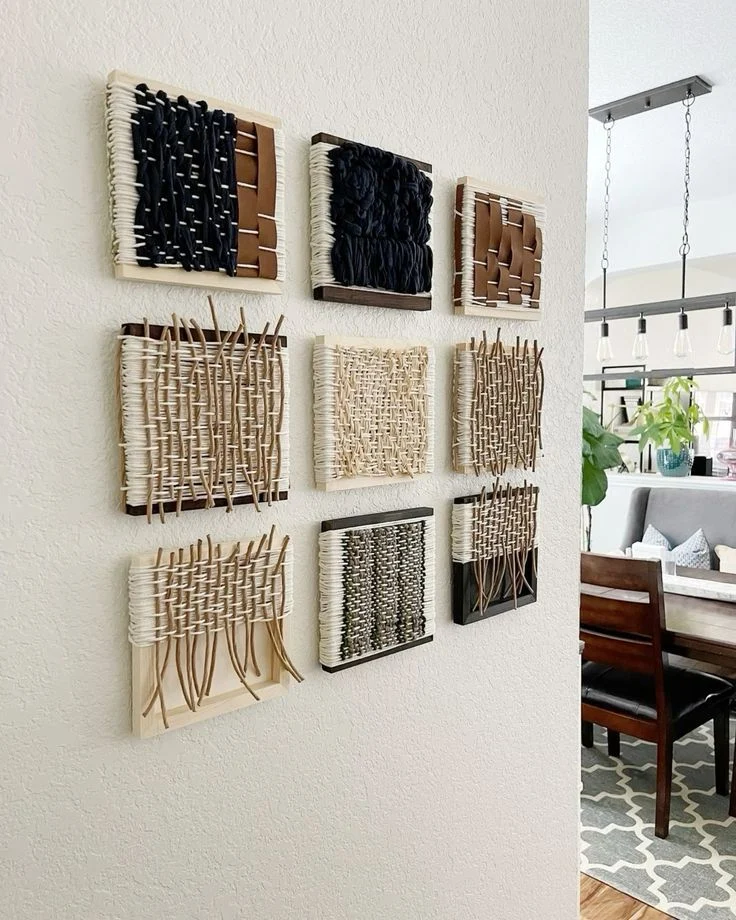
Woven textile art is more than just a decorative accessory; it’s a bridge between craft and modern interior design. Historically rooted in cultural traditions—from Navajo rugs to Indian kilims—these textiles carry stories woven into every thread. In contemporary homes, they serve a dual purpose: visual interest and acoustic improvement. The density of a woven piece can absorb sound, making it ideal for open‑plan living rooms or busy kitchens.
When integrating wall décor with woven textile art, consider the room’s existing palette. A neutral sofa paired with a vibrant, hand‑loomed wall hanging can become the focal point without clashing. Conversely, a subtle, monochrome tapestry can add depth to a minimalist setting, echoing the principles found in minimalist wall décor ideas for a serene bedroom. The key is to treat the textile as a living piece of the room’s story, allowing its texture and pattern to converse with furniture, lighting, and even flooring.
Wall décor with woven textile art: Color Coordination
Choosing colors that harmonize with your existing décor is essential. If your living room features cool blues and grays, a woven piece with muted teal or charcoal can reinforce that mood. For warmer spaces, think terracotta, mustard, or rust tones woven into a natural fiber base. You can also use the textile as a palette guide—extract a dominant hue and repeat it in cushions, throws, or rugs to create a cohesive look.
- Complementary contrast: Pair a predominantly cool textile with warm accent pieces for balanced energy.
- Monochrome layering: Use varying shades of the same color family to add depth without visual chaos.
- Accent pops: Introduce a single bold color through the woven art to draw the eye without overwhelming the space.
Choosing the Right Fibers and Patterns
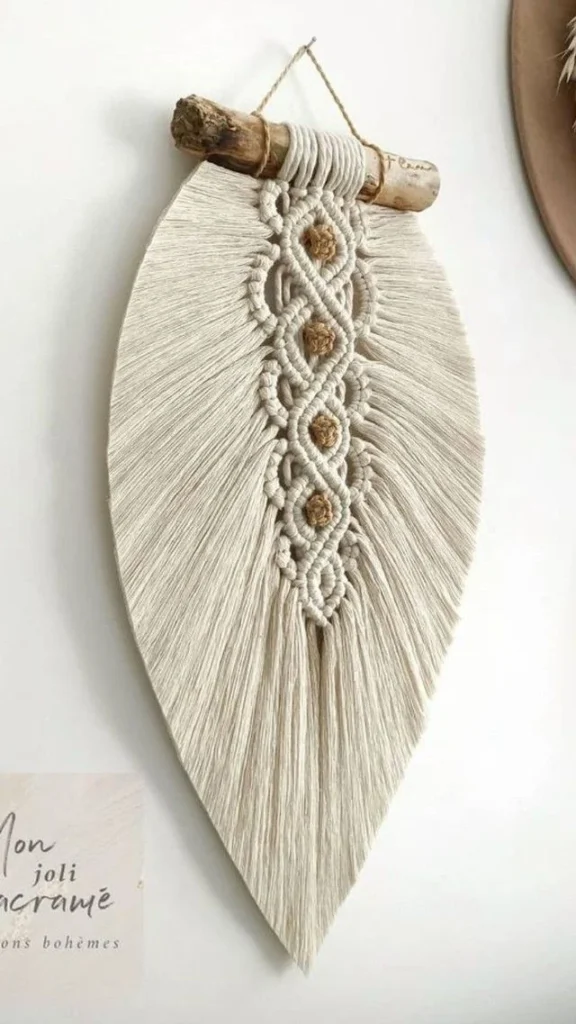
The tactile quality of woven wall décor depends heavily on the fibers used. Natural fibers like cotton, linen, wool, and jute each bring distinct textures and durability levels. Cotton offers softness and easy cleaning, making it suitable for high‑traffic areas like hallways. Wool, with its natural loft, adds plushness and superior sound‑absorbing qualities, perfect for bedrooms or home offices.
Pattern selection also plays a pivotal role. Geometric motifs can modernize a traditional room, while organic, free‑form designs lend a bohemian vibe. If you’re uncertain, start with a neutral base pattern—such as a subtle stripe or small diamond—and layer vibrant colors through accessories.
- Natural fibers: Sustainable, breathable, and often biodegradable.
- Synthetic blends: Provide durability and resistance to fading, ideal for sunny rooms.
- Pattern scale: Large motifs suit expansive walls; smaller patterns work well on accent walls or above furniture.
For a deeper dive into current trends, check out home décor trends this year: fresh ideas for modern living. Understanding the broader landscape can help you select a piece that feels both timeless and on‑trend.
Integrating Woven Pieces in Living Spaces
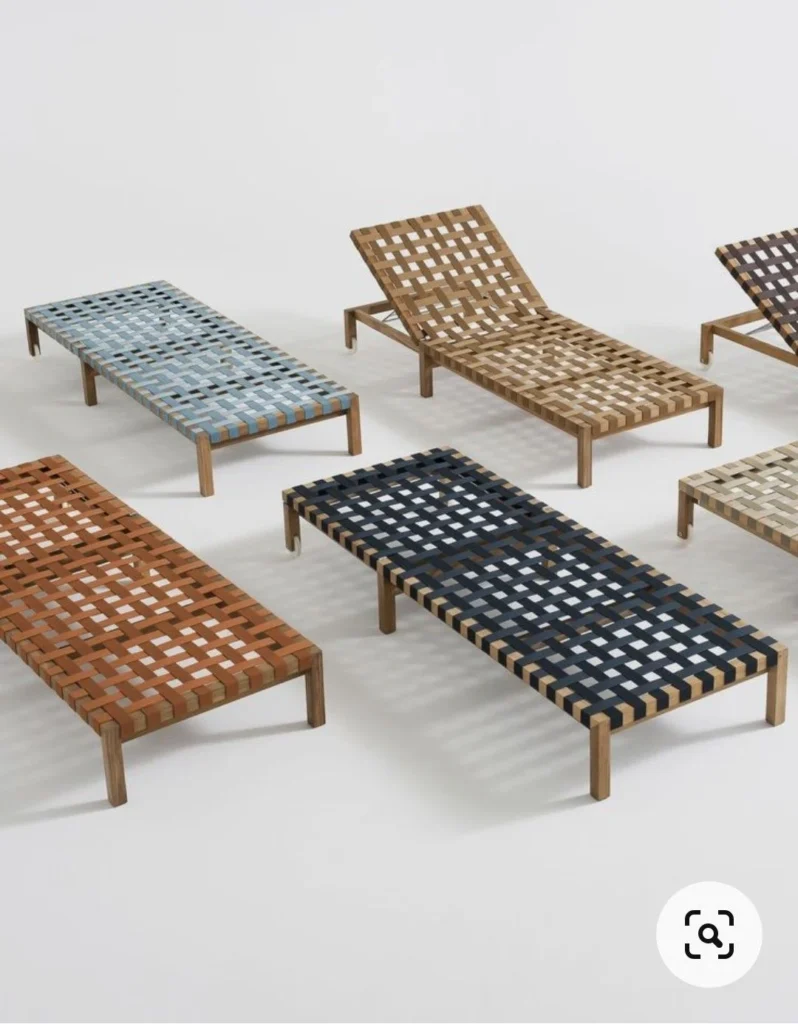
Placement is everything. In a living room, a large tapestry behind a sofa can anchor the seating area, while a series of smaller woven panels arranged in a gallery style can add rhythm and movement. When dealing with limited wall space, consider hanging a woven art piece above a console table or a sideboard to create vertical interest.
Don’t forget the interplay of lighting. Soft, diffused lighting highlights the texture of the weave, whereas directional spotlights can accentuate pattern details. In rooms where natural light is abundant, a sheer, light‑colored textile can soften glare while still providing visual warmth.
- Above the sofa: Centered, full‑width tapestry for bold impact.
- Gallery wall: Mix woven pieces with framed prints for layered storytelling.
- Hallway accent: Narrow woven panel to break monotony and add texture.
Styling Tips for Different Rooms
Each room has its own functional demands and aesthetic language. Below are quick styling guidelines that align wall décor with woven textile art to the unique vibe of popular spaces.
Living Room
Opt for medium‑to‑large pieces that complement the scale of the furniture. Pair a woven art piece with a low‑profile coffee table and plush sofa to create a balanced, inviting setting. Incorporate matching or complementary cushions that echo the textile’s colors for a unified look.
Bedroom
Soft, calming fabrics work best. A lightweight linen tapestry above the headboard can add serenity without competing with bedding patterns. Choose muted earth tones to foster relaxation, and consider a woven wall hanging that doubles as a headboard for a cohesive design.
Kitchen
While kitchens are high‑moisture zones, you can still introduce woven décor in a backsplash or pantry area using washable, synthetic blends. A small, bright woven piece can inject warmth and break the monotony of tile or stainless steel.
Bathroom
For moisture‑prone areas, look for woven art treated with water‑resistant finishes. A small cotton‑woven runner or decorative panel behind the vanity can add a spa‑like feel.
DIY vs. Curated Woven Art Pieces
Creating your own woven wall décor can be rewarding and cost‑effective, especially if you have a knack for crafting. DIY projects allow you to tailor colors, sizes, and patterns precisely to your space. However, curated pieces from artisans or reputable retailers guarantee professional finish, consistency, and often carry a story of cultural heritage.
When deciding, weigh the time investment against the desired outcome. A DIY tapestry may take several weekends, while a curated piece can be ready to hang within minutes. If sustainability is a priority, seek out makers who use ethically sourced fibers and support fair‑trade practices.
- DIY advantages: Customization, personal satisfaction, lower cost.
- Curated advantages: Professional quality, unique designs, time savings.
- Hybrid approach: Purchase a pre‑dyed yarn and hand‑loom your own piece for a blend of both worlds.
Caring for Woven Wall Décor
Proper maintenance extends the life of your woven art. Most natural fibers benefit from gentle vacuuming with a soft brush attachment to remove dust. Spot cleaning with a mild detergent and a damp cloth works for minor stains, but always test in an inconspicuous area first.
For larger pieces, consider rotating their position every few months to prevent uneven fading from sunlight exposure. If the textile is removable, a professional gentle wash or dry‑cleaning service can revive its vibrancy without damaging the weave.
- Dust removal: Weekly vacuum with low suction.
- Stain care: Spot clean with mild soap; avoid harsh chemicals.
- Sunlight management: Use UV‑filtering curtains or rotate artwork seasonally.
Sustainable and Ethical Considerations
Eco‑conscious consumers increasingly seek décor that aligns with their values. Woven textile art offers a path to sustainability when sourced responsibly. Look for certifications such as GOTS (Global Organic Textile Standard) for organic fibers, or Fair Trade labels that ensure artisans receive fair compensation.
Reusing vintage woven pieces or upcycling thrifted fabrics can also add character while reducing waste. Many designers now offer “re‑woven” collections where reclaimed textiles are transformed into new wall décor, merging heritage with modern aesthetics.
- Organic fibers: Grown without synthetic pesticides, better for indoor air quality.
- Fair Trade: Supports artisan communities, preserves traditional weaving techniques.
- Upcycled textiles: Reduces landfill waste and creates unique, one‑of‑a‑kind pieces.
Quick Home Décor Tips
- Mix woven art with metal or wood frames for a modern twist.
- Use a single, bold woven piece as a focal point, then keep surrounding décor minimal.
- Layer different textures—think a woven wall hanging over a smooth painted wall—to add depth.
- Choose neutral tones for small spaces to avoid visual clutter.
- Incorporate similar woven textures in accessories like pillows or throws for continuity.
Common Mistakes and How to Avoid Them
Even seasoned decorators can slip up when introducing woven textile art. One frequent error is mismatching scale—placing a tiny tapestry on a large wall creates emptiness, while an oversized piece can overwhelm a modest room. Another pitfall is ignoring lighting; inadequate illumination can hide the richness of the weave.
To prevent these issues, measure your wall space carefully and select a piece that occupies roughly two‑thirds of the wall width for balanced impact. Test lighting conditions with a lamp before finalizing placement, ensuring the texture is visible both day and night.
Frequently Asked Questions
Can woven wall art improve room acoustics?
Yes, the density and texture of woven textiles help absorb sound, reducing echo in open or high‑ceiling spaces. This makes them especially useful in living rooms and home offices.
Is it safe to hang woven art in humid environments like bathrooms?
Select pieces treated with moisture‑resistant finishes or opt for synthetic blends designed for humidity. Regular cleaning and proper ventilation will also extend the piece’s lifespan.
How do I decide between a tapestry and a woven panel?
Tapestries are typically larger, flexible, and can be draped for a casual look. Woven panels are often framed or mounted, offering a more structured, gallery‑style presentation. Choose based on the desired visual weight and installation method.
What is the best way to hang heavy woven pieces?
Use sturdy wall anchors, picture hooks rated for the weight, or a French cleat system. For very heavy pieces, consider a professional installation to ensure safety.
Can I combine woven wall décor with other wall art styles?
Absolutely. Pairing woven textiles with framed prints, mirrors, or metal sculptures creates a layered gallery effect that adds personality and depth to any room.
Exploring the interplay of textures and patterns can unlock fresh design possibilities while keeping your home visually engaging.
Wall décor with woven textile art offers a versatile, tactile solution for those seeking to elevate interiors without relying solely on paint or conventional artwork. By understanding fiber choices, mastering placement strategies, and embracing sustainable sourcing, you can curate spaces that feel both modern and deeply personal. Take inspiration from the ideas shared here, experiment with scale and color, and let your walls tell a story woven from your own taste.