
Table of Contents
- Understanding the Basics: Undermount vs Drop‑In Tub
- Key Design Differences in Undermount vs Drop‑In Tub Installations
- Design Impact: How Each Tub Style Shapes Your Bathroom Aesthetic
- Installation Considerations: Practical Aspects of Undermount vs Drop‑In Tub
- Maintenance and Longevity: What to Expect Over Time
- Budgeting Your Bathroom Renovation: Cost Breakdown
- Undermount Tub Cost Factors
- Drop‑In Tub Cost Factors
- Quick Tips for a Successful Tub Selection
- Common Mistakes to Avoid When Choosing Between Undermount and Drop‑In
- Frequently Asked Questions
- Making Your Decision: A Step‑by‑Step Checklist
- Conclusion
Undermount vs Drop‑In Tub: Which Bath Style Fits Your Home?
Choosing the right bathtub can feel like navigating a sea of options, especially when the decision boils down to undermount versus drop‑in tubs. Both styles offer distinct aesthetic and functional benefits, and the choice often hinges on your bathroom layout, design aspirations, and practical considerations such as installation cost and maintenance.
In this comprehensive guide, we’ll break down every facet of undermount vs drop‑in tub installations. From the visual impact on your space to the nuances of plumbing and waterproofing, you’ll walk away with a clear understanding of which option aligns with your lifestyle and design goals. Whether you’re renovating a master suite, upgrading a modest guest bathroom, or simply daydreaming about a spa‑like retreat, this article equips you with the knowledge to make an informed decision.
We’ll also sprinkle in practical tips, common pitfalls to avoid, and quick actionable ideas that can elevate the overall look of your bathroom. By the end, you’ll feel confident selecting the tub style that not only meets your functional needs but also enhances the overall ambiance of your home.
Understanding the Basics: Undermount vs Drop‑In Tub
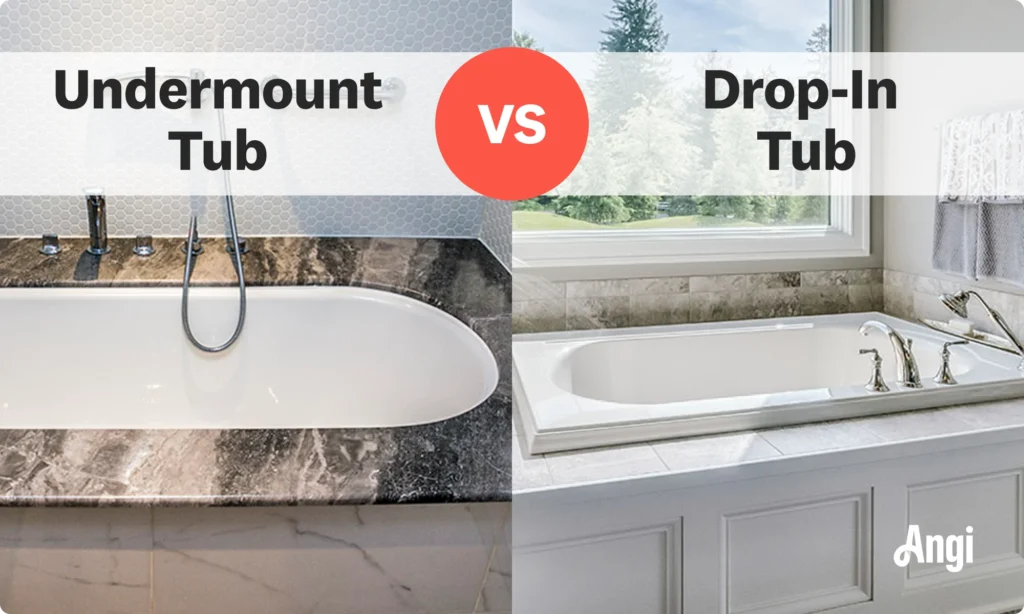
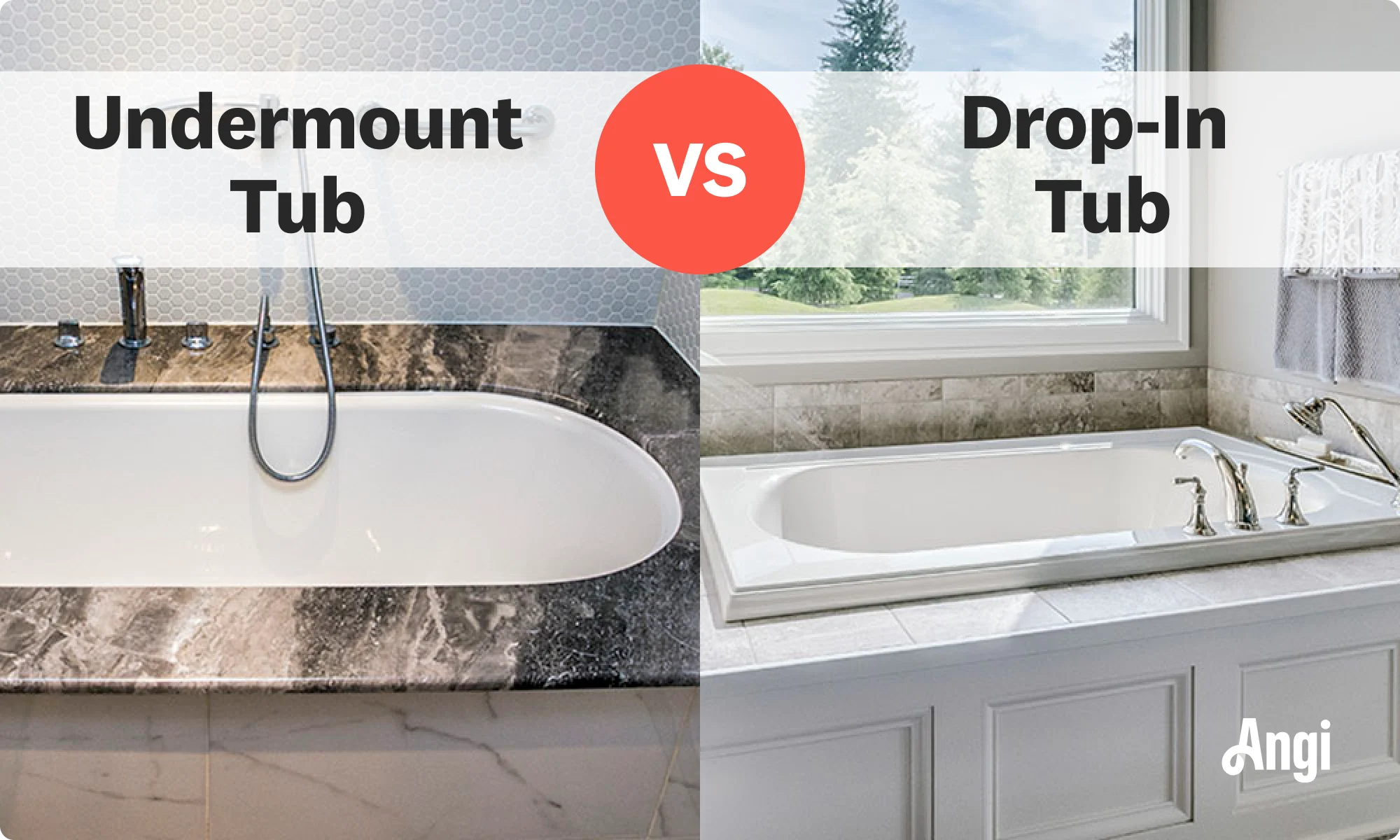
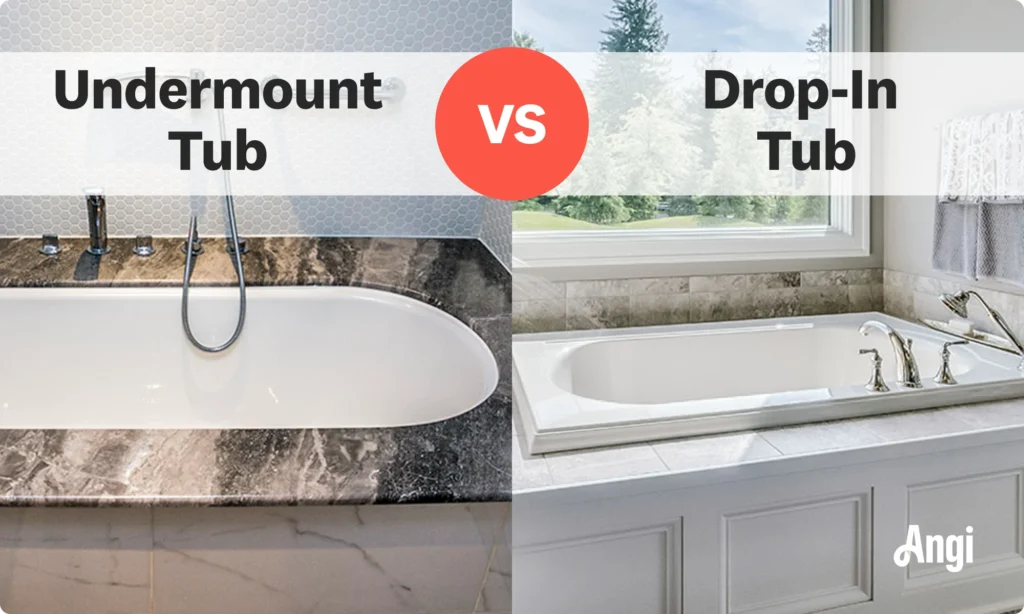
The first step in evaluating undermount vs drop‑in tub is to grasp the fundamental differences in their installation methods. A drop‑in tub, often called a “freestanding” or “insert” tub, sits atop a pre‑formed deck or platform. The rim of the tub rests on the deck, creating a visible edge that can be a focal point in the bathroom design. In contrast, an undermount tub is installed beneath the surrounding countertop or deck, with the rim concealed beneath the surrounding surface, delivering a seamless, integrated look.
These structural distinctions affect more than just aesthetics. The drop‑in design typically requires a thicker deck to support the tub’s weight and often allows for a broader range of tub shapes, including classic oval or rectangular forms. Undermount tubs, however, demand precise measurements and a sturdy countertop material—often stone, quartz, or engineered surfaces—to ensure a secure fit and proper water containment.
Key Design Differences in Undermount vs Drop‑In Tub Installations
- Visual continuity: Undermount tubs hide the rim, creating a sleek, modern line that blends the tub with the surrounding vanity or shower wall.
- Installation complexity: Undermount installations require meticulous planning, especially concerning waterproofing and the supporting countertop, whereas drop‑in tubs are generally more forgiving.
- Customization options: Drop‑in tubs often come in a wider variety of shapes and materials, while undermount tubs are usually limited to specific sizes that match standard countertop dimensions.
- Maintenance considerations: The exposed rim of a drop‑in tub can accumulate grime, but it is also easier to replace. Undermount tubs, with their concealed edges, can be trickier to service if water leaks into the countertop.
Design Impact: How Each Tub Style Shapes Your Bathroom Aesthetic

When weighing undermount vs drop‑in tub options, the overall aesthetic vision for the bathroom takes center stage. An undermount tub is synonymous with contemporary design—think clean lines, minimal hardware, and a “wet room” feel where the tub appears to flow directly from the surrounding surface. This style works beautifully in open‑concept bathrooms that emphasize spaciousness and visual cohesion.
Conversely, a drop‑in tub can serve as a statement piece. Its visible rim allows for decorative trims, contrasting colors, or even a built‑in ledge for candles and bath accessories. For traditional or vintage‑inspired spaces, a classic white porcelain drop‑in tub can reinforce a timeless look, especially when paired with ornate claw‑foot legs or antique fixtures.
Consider the surrounding elements as well. An undermount tub paired with a quartz countertop can extend the countertop material across the bathtub, creating an uninterrupted surface that visually expands the room. On the other hand, a drop‑in tub can be framed by a decorative tile deck, adding texture and depth that draws the eye toward the tub as a central focal point.
Installation Considerations: Practical Aspects of Undermount vs Drop‑In Tub
From a construction standpoint, the decision between undermount vs drop‑in tub hinges on several practical factors:
- Structural support: Drop‑in tubs require a robust deck capable of bearing the tub’s weight plus occupants. This often means reinforcing the subfloor or using a thicker deck material. Undermount tubs rely on the countertop’s strength; therefore, selecting a high‑strength surface like granite or a certified quartz is essential.
- Plumbing layout: With a drop‑in tub, the drain and overflow can be positioned beneath the deck, offering flexibility in pipe routing. Undermount installations may necessitate a custom vanity or wall that accommodates the concealed plumbing.
- Waterproofing: Proper waterproofing is critical for both styles, but undermount tubs demand meticulous sealing at the joint where the tub meets the countertop to prevent water infiltration that could damage cabinetry.
- Cost implications: Generally, drop‑in tubs are more budget‑friendly due to simpler installation. Undermount tubs, coupled with premium countertop materials and tighter tolerances, can increase material and labor costs.
Engaging a qualified contractor familiar with both installation methods can save time and avoid costly mistakes. For example, a misaligned undermount tub can lead to leaks that compromise the entire vanity, whereas a poorly supported drop‑in deck could crack under repeated use.
Maintenance and Longevity: What to Expect Over Time
Both tub styles require regular upkeep, but the nature of the maintenance differs. Drop‑in tubs, with their exposed rims, are prone to soap scum and mineral buildup at the edge. However, cleaning these areas is straightforward using non‑abrasive cleaners and a soft cloth. The visible rim also makes it easier to spot chips or cracks that may need repair.
Undermount tubs enjoy a smoother surface, reducing the accumulation of grime on the edge. The seamless transition between tub and countertop also means fewer crevices where mold can thrive. Yet, if water seeps behind the tub‑countertop joint, it can lead to hidden mold growth or countertop damage, making early detection essential. Routine inspections of the sealant and prompt repair of any cracks are key to preserving the integrity of an undermount installation.
In terms of durability, both tub types are built to last decades when properly maintained. Material choice—acrylic, fiberglass, stone, or cast iron—plays a more significant role in longevity than the mounting style itself. Pairing a high‑quality tub with appropriate care routines ensures a lasting investment regardless of whether you opt for undermount or drop‑in.
Budgeting Your Bathroom Renovation: Cost Breakdown
When budgeting for undermount vs drop‑in tub projects, break down expenses into three primary categories: tub unit cost, supporting surface, and labor.
Undermount Tub Cost Factors
- Tub unit: Typically ranges from $800 to $2,500 for premium models.
- Countertop material: Quartz or granite can add $50–$150 per square foot, quickly raising total costs.
- Labor: Specialized installation may run $1,000–$2,500 due to precise fitting and waterproofing requirements.
Drop‑In Tub Cost Factors
- Tub unit: Prices vary widely, from $400 for basic acrylic models to $3,000 for high‑end cast iron pieces.
- Deck construction: A simple wooden deck may cost $200–$600, while a decorative tile deck can exceed $1,500.
- Labor: Installation is generally less complex, ranging from $800 to $1,800.
Don’t forget ancillary costs such as new fixtures, lighting, or accessories. For inspiration on coordinating accessories, you might explore Kirkland bath tissue options to complement your chosen tub style.
Quick Tips for a Successful Tub Selection
- Measure the space twice before deciding; even a few centimeters can affect an undermount fit.
- Choose a countertop material with a high water resistance rating for undermount installations.
- Plan for adequate drainage slope; improper slope can cause water pooling on the deck of a drop‑in tub.
- Consider future resale value—undermount tubs are currently trending in modern homes, while classic drop‑in tubs appeal to traditional buyers.
Common Mistakes to Avoid When Choosing Between Undermount and Drop‑In
Even seasoned homeowners can stumble on pitfalls during tub selection. Here are some frequent errors and how to sidestep them:
- Neglecting waterproofing details: Skipping a proper seal on an undermount tub can lead to water damage behind the countertop.
- Underestimating deck load: A drop‑in tub placed on an insufficiently reinforced deck may crack under weight.
- Choosing incompatible materials: Pairing a heavy stone countertop with an undermount tub that isn’t rated for that load can cause structural failure.
- Overlooking aesthetics: Selecting a tub solely on price without considering how it harmonizes with the overall bathroom theme can result in a disjointed look.
For a fun DIY touch, consider adding a rope décor accent near the tub area to introduce texture and visual interest without major renovations.
Frequently Asked Questions
Can I convert a drop‑in tub to an undermount tub?
Conversion is possible but often costly. It requires removing the existing deck, installing a new waterproof countertop, and ensuring the subfloor can support the new configuration. In many cases, replacing the tub entirely is more economical.
Which tub style is better for small bathrooms?
Undermount tubs can create a more open feel because the concealed rim reduces visual bulk. However, a compact drop‑in tub with a minimal deck can also work well if space is limited.
Do undermount tubs require special cleaning products?
No, standard non‑abrasive bathroom cleaners work for both styles. The key is to avoid harsh chemicals that could degrade the sealant around an undermount tub.
Is the installation time significantly different?
Yes. Undermount installations typically take longer (2–3 days) due to precise fitting and waterproofing, while drop‑in tubs can often be completed within a single day.
How does the choice affect resale value?
Modern buyers often favor undermount tubs for their sleek appearance, especially in upscale markets. However, a well‑maintained classic drop‑in tub can also be a selling point in homes with traditional décor.
Making Your Decision: A Step‑by‑Step Checklist
- Assess your bathroom layout and available space.
- Determine your design style—modern minimalism or classic elegance.
- Set a realistic budget, factoring in tub, countertop, and labor.
- Consult with a professional installer to evaluate structural requirements.
- Select a tub material that aligns with durability and maintenance preferences.
- Plan complementary fixtures, lighting, and accessories for a cohesive look.
By following this checklist, you’ll navigate the undermount vs drop‑in tub decision with confidence, ensuring the final result enhances both function and style.
Conclusion
Choosing between an undermount and a drop‑in tub is more than a simple design preference; it’s a balance of aesthetics, practicality, budget, and long‑term maintenance. Undermount tubs excel in delivering a seamless, contemporary look that can make a bathroom feel larger and more cohesive, while drop‑in tubs offer flexibility in shape, material, and a classic presence that can become the centerpiece of a traditional space. By weighing the installation requirements, cost implications, and your personal design vision, you can select the tub that best fits your home’s narrative. Ready to start planning? Dive into our other design guides for more inspiration, and let your bathroom become the sanctuary you’ve always imagined.