
Table of Contents
- Understanding the Differences: tub mat vs bath rug
- Safety considerations in tub mat vs bath rug comparison
- Material Matters: Choosing the Right Fabric for Your tub mat vs bath rug
- Absorbency and Drying Time
- Design and Aesthetics: How tub mat vs bath rug Impact Bathroom Style
- Color coordination and pattern selection
- Installation and Maintenance: Practical Tips for tub mat vs bath rug
- Cleaning routines for tub mat vs bath rug
- Cost and Longevity: Budgeting for tub mat vs bath rug
- When to replace your tub mat or bath rug
- Quick Tips for Selecting the Perfect tub mat vs bath rug
- Common Mistakes and How to Avoid Them
- Frequently Asked Questions
When it comes to outfitting a bathroom, the floor covering you choose can influence everything from safety to style. Two of the most common options are a tub mat and a bath rug, each offering distinct benefits and drawbacks. Understanding the nuances of tub mat vs bath rug will help you create a space that feels both inviting and functional.
In this guide, we’ll break down the essential factors that separate these two products. You’ll learn how material, design, installation, and budget play a role, and we’ll provide actionable tips so you can make an informed decision that aligns with your home décor ideas and interior design goals.
Understanding the Differences: tub mat vs bath rug

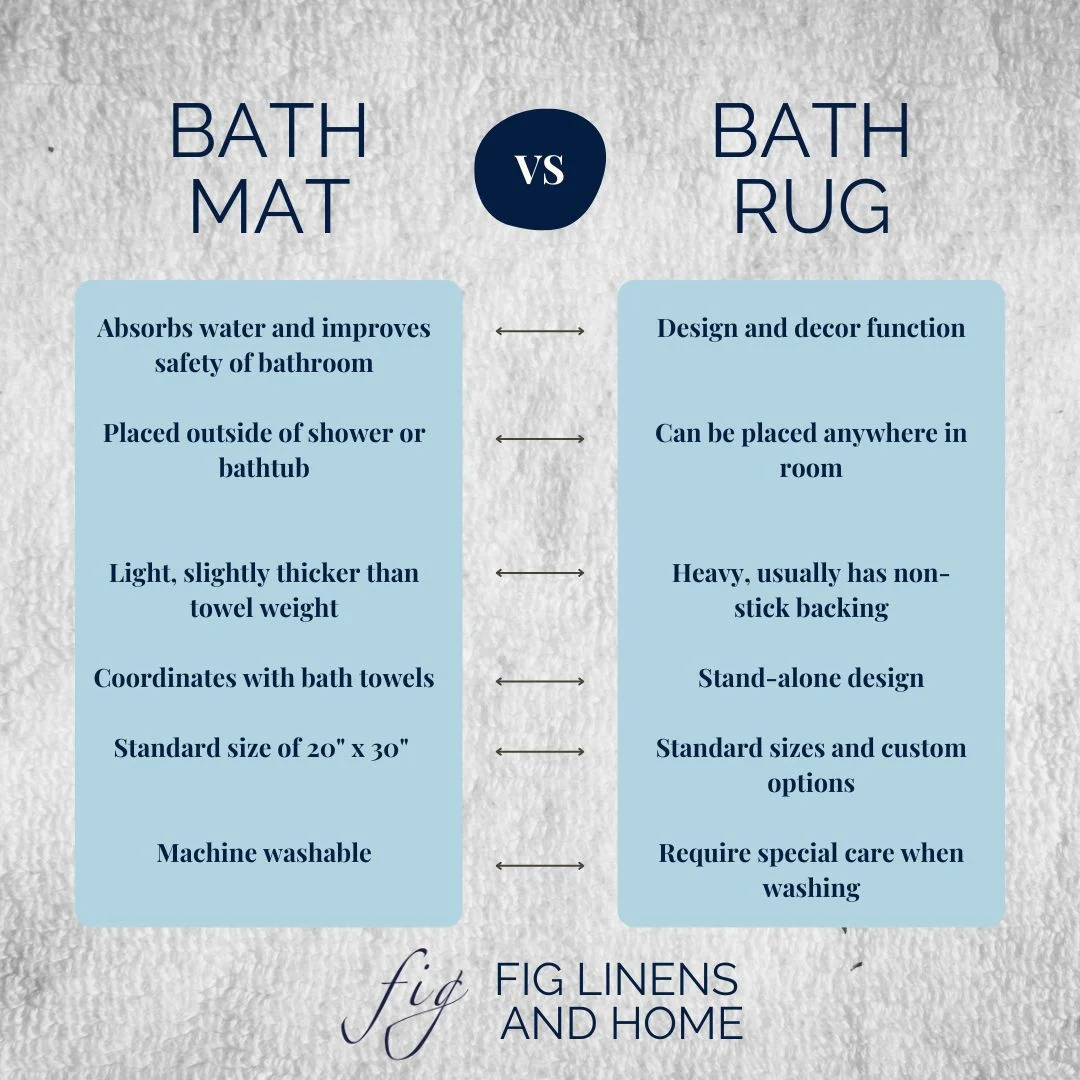
The first step in the tub mat vs bath rug debate is to define each item. A tub mat is a thin, often rubberized pad that sits inside a bathtub, providing a cushioned surface and preventing slips while you soak. A bath rug, on the other hand, is a larger, freestanding piece that lies on the bathroom floor, usually placed just outside the tub or shower to dry your feet and protect the floor from water.
Both products aim to enhance safety, but they do so in different contexts. A tub mat focuses on the interior of the tub, where water and soap can make surfaces dangerously slick. A bath rug addresses the exit zone, where wet feet can track moisture across the rest of the bathroom. Deciding which is more appropriate depends on your routine, the layout of your bathroom, and personal aesthetic preferences.
Safety considerations in tub mat vs bath rug comparison
- Slip resistance: Tub mats are typically made from textured rubber that clings to the tub surface, offering a reliable grip. Bath rugs rely on a non‑slip backing that adheres to the floor, which can be less effective on certain tiles or heated floors.
- Water containment: A tub mat keeps water inside the tub, reducing the chance of spills on the floor. A bath rug can soak up water, but if left damp it may become a slip hazard itself.
- Hygiene: Because tub mats sit in a constantly wet environment, they can develop mold if not cleaned regularly. Bath rugs dry faster, especially if made of quick‑dry fibers, but they still need frequent washing to avoid mildew.
Material Matters: Choosing the Right Fabric for Your tub mat vs bath rug
The material you select will dictate durability, comfort, and how well the product holds up against moisture. Most tub mats are crafted from silicone, rubber, or a blend of both, giving them a firm yet slightly pliable feel. Bath rugs, however, come in an array of fabrics—cotton, bamboo, microfiber, and even natural fibers like jute or sisal.
Silicone and rubber tub mats excel at providing a non‑slip surface that won’t degrade when exposed to bath oils and cleaning agents. When you compare this to a cotton bath rug, you’ll notice that cotton feels softer underfoot but may shrink after multiple washes. Microfiber bath rugs strike a balance, offering plushness while drying quickly, making them a popular choice for modern homes.
Absorbency and Drying Time
- High absorbency: Bamboo and cotton bath rugs can soak up a lot of water, ideal for households with multiple users.
- Fast drying: Microfiber and synthetic blends release moisture within minutes, reducing the risk of mold on the rug.
- Low maintenance: Silicone tub mats require only a quick rinse, whereas natural‑fiber bath rugs may need hand washing or gentle cycles.
Design and Aesthetics: How tub mat vs bath rug Impact Bathroom Style

Beyond functionality, the visual impact of your floor covering can set the tone for the entire bathroom. A tub mat is generally discreet, coming in neutral colors like gray, white, or black, allowing it to blend seamlessly with most tubs. Bath rugs, however, act as a decorative accent, available in bold patterns, textured weaves, and a spectrum of colors that can either complement or contrast with your tile and fixtures.
If you’re aiming for a minimalist, spa‑like environment, a sleek silicone tub mat paired with a subtle, solid‑color bath rug can create a cohesive look. For a more eclectic vibe, consider a patterned bath rug that echoes the color palette of your towels or shower curtain. The choice between tub mat vs bath rug can therefore be a decisive factor in achieving the desired aesthetic.
Color coordination and pattern selection
- Monochrome scheme: Choose a white or gray bath rug to maintain a clean, spa‑like feel.
- Pop of color: A navy or mustard bath rug can become a focal point, especially in neutral‑toned bathrooms.
- Texture play: Shaggy rugs add depth, while flat‑weave rugs keep the space airy and light.
Installation and Maintenance: Practical Tips for tub mat vs bath rug

Installing a tub mat is usually a matter of placing it inside the tub and ensuring it adheres to the surface. Some models have suction cups or a textured underside that locks it in place. Bath rugs require a non‑slip backing, which you can affix directly to the floor or rely on the rug’s built‑in grip. Proper placement is essential: the rug should sit flat without bunching to prevent tripping.
Maintenance differs significantly. Tub mats, exposed to constant water and cleaning agents, should be rinsed after each use and deep‑cleaned weekly with mild soap. Bath rugs, especially those made of natural fibers, benefit from being hung to dry after use and washed according to the manufacturer’s instructions—typically in a gentle cycle with low heat.
Cleaning routines for tub mat vs bath rug
- Weekly rinse: Rinse a silicone tub mat with warm water and a dash of vinegar to prevent soap scum.
- Machine wash: Most cotton and microfiber bath rugs can be tossed in the washing machine; use a low spin to preserve the backing.
- Air dry: Hang bath rugs over a shower rod or drying rack to avoid mildew buildup.
Cost and Longevity: Budgeting for tub mat vs bath rug
Price points for tub mat vs bath rug vary based on material, size, and brand reputation. A basic silicone tub mat can cost anywhere from $10 to $30, offering a long‑lasting solution that often outlives cheaper alternatives. Bath rugs range from $20 for a simple cotton set to $80 or more for high‑end designer pieces made from natural fibers.
When budgeting, consider the lifespan of each product. Silicone tub mats typically last several years, even with daily use, while bath rugs may need replacement every 1–2 years depending on wear and washing frequency. Investing in a slightly more expensive, high‑quality bath rug can pay off in durability and style, especially if it aligns with your overall home décor vision.
When to replace your tub mat or bath rug
- Visible wear: Cracks in a silicone tub mat or frayed edges on a rug signal it’s time for a new one.
- Odor retention: Persistent mildew smell after washing indicates deep‑seated mold.
- Safety concerns: If the non‑slip backing loses grip, replace the rug immediately.
Quick Tips for Selecting the Perfect tub mat vs bath rug
- Measure your tub and bathroom floor to ensure the mat or rug fits without crowding other fixtures.
- Match the rug’s color palette with your towels and shower curtain for a harmonious look.
- Prioritize non‑slip features: silicone textures for tub mats, rubberized backings for bath rugs.
- Choose quick‑dry materials if you live in a humid climate or have limited ventilation.
- Read product reviews for durability insights; real‑world feedback often reveals hidden strengths.
Common Mistakes and How to Avoid Them
Even seasoned homeowners can stumble when choosing between a tub mat and a bath rug. One frequent error is purchasing a rug that’s too large, causing it to slide under the tub or against the shower door, creating a tripping hazard. Another mistake is neglecting the non‑slip backing; a beautifully designed rug that slides on tile defeats the purpose of safety.
Some people also overlook the importance of proper cleaning. Allowing a silicone tub mat to sit in standing water can lead to mold growth, while a damp bath rug left on the floor for hours can develop a musty odor. By establishing a routine—rinsing the mat after each bath and hanging the rug to dry—you’ll extend the lifespan of both items and keep your bathroom fresh.
Frequently Asked Questions
Can I use a tub mat and a bath rug together?
Absolutely. Many homeowners place a silicone tub mat inside the tub for slip protection and a matching bath rug outside for comfort and added safety when stepping out.
Which is more hygienic: a tub mat or a bath rug?
Both can be hygienic if maintained properly. Tub mats require frequent rinsing to prevent soap residue, while bath rugs need regular washing and thorough drying to avoid mildew.
Do bath rugs work on heated floors?
Yes, but ensure the rug has a heat‑compatible non‑slip backing. Some rubberized backings can interfere with floor heating, so look for products labeled as safe for radiant heat.
How often should I replace my tub mat?
Typically every 2–3 years, or sooner if you notice cracks, loss of texture, or persistent odors.
Is a natural‑fiber bath rug better than synthetic?
Natural fibers like bamboo offer a luxurious feel and are eco‑friendly, but they may require more careful maintenance. Synthetic fibers dry faster and are often more resistant to stains.
For more inspiration on coordinating bathroom accessories, see our guide on bathroom décor with ceramic soap trays – timeless style & practical tips. If you’re planning a special event, check out how to decorate for a bridal shower at home – a complete guide. And for a sleek, organized look, read about bathroom décor with simple shelf styling: a modern guide.
Choosing between a tub mat and a bath rug isn’t just about function; it’s also an opportunity to express your personal style while enhancing safety. By weighing material, design, maintenance, and cost, you can select the option that best fits your routine and aesthetic. Whether you prefer the understated grip of a silicone mat or the plush comfort of a designer rug, the right choice will make every step out of the tub feel secure and stylish.