
Table of Contents
- Understanding the Mood: Why Cozy Warm Lighting Matters in Home Décor
- Psychology Behind Warm Light
- Warm Light vs. Cool Light in Modern Home Styling
- Choosing the Right Light Sources for Home Décor with Cozy Warm Lighting
- Fixture Types That Enhance Warm Lighting
- Layering Light: Ambient, Task, and Accent in Home Décor with Cozy Warm Lighting
- Ambient Layer
- Task Layer
- Accent Layer
- Room‑by‑Room Applications of Home Décor with Cozy Warm Lighting
- Living Room
- Bedroom
- Kitchen
- Home Office
- Small Spaces and Studios
- Smart Lighting Controls and Energy Efficiency
- Energy‑Saving Tips for Warm Lighting
- Maintaining the Warmth: Tips for Long‑Term Success
- Quick Home Décor Tips for Cozy Warm Lighting
- Common Mistakes to Avoid When Designing Home Décor with Cozy Warm Lighting
- Frequently Asked Questions
- How can I make a small apartment feel larger with warm lighting?
- Is LED the best option for warm lighting?
- Can I combine warm lighting with smart home devices?
- What type of lampshade material enhances warm lighting?
- How do I balance warm lighting with natural daylight?
- Do I need different warm light temperatures for different rooms?
Transform Your Home Décor with Cozy Warm Lighting
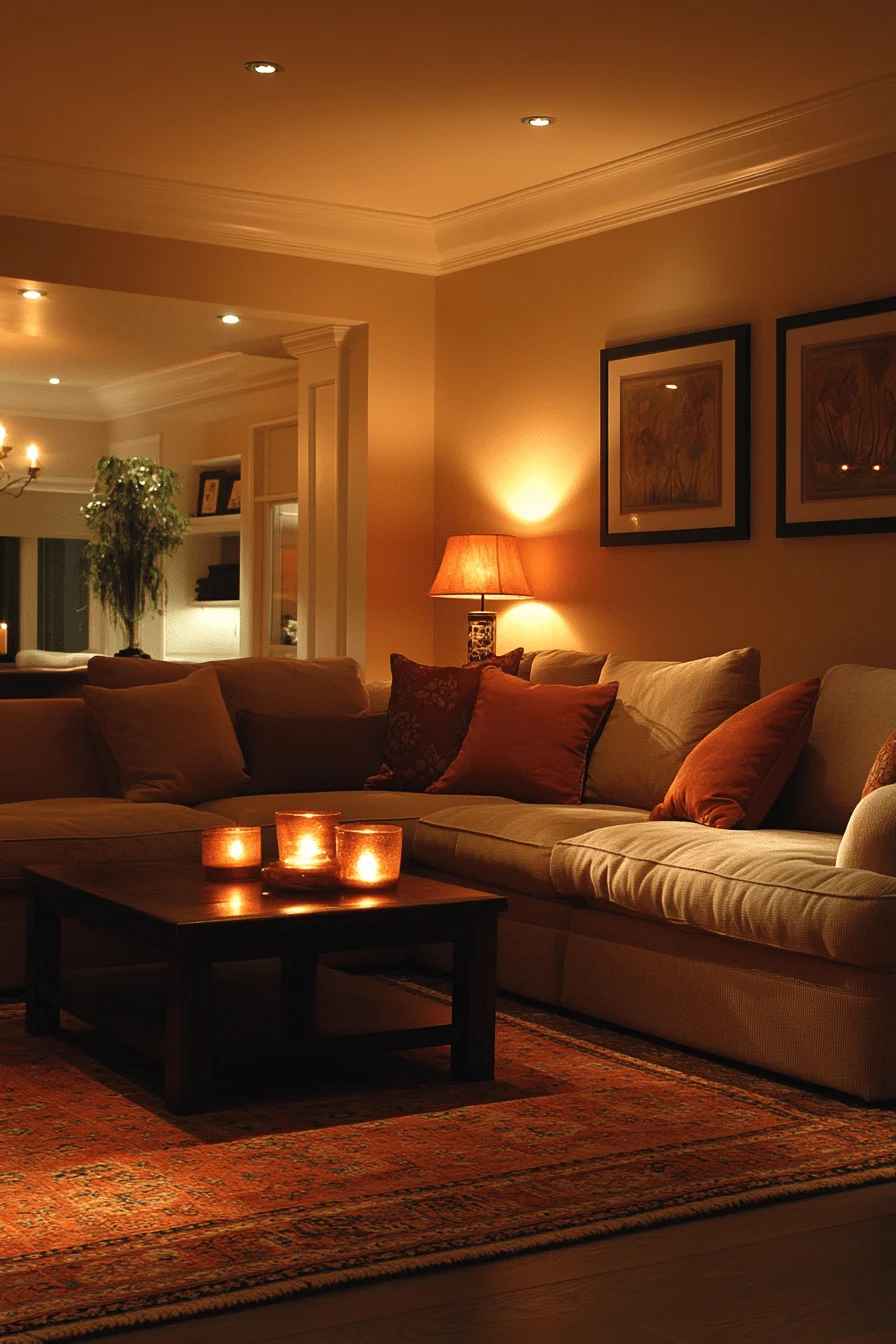
There’s a subtle magic that happens when a space is bathed in soft, warm light. It can turn a sterile room into a sanctuary, a hectic kitchen into a welcoming hub, and a quiet bedroom into a haven for rest. For homeowners and renters alike, mastering home décor with cozy warm lighting is one of the most rewarding design challenges because it touches both aesthetics and mood.
In this guide we’ll explore why warm lighting matters, how to select the right fixtures, and practical ways to apply these ideas room by room. Whether you’re redesigning a compact studio apartment or refreshing a family‑size living area, the strategies below will help you create a cohesive, inviting atmosphere that feels both modern and timeless.
Understanding the Mood: Why Cozy Warm Lighting Matters in Home Décor
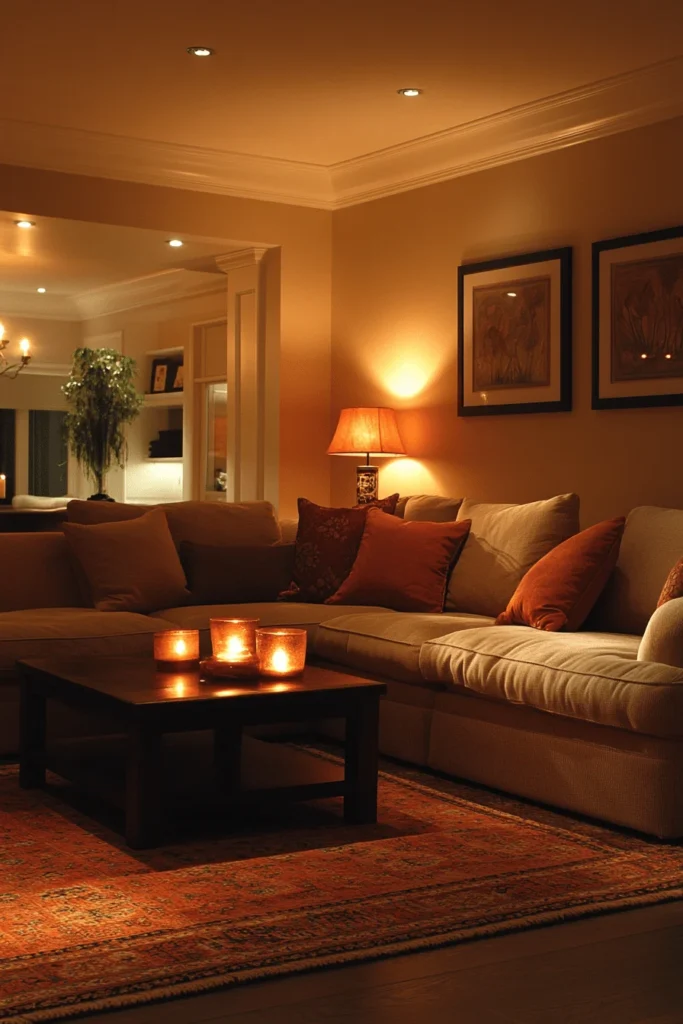
Warm light—typically measured between 2700K and 3000K—mirrors the glow of a sunset or a candle flame. This hue signals comfort, encourages relaxation, and subtly highlights textures without overwhelming the eye. When integrated thoughtfully, home décor with cozy warm lighting can enhance color palettes, accentuate natural materials, and even make ceilings appear higher.
Psychology Behind Warm Light
Research in environmental psychology shows that warm lighting reduces stress hormones, promotes conversation, and improves sleep quality when used in the evenings. It also balances the cooler tones of modern appliances and electronics, creating a harmonious visual dialogue between old and new.
Warm Light vs. Cool Light in Modern Home Styling
Cool light (4000K‑5000K) is excellent for task‑oriented spaces like home offices, but it can feel stark in living rooms or bedrooms. By contrast, home décor with cozy warm lighting adds a layer of intimacy that aligns perfectly with contemporary minimalism, where the focus is on clean lines and natural textures.
Choosing the Right Light Sources for Home Décor with Cozy Warm Lighting
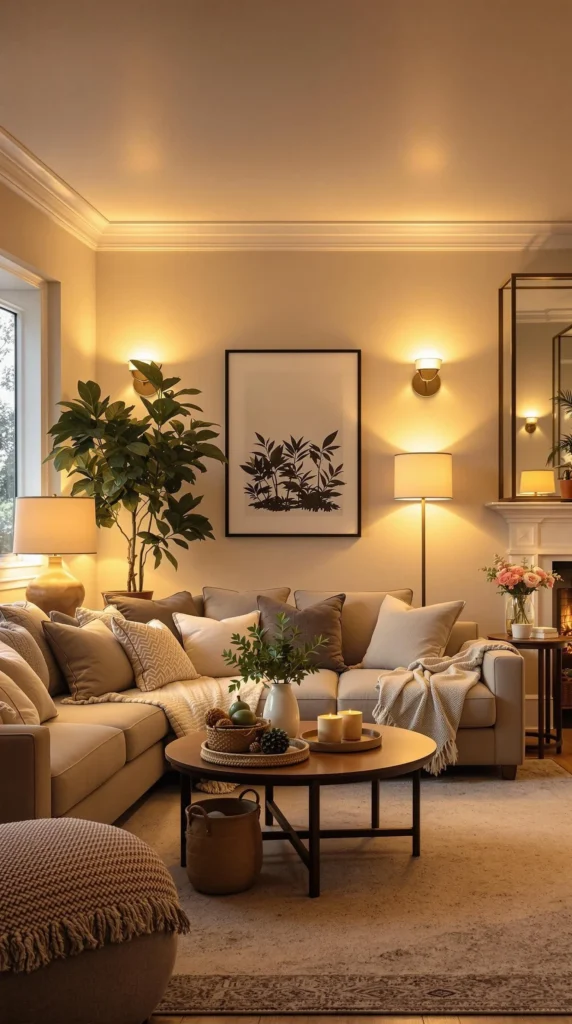
Not all bulbs are created equal. LED technology now offers an incredible range of warm‑tone options that are energy‑efficient and long‑lasting. When selecting fixtures, consider the following criteria:
- Color Rendering Index (CRI): Aim for a CRI of 80 or higher to ensure colors appear true‑to‑life.
- Lumens: Determine the required brightness based on room size; a well‑lit living room often needs 1,500–2,500 lumens total.
- Beam Angle: Narrow beams work for accent lighting, while wide‑angle fixtures are ideal for ambient glow.
For example, a dimmable LED pendant with a warm 2700K output can serve as both a statement piece and a functional source of illumination. Pairing this with a few strategically placed floor lamps creates a layered effect that feels effortless.
Fixture Types That Enhance Warm Lighting
Table lamps with fabric shades, recessed cans with amber filters, and wall sconces finished in brushed brass or matte black all amplify the cozy ambiance. When you choose materials that reflect rather than absorb light—such as glass, polished metal, or light‑colored wood—the overall warmth spreads more evenly throughout the space.
Layering Light: Ambient, Task, and Accent in Home Décor with Cozy Warm Lighting
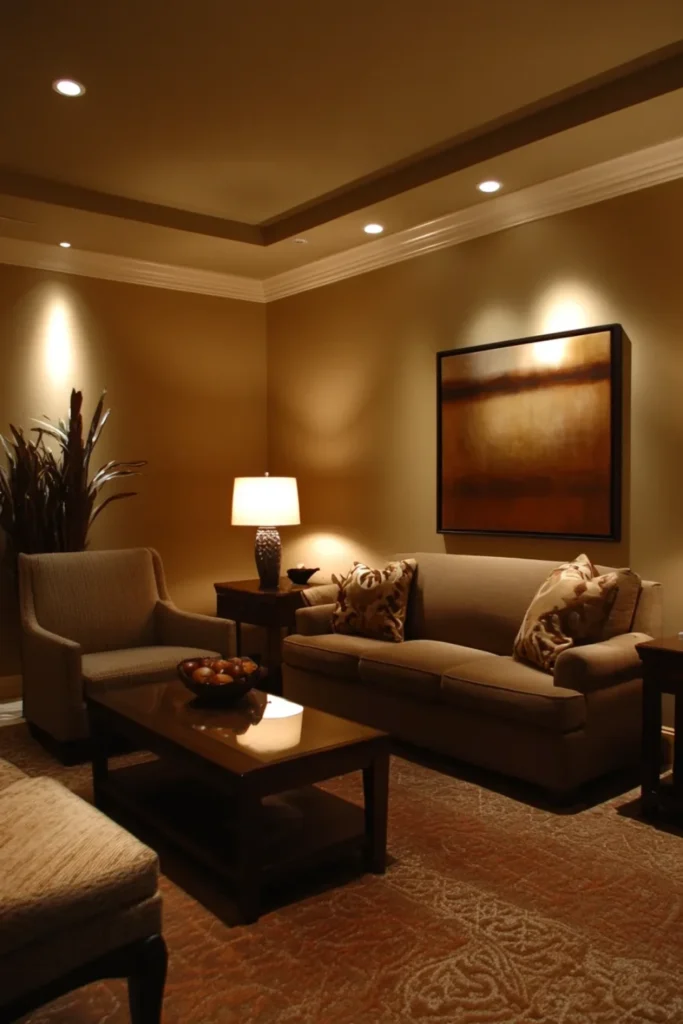
Effective lighting design is rarely about a single source; it’s about layers. Ambient lighting provides the overall glow, task lighting focuses on functional zones, and accent lighting draws attention to architectural or decorative features.
Ambient Layer
Start with ceiling‑mounted fixtures or recessed LEDs that emit a soft, diffuse warm light. A dimmable overhead fixture allows you to lower the intensity for movie nights or raise it for gatherings.
Task Layer
In kitchens, install under‑cabinet LED strips set to a warm 3000K temperature. In reading nooks, a floor lamp with an adjustable arm ensures the light stays focused without breaking the overall warmth.
Accent Layer
Use narrow‑beam spotlights or LED tape to highlight artwork, shelving, or textured walls. The subtle contrast between the warm ambient glow and the slightly brighter accent points adds depth and visual interest.
Room‑by‑Room Applications of Home Décor with Cozy Warm Lighting
Each room has unique functional needs, but the principle of warm, inviting illumination applies universally. Below are practical examples that demonstrate how to tailor your lighting strategy.
Living Room
Combine a large, warm‑tone chandelier with floor lamps placed near seating. Add LED strip lighting behind a media console for a soft backlight that reduces eye strain while preserving the cozy atmosphere.
Bedroom
Bedside table lamps with warm fabric shades create a gentle wake‑up routine. Consider installing a dimmable cove light behind a headboard to provide a subtle night‑time glow without harsh glare.
Kitchen
While kitchens often require brighter task lighting, you can still maintain warmth by selecting warm‑tone LEDs for pendant lights over an island. Pair this with warm under‑cabinet lighting to keep the overall feel cohesive.
Home Office
For a productive yet comfortable workspace, use a warm LED desk lamp alongside a dimmable ceiling fixture. This balance prevents the clinical feel of cool fluorescent lighting while still supporting focus.
Small Spaces and Studios
In compact apartments, mirrors reflect warm light, amplifying brightness without additional fixtures. Choose wall sconces with slim profiles to avoid clutter while still providing that soothing glow.
For more inspiration on maximizing tiny living areas, check out our guide on tiny living room styling ideas – big impact in small spaces.
Smart Lighting Controls and Energy Efficiency
Modern technology makes it easier than ever to maintain the perfect level of warmth without sacrificing energy savings. Smart dimmers, motion sensors, and color‑temperature controls allow you to adjust the ambiance on the fly.
- Dimmable LEDs: Reduce power usage by up to 60% when set to lower brightness.
- Timers & Schedules: Program lights to turn on at sunset, ensuring your home always feels welcoming.
- Voice Control: Integrate with Alexa or Google Assistant for hands‑free adjustments.
When choosing smart solutions, prioritize devices that retain the warm color temperature range. Some systems default to cooler daylight settings, which can undermine the cozy vibe you’re aiming for.
Energy‑Saving Tips for Warm Lighting
Opt for LEDs with a high efficacy rating (lumens per watt) and pair them with occupancy sensors in rarely used rooms like closets. This approach maintains the inviting atmosphere while keeping utility bills low.
Maintaining the Warmth: Tips for Long‑Term Success
Even the most thoughtfully designed lighting can lose its charm over time if not cared for. Here are practical steps to keep your home décor with cozy warm lighting fresh and functional.
- Clean Fixtures Regularly: Dust accumulation dulls the light output and can change the perceived warmth.
- Replace Aging Bulbs: LEDs can dim after several years; swapping them maintains consistent brightness.
- Refresh Textiles: Update lamp shades and curtains with warm‑toned fabrics to reinforce the lighting effect.
Adding a few low‑light indoor plants can also enhance the ambiance. For a curated selection, see our article on best low light indoor trees for stylish home spaces, which pairs naturally with warm illumination.
Quick Home Décor Tips for Cozy Warm Lighting
- Choose dimmable fixtures to control intensity throughout the day.
- Incorporate warm‑tone metals like brass or copper for a reflective boost.
- Layer a warm LED strip behind open shelving for a subtle backlight.
- Use textured fabrics (linen, wool) on cushions and throws to catch the glow.
- Pair warm lighting with neutral wall colors to let the light be the star.
Common Mistakes to Avoid When Designing Home Décor with Cozy Warm Lighting
Even seasoned decorators can slip up. Recognizing these pitfalls early saves time and money.
- Over‑reliance on a single light source: One overhead fixture rarely provides even illumination; layering is essential.
- Choosing the wrong bulb temperature: A 3500K bulb may appear cool and clash with warm décor.
- Neglecting dimmers: Fixed‑intensity lights can feel harsh at night or during intimate moments.
- Ignoring the impact of paint color: Dark walls absorb warm light, reducing its effectiveness.
- Forgetting task lighting in work areas: Warm ambient light alone may not be sufficient for detailed tasks.
Frequently Asked Questions
How can I make a small apartment feel larger with warm lighting?
Use wall‑mounted sconces and recessed lighting to free up floor space. Mirrors placed opposite warm light sources reflect illumination, creating the illusion of depth. Keep fixtures slim and choose a light color temperature around 2700K for a spacious yet cozy feel.
Is LED the best option for warm lighting?
Yes. Modern LEDs offer a wide range of warm color temperatures, high CRI values, and energy efficiency. They also last longer than incandescent bulbs, reducing maintenance while preserving the desired ambiance.
Can I combine warm lighting with smart home devices?
Absolutely. Most smart bulbs allow you to set specific color temperatures and dim levels via an app or voice command. Look for products that support warm white (2700K‑3000K) presets to keep the atmosphere consistent.
What type of lampshade material enhances warm lighting?
Fabrics like linen, cotton, or silk diffuse light gently, preserving its warmth. Avoid metal shades that can reflect harshly unless they have a matte finish. A translucent white shade softens the glow without muting the color.
How do I balance warm lighting with natural daylight?
During daylight hours, use sheer curtains to filter sunlight, allowing the warm artificial light to blend with natural light. In the evenings, dim the ambient fixtures to a lower level and add accent lighting to maintain a consistent warm tone.
Do I need different warm light temperatures for different rooms?
While 2700K is a safe default, you can slightly adjust temperature based on function: 3000K works well in kitchens for better task visibility, whereas 2500K creates a deeper, cozier feel in bedrooms.
By thoughtfully integrating home décor with cozy warm lighting into every corner of your residence, you’ll cultivate a space that feels both stylish and inviting. Remember to layer your light sources, choose the right fixtures, and keep the system adaptable with smart controls. As you experiment, you’ll discover the subtle nuances that make each room uniquely yours.