

Table of Contents
- Understanding the Core Differences: Tile vs Vinyl Plank Flooring
- Durability and Longevity: Tile vs Vinyl Plank Flooring
- Cost Comparison: Budgeting for Tile vs Vinyl Plank Flooring
- Installation Ease: Tile vs Vinyl Plank Flooring
- Comfort and Acoustics: How Tile vs Vinyl Plank Flooring Feels Underfoot
- Design Flexibility: Matching Tile vs Vinyl Plank Flooring with Your Décor
- Maintenance and Care: Keeping Tile vs Vinyl Plank Flooring Pristine
- Environmental Impact: Sustainability of Tile vs Vinyl Plank Flooring
- Real‑World Applications: Which Rooms Favor Tile vs Vinyl Plank Flooring?
- Quick Tips for Choosing Between Tile and Vinyl Plank Flooring
- Common Mistakes When Installing Tile vs Vinyl Plank Flooring
- Frequently Asked Questions
- Design Inspiration: Pairing Flooring with Furniture and Décor
Tile vs Vinyl Plank Flooring: Which Is Right for Your Home?
When it comes to updating a floor, the decision often narrows down to two popular contenders: tile and vinyl plank flooring. Both options promise durability, style, and a range of price points, but they differ in ways that can dramatically affect the look and feel of a room. Whether you’re renovating a kitchen, refreshing a bathroom, or adding warmth to a living area, understanding the strengths and limitations of each material is essential for a successful project.
In this guide we’ll walk through the most important factors—budget, installation, maintenance, comfort, and design versatility—so you can make an informed choice that aligns with your lifestyle and aesthetic goals. By the end, you’ll have a clear picture of how tile vs vinyl plank flooring performs in real‑world scenarios, from high‑traffic hallways to cozy bedrooms.
Understanding the Core Differences: Tile vs Vinyl Plank Flooring
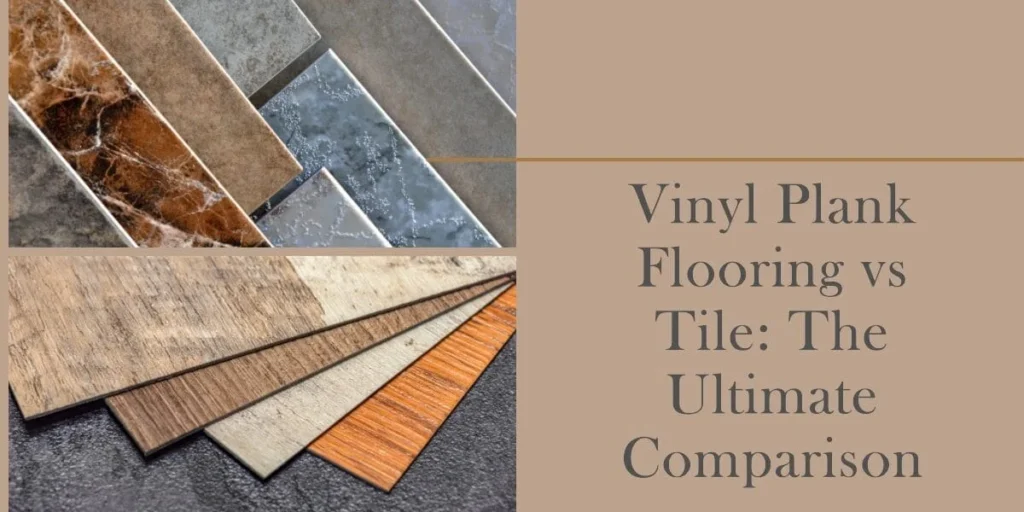
At the most basic level, tile flooring is typically made from ceramic, porcelain, or natural stone, while vinyl plank flooring consists of multiple layers of synthetic materials, topped with a printed design that mimics wood, stone, or other textures. This distinction influences everything from installation method to how the floor feels underfoot.
Tile offers a hard, rigid surface that excels in moisture‑prone areas such as bathrooms and kitchens. Vinyl plank, on the other hand, provides a softer, more forgiving feel and is often praised for its ease of installation, especially in DIY projects. The choice between tile vs vinyl plank flooring often comes down to the specific room’s functional demands and the homeowner’s design preferences.
Durability and Longevity: Tile vs Vinyl Plank Flooring
- Tile: Ceramic and porcelain tiles are fired at high temperatures, making them incredibly resistant to scratches, dents, and moisture. Properly sealed natural stone can last decades, even centuries, with minimal wear.
- Vinyl Plank: Modern luxury vinyl plank (LVP) features wear layers that protect against scratches and stains. While it is durable for everyday traffic, heavy furniture or sharp objects can leave permanent marks over time.
For households with pets or high foot traffic, tile often outperforms vinyl plank in terms of sheer endurance. However, high‑quality LVP has improved dramatically, offering a realistic wood look that can hold up well for 10‑15 years when cared for properly.
Cost Comparison: Budgeting for Tile vs Vinyl Plank Flooring

Budget is a decisive factor for most homeowners. Tile generally commands a higher upfront price, especially when opting for natural stone or designer ceramic pieces. Installation costs also rise because tile requires a mortar bed, grout, and often a professional installer to ensure a level surface.
Vinyl plank flooring is usually more affordable per square foot and can be installed as a DIY “click‑lock” system, saving on labor expenses. However, very high‑end LVP products with thick wear layers can narrow the price gap, making the decision less about cost and more about the desired aesthetic and performance.
Installation Ease: Tile vs Vinyl Plank Flooring
- Tile: Requires a solid subfloor, precise cutting, and meticulous grout work. Mistakes can lead to uneven surfaces or cracked tiles.
- Vinyl Plank: Features a simple floating or glue‑down method. Click‑lock planks snap together, allowing even beginners to achieve professional‑looking results.
For renters or those hesitant to commit to a major renovation, vinyl plank offers a reversible solution. Tile, while more permanent, adds real estate value and can be a selling point in upscale markets.
Comfort and Acoustics: How Tile vs Vinyl Plank Flooring Feels Underfoot
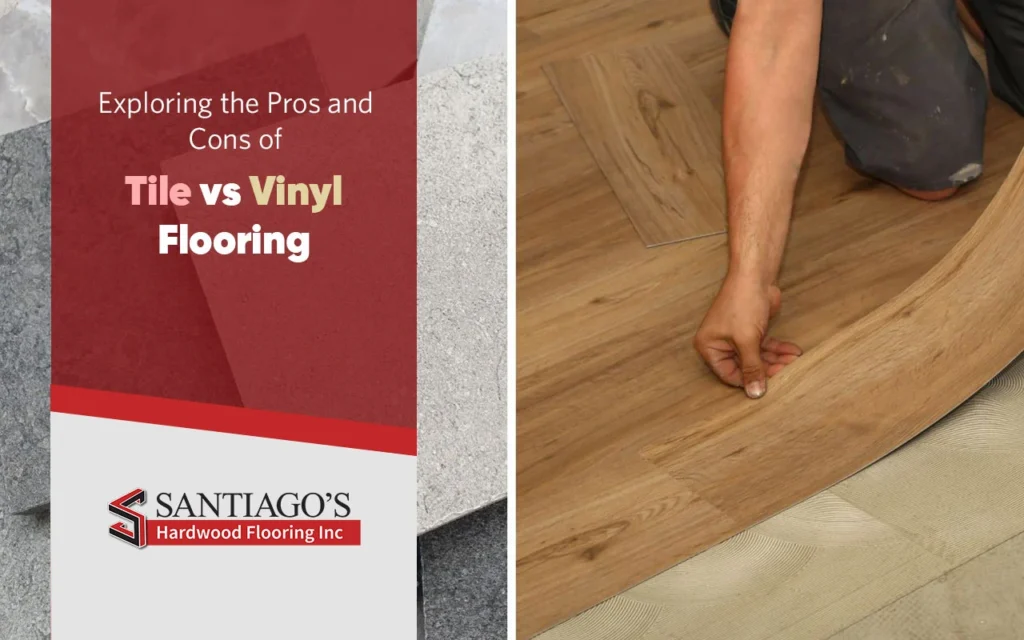
Tile’s hard surface can feel cold and echoey, especially on concrete slabs. Adding underlayment or radiant heating can mitigate these issues, but the initial sensation may still be less forgiving than a softer material.
Vinyl plank flooring typically includes a built‑in cork or foam backing that cushions foot traffic and reduces noise transmission. This makes it an attractive option for multi‑family homes, apartments, or rooms where a quieter environment is prized, such as bedrooms and home offices.
Design Flexibility: Matching Tile vs Vinyl Plank Flooring with Your Décor
Both tile and vinyl plank come in an expansive palette of colors, patterns, and textures. Tile can showcase intricate mosaics, bold geometric shapes, or classic subway designs. Vinyl plank excels at mimicking the look of aged hardwood, reclaimed barn wood, or natural stone without the associated maintenance.
If you’re aiming for a modern, sleek aesthetic, large‑format porcelain tiles in matte finishes can create a seamless, expansive look. For a warm, rustic vibe, a high‑quality LVP that replicates distressed pine can bring that cozy charm while staying budget‑friendly.
Need inspiration? Check out our Cozy Home Trends guide for ideas on blending flooring choices with overall room styling.
Maintenance and Care: Keeping Tile vs Vinyl Plank Flooring Pristine
Tile maintenance revolves around regular cleaning, occasional resealing (for natural stone), and prompt grout repair. Grout can discolor over time, so sealing it every few years helps prevent staining.
Vinyl plank flooring requires simple sweeping or vacuuming, followed by occasional mopping with a manufacturer‑approved cleaner. Avoid abrasive tools that could damage the wear layer. One advantage is that vinyl plank does not have grout lines, eliminating the need for grout upkeep.
Environmental Impact: Sustainability of Tile vs Vinyl Plank Flooring
- Tile: Natural stone and some ceramic tiles are sourced from abundant earth materials. However, the firing process consumes significant energy.
- Vinyl Plank: Made from PVC, which has a higher environmental footprint, though many manufacturers now use recycled content and greener production methods.
For eco‑conscious homeowners, consider tiles with a low‑impact glaze or recycled-content LVP. Pairing either choice with sustainable underlayment and responsible disposal practices can further reduce the environmental impact.
Real‑World Applications: Which Rooms Favor Tile vs Vinyl Plank Flooring?
Bathrooms and Wet Areas: Tile shines due to its water resistance and ability to be sealed at seams. Vinyl plank can also be used in bathrooms if it’s specifically rated for high moisture, but tile remains the go‑to for a timeless, waterproof surface.
Kitchens: Both options work well, but tile offers heat resistance for backsplashes and can handle heavy appliances. Vinyl plank provides a softer surface for standing while cooking and can be more forgiving under dropped utensils.
Living Rooms and Bedrooms: Vinyl plank often wins for comfort, warmth, and sound absorption. However, large‑format tile can create a sleek, contemporary look that feels spacious, especially when paired with area rugs.
Looking for a small‑space makeover? Our DIY apartment décor inspiration article showcases clever ways to integrate flooring choices into compact layouts.
Quick Tips for Choosing Between Tile and Vinyl Plank Flooring
- Assess the room’s moisture level—opt for tile in wet zones, vinyl plank in dry or moderately damp areas.
- Set a realistic budget, accounting for both material and labor; remember vinyl plank often saves on installation costs.
- Consider comfort—add underlayment beneath tile or choose thicker LVP for a cushier feel.
- Test samples side‑by‑side; lighting can dramatically alter how colors and textures appear.
- Plan for future resale—high‑quality tile can boost property value, while premium LVP offers a modern aesthetic without the high price tag.
Common Mistakes When Installing Tile vs Vinyl Plank Flooring
One frequent error is underestimating the importance of a level subfloor. Tile demands a perfectly flat surface; any imperfections can lead to cracked tiles down the line. Vinyl plank is more forgiving but still benefits from a smooth, clean base to prevent telegraphing of imperfections.
Another mistake is neglecting proper expansion gaps. Both tile and vinyl plank expand with temperature changes. Failing to leave appropriate gaps around walls can cause buckling or grout cracking.
Lastly, many homeowners skip the acclimation period for vinyl plank. Allowing the planks to sit in the installation room for 48–72 hours helps them adjust to temperature and humidity, ensuring a stable fit.
Frequently Asked Questions
Can vinyl plank flooring be installed over existing tile?
Yes, many LVP products are designed for direct‑over‑tile installation provided the existing tiles are level, securely bonded, and free of cracks. A thin underlayment can smooth minor imperfections.
Is tile more suitable for underfloor heating?
Tile conducts heat efficiently and works exceptionally well with radiant floor heating systems. Vinyl plank can also be used with radiant heat, but it requires a product specifically rated for that purpose.
How does tile vs vinyl plank flooring affect home resale value?
High‑quality tile, especially natural stone, is often viewed as a premium feature and can increase resale value. Modern luxury vinyl plank, when well‑installed, is also attractive to buyers seeking durability and style at a lower price point.
What is the best way to clean grout lines?
Use a pH‑neutral cleaner and a soft brush to avoid damaging the grout. Sealing grout annually helps prevent stains and makes cleaning easier.
Can I mix tile and vinyl plank in the same home?
Absolutely. Many designers pair tile in wet areas with vinyl plank in living spaces for a balanced mix of durability and comfort.
Design Inspiration: Pairing Flooring with Furniture and Décor
Choosing tile vs vinyl plank flooring is only the first step; how you dress the space completes the look. For a sleek modern kitchen, consider large, matte porcelain tiles paired with minimalistic stainless‑steel appliances and open shelving. In a living room, a warm LVP that mimics reclaimed wood pairs beautifully with a plush area rug, woven poufs, and natural textures.
Explore our Living Room Décor with Woven Poufs article for ideas on integrating flooring with accessories that enhance both style and comfort.
When selecting cabinets, keep proportions in mind. Our comparison of Omega Cabinets vs Kraftmaid can guide you toward cabinetry that complements either tile or vinyl plank surfaces, ensuring a cohesive design narrative throughout the home.
Finally, remember that lighting plays a crucial role. Cool‑tone lighting can highlight the sleekness of porcelain tile, while warm‑tone fixtures enhance the natural warmth of wood‑look LVP.
With these considerations in mind, you’ll be equipped to decide whether tile or vinyl plank flooring best serves your functional needs and aesthetic aspirations.