
Table of Contents
- Understanding the Core Differences: Stainless Steel vs Chrome Kitchen Faucets
- Stainless Steel vs Chrome Kitchen Faucets: Durability and Longevity
- Style and Aesthetic Compatibility in Modern Kitchens
- Maintenance: Cleaning Tips and Long‑Term Care
- Quick Maintenance Checklist for Stainless Steel vs Chrome Kitchen Faucets
- Cost Considerations: Budgeting for Quality
- Environmental Impact and Sustainability
- Installation and Compatibility with Existing Plumbing
- Quick Tips for Choosing the Perfect Finish
- Common Mistakes to Avoid When Selecting a Faucet Finish
- Frequently Asked Questions
- Is stainless steel always more expensive than chrome?
- Can I use a chrome faucet in a farmhouse‑style kitchen?
- How often should I polish a chrome faucet?
- Do stainless steel faucets develop a patina over time?
- Are there health concerns with chrome plating?
- Which finish is better for a small kitchen?
Stainless Steel vs Chrome Kitchen Faucets – Which Is Right for Your Home
Choosing the right kitchen faucet can feel like a small decision that ends up shaping the entire look and feel of your cooking space. With the market flooded with finishes, the classic debate often narrows down to two popular options: stainless steel and chrome. Both materials promise a sleek, modern aesthetic, but their performance, maintenance needs, and long‑term value can differ significantly.
In this guide, we’ll walk you through every angle of the stainless steel vs chrome kitchen faucets conversation. From durability and visual impact to budget considerations and how each finish plays with other home décor elements, you’ll leave with a clear understanding of which faucet aligns with your style and lifestyle. Ready to make an informed choice? Let’s dive in.
Understanding the Core Differences: Stainless Steel vs Chrome Kitchen Faucets

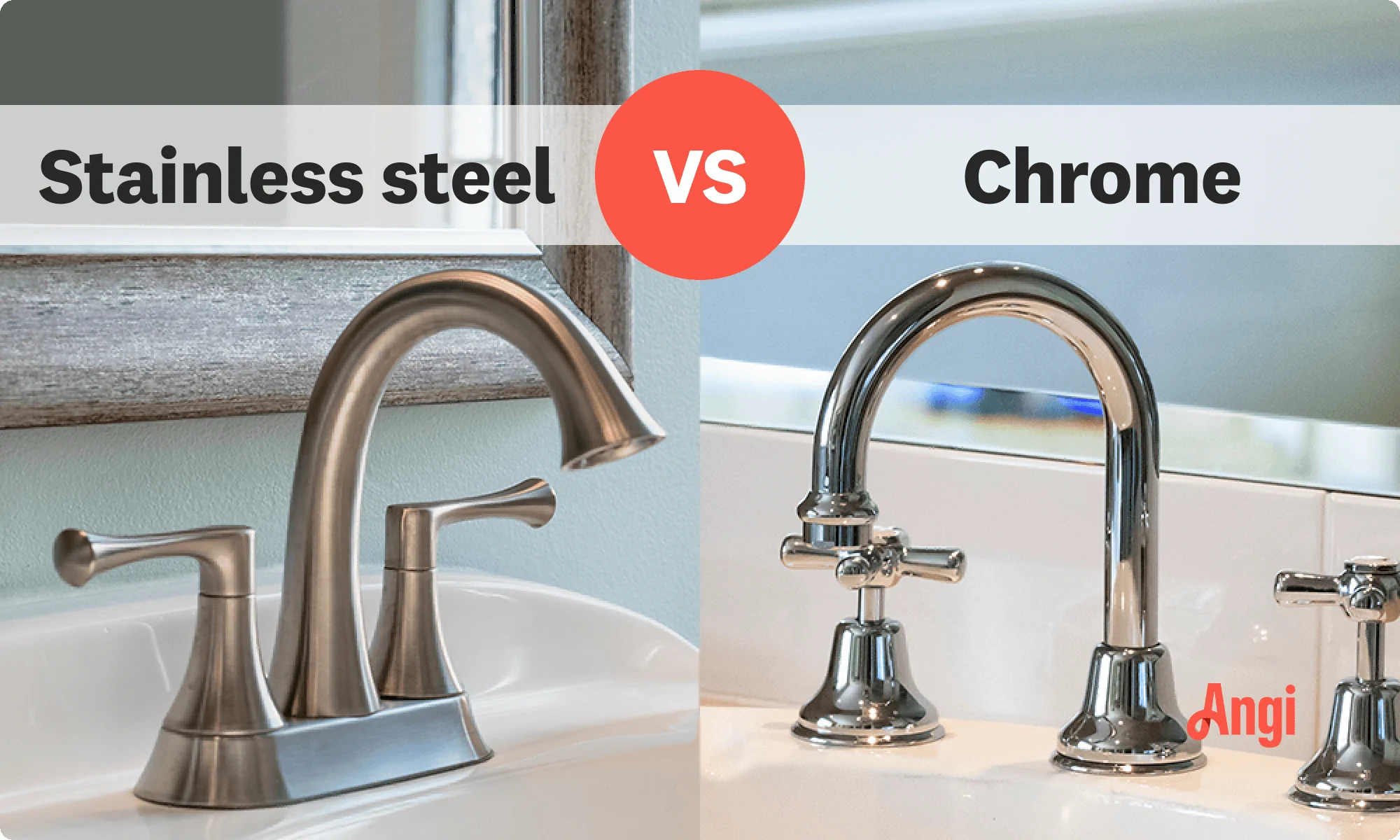
At first glance, stainless steel and chrome may appear interchangeable because both produce a bright, reflective surface. However, the underlying material and coating process set them apart. Stainless steel faucets are typically crafted from a solid alloy, often 18/8 or 304 grade, which offers inherent corrosion resistance. Chrome faucets, on the other hand, are usually made of brass or other base metals that receive a chrome plating—a thin, electroplated layer that mimics the look of polished steel.
The distinction matters when you consider factors such as longevity, susceptibility to water spots, and the way each finish ages. While stainless steel tends to maintain its luster for years with minimal effort, chrome’s thin coating can wear off over time, especially in high‑traffic kitchens.
Stainless Steel vs Chrome Kitchen Faucets: Durability and Longevity
Durability is a top concern for any homeowner, and here stainless steel often pulls ahead. Because the material itself is corrosion‑resistant, it can handle hard water, acidic spills, and frequent use without pitting. Chrome finishes, though initially gleaming, rely on the underlying metal’s integrity; any breach in the plating can expose the base metal to rust.
- Corrosion resistance: Stainless steel offers superior protection against rust and stains.
- Wear and tear: Chrome can develop dull spots where the plating chips.
- Temperature tolerance: Both finishes handle hot water well, but stainless steel is less prone to thermal expansion cracks.
Style and Aesthetic Compatibility in Modern Kitchens
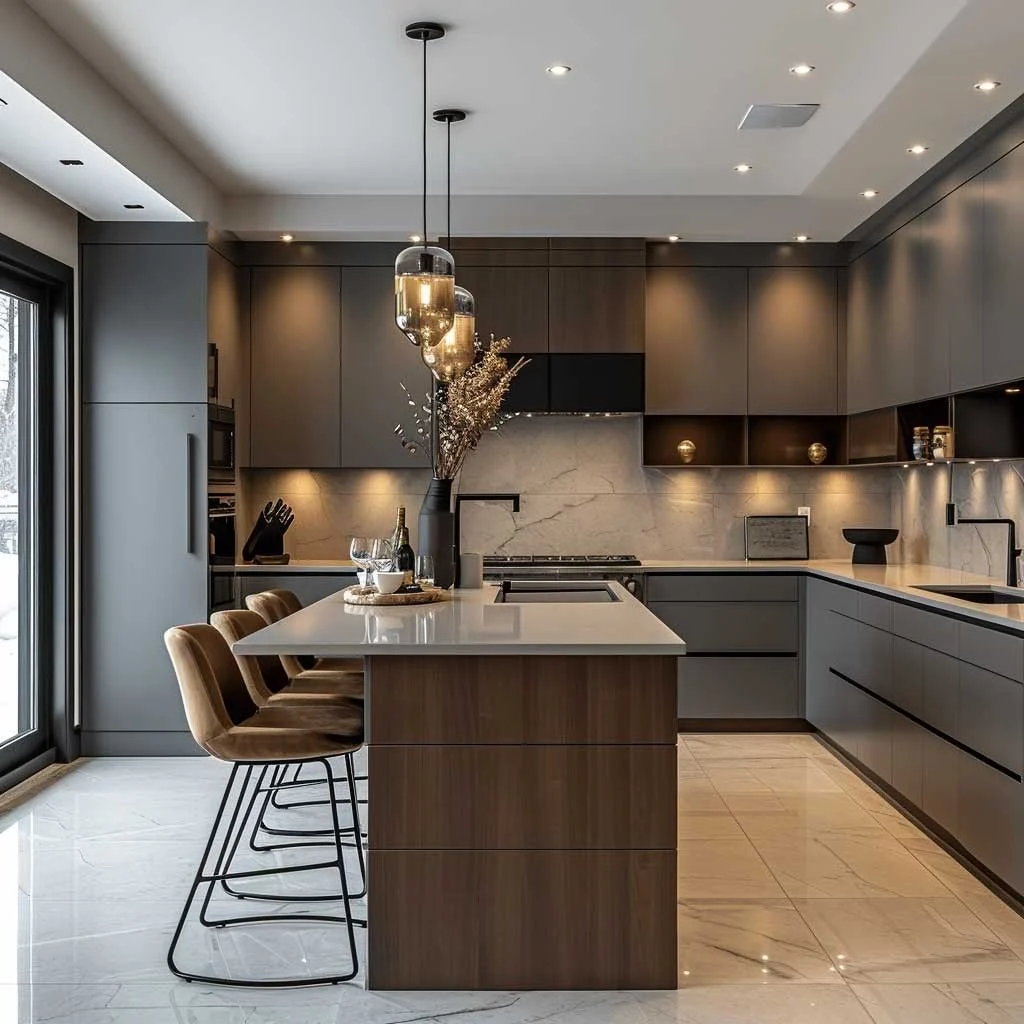
When it comes to design, both stainless steel and chrome fit comfortably within contemporary, industrial, and minimalist kitchens. However, subtle differences can influence the overall vibe. Stainless steel often exudes a slightly softer, matte‑ish glow that pairs well with natural wood, concrete countertops, and matte black hardware. Chrome, with its mirror‑like shine, amplifies a high‑gloss, almost futuristic atmosphere, making it a perfect match for glossy cabinets, glass backsplashes, and polished stone surfaces.
Imagine a sleek, white subway‑tile backsplash paired with a chrome faucet—the reflective surfaces bounce light, brightening the space. Conversely, a warm, reclaimed‑wood island alongside a stainless steel faucet creates a balanced, inviting contrast. For inspiration, check out our Creative kitchen counter décor ideas for a stylish home guide, where we showcase real‑world pairings.
Maintenance: Cleaning Tips and Long‑Term Care

Both finishes promise easy cleaning, yet the approach differs slightly. Stainless steel faucets can be wiped clean with a soft cloth and mild detergent, and they tend to resist water spots. Chrome faucets, while also easy to wipe, may reveal water spots more readily, especially in areas with hard water. Regular polishing with a non‑abrasive chrome cleaner can keep the shine, but it adds an extra step to your routine.
Quick Maintenance Checklist for Stainless Steel vs Chrome Kitchen Faucets
- Wipe daily with a microfiber cloth to remove splashes.
- Use a pH‑balanced cleaner; avoid acidic or bleach‑based products on chrome.
- For stubborn stains on stainless steel, a mixture of baking soda and water works wonders.
- Polish chrome once a month with a dedicated chrome polish to maintain its mirror finish.
Cost Considerations: Budgeting for Quality
Price is often the deciding factor for many homeowners. Generally, stainless steel faucets command a higher upfront cost because of the material’s intrinsic value and manufacturing processes. Chrome faucets are frequently more affordable, especially when you factor in the lower material cost of the base metal and the relatively simple plating process.
However, consider the total cost of ownership. A cheaper chrome faucet might need replacement sooner if the plating wears, whereas a stainless steel model could serve for a decade or more without degradation. Investing a bit more initially in stainless steel can translate into long‑term savings and fewer headaches.
Environmental Impact and Sustainability
Eco‑conscious buyers often ask which option is greener. Stainless steel is recyclable and typically manufactured using a higher proportion of recycled material. Its longevity reduces the frequency of replacement, lowering waste. Chrome plating involves additional chemical processes and can produce hazardous by‑products if not managed responsibly.
If sustainability is a priority, opting for a stainless steel faucet aligns with green building principles and may contribute to LEED‑type certifications for your home renovation.
Installation and Compatibility with Existing Plumbing
Both stainless steel and chrome faucets are available in a variety of mounting styles—single‑hole, three‑hole, wall‑mounted, and pull‑down or pull‑out sprayers. Installation difficulty is usually comparable, but be aware that some stainless steel models can be heavier due to the solid alloy construction. This may require sturdier mounting hardware, especially on older cabinets.
When upgrading, ensure the faucet’s deck‑plate matches your sink’s hole configuration. If you’re unsure, a professional plumber can help you avoid costly mistakes and guarantee a leak‑free fit.
Quick Tips for Choosing the Perfect Finish
- Assess your kitchen’s existing palette—warm woods lean toward stainless steel, while glossy surfaces favor chrome.
- Consider water hardness; stainless steel handles hard water better.
- Think long‑term: stainless steel may cost more now but often lasts longer.
- Check warranty details; many stainless steel models offer extended coverage.
- Match hardware finishes (drawer pulls, cabinet knobs) to your faucet for a cohesive look.
Common Mistakes to Avoid When Selecting a Faucet Finish
Even seasoned homeowners can slip into common pitfalls:
- Ignoring water hardness: Choosing chrome in a hard‑water area can lead to unsightly spots.
- Overlooking style cohesion: A chrome faucet with matte black cabinets can feel disjointed.
- Skipping warranty review: Some cheaper chrome faucets have limited or no warranty, leaving you exposed.
- Neglecting installation requirements: Heavier stainless steel models need reinforced mounting plates.
Frequently Asked Questions
Is stainless steel always more expensive than chrome?
Typically, yes. Stainless steel faucets are made from solid alloy, which raises material costs. However, price varies by brand, design complexity, and additional features such as touchless sensors.
Can I use a chrome faucet in a farmhouse‑style kitchen?
Absolutely. While chrome is often associated with modern aesthetics, pairing it with rustic wood, matte black fixtures, or even vintage tiles can create a striking contrast that balances old and new.
How often should I polish a chrome faucet?
For most households, polishing once every 1–2 months keeps the shine intact. In areas with hard water, you might need to polish more frequently to prevent mineral buildup.
Do stainless steel faucets develop a patina over time?
High‑grade stainless steel (304) resists patina formation. If it does develop a subtle sheen, many homeowners consider it a sign of character rather than wear.
Are there health concerns with chrome plating?
Chrome plating used in kitchen faucets is generally safe and meets industry standards. However, low‑quality plating could contain trace amounts of hexavalent chromium, which is harmful. Always buy from reputable manufacturers.
Which finish is better for a small kitchen?
Both finishes can work, but stainless steel’s slightly softer reflectivity may make a tiny space feel less stark, while a polished chrome can amplify light, making the area appear larger. Choose based on the overall lighting and color scheme.
Deciding between stainless steel vs chrome kitchen faucets ultimately hinges on your personal priorities—whether you value durability, aesthetic harmony, maintenance ease, or budget constraints. By weighing these factors carefully, you’ll select a faucet that not only meets functional needs but also enhances the visual narrative of your kitchen.
Feel inspired to experiment with other design elements? Explore our Home Décor with Woven Textures: A Complete Guide for texture ideas that pair beautifully with either faucet finish, or dive into our Minimalist Home Décor with Beige Palette – A Complete Guide to see how neutral tones can complement both stainless steel and chrome.
Happy decorating, and may your new faucet bring both function and flair to your culinary haven!