

Table of Contents
- Understanding the Basics: What Is Decomposed Granite?
- Stabilized vs Unstabilized Decomposed Granite: Core Differences
- Load‑Bearing Capacity
- Weather Resistance
- Maintenance Needs
- Installation Guide: How to Lay Stabilized and Unstabilized DG Correctly
- Preparing the Base
- Laying Unstabilized DG
- Laying Stabilized DG
- Design Applications: Where Stabilized and Unstabilized DG Shine
- Patios and Outdoor Living Areas
- Garden Paths and Walkways
- Playgrounds and Pet Areas
- Cost Considerations: Budgeting for Stabilized vs Unstabilized DG
- Material Costs
- Labor and Equipment
- Long‑Term Value
- Quick Tips for Maintaining Your DG Surface
- Common Mistakes and How to Avoid Them
- Insufficient Base Preparation
- Over‑Compacting Unstabilized DG
- Choosing the Wrong Binder Ratio
- Neglecting Edge Restraints
- Frequently Asked Questions
- Is stabilized decomposed granite suitable for wheelchair access?
- Can I convert an existing unstabilized DG path to a stabilized one?
- How does drainage differ between the two types?
- Do I need a sealant for stabilized DG?
- Which type is more eco‑friendly?
- Can I use decomposed granite in indoor spaces?
Stabilized vs Unstabilized Decomposed Granite: Choosing the Right Surface for Your Outdoor Spaces
When it comes to creating functional and attractive outdoor areas, decomposed granite (DG) has become a favorite material for homeowners, designers, and landscape contractors alike. Its natural, earthy look blends seamlessly with modern aesthetics, while its permeability helps manage rainwater runoff. However, not all DG is created equal. The decision between stabilized and unstabilized decomposed granite can dramatically affect durability, cost, and the overall look of a patio, pathway, or play area.
This article walks you through the key differences, practical considerations, and design possibilities of stabilized vs unstabilized decomposed granite. Whether you’re planning a backyard fire pit patio, a garden walk, or a stylish entryway for a small apartment balcony, you’ll find actionable tips that fit both budget and style goals.
By the end of the read, you’ll understand when each type shines, how to install it correctly, and how to keep it looking fresh for years. Let’s dig into the details.
Understanding the Basics: What Is Decomposed Granite?

Decomposed granite is the result of natural granite rock that has weathered over thousands of years, breaking down into small, sand‑like particles mixed with fine gravel. Its texture is gritty yet compactable, offering a stable surface when properly installed. Because it’s a natural stone, DG comes in a range of colors—from warm amber to deep red—allowing designers to match it with any palette.
The material can be used in two primary forms:
- Unstabilized DG: Pure, untreated particles that rely on compaction and occasional binding agents applied after installation.
- Stabilized DG: A blend that includes a binding agent—such as polymeric resin, latex, or cement—mixed directly with the granite before it’s laid down.
Both options provide a natural look, but the performance and maintenance requirements differ significantly, especially under heavy foot traffic or in climates with high rainfall.
Stabilized vs Unstabilized Decomposed Granite: Core Differences
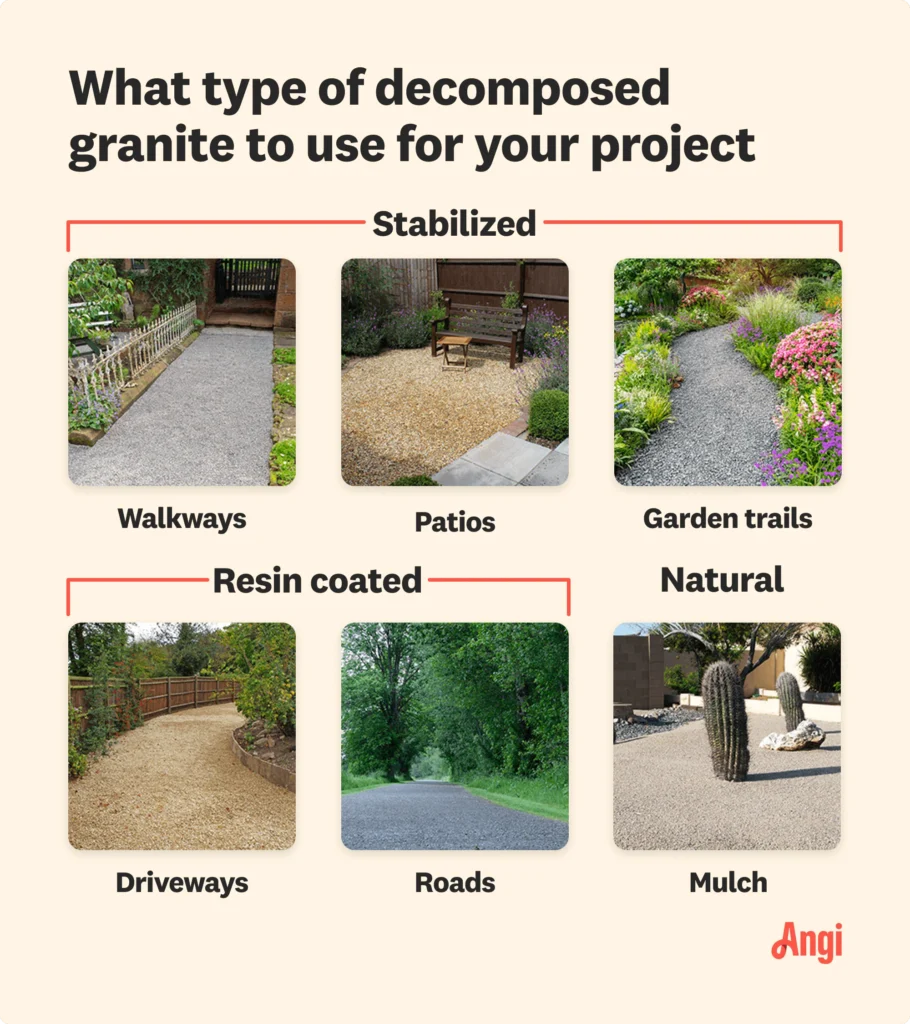
Choosing between stabilized and unstabilized decomposed granite hinges on three core factors: load‑bearing capacity, weather resistance, and long‑term upkeep. Below is a concise comparison that highlights the practical implications of each.
Load‑Bearing Capacity
- Stabilized DG: The binding agent creates a semi‑rigid surface that can support heavier furniture, outdoor kitchens, and even small vehicles without excessive shifting.
- Unstabilized DG: Best suited for low‑traffic zones such as garden paths or casual fire pit surrounds. It can become loose over time under weight.
Weather Resistance
- Stabilized DG: The polymer or cement coating reduces erosion caused by rain, snow melt, or wind, keeping the surface relatively flat and dry.
- Unstabilized DG: Prone to displacement after heavy storms, requiring periodic re‑leveling and occasional addition of new material.
Maintenance Needs
- Stabilized DG: Requires less frequent raking or topping‑up, but if the binder degrades, repairs involve re‑applying the stabilizer.
- Unstabilized DG: Simple to rejuvenate—just add fresh DG, compact, and sweep. Ideal for DIY enthusiasts who enjoy occasional upkeep.
Understanding these distinctions helps you match the material to the intended use, budget constraints, and your willingness to perform routine maintenance.
Installation Guide: How to Lay Stabilized and Unstabilized DG Correctly
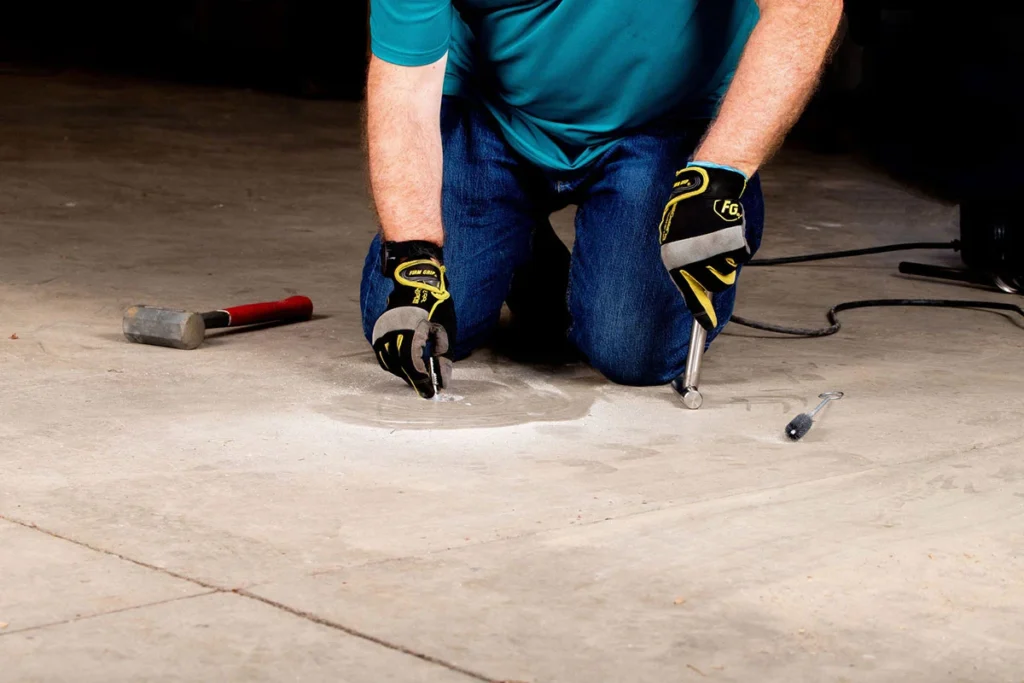
A successful DG project starts with proper site preparation. Skipping steps can lead to uneven surfaces, weed growth, and premature deterioration.
Preparing the Base
Both stabilized and unstabilized versions need a well‑graded base layer to promote drainage and stability. Follow these steps:
- Excavate the area to a depth of 4‑6 inches, depending on the anticipated traffic.
- Add a 2‑inch layer of crushed stone or coarse sand for drainage.
- Compact the base using a plate compactor until it’s firm and level.
Laying Unstabilized DG
After the base is ready, spread the unstabilized DG evenly to a depth of 2‑3 inches. Use a landscape rake to achieve a uniform thickness, then compact it with the plate compactor. Finally, mist the surface lightly with water and sweep to settle the particles.
Laying Stabilized DG
For stabilized DG, the binder is typically mixed with the granite in a concrete mixer. Pour the mixture onto the prepared base, spread it with a screed board, and compact while the binder is still wet. The curing time varies—usually 24‑48 hours—after which you can walk on the surface.
Both methods benefit from a final edging of metal or plastic to contain the material and prevent spreading.
Design Applications: Where Stabilized and Unstabilized DG Shine
Choosing the right type of DG also depends on the visual impact you want to achieve. Below are common outdoor scenarios and which version works best.
Patios and Outdoor Living Areas
Stabilized DG is the preferred choice for patios that will host heavy furniture, grills, and frequent gatherings. Its firm surface mimics the look of natural stone without the high cost, and the binder prevents the gravel from scattering when chairs are moved.
Garden Paths and Walkways
Unstabilized DG offers a soft, natural feel underfoot, making it ideal for winding garden paths that wind through flower beds. Its porous nature allows water to seep through, reducing puddling.
Playgrounds and Pet Areas
Both types can be used, but consider stabilized DG for playgrounds where safety is paramount; the surface stays compacted, reducing tripping hazards. For pet areas, unstabilized DG is easy to clean and can be refreshed as needed.
For a fresh perspective on outdoor styling, check out our guide on balcony décor with woven baskets – Transform Your Outdoor Oasis. The natural texture of DG pairs beautifully with woven elements, adding a cohesive, organic vibe.
Cost Considerations: Budgeting for Stabilized vs Unstabilized DG
Budget is often the deciding factor. While both materials are relatively affordable compared to poured concrete or natural stone, there are notable cost differences.
Material Costs
- Stabilized DG: Generally $3‑$5 per square foot, including the binder.
- Unstabilized DG: Typically $2‑$3 per square foot, as it’s just raw stone.
Labor and Equipment
Stabilized DG may require specialized mixing equipment and a longer curing period, slightly raising labor expenses. Unstabilized DG is simpler to spread and compact, making it a popular DIY choice.
Long‑Term Value
Although the upfront price of stabilized DG is higher, its reduced maintenance can result in lower total cost over a decade. Unstabilized DG’s lower initial price may be offset by periodic re‑top‑ups and occasional re‑compaction.
Quick Tips for Maintaining Your DG Surface
- Rake gently after heavy rain to redistribute any displaced particles.
- Apply a thin layer of fresh DG to worn spots every 2‑3 years for unstabilized surfaces.
- Use a polymer sealant once every 5‑7 years on stabilized DG to refresh the binder.
- Keep edging intact to prevent the material from spreading into adjacent lawns.
- For high‑traffic zones, consider adding stepping stones or pavers to reduce wear.
Common Mistakes and How to Avoid Them
Even experienced DIYers can stumble when working with decomposed granite. Here are frequent errors and practical solutions.
Insufficient Base Preparation
Skipping the crushed stone base leads to water pooling and surface unevenness. Always allocate at least a 2‑inch drainage layer and compact it thoroughly.
Over‑Compacting Unstabilized DG
Pressing the material too hard can crush the granite particles, creating a hard, less permeable surface. Aim for firm but not overly dense compaction.
Choosing the Wrong Binder Ratio
When mixing stabilized DG, an excess of binder can cause cracking as it dries, while too little reduces the stabilizing effect. Follow manufacturer guidelines for optimal mix ratios.
Neglecting Edge Restraints
Without proper edging, DG can migrate into garden beds, creating a mess. Install metal, plastic, or stone edging before spreading the material.
Frequently Asked Questions
Is stabilized decomposed granite suitable for wheelchair access?
Yes, when installed with a proper base and compacted to a smooth finish, stabilized DG can meet accessibility standards. The binder creates a firm, even surface that can accommodate wheelchair wheels without excessive resistance.
Can I convert an existing unstabilized DG path to a stabilized one?
Absolutely. First, remove loose material, re‑level the base, then apply a new layer of stabilized DG using the recommended binder mix. This upgrade can dramatically improve durability and reduce future maintenance.
How does drainage differ between the two types?
Both allow water to percolate, but unstabilized DG offers higher permeability because the particles are not bonded. Stabilized DG still drains well, but the binder can slightly reduce flow—still sufficient for most residential applications.
Do I need a sealant for stabilized DG?
Sealants are not mandatory but can extend the life of the binder by protecting it from UV degradation and heavy moisture. Applying a polymer sealant every 5‑7 years is a common maintenance practice.
Which type is more eco‑friendly?
Unstabilized DG is the greener choice because it involves no synthetic binders. However, stabilized DG using water‑based polymer binders has a low environmental impact compared to cement‑based alternatives.
Can I use decomposed granite in indoor spaces?
While uncommon, DG can be used indoors for rustic flooring in basements or sunrooms, especially when combined with a stabilizer to prevent dust. Proper sealing and a moisture barrier are essential for indoor applications.
For more style inspiration, explore our article on small living room wall décor ideas – Modern Styling Tips for Compact Spaces. Pairing indoor design concepts with outdoor material choices creates a seamless flow throughout the home.
When planning a modern outdoor retreat, consider how stabilized vs unstabilized decomposed granite fits into your overall design language. If you’re aiming for a sleek, low‑maintenance patio that can host a dining set and fire pit, stabilized DG provides the sturdy base you need. Conversely, for a gentle garden stroll or a casual pet play zone, unstabilized DG delivers a natural, breathable surface that can be refreshed with minimal effort.
Remember that the right choice hinges on traffic intensity, climate, budget, and how much maintenance you’re comfortable handling. By following the installation tips, design ideas, and maintenance practices outlined above, you’ll create an outdoor space that not only looks great but also stands the test of time.