
Table of Contents
- Understanding square vs round recessed lighting
- Choosing square vs round recessed lighting for your space
- Aesthetic impact of square vs round recessed lighting
- Technical considerations: beam spread, dimming, and energy efficiency
- Room‑by‑room recommendations for square vs round recessed lighting
- Design tips to integrate square and round recessed lighting together
- Quick actionable tips
- Common mistakes and how to avoid them
- Frequently Asked Questions
- Final thoughts on square vs round recessed lighting
When it comes to illuminating a space, recessed lighting offers a clean, unobtrusive way to add both function and style. Yet many homeowners and designers find themselves at a crossroads: should they opt for square or round recessed lighting? The choice may seem aesthetic at first glance, but the shape influences light distribution, ceiling aesthetics, installation ease, and even the overall mood of a room. In this guide, we’ll unpack the nuances of square versus round recessed lighting, helping you make an informed decision that aligns with your design vision and practical needs.
Whether you’re revamping a sleek modern kitchen, creating a cozy bedroom retreat, or planning a functional home office, the shape of your recessed fixtures can subtly shift the visual balance of the space. We’ll explore how each shape works in different rooms, examine technical considerations such as beam spread and trim options, and share actionable tips for seamless integration. By the end of this article, you’ll have a clear roadmap for selecting the right recessed lighting shape for every corner of your home.
Understanding square vs round recessed lighting
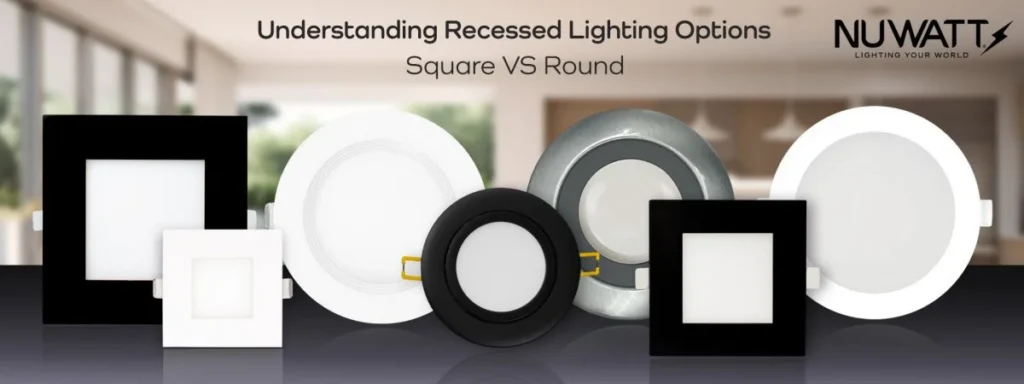
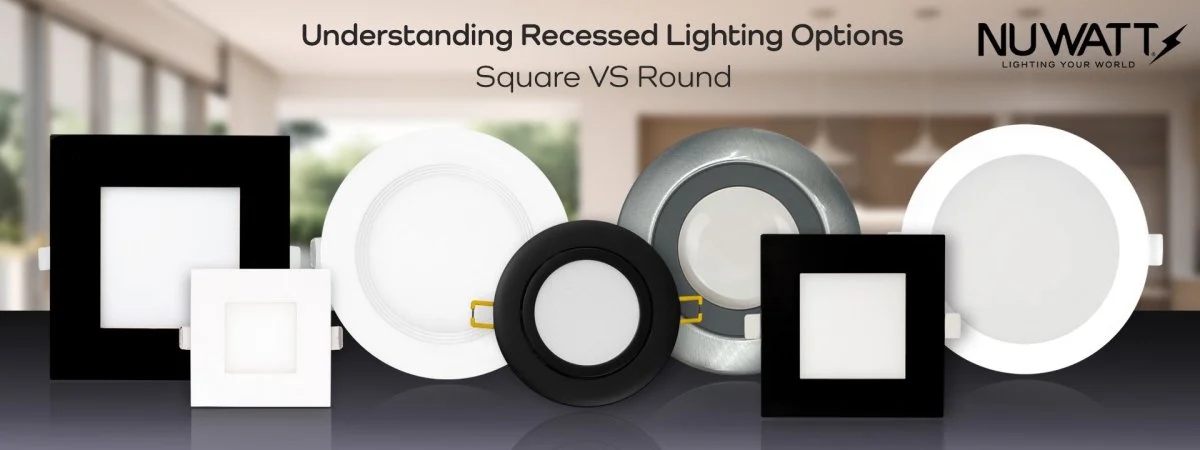
At its core, the difference between square and round recessed lighting lies in the geometry of the trim and housing. Square trims usually have a flatter, more angular profile, while round trims maintain a classic, circular silhouette. Both shapes can house LED, halogen, or incandescent bulbs, but the light output and visual impact differ.
Round recessed fixtures have been the industry standard for decades, primarily because they fit easily into circular holes drilled in the ceiling and work well with most ceiling types. Square fixtures, however, have gained popularity alongside contemporary design trends that favor clean lines and geometric harmony. The decision often hinges on three key factors: the ceiling layout, the desired lighting pattern, and the overall interior style.
Choosing square vs round recessed lighting for your space
If you have a ceiling with a grid of evenly spaced holes, round fixtures may be the most straightforward choice. Their circular shape naturally aligns with drilled holes, reducing installation time. Conversely, if you’re working with a modern ceiling that features linear patterns, rectangular panels, or even a coffered design, square recessed lighting can echo those lines and reinforce the architectural rhythm.
Beyond aesthetics, the shape influences how light spreads across a room. Round fixtures typically emit a more uniform, omnidirectional glow, which is ideal for general illumination. Square fixtures can produce a slightly broader, flatter light pool, helping to accentuate corners or highlight specific wall art. Understanding these subtleties enables you to tailor the lighting experience to each room’s function.
Aesthetic impact of square vs round recessed lighting
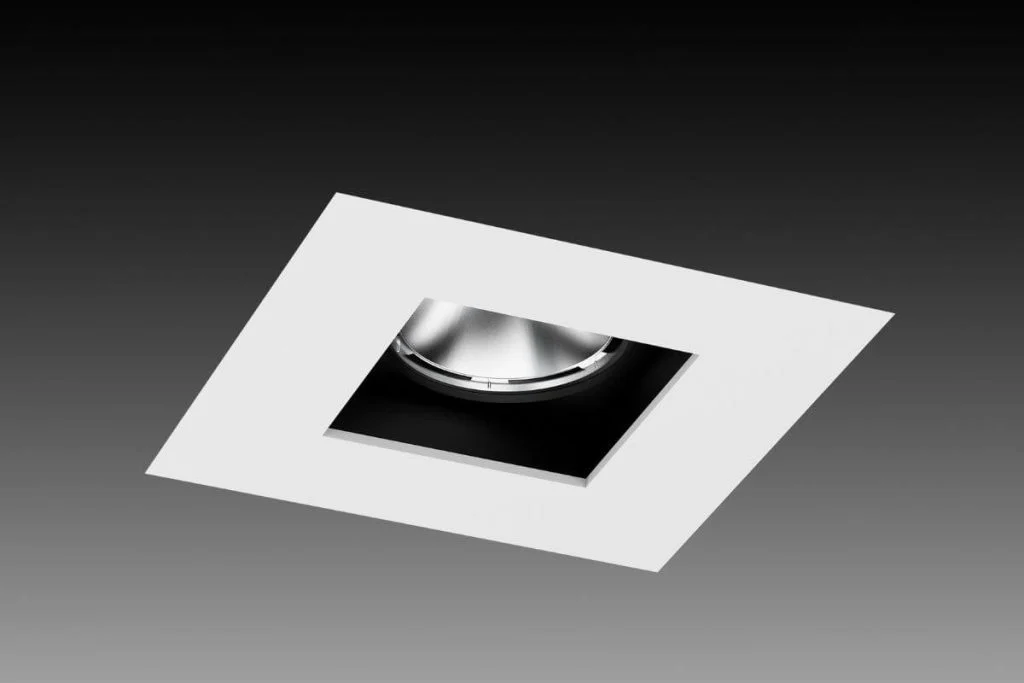
In interior design, every element contributes to the visual language of a space. Square recessed lighting often conveys a modern, minimalist vibe, especially when paired with matte black or brushed nickel trims. The angular edges can complement other square or rectangular elements such as kitchen cabinets, bathroom vanities, or large-format artwork.
Round recessed lighting, on the other hand, adds a subtle softness that can balance harsher geometric forms. In traditional or transitional interiors, round trims blend seamlessly with crown molding, wainscoting, or classic chandeliers. Even in ultra‑modern settings, a round fixture can act as a gentle counterpoint to stark lines, preventing the room from feeling overly rigid.
Consider the mood you want to evoke. A bedroom with soft, round recessed lights can feel more intimate and relaxing, while a home office illuminated by square lights may feel crisp and focused—perfect for productivity.
Technical considerations: beam spread, dimming, and energy efficiency

Beyond looks, technical performance matters. The beam angle of a recessed fixture determines how wide or narrow the light spreads. Round fixtures often come in a wider range of beam angles (from 15° spot to 120° flood) because the circular lens naturally disperses light evenly. Square fixtures, while capable of similar angles, may have a slightly narrower spread due to the shape of the reflector.
When selecting LED modules, both shapes support dimmable options, but be sure to pair them with compatible dimmer switches to avoid flicker. Energy efficiency is comparable across shapes when using the same LED technology, but square trims sometimes accommodate larger LED boards, allowing for higher lumen output without increasing the number of fixtures.
Installation height also plays a role. In rooms with low ceilings, a low‑profile square trim can sit closer to the ceiling surface, reducing the visual bulk. In contrast, round trims often have a more pronounced dome, which can be a design statement in rooms with higher ceilings.
Room‑by‑room recommendations for square vs round recessed lighting
Kitchen: The kitchen is a high‑traffic area where both task lighting and ambient illumination are essential. Square recessed lights positioned over countertops can create a linear strip of light that follows the work surface, reducing shadows. Pair them with under‑cabinet LED strips for layered lighting. If your kitchen features a large island with a central island pendant, round recessed fixtures can provide balanced, omnidirectional light that complements the circular pendant.
Living Room: In a living room, you often want a blend of ambient and accent lighting. Square recessed lighting works well when installed in a grid that mirrors the sofa’s back‑to‑back placement, emphasizing a clean, modern feel. Round fixtures, especially those with adjustable baffles, can be pointed toward artwork or architectural features, creating subtle highlights that draw the eye.
Bedroom: For bedrooms, comfort and relaxation are priorities. Round recessed lights placed on either side of the bed provide a gentle wash of light ideal for reading. If you prefer a more contemporary look, a series of shallow square trims along the perimeter can produce a soft halo effect, especially when paired with warm‑white LEDs.
Bathroom: Moisture resistance is crucial. Both square and round trims are available in IP44 or higher ratings. Round recessed fixtures often come with integrated vapor seals, making them a reliable choice for showers. Square fixtures can be installed in the vanity area to create a sleek, linear aesthetic that matches rectangular mirrors.
Home Office: Productivity spaces benefit from focused, glare‑free lighting. Square recessed lights positioned at a 30° angle above the desk can reduce screen glare while delivering ample illumination. For a more flexible setup, consider round fixtures with adjustable gimbal mounts, allowing you to direct light exactly where you need it.
Design tips to integrate square and round recessed lighting together
Mixing shapes can add visual interest without creating chaos. Here are some practical ways to blend square and round recessed lighting in a cohesive design:
- Zone lighting: Use round fixtures for general ambient lighting and reserve square fixtures for accent zones, such as a reading nook or a gallery wall.
- Layered heights: Install round recessed lights at a slightly lower ceiling height than square lights to create depth and prevent visual competition.
- Color coordination: Choose trims in the same finish—matte black, brushed nickel, or white—to unify the look, even if the shapes differ.
- Pattern repetition: If your floor or wall pattern features circles, echo that with round lights; if it features squares or rectangles, reinforce it with square fixtures.
For more inspiration on how patterns influence lighting choices, see our guide on home décor trends this year. The article provides fresh ideas on marrying patterns with lighting for a harmonious interior.
Quick actionable tips
- Measure ceiling depth before buying; low‑profile trims work best in ceilings under 8 inches.
- Choose LEDs with a CRI of 80+ to ensure true color rendering, especially important in kitchens and bathrooms.
- Plan your layout on paper or with a lighting design app to visualize square vs round placement before drilling.
- Combine dimmable square fixtures with a smart lighting system for customizable mood settings.
- Use a diffuser baffle on round fixtures to soften harsh glare in media rooms.
Common mistakes and how to avoid them
Even experienced DIYers can stumble when installing recessed lighting. Below are frequent pitfalls and simple solutions:
- Incorrect hole size: Drilling a hole that’s too large for a round trim can cause light bleed. Always use the manufacturer’s recommended drill bit size, and double‑check before cutting.
- Neglecting heat dissipation: LED modules generate heat; inadequate clearance can shorten lifespan. Follow clearance guidelines, especially when using square fixtures that may sit closer to insulation.
- Over‑loading circuits: Adding too many fixtures to a single circuit can cause flickering. Calculate total wattage and consult an electrician if you’re uncertain.
- Ignoring trim finish: A glossy trim can reflect unwanted glare, while a matte finish absorbs light. Match the trim finish to the room’s overall aesthetic.
- Forgetting to seal around fixtures: In humid areas, failing to seal the trim can lead to moisture infiltration. Use fire‑rated caulk around the perimeter of each recessed light.
Frequently Asked Questions
Can I replace round recessed lights with square ones without rewiring?
Yes, most modern recessed housings are designed to accept either square or round trims as long as the housing size (e.g., 4‑inch, 5‑inch) matches. However, you may need to adjust the cutout size in the ceiling if switching from a round to a larger square trim.
Which shape provides better energy efficiency?
Energy efficiency is determined by the LED module rather than the trim shape. Both square and round recessed fixtures can achieve comparable lumen output per watt when using the same LED technology. Focus on choosing high‑efficiency LEDs (e.g., 100+ lm/W) for the biggest savings.
Do square recessed lights cast more shadows than round ones?
Square trims can create a slightly more directional light pool, which may result in subtle shadows at the corners of the beam. If you need a shadow‑free wash, select a round fixture with a wide beam angle or use a diffuser baffle.
Is there a height limit for installing recessed lighting?
Recessed lights work best in ceilings at least 7 inches deep to accommodate the housing and trim. For low‑profile ceilings, look for ultra‑shallow housings (as low as 3‑4 inches) available in both square and round options.
How do I choose the right color temperature for square vs round recessed lighting?
Color temperature (measured in Kelvin) should align with the room’s purpose, not the shape. Warm white (2700‑3000K) suits bedrooms and living rooms, while cool white (4000‑5000K) works well in kitchens and home offices. Both shapes support the full range of temperatures.
Can I use dimmable LED modules with both square and round trims?
Absolutely. Dimmable LEDs are compatible with most trims, but ensure you pair them with a compatible dimmer switch (e.g., TRIAC or LED‑specific). Check the LED manufacturer’s recommendations for optimal performance.
Final thoughts on square vs round recessed lighting
Choosing between square and round recessed lighting is less about right versus wrong and more about aligning the fixture’s shape with your design goals, ceiling architecture, and functional needs. Square trims excel in modern, geometric spaces and can create crisp lines that reinforce a contemporary aesthetic. Round trims bring a timeless softness that works across a variety of styles, from classic to ultra‑modern. By considering factors such as beam spread, ceiling depth, and room function, you can confidently select the shape that enhances both form and function.
Remember that lighting is a layered discipline—ambient, task, and accent lighting each play a role in the overall experience. Mixing square and round recessed fixtures, when done thoughtfully, can add depth and visual intrigue without overwhelming the space. Pair your lighting decisions with complementary décor elements, such as the modern wall décor with simple frames or a well‑planned small home office layout, to create a cohesive and inviting environment.
With the insights from this guide, you’re equipped to make an informed choice that balances aesthetics, performance, and practicality. Whether you lean toward the clean lines of square recessed lighting or the classic allure of round fixtures, your decision will illuminate not just the room, but also your personal style.