
Table of Contents
- Design & Build Quality: Speed Queen TC5 vs TR7
- Speed Queen TC5 vs TR7: Key Design Differences
- Performance Metrics: Capacity, Speed, and Efficiency
- Speed Queen TC5 vs TR7: Water Usage
- Integration with Home Décor: Matching the Washer to Your Space
- Cost Considerations: Upfront Price vs Long‑Term Value
- Installation & Maintenance Tips for Speed Queen TC5 vs TR7
- Quick Tips for Choosing the Right Model
- Common Mistakes to Avoid When Buying a Commercial‑Grade Washer
- Frequently Asked Questions
- Which model, speed queen tc5 or tr7, is better for small apartments?
- Do both washers require a dedicated electrical circuit?
- Can I use high‑efficiency (HE) detergent with these machines?
- Is the TR7 more energy‑efficient than the TC5?
- How does the water consumption compare between the two?
- Final Thoughts on Speed Queen TC5 vs TR7
Speed Queen TC5 vs TR7: Which Commercial Washer Wins for Your Home?
When it comes to reliable, high‑capacity laundry solutions, Speed Queen has long been a trusted name among both commercial operators and homeowners who demand durability. Two of their most talked‑about models, the TC5 and the TR7, often sit side by side in buyer research, yet they serve slightly different needs. Understanding the nuances between these machines can save you time, money, and future headaches, especially if you’re planning a dedicated laundry room, a small apartment stack, or a boutique hotel suite.
In this article we’ll break down the core specifications, performance metrics, and design considerations of the Speed Queen TC5 vs TR7. You’ll learn how each model handles load size, water usage, and energy efficiency, and we’ll explore which unit aligns best with common home‑decor themes such as modern minimalism or industrial loft styling. By the end, you’ll have a clear picture of which washer fits your lifestyle, space constraints, and aesthetic preferences.
Design & Build Quality: Speed Queen TC5 vs TR7
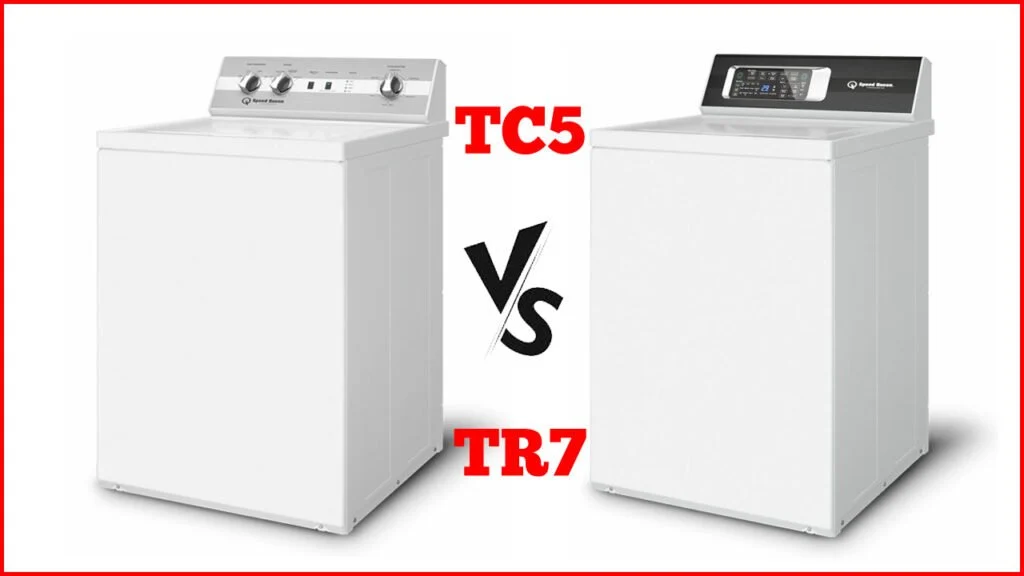
Both the TC5 and the TR7 share Speed Queen’s reputation for rugged steel construction, but they diverge in exterior styling and footprint. The TC5 is a traditional top‑loader with a compact, rectangular chassis that measures roughly 24 × 27 × 45 in. Its front panel features a simple, chrome‑finished control knob and a sturdy lid that can be locked for safety. The TR7, on the other hand, is a newer top‑loader that introduces a slightly larger drum and an ergonomic tilt‑down lid, giving you easier access in tight spaces. Its exterior includes a matte black finish that blends well with contemporary interiors, especially when paired with stainless‑steel countertops.
From a durability standpoint, both models boast a 10‑year commercial‑grade warranty on the motor and drum, but the TR7’s reinforced drum bearings are designed to handle heavier, continuous cycles—making it a better fit for households that run multiple loads daily.
Speed Queen TC5 vs TR7: Key Design Differences
- Dimensions: TC5 is 45 in tall; TR7 adds an extra inch for a larger drum.
- Finish Options: TC5 offers a classic stainless steel look; TR7 provides matte black and brushed steel.
- Lid Mechanism: TC5’s traditional hinged lid vs. TR7’s tilt‑down design for ergonomic loading.
Performance Metrics: Capacity, Speed, and Efficiency
When you compare speed queen tc5 vs tr7, the first thing most users notice is the difference in load capacity. The TC5 holds up to 4.5 kg of dry laundry, which is sufficient for a typical family of four. The TR7 pushes that number to 5.5 kg, allowing you to wash bulkier items—think blankets and denim—without a second cycle. Both machines operate at a maximum spin speed of 900 rpm, but the TR7’s enhanced motor delivers a slightly smoother spin, reducing wrinkling on delicate fabrics.
Energy consumption is another crucial factor for eco‑conscious homeowners. The TC5 meets ENERGY STAR® guidelines, using about 0.90 kWh per cycle on average. The TR7, while slightly more powerful, incorporates a newer inverter motor that brings its usage down to 0.85 kWh per cycle, translating into modest savings over a year’s worth of washes.
Speed Queen TC5 vs TR7: Water Usage
Both washers employ an automatic water level sensor, but the TR7’s sensor is calibrated to a higher precision, cutting water usage by roughly 8 % compared to the TC5. This difference can be especially noticeable in regions where water rates are high.
Integration with Home Décor: Matching the Washer to Your Space

Choosing a washer isn’t just about performance; it’s also about how the unit fits visually into your home. The TC5’s polished stainless steel surface mirrors the sleek lines of a modern kitchen, making it an ideal companion for a neutral kitchen interior that leans on reflective surfaces. Meanwhile, the TR7’s matte black finish can serve as a subtle accent in industrial lofts or darker‑toned laundry rooms, adding depth without clashing with bold wall colors.
Both models also feature a simple control panel that can be concealed behind a cabinet door if you prefer a seamless, built‑in look. Pairing the washer with matching cabinetry—perhaps painted in a muted pastel or a soft gray—creates a cohesive aesthetic that aligns with modern home styling trends.
Cost Considerations: Upfront Price vs Long‑Term Value
The speed queen tc5 vs tr7 price gap isn’t massive, but it’s worth noting. The TC5 generally retails for about $1,200, while the TR7 sits closer to $1,400 due to its larger drum and upgraded motor technology. However, the TR7’s slightly lower energy and water consumption can offset the price difference after a few years of regular use. Additionally, the extended 10‑year warranty on both units reduces the likelihood of costly repairs, making them both solid long‑term investments.
If budget constraints are a primary concern, the TC5 still offers a robust set of features that rival many mid‑range residential washers. For households that anticipate heavy, frequent loads—such as shared living spaces or small boutique hotels—the TR7’s higher capacity and efficiency may justify the extra upfront cost.
Installation & Maintenance Tips for Speed Queen TC5 vs TR7
Installation of either model is straightforward for a DIY‑savvy homeowner. Both units require a standard 120 V outlet, a cold‑water hookup, and a drain connection. The TR7’s tilt‑down lid makes loading easier, but it also means you should ensure there’s adequate clearance above the washer to allow the lid to open fully.
Regular maintenance will keep both machines running smoothly. Follow these simple steps:
- Wipe the drum and lid after each use to prevent detergent buildup.
- Run a monthly cleaning cycle with white vinegar to remove mineral deposits.
- Inspect the water inlet filters every six months and clean them to maintain optimal flow.
- Check the hoses for signs of wear and replace them every five years to avoid leaks.
For a quick visual upgrade, consider adding a decorative storage tray on top of the washer. A stylish tray can hold laundry supplies and also act as a subtle décor element. Check out this guide on DIY décor with decorative storage trays for inspiration.
Quick Tips for Choosing the Right Model
- Assess your typical weekly laundry volume; if you regularly exceed 4 kg, the TR7’s larger drum offers real convenience.
- Consider your bathroom or laundry room color scheme—stainless steel (TC5) vs matte black (TR7).
- Factor in long‑term utility costs; the TR7’s lower water and energy use can save money over time.
- Check ceiling height and cabinet clearance before deciding on the TR7’s tilt‑down lid.
Common Mistakes to Avoid When Buying a Commercial‑Grade Washer
Many homeowners assume that a commercial‑grade washer will automatically solve all laundry issues, but a few pitfalls can diminish the experience:
- Overlooking Space Requirements: Both models need clearances for ventilation; neglecting this can cause overheating.
- Skipping the Load Capacity Match: Buying a smaller drum for a large family leads to extra cycles and higher utility bills.
- Ignoring Noise Levels: While both are quieter than traditional industrial washers, the TR7’s motor design actually reduces vibration—important for open‑plan homes.
- Forgetting the Warranty Terms: Register the appliance within 30 days to ensure you receive the full 10‑year coverage.
Frequently Asked Questions
Which model, speed queen tc5 or tr7, is better for small apartments?
The TC5 is slightly more compact and fits comfortably in tighter spaces, making it a solid choice for small apartments. However, if you can accommodate the extra inch in height, the TR7’s larger drum may reduce the number of loads you need each week.
Do both washers require a dedicated electrical circuit?
Yes, both the TC5 and TR7 need a dedicated 120 V circuit with a minimum of 15 A. This ensures stable performance and protects against tripped breakers during heavy cycles.
Can I use high‑efficiency (HE) detergent with these machines?
Both models are designed for HE detergent, which creates fewer suds and improves rinsing efficiency. Using regular detergent may cause excess suds and affect washing performance.
Is the TR7 more energy‑efficient than the TC5?
While both meet ENERGY STAR® standards, the TR7’s inverter motor consumes about 5 % less electricity per cycle, making it marginally more efficient over time.
How does the water consumption compare between the two?
The TR7 uses roughly 8 % less water per load thanks to its advanced sensor, which adjusts water levels more precisely than the TC5’s system.
Final Thoughts on Speed Queen TC5 vs TR7
Both the Speed Queen TC5 and TR7 deliver the reliability and durability that have made the brand a staple in commercial laundry rooms for decades. The TC5 shines with its classic design, slightly smaller footprint, and lower entry price—making it an excellent match for homeowners who value simplicity and have modest laundry needs. The TR7, with its larger drum, refined motor, and contemporary finish, caters to those who anticipate higher volume, appreciate a modern aesthetic, and want to capitalize on long‑term water and energy savings.
When deciding between the two, weigh your space constraints, typical load size, and design preferences. Either way, you’re investing in a machine built to last, with the added benefit of a 10‑year warranty that protects your purchase. For more design inspiration, explore our article on Simple Kitchen Storage Décor Ideas to see how a well‑chosen washer can seamlessly integrate into a stylish, functional home.