
Table of Contents
- Why home décor with soft neutral fabrics Works in Modern Interiors
- Choosing the right palette for home décor with soft neutral fabrics
- Living room integration: soft neutral fabrics that invite conversation
- Bedroom serenity: soft neutral textiles for restful sleep
- Kitchen and dining: subtle fabric touches that soften the space
- Bathroom bliss: soft neutral fabrics for spa‑like comfort
- Small spaces and studios: maximizing softness without overcrowding
- Seasonal updates and layering: keeping soft neutral décor fresh year‑round
- Quick Tips for Using Soft Neutral Fabrics
- Common Mistakes to Avoid When Styling with Soft Neutrals
- Frequently Asked Questions
- Can I use bright accent colors with soft neutral fabrics?
- What fabrics are best for high‑traffic living rooms?
- How do I make a small bedroom feel larger using neutral textiles?
- Is it okay to mix different shades of beige and gray?
- Do soft neutral fabrics work in modern industrial interiors?
Soft Neutral Fabrics: Transform Your Home Décor with Calm Elegance
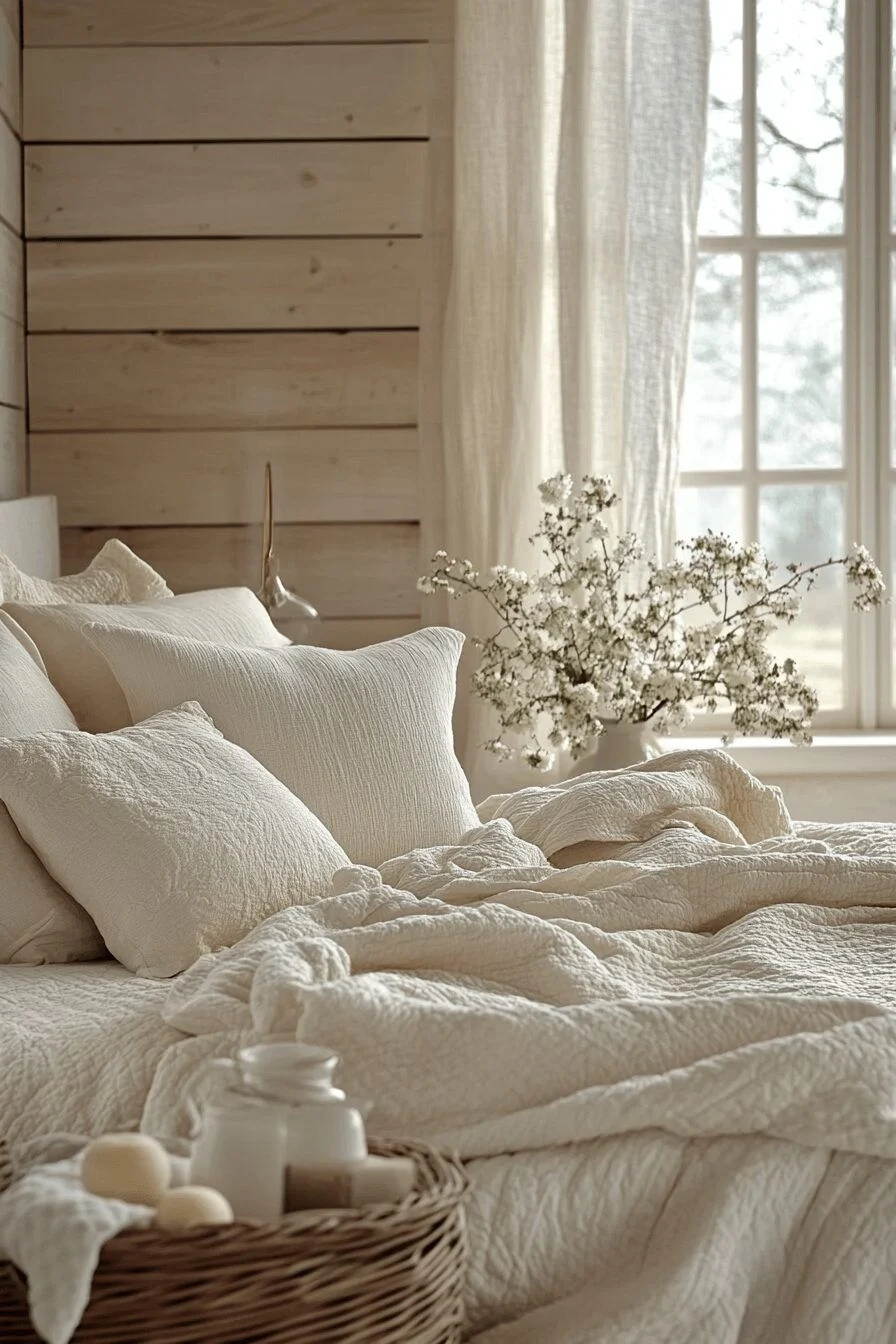
In today’s fast‑moving world, a tranquil home environment feels like a necessary retreat. One of the most effortless ways to create that sense of calm is through home décor with soft neutral fabrics. These textiles—think linen, cotton, light wool, and blended weaves in shades of ivory, beige, taupe, and muted gray—offer a subtle backdrop that lets furniture, artwork, and personal objects shine without competing for attention.
Whether you’re refreshing a cramped studio apartment or redesigning a spacious family home, soft neutral fabrics act as a unifying thread that ties together disparate design elements. They are versatile enough to adapt to Scandinavian minimalism, coastal chic, or modern industrial aesthetics. In this article, you’ll learn how to choose the right textures, place them strategically in each room, avoid common pitfalls, and keep the look fresh season after season.
Why home décor with soft neutral fabrics Works in Modern Interiors
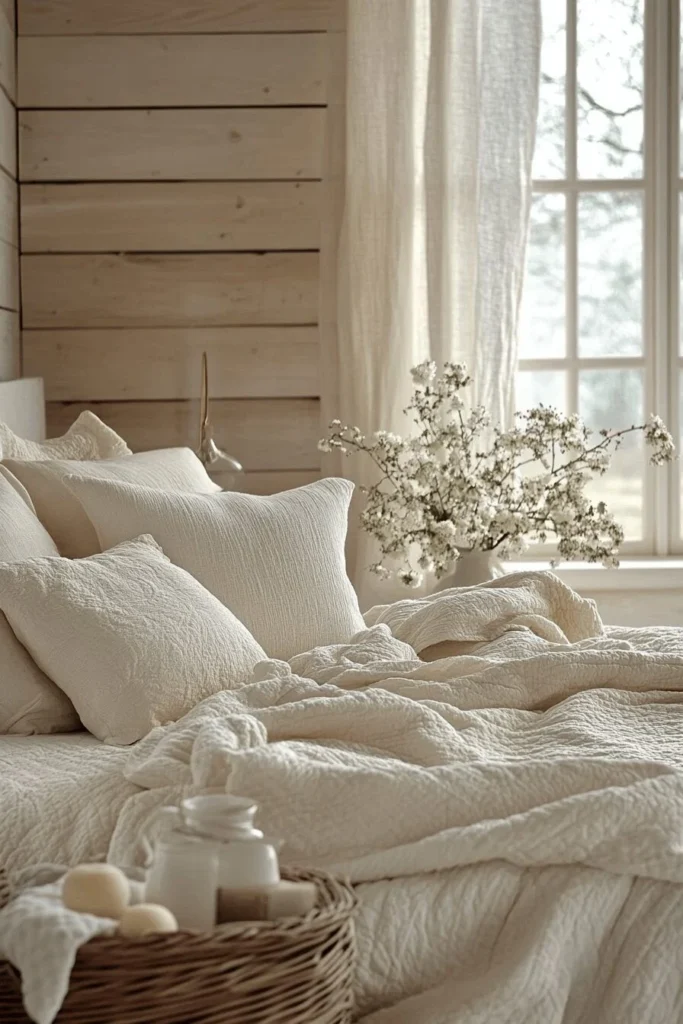
The appeal of home décor with soft neutral fabrics lies in their ability to soften hard lines while maintaining a contemporary edge. Neutral tones reflect natural light, making rooms feel larger and more airy—a crucial advantage in urban apartments where square footage is at a premium. Moreover, these fabrics provide a tactile comfort that hard surfaces like metal or glass cannot match, inviting occupants to linger and relax.
Choosing the right palette for home décor with soft neutral fabrics
Start by selecting a base color family—off‑white, warm beige, or cool greige. From there, layer textures rather than colors. A linen sofa paired with a chunky knit throw, a silk curtain, and a woven jute rug creates depth without overwhelming the eye. When you mix fabrics, keep the hue consistent; this reinforces the calming effect while still delivering visual interest.
Living room integration: soft neutral fabrics that invite conversation
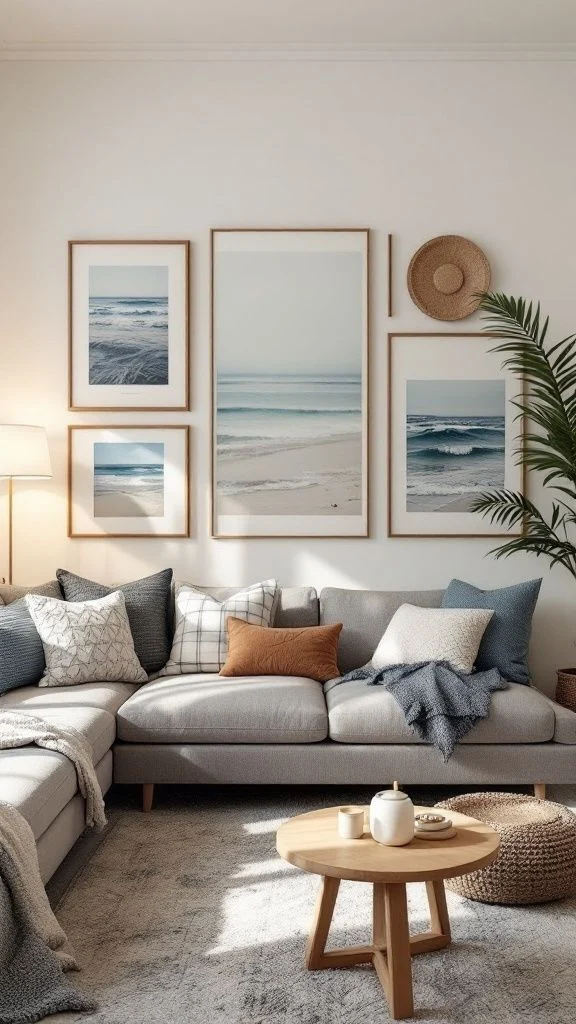
The living room is often the focal point of social interaction, making it the perfect canvas for home décor with soft neutral fabrics. A plush, neutral‑colored sectional can anchor the space, while soft velvet cushions in ivory or pale oatmeal add a luxurious touch. Pair these with a light‑woven rug that feels gentle underfoot, and you’ve set a welcoming stage for guests.
For an extra layer of sophistication, drape sheer linen curtains that filter daylight without blocking it. The result is a room that feels both airy and intimate—ideal for movie nights or casual gatherings. Need budget‑friendly ideas? Check out our guide on low‑cost home styling ideas for clever ways to achieve the look without breaking the bank.
Bedroom serenity: soft neutral textiles for restful sleep
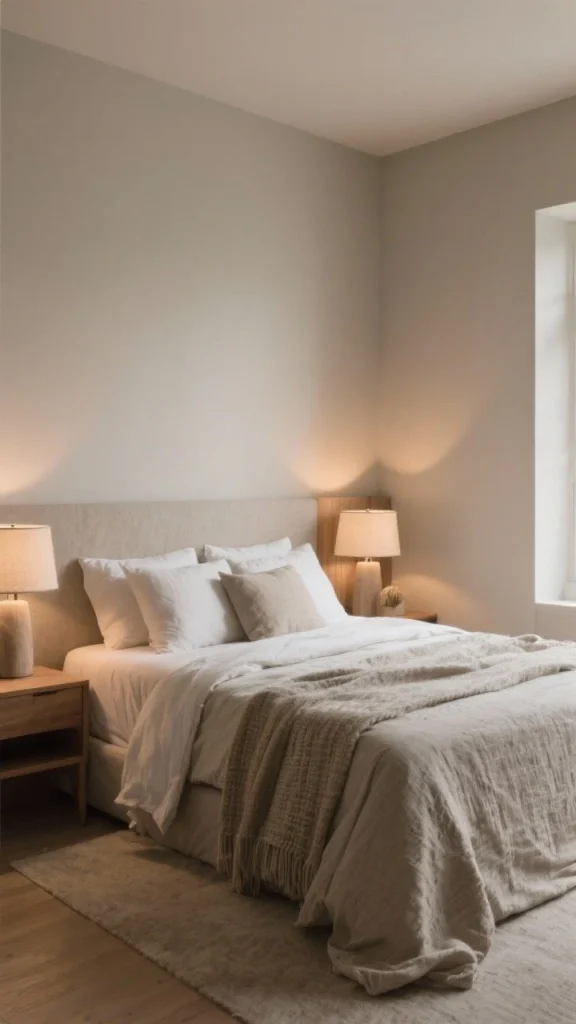
When it comes to bedrooms, the goal is to create a sanctuary that encourages rest. Soft neutral fabrics are inherently soothing; a duvet cover in muted cream, linen pillow shams, and a lightweight cashmere blanket can transform a cluttered bedroom into a serene retreat. The key is to layer while maintaining simplicity.
Incorporate a rug with a subtle, low‑pile texture beneath the bed to add warmth without visual clutter. If you’re working with a smaller bedroom, choose a headboard upholstered in a soft, neutral fabric—this not only adds comfort but also acts as a focal point that draws the eye upward, creating an illusion of height. For layout inspiration, explore small bedroom furniture arrangement ideas that emphasize flow and balance.
Kitchen and dining: subtle fabric touches that soften the space
Even the most functional rooms benefit from a hint of softness. Consider adding neutral fabric elements such as upholstered bar stools, a linen table runner, or padded chair cushions in the dining area. These pieces soften the hard edges of countertops and cabinets while maintaining a cohesive aesthetic.
When choosing fabrics for the kitchen, prioritize easy‑care materials like blended cotton‑linen that can withstand occasional spills. A set of neutral‑colored napkins or placemats can also reinforce the theme of home décor with soft neutral fabrics without sacrificing practicality. For inspiration on complementary materials, our article on kitchen décor with light wood shelves demonstrates how wood and neutral textiles can coexist beautifully.
Bathroom bliss: soft neutral fabrics for spa‑like comfort
The bathroom is often overlooked when discussing textile décor, yet soft neutral fabrics can turn a functional washroom into a spa‑like oasis. Think plush, absorbent towels in warm ivory, a woven bath mat in muted taupe, and a lightweight, water‑resistant shower curtain in a gentle greige hue. These elements not only enhance comfort but also contribute to a cohesive design language throughout the home.
For added luxury, incorporate a soft, washable fabric headboard or a bench upholstered in a water‑friendly neutral fabric. These pieces provide a comfortable place to sit while dressing and reinforce the calming palette. Pairing these textiles with natural stone or light wood finishes amplifies the serene atmosphere, making daily routines feel more indulgent.
Small spaces and studios: maximizing softness without overcrowding
Compact living areas demand careful curation, and home décor with soft neutral fabrics offers a solution that feels spacious yet intimate. Choose multi‑functional pieces—like a neutral slipcovered ottoman that doubles as storage or a lightweight, neutral drape that can serve as a room divider. These choices keep the visual weight low while adding layers of texture.
Floor-to-ceiling curtains in a soft, neutral hue can elongate the walls, creating an illusion of height. Pair them with a low‑profile rug and a few well‑placed cushions to introduce comfort without clutter. By maintaining a consistent neutral palette, the eye moves fluidly across the room, preventing the space from feeling cramped.
Seasonal updates and layering: keeping soft neutral décor fresh year‑round
One of the greatest strengths of home décor with soft neutral fabrics is its adaptability to seasonal changes. In winter, layer heavier knits, chunky throws, and plush velvet pillows in the same neutral tone to add warmth. During spring and summer, swap heavier items for lightweight linen throws, sheer curtains, and breezy cushions, allowing sunlight to accentuate the understated palette.
Because the base color remains constant, you can experiment with accent pieces—such as metallic accessories, patterned rugs, or botanical prints—without disrupting the overall harmony. This approach keeps the home feeling fresh and inviting throughout the year while preserving the calming essence of soft neutral textiles.
Quick Tips for Using Soft Neutral Fabrics
- Mix textures, not colors: Pair smooth silk with rough linen for depth.
- Stick to a 2‑tone palette: Choose a primary neutral and a complementary shade.
- Use fabric as a unifying element: Curtains, cushions, and rugs can tie disparate furniture together.
- Invest in quality basics: A well‑made neutral sofa or duvet cover lasts longer and ages gracefully.
- Refresh with accessories: Swap pillows or throws seasonally to keep the look dynamic.
Common Mistakes to Avoid When Styling with Soft Neutrals
Even a well‑intentioned design can fall flat if certain pitfalls are ignored. One frequent error is over‑matching, where every piece is the exact same shade, resulting in a bland, lifeless space. Instead, introduce subtle variations in hue and texture. Another mistake is neglecting proper lighting; neutral fabrics can appear dull under insufficient light, so incorporate layered lighting—ambient, task, and accent—to highlight the softness of the textiles.
Finally, avoid using fabrics that are difficult to maintain in high‑traffic areas. Choose durable, stain‑resistant blends for sofas and dining chairs, and reserve delicate silks for accent pieces that can be easily rotated or protected.
Frequently Asked Questions
Can I use bright accent colors with soft neutral fabrics?
Absolutely. Bright accents—like a cobalt cushion or a mustard‑yellow vase—create visual interest while the neutral base remains calming. The key is to keep the accents limited to a few focal points so they don’t overwhelm the serenity of the space.
What fabrics are best for high‑traffic living rooms?
Look for blended cotton‑linen or performance fabrics that combine softness with durability. These materials resist wear and are easier to clean, making them ideal for families and pets while preserving the gentle aesthetic of soft neutral décor.
How do I make a small bedroom feel larger using neutral textiles?
Use light, airy fabrics like sheer curtains and a low‑profile, neutral‑colored rug. Keep patterns minimal and maintain a consistent color scheme to avoid visual fragmentation, which can make the room feel cramped.
Is it okay to mix different shades of beige and gray?
Yes. Mixing subtle variations of beige, greige, and soft gray adds depth without disrupting harmony. Ensure the undertones complement each other—warm beiges pair well with cool greys for a balanced look.
Do soft neutral fabrics work in modern industrial interiors?
They do. In an industrial setting, soft neutral textiles soften hard materials like concrete and metal, creating a balanced contrast. Pair a neutral linen sofa with exposed brick walls and steel lighting for a cozy yet edgy vibe.
By thoughtfully incorporating soft neutral fabrics into every room, you’ll discover how easily your home can shift from ordinary to effortlessly elegant. These textiles provide a timeless foundation that adapts to changing trends, seasons, and personal tastes. Start with a single piece—a neutral sofa, a linen curtain, or a plush rug—and let the calm, inviting atmosphere unfold naturally. For more inspiration, explore our other articles on interior styling, and watch as your living spaces transform into serene havens that reflect your refined sense of style.