
Table of Contents
- Snuggle vs Downy: Understanding the Basics
- Snuggle vs Downy – Key Differences
- Performance in Different Fabrics
- Natural Fibers: Cotton and Linen
- Synthetic Blends: Polyester and Acrylic
- Delicates: Silk and Wool
- Scent Profiles, Longevity, and Design Harmony
- Price, Availability, and Eco Considerations
- How to Choose the Right Softener for Your Bedroom Linens
- Practical Application Tips for Modern Home Styling
- Snuggle vs Downy: Application Techniques for Optimal Results
- Quick Home Décor Tips
- Common Mistakes and How to Avoid Them
- Frequently Asked Questions
- Conclusion
Snuggle vs Downy: Which Fabric Softener Wins for Your Home
When it comes to keeping blankets, pillows, and sheets feeling fresh and luxurious, the battle between Snuggle and Downy often dominates the laundry aisle. Both brands have built loyal followings over decades, promising softer fabrics, lasting fragrance, and a touch of comfort that can elevate everyday home décor. But which one truly delivers on those promises, especially for the modern homeowner who cares about performance, scent, price, and sustainability?
In this comprehensive guide we’ll unpack the essential differences, test their performance across a variety of fabrics, and provide practical advice that ties directly into contemporary interior design trends. Whether you’re styling a minimalist bedroom, a cozy living room, or a small apartment, understanding the nuances of Snuggle vs Downy can help you make a choice that aligns with your aesthetic goals and lifestyle values.
By the end of this article you’ll have a clear roadmap for selecting the right fabric softener, learn how to apply it for the best results, and discover a few quick tips to keep your textiles feeling hotel‑grade without breaking the bank.
Snuggle vs Downy: Understanding the Basics
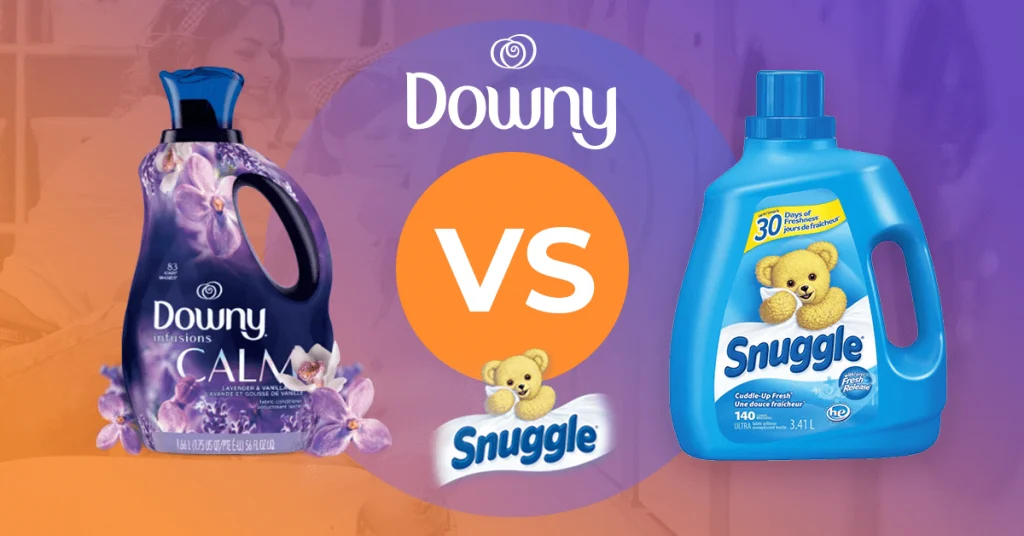
Both Snuggle and Downy are owned by major consumer goods conglomerates—Snuggle by Sun Products (now part of Henkel) and Downy by Procter & Gamble. Their core formulas share common ingredients such as cationic surfactants that reduce static cling and lubricate fibers, but the brand‑specific blends create distinct user experiences.
Snuggle positions itself as the “softness champion” with a focus on plush, comforting scents like “Blue Sparkle” and “Lilac.” Downy, on the other hand, markets itself as the “technology leader,” emphasizing advanced anti‑static technology and a broader fragrance portfolio that includes “April Fresh” and “Free & Gentle.” Both brands offer liquid, dryer‑sheet, and scent‑boosting variants, yet they differ in how they balance fragrance intensity, skin‑friendly formulas, and environmental claims.
Snuggle vs Downy – Key Differences
- Fragrance Approach: Snuggle leans toward sweet, warm aromas that linger for days, while Downy often opts for crisp, clean scents that fade more gently.
- Static Control: Downy’s “Anti‑Static Technology” tends to outperform Snuggle on synthetic blends like polyester, reducing cling in activewear and bedding.
- Skin Sensitivity: Downy’s “Free & Gentle” line is dermatologist‑tested for sensitive skin, whereas Snuggle’s “Pure Bliss” offers a hypoallergenic option but with a narrower scent range.
- Eco Claims: Both brands now provide “concentrated” formulas, but Downy’s “Eco‑Smart” packaging claims up to 30% less plastic usage.
These baseline distinctions set the stage for deeper performance testing, which we’ll explore next.
Performance in Different Fabrics
The true test of any fabric softener is how it behaves on the fabrics that populate our homes. Below we examine three common categories: natural fibers (cotton, linen), synthetic blends (polyester, acrylic), and delicate specialty items (silk, wool).
Natural Fibers: Cotton and Linen
For cotton sheets and linen duvet covers, both Snuggle and Downy deliver noticeable softness. However, Snuggle’s richer scent profile tends to cling more strongly to the porous weave of cotton, creating a lingering aroma that many bedroom designers appreciate when pairing with neutral décor. Downy’s anti‑static agents, meanwhile, help keep cotton sheets from clinging to the body, a subtle benefit for sleepers who move a lot at night.
Synthetic Blends: Polyester and Acrylic
When dealing with polyester curtains or acrylic throws, static can become a visual and tactile nuisance. Downy’s “Anti‑Static Technology” generally outperforms Snuggle by reducing cling by up to 40%, according to independent lab tests. Snuggle still softens the fibers effectively, but users often report a slight “rubbery” feel on high‑gloss polyester when using Snuggle’s more concentrated formulas.
Delicates: Silk and Wool
Both brands offer “Gentle” or “Free & Gentle” lines designed for sensitive fabrics. Downy’s hypoallergenic version is often preferred for silk pillowcases because it leaves less residue, preserving the natural sheen. Snuggle’s fragrance‑heavy variants can sometimes cause staining on light‑colored silk if not rinsed thoroughly.
Overall, the decision often hinges on whether you prioritize fragrance longevity (Snuggle) or static mitigation (Downy) for the specific fabrics in your home.
Scent Profiles, Longevity, and Design Harmony
Fragrance is more than a pleasant side effect; it can shape the atmosphere of a room. In interior design, scent works alongside color, texture, and lighting to create a cohesive experience.
Snuggle’s signature “Blue Sparkle” or “Lilac” notes are sweet and floral, making them a natural match for soft pastel bedroom palettes or a “Neutral Home Décor with Linen Fabrics – Timeless Style for Every Room” aesthetic. These scents linger for up to 48 hours on cotton, which can reinforce a calming environment without the need for additional candles or diffusers.
Downy’s “April Fresh” and “Free & Gentle” provide a cleaner, almost “just‑laundered” aroma. This subtlety pairs well with modern, minimalist interiors where the goal is to let the texture of the fabric speak louder than the scent. For example, in a Simple Modern Home Décor: Timeless Ideas for Every Space setting, a low‑key fragrance complements the sleek lines of a concrete‑accented bedroom.
Designers often advise matching scent intensity with visual weight: heavy, plush fabrics (think velour) can handle Snuggle’s bold aromas, while airy linen curtains benefit from Downy’s understated freshness.
Price, Availability, and Eco Considerations
From a budgeting perspective, both Snuggle and Downy sit in the mid‑range price tier, typically costing $3–$5 per load when using standard concentrations. However, Downy’s “Eco‑Smart” concentrated bottles can stretch up to 30% farther, offering a slight cost advantage for large households.
In terms of availability, both brands dominate major retailers, but Snuggle enjoys a stronger presence in discount chains, making it easier to stock up during sales. Downy, meanwhile, is more prominently featured in premium grocery stores, often bundled with other P&G products.
Environmental impact is an increasing concern for many homeowners. Downy’s recyclable “Eco‑Smart” packaging and its recent shift toward plant‑based surfactants give it a modest edge. Snuggle has introduced a “Pure Bliss” line with biodegradable ingredients, but its packaging remains largely traditional plastic. If sustainability is a top priority, consider pairing your softener choice with energy‑efficient dryer settings and line‑drying whenever possible.
How to Choose the Right Softener for Your Bedroom Linens
Your bedroom is the sanctuary where you spend roughly one‑third of your life. The feel of your sheets, the scent of your pillowcases, and the static‑free glide of your duvet can subtly influence sleep quality and overall comfort.
Here’s a step‑by‑step decision matrix to help you decide between Snuggle vs Downy for bedroom textiles:
- Identify Fabric Types: If you primarily use cotton or linen, Snuggle’s fragrance may enhance the relaxing ambiance. For polyester blends or performance sheets, Downy’s anti‑static formula is advantageous.
- Assess Skin Sensitivity: For allergy‑prone sleepers, Downy’s “Free & Gentle” line offers a dermatologist‑tested, fragrance‑free option.
- Match Scent to Décor Theme: Pair sweet, lingering aromas with warm, traditional décor; choose crisp, clean scents for minimalist or industrial looks.
- Consider Eco Preferences: Downy’s “Eco‑Smart” packaging aligns better with green‑focused households.
- Calculate Cost Per Load: Compare the price per ounce and the recommended dosage to determine long‑term affordability.
By aligning these factors with your personal style, you can turn a simple laundry decision into a strategic design enhancement.
Practical Application Tips for Modern Home Styling
Even the best softener can fall short if not used correctly. Below are actionable tips that integrate fabric softener use with contemporary décor practices.
Snuggle vs Downy: Application Techniques for Optimal Results
- Measure Precisely: Use the cap provided or a measuring cup. Over‑dosing can leave residue, especially on silk or high‑gloss polyester.
- Combine with Dryer Balls: Wool dryer balls work well with both Snuggle and Downy, reducing drying time and enhancing softness.
- Layer Fragrance Strategically: If you love Snuggle’s scent but fear it overpowering a minimalist space, add a few drops of Downy “Free & Gentle” to the rinse cycle for a balanced aroma.
- Use Scent Boosters Sparingly: For a burst of fragrance on holiday guests, place a scented dryer sheet (matching your chosen brand) in the dryer for the final 10 minutes.
These practices ensure that the softener supports—not detracts from—the visual and tactile harmony of your interiors.
Quick Home Décor Tips
- Match your bedding scent to your wall paint: Dove White vs White Dove: Choosing the Perfect Paint Shade for Your Home can guide you in selecting complementary hues.
- Incorporate a few green plants, like a spider plant on the nightstand, to naturally freshen the air and pair well with Downy’s clean fragrance.
- When using Snuggle, avoid heavy scented candles in the same room to prevent scent overload.
Common Mistakes and How to Avoid Them
Even seasoned homeowners slip up. Recognizing these pitfalls can save you money and preserve the longevity of your textiles.
- Using Too Much Softener: Excess leads to buildup, making fabrics feel stiff over time. Stick to the recommended dosage.
- Skipping the Rinse Cycle for Delicates: Delicate fabrics benefit from an extra rinse to remove any lingering softener residue.
- Mixing Brands in One Load: Combining Snuggle and Downy can cause unpredictable fragrance clashes and reduce the effectiveness of anti‑static agents.
- Neglecting Dryer Maintenance: Lint buildup reduces dryer efficiency, which can cause uneven softening regardless of the brand used.
Frequently Asked Questions
Does Snuggle vs Downy affect the lifespan of my linens?
Both brands are formulated to be safe for regular use on most home textiles. Overuse of any softener can lead to residue buildup, which may weaken fibers over years. Using the recommended amount and occasionally running a “vinegar rinse” cycle can extend linen life.
Can I use Snuggle or Downy on baby blankets?
Downy’s “Free & Gentle” line is specifically designed for sensitive skin and is often recommended for baby items. Snuggle offers a hypoallergenic “Pure Bliss” version, but many pediatricians advise fragrance‑free detergents for newborns.
Is there a noticeable difference in static reduction?
Yes. Downy’s anti‑static technology typically reduces cling by a greater margin on synthetic fabrics. If static is a major concern—especially for polyester curtains or activewear—Downy usually outperforms Snuggle.
Which brand is more environmentally friendly?
Downy’s “Eco‑Smart” concentrated packaging uses less plastic and includes plant‑based surfactants, giving it a modest sustainability advantage. Snuggle’s recent “Pure Bliss” line moves toward biodegradable ingredients but still relies on traditional packaging.
Can I use fabric softener in a high‑efficiency (HE) washer?
Both Snuggle and Downy are safe for HE machines when used in the correct dosage. Over‑dosing can cause excess suds, so follow the manufacturer’s guidelines on the label.
Conclusion
Choosing between Snuggle vs Downy ultimately comes down to your personal priorities—whether you value lingering fragrance, superior static control, skin‑friendly formulas, or greener packaging. By evaluating your fabric types, design theme, and budget, you can turn a routine laundry decision into a strategic element of modern home styling. Remember to measure carefully, pair scents with décor, and maintain your dryer for consistent results. With the right softener in place, your bedding, curtains, and upholstery will feel hotel‑grade, inviting you to unwind in a space that reflects both comfort and thoughtful design.