
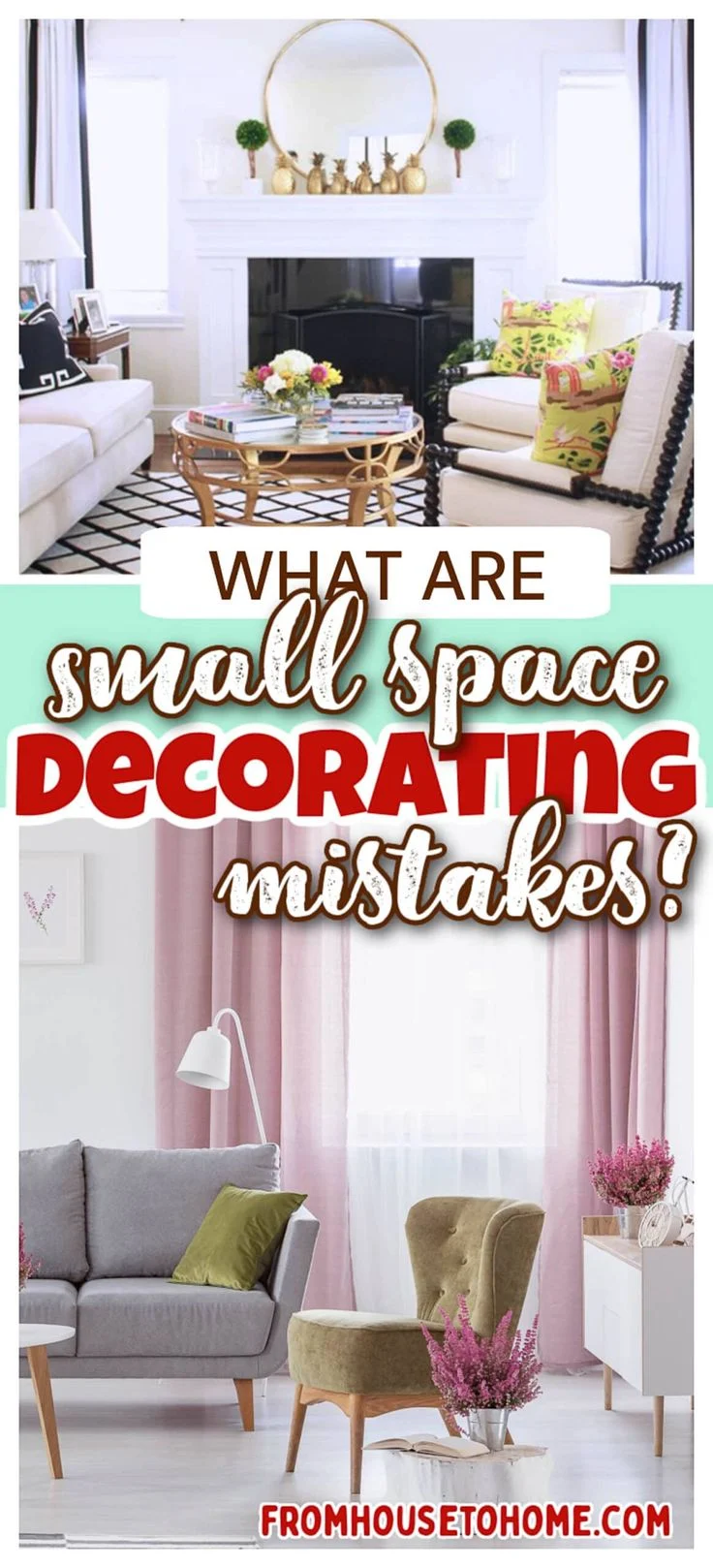
Table of Contents
- Essential small space decorating tips for any room
- How to choose a color palette using small space decorating tips
- Smart furniture placement that maximizes floor area
- Multipurpose pieces as a core small space decorating tip
- Creative storage solutions that hide the clutter
- Lighting tricks that enlarge perception
- Using mirrors as a small space decorating tip
- Incorporating greenery without overwhelming the area
- Textiles and patterns that create harmony
- Quick small space decorating tips
- Common decorating mistakes in small spaces
- Frequently Asked Questions
- What is the best color scheme for a small living room?
- How can I make a small bedroom feel taller?
- Are wall‑mounted TVs a good small space decorating tip?
- What type of lighting works best in a narrow hallway?
- Can I use rugs in a tiny apartment without making it look crowded?
- How do I keep my small kitchen organized?
Small Space Decorating Tips: Transform Every Inch Into Style
Living in a compact apartment, a cozy studio, or a modest house doesn’t mean you have to sacrifice style. The challenge of limited square footage often sparks creativity, pushing homeowners and renters alike to think beyond traditional décor rules. When you master small space decorating tips, you’ll discover that even the tiniest rooms can feel airy, organized, and uniquely yours.
This guide walks you through the most effective strategies for making the most of every corner, from selecting the right palette to choosing furniture that doubles as storage. Whether you’re revamping a bedroom, a kitchen nook, or a shared living area, the ideas here are grounded in modern interior design principles and practical, budget‑friendly solutions.
By the end of this article, you’ll have a toolbox of actionable tips, common pitfalls to avoid, and answers to frequently asked questions—all designed to help you create a harmonious, functional home without feeling cramped.
Essential small space decorating tips for any room
Before diving into specific rooms, it’s helpful to understand the overarching philosophy behind small space decorating tips. The key is to create an illusion of depth while maintaining functionality. Light colors on walls and ceilings reflect natural light, making rooms appear larger. Mirrors, strategically placed, bounce light around and add visual space. When choosing furniture, opt for pieces with exposed legs; this design choice lifts the eye off the floor, reinforcing a sense of openness.
In addition, consider the flow of movement. A cluttered pathway not only feels cramped but can also be hazardous. Arrange furniture to guide traffic naturally, leaving clear routes between entry points and focal areas. Lastly, embrace multipurpose items—a sofa bed, a fold‑down desk, or ottomans with hidden storage—so each square foot works double duty.
How to choose a color palette using small space decorating tips
Color is one of the most powerful tools in small space decorating tips. Light, neutral hues such as soft whites, pale grays, and muted pastels expand visual boundaries. If you love bold tones, use them as accents rather than wall colors. For example, a deep navy accent wall paired with white trim can create depth without overwhelming the space. When selecting accent colors, think about the Moire Black vs Charcoal Black debate—both shades add drama, but charcoal often feels softer in tight quarters, while true black can make a dramatic statement if balanced with ample lighting.
Smart furniture placement that maximizes floor area
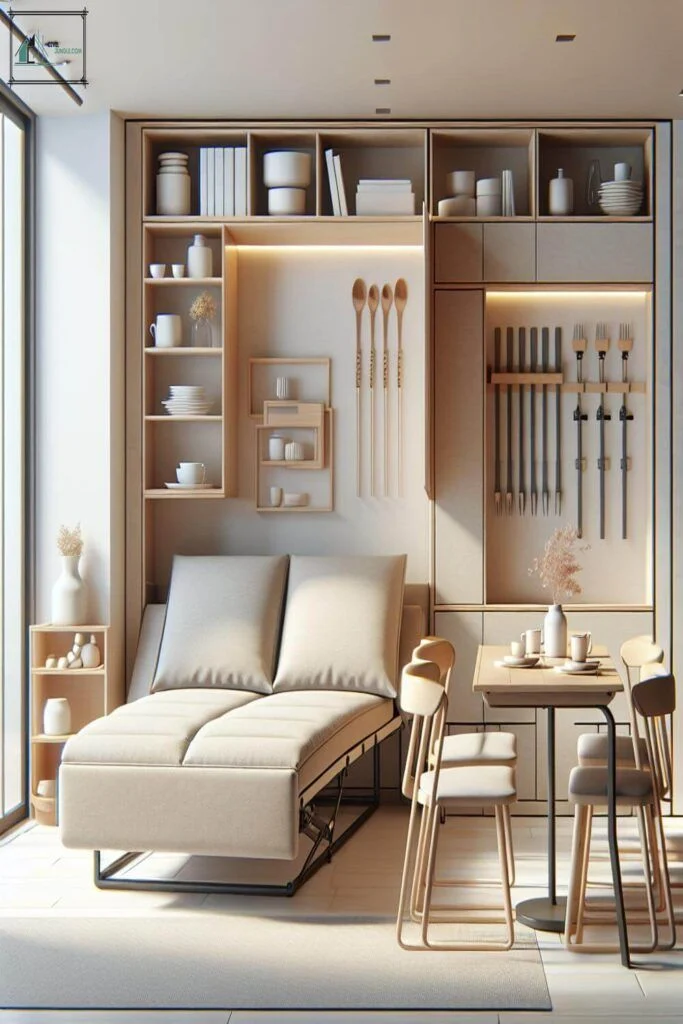
Furniture placement is at the heart of small space decorating tips. Begin by measuring the room and sketching a simple floor plan. This helps you visualize how each piece will interact with the others. In living rooms, a low-profile sectional anchored to a single wall frees up central floor space. In bedrooms, position the bed against the longest wall and use a nightstand that can double as a small desk.
Floating furniture—such as wall‑mounted shelves or a floating desk—creates the impression of more floor area because the piece appears to hover. When using rugs, choose those slightly smaller than the room’s dimensions; this maintains a visual buffer around the edges. And don’t forget vertical space: tall bookcases or floor‑to‑ceiling curtains draw the eye upward, emphasizing height over width.
Multipurpose pieces as a core small space decorating tip
Investing in multipurpose furniture is a cornerstone of small space decorating tips. A coffee table with built‑in storage can hide blankets, magazines, or board games. A bench at the foot of the bed offers extra seating while stashing shoes or linens inside. In home offices, a wall‑mounted fold‑down desk provides a work surface only when needed, folding away to free the area for other activities.
Creative storage solutions that hide the clutter
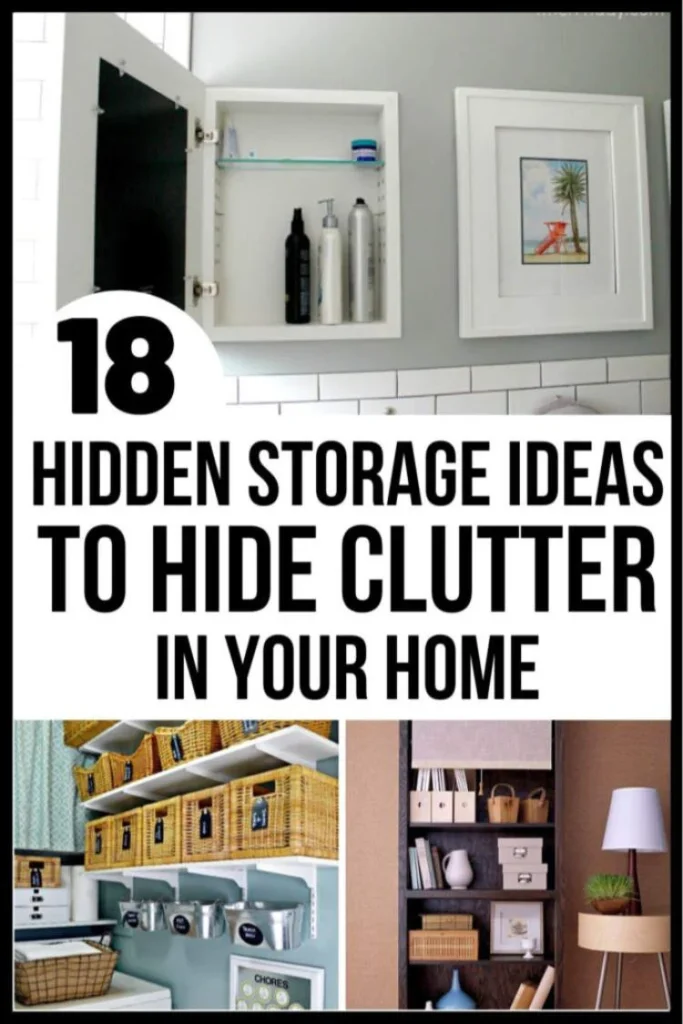
Clutter is the enemy of spaciousness. One of the most effective small space decorating tips is to integrate storage seamlessly into the décor. Think beyond closets: install shallow, floor‑level cabinets beneath a window seat, use decorative baskets on open shelves, or hang pegboards in kitchens for utensils and spices. Hidden storage behind artwork—using hinged frames—creates a secret compartment for valuables.
Another tip is to utilize the space above doors. A narrow shelf installed over a bedroom door can hold books, plants, or decorative boxes. In bathrooms, a ladder shelf leans against the wall, offering towel storage without taking up floor area. And for those who love textiles, a stylish ottoman with internal compartments provides seating and a place to tuck away blankets or toys.
Lighting tricks that enlarge perception
Lighting plays a vital role in small space decorating tips. A well‑lit room feels larger and more inviting. Layered lighting—combining ambient, task, and accent sources—ensures even distribution. Recessed ceiling lights provide a clean look, while floor lamps with slim profiles add height without bulk. When natural light is limited, mirror‑enhanced lighting can double the effect.
Consider installing LED strips under cabinets or behind TV units; this creates a gentle glow that adds depth. Pendant lights suspended over a kitchen island or dining table draw the eye upward, reinforcing vertical space. And for a cozy atmosphere, use dimmable bulbs to adjust brightness based on time of day.
Using mirrors as a small space decorating tip
Mirrors are a classic small space decorating tip that never loses its impact. A full‑length mirror placed opposite a window reflects sunlight, instantly brightening the room. For a decorative twist, choose a mirrored console table or a set of round wall mirrors arranged in a grid. These not only serve a functional purpose but also act as a visual focal point, creating an illusion of expanded space.
Incorporating greenery without overwhelming the area
Plants bring life, color, and improved air quality to any interior. However, in compact settings, it’s essential to select varieties that complement small space decorating tips without crowding the room. Choose slender, vertical planters, hanging pots, or wall‑mounted succulent gardens. A narrow, floor‑standing planter can occupy a corner while adding height.
For balcony or patio enthusiasts, see our guide on Apartment Balcony Plant Corner Ideas to discover how outdoor greenery can echo the indoor aesthetic, creating a seamless transition between inside and out.
Textiles and patterns that create harmony
Textiles are a subtle yet powerful way to implement small space decorating tips. Choose fabrics in natural fibers like linen or cotton, which breathe and add softness without visual weight. When incorporating patterns, opt for subtle, small‑scale designs; large, bold prints can dominate a limited area.
Layering is another effective tip: a lightweight rug beneath a larger area rug adds depth, while coordinating throw pillows in complementary hues tie the room together. For bedroom bedding, a monochrome palette with a single pop of color—perhaps a teal pillow—creates visual interest without chaos.
Quick small space decorating tips
- Paint the ceiling a shade lighter than the walls to add height.
- Use floating shelves instead of bulky bookcases.
- Choose furniture with legs to keep the floor visible.
- Add a large mirror opposite a window for instant brightness.
- Incorporate vertical storage like tall cabinets or wall hooks.
Common decorating mistakes in small spaces
Even seasoned decorators can stumble when applying small space decorating tips. One frequent error is over‑furnishing; cramming too many pieces into a room defeats the purpose of creating openness. Another mistake is using dark, heavy colors on all walls, which absorbs light and makes the space feel enclosed.
Neglecting proper lighting is also a pitfall—relying solely on a single ceiling fixture can leave corners in shadow. Finally, ignoring the importance of clear pathways leads to a cluttered feel. Always leave at least a 24‑inch width for walkways and avoid placing furniture directly in front of doors or windows.
Frequently Asked Questions
What is the best color scheme for a small living room?
A light, neutral base such as soft gray, ivory, or pale blue works best. Add depth with accent colors like muted teal or warm mustard through cushions, throws, or artwork. This combination reflects light while providing visual interest without overwhelming the space.
How can I make a small bedroom feel taller?
Use vertical stripes on the wall, install a high‑placed headboard, and keep window treatments short. Floor‑to‑ceiling curtains drawn to the floor elongate the walls, while a low‑profile bed with exposed legs maintains floor visibility.
Are wall‑mounted TVs a good small space decorating tip?
Yes. Mounting the TV frees up floor space, eliminates the need for a bulky TV stand, and creates a clean, streamlined look. Pair it with a floating media console for additional storage without sacrificing space.
What type of lighting works best in a narrow hallway?
Recessed lights or narrow wall sconces provide even illumination without taking up visual space. Adding a slim LED strip along the baseboard can also highlight the hallway’s length, making it feel more open.
Can I use rugs in a tiny apartment without making it look crowded?
Absolutely. Choose a rug that is slightly smaller than the floor area, allowing a border of exposed flooring. This defines the space without cutting it in half. A light‑colored rug also reflects light, enhancing the sense of space.
How do I keep my small kitchen organized?
Utilize vertical storage by installing hooks for pots, a magnetic strip for knives, and ceiling‑mounted racks for spices. Pull‑out pantry drawers and drawer organizers keep items accessible while minimizing countertop clutter.
With these small space decorating tips in your toolkit, you’re ready to transform any cramped corner into a functional, stylish sanctuary. Remember that each decision—from color choice to furniture arrangement—should reinforce the goal of openness and purpose. Experiment, stay flexible, and let your personality shine through every detail. For more inspiration, explore our guide on Relaxed Living Room Styling Ideas for a Calm, Modern Home and discover how calm aesthetics blend seamlessly with clever space‑saving strategies.