
Table of Contents
- Small Living Room Interior Inspiration: Mastering Layout and Flow
- Color, Light, and Visual Expansion
- Small Living Room Interior Inspiration: Choosing Multifunctional Furniture
- Creative Storage Solutions for Small Living Rooms
- Adding Personality: Textiles, Art, and Accessories
- Small Living Room Interior Inspiration: Budget‑Friendly Ideas
- Quick Tips for Immediate Impact
- Common Mistakes to Avoid in Small Living Room Design
- Frequently Asked Questions
- How can I make a small living room feel taller?
- Is it better to have a rug that covers the entire floor?
- What type of lighting works best in compact spaces?
- Can I use bold colors in a small living room?
- How do I incorporate storage without making the room look cluttered?
- What are the best flooring options for small living rooms?
Small Living Room Interior Inspiration: Transform Your Space with Smart Design
Living in a compact apartment or a modest house often means the living room has to wear many hats—entertainment hub, work zone, and a place to unwind. Yet a small footprint doesn’t have to limit style or comfort. With thoughtful planning, clever furniture choices, and a dash of creativity, you can turn a modest square footage into a welcoming, functional haven.
This guide walks you through the most effective strategies for achieving small living room interior inspiration that feels spacious, stylish, and uniquely yours. From arranging furniture to selecting the perfect color palette, you’ll learn how to maximize every inch while keeping the design fresh and modern. Whether you’re a first‑time renter, a seasoned homeowner, or simply love interior design, the tips below will help you craft a living room that reflects your personality without feeling cramped.
Small Living Room Interior Inspiration: Mastering Layout and Flow
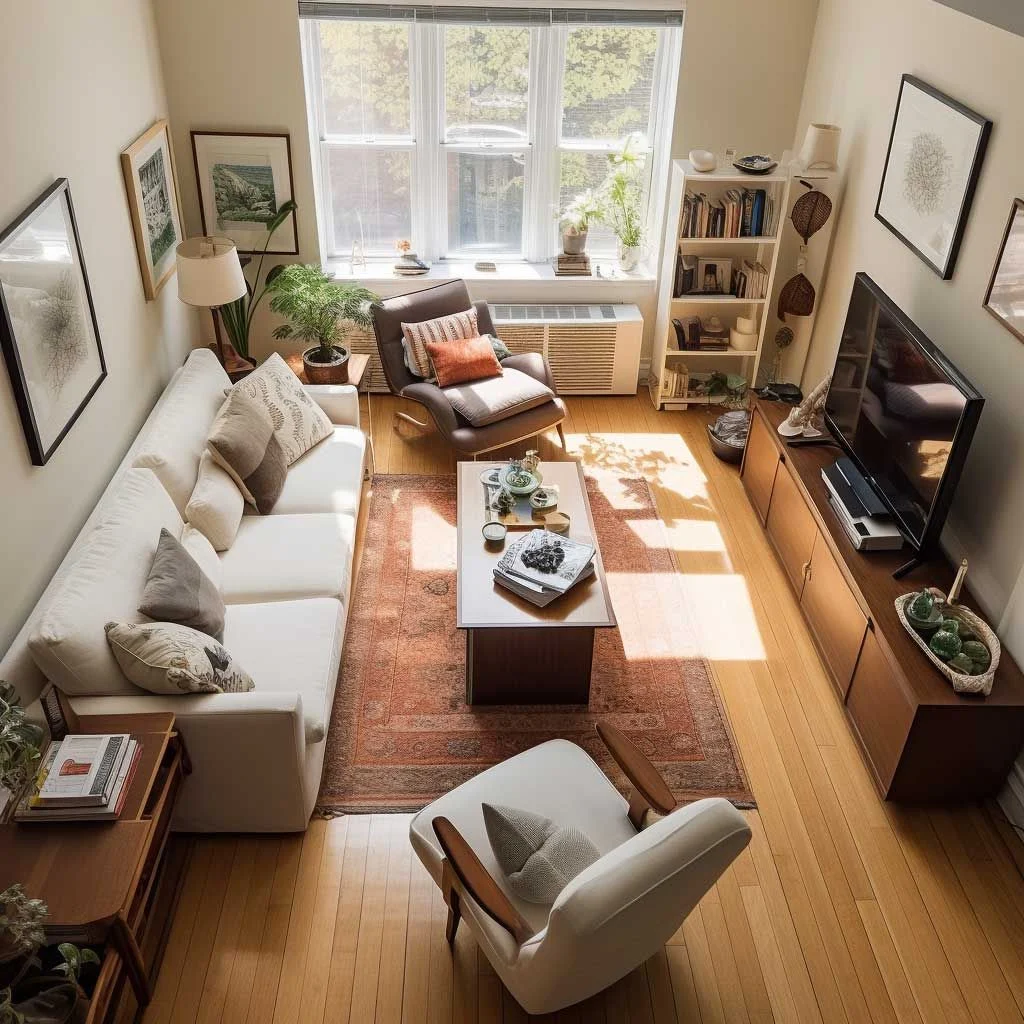
The foundation of any well‑designed room begins with layout. In a small living room, the way you arrange furniture can either open up the space or make it feel boxed in. Start by measuring the room accurately and drawing a simple floor plan on graph paper or using a free online tool. This visual aid lets you experiment with different configurations before moving heavy pieces.
Key layout principles to keep in mind:
- Anchor with a focal point. Whether it’s a sleek TV console, a bold piece of art, or a striking rug, the focal point gives the eye a place to settle.
- Float furniture. Instead of pushing sofas and chairs against walls, try floating them slightly inward. This creates a sense of depth and makes the room feel larger.
- Maintain clear pathways. Aim for at least 2‑foot wide walking routes so traffic flows naturally without bumping into furniture.
Consider a two‑seater sofa paired with a single accent chair rather than a bulky three‑seater. A compact, low‑profile sofa paired with a narrow coffee table can free up visual space. If you need extra seating, an ottoman with hidden storage can double as a footrest and a guest seat when needed.
Color, Light, and Visual Expansion

Color and lighting are powerful tools for creating the illusion of space. Light, neutral tones reflect natural light, making the room feel airy. However, you don’t need to stick to beige; soft blues, muted greens, or warm greys can also open up a room while adding personality.
Here’s how to use color and light effectively:
- Monochromatic palette. Stick to varying shades of a single color family for walls, furniture, and accessories. This cohesive look reduces visual clutter.
- Strategic accent walls. If you love a bold hue, limit it to one wall—ideally the one behind the focal point—to avoid overwhelming the space.
- Maximize natural light. Use sheer curtains or blinds that can be fully opened during the day. Mirrors placed opposite windows bounce light deeper into the room.
- Layered artificial lighting. Combine ceiling lights, floor lamps, and table lamps to eliminate shadows and create a warm ambiance after sunset.
For a subtle pop, incorporate metallic finishes or glossy accessories that catch light. A set of simple wood frames on the wall, as discussed in our Simple Wall Décor with Wood Frames – Timeless Ideas for Every Home article, can add texture without adding bulk.
Small Living Room Interior Inspiration: Choosing Multifunctional Furniture
In tight quarters, each piece of furniture should earn its keep. Multifunctional items let you adapt the room to various activities without crowding it.
- Convertible sofas. A sofa that transforms into a sleeper or a chaise provides extra sleeping space for guests.
- Nesting tables. Small tables that stack or nest can be pulled out when needed and tucked away when not.
- Wall‑mounted storage. Floating shelves, media consoles, or a wall‑mounted desk keep floor space open.
- Built‑in benches. A bench with storage beneath can serve as seating, a console, and a place to hide blankets.
When selecting a piece, think about the room’s primary functions. If you work from home, a sleek wall‑mounted desk that folds up after work hours can keep the living room feeling uncluttered.
Creative Storage Solutions for Small Living Rooms

Clutter is the enemy of spaciousness. Smart storage keeps essential items out of sight while maintaining a clean aesthetic. Below are some storage ideas that blend seamlessly with modern décor:
- Hidden compartments. Coffee tables with lift‑top storage or side tables that open to reveal drawers keep magazines, remotes, and coasters neatly stored.
- Vertical shelving. Tall, narrow bookcases make use of wall height without taking up much floor space.
- Decorative baskets. Woven baskets placed on open shelves add texture and serve as catch‑alls for blankets or toys.
- Behind‑door organizers. Over‑the‑door racks can hold shoes, scarves, or cleaning supplies, freeing up closet space.
For a fresh burst of greenery without sacrificing square footage, see our article on Small Bathroom Plant Corner Ideas – Fresh Green Styling. The same principles apply to a living room corner—choose a slim plant stand and a few low‑maintenance succulents to add life.
Adding Personality: Textiles, Art, and Accessories
Even the smallest rooms benefit from layers that reflect your taste. Textiles—rugs, cushions, throws—introduce color, pattern, and comfort. When selecting rugs, opt for a size that leaves a narrow border of floor visible; this visually expands the room.
Artwork should be proportionate. A single large piece can anchor the space, while a curated gallery wall of smaller frames creates visual interest without overwhelming the walls. If you’re unsure about committing to a bold hue, start with decorative pillows in a vibrant shade; they’re easy to swap out seasonally.
Lighting fixtures also act as decorative statements. A sleek floor lamp with a brushed‑nickel finish can become a focal point, while a set of minimalist pendant lights adds an industrial edge.
Small Living Room Interior Inspiration: Budget‑Friendly Ideas
Transforming a small living room doesn’t require a hefty budget. Thrift stores, online marketplaces, and DIY projects can yield high‑impact pieces at a fraction of the cost.
- DIY pallet coffee table. Sanded and stained pallets create a rustic coffee table with built‑in storage underneath.
- Reupholster an old chair. Swap out dated fabric for a fresh, modern pattern.
- Second‑hand mirrors. A large vintage mirror can double the sense of space and add character.
- Paint old furniture. A coat of matte black or soft pastel can instantly modernize a piece.
For inspiration on choosing comfortable seating, check out our guide on The Ultimate Guide to Choosing the Best Ground Blind Chair. A well‑chosen chair can become the centerpiece of a small living room while staying within budget.
Quick Tips for Immediate Impact
- Use light‑colored curtains that reach the floor to elongate the walls.
- Place a mirror opposite a window to reflect natural light.
- Keep décor to a minimum—choose a few statement pieces rather than many small items.
- Opt for furniture with exposed legs; this creates visual space underneath.
- Incorporate vertical elements like tall plants or floor‑to‑ceiling shelving.
Common Mistakes to Avoid in Small Living Room Design
Even with the best intentions, certain pitfalls can undermine your small living room interior inspiration. Recognizing these common errors helps you stay on track.
- Over‑furnishing. Packing too many pieces into a limited area creates a cluttered feel.
- Heavy dark colors. Dark walls absorb light, making the room feel smaller.
- Ignoring scale. Oversized sofas or coffee tables dominate the space; choose proportionate sizes.
- Neglecting flow. Blocked pathways hinder movement and make the room feel cramped.
- Excessive décor. Too many accessories compete for attention and visually shrink the area.
By keeping furniture proportionate, selecting a light color palette, and allowing clear traffic routes, you can avoid these missteps and preserve a sense of openness.
Frequently Asked Questions
How can I make a small living room feel taller?
Use vertical lines to draw the eye upward. Tall bookshelves, floor‑to‑ceiling curtains, and elongated artwork all create the illusion of height. Light-colored walls and a high‑gloss ceiling paint also reflect light upward, enhancing the sense of vertical space.
Is it better to have a rug that covers the entire floor?
In a small room, a rug that is slightly smaller than the floor works best. Leave a thin border of floor exposed around the edges; this prevents the room from feeling boxed in and helps define the seating area.
What type of lighting works best in compact spaces?
Layered lighting—combining ambient ceiling fixtures, task lighting like floor lamps, and accent lighting such as wall sconces—provides flexibility. Choose fixtures with slim profiles to avoid visual clutter.
Can I use bold colors in a small living room?
Yes, but use them strategically. A bold accent wall, colorful cushions, or a vibrant piece of art can add personality without overwhelming the space. Balance bold hues with neutral tones to maintain a harmonious feel.
How do I incorporate storage without making the room look cluttered?
Select furniture with built‑in storage, like a coffee table with drawers or a sofa with hidden compartments. Use vertical storage solutions such as narrow shelving units, and keep decorative items minimal to maintain a clean look.
What are the best flooring options for small living rooms?
Light‑colored wood or laminate flooring opens up a space. If you prefer carpet, choose a low‑pile, neutral‑toned rug that blends with the wall color. Avoid dark or heavily patterned flooring, which can shrink the visual space.
Implementing these small living room interior inspiration ideas will help you craft a space that feels larger than its dimensions. Remember, the goal is to balance function, comfort, and style while keeping the design cohesive and airy. Start with a clear layout, choose a light color scheme, integrate multifunctional furniture, and add personality through thoughtful accessories. With a little creativity and strategic planning, your modest living area can become a showcase of modern, inviting design.