
Table of Contents
- Understanding the Psychology of Color in Small Spaces
- How Small Living Room Color Ideas Influence Mood
- Neutral Foundations: The Perfect Canvas
- Sample Neutral Palettes for Small Living Room Color Ideas
- Strategic Accent Walls: Adding Depth Without Crowding
- Small Living Room Color Ideas for Accent Walls
- Monochromatic Schemes: Harmony in Simplicity
- How to Build a Monochromatic Palette
- Incorporating Bold Pops of Color
- Best Locations for Colorful Accents
- Lighting, Mirrors, and Finish: Amplifying Color Impact
- Quick Tips for Light‑Friendly Color Application
- Quick Home Décor Tips for Small Living Rooms
- Common Mistakes to Avoid with Small Living Room Color Ideas
- Frequently Asked Questions
- Can I paint a small living room dark and still make it feel spacious?
- What paint finish works best for small living rooms?
- How do I choose between warm and cool neutrals?
- Is it okay to combine multiple accent colors in a small living room?
- Do I need to repaint the whole room when adding an accent wall?
- How often should I update my color scheme in a small living room?
- Putting It All Together: A Sample Design Workflow
Small Living Room Color Ideas: Brighten Your Space with Style
Living in a compact apartment or a cozy house often means making every square foot count. One of the most powerful tools at your disposal is color. The right palette can visually expand walls, highlight architectural features, and set the mood for relaxation or entertainment. Yet many homeowners feel overwhelmed by the endless swatches and trends. This guide breaks down the most effective small living room color ideas, offering clear, actionable advice that works for renters, first‑time buyers, and seasoned decorators alike.
In the following sections you’ll learn how to choose a base hue, where to add accent colors, and how lighting and texture influence perception. We’ll also explore practical tips for pairing paint with furniture, rugs, and artwork, ensuring a cohesive look that feels both modern and personal. By the end, you’ll have a toolbox of color strategies that turn a tight living area into a stylish sanctuary.
Understanding the Psychology of Color in Small Spaces
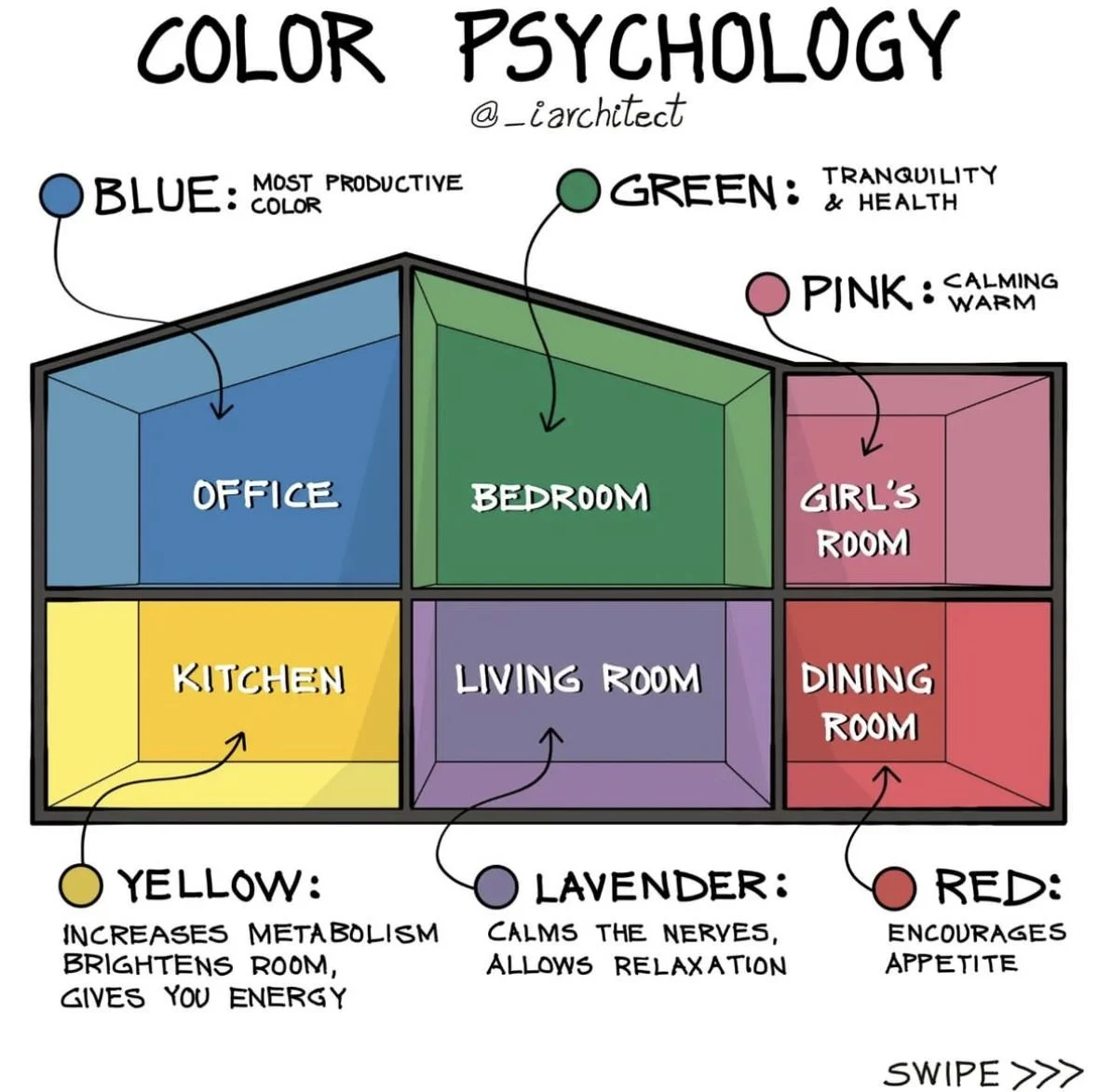
Before diving into specific palettes, it’s helpful to understand why certain colors work better in limited areas. Light, neutral shades such as soft whites, pale grays, and warm beiges reflect natural light, making walls appear farther away. Cool tones—light blues, muted greens, and gentle lavenders—create a sense of calm while also adding a subtle depth that prevents the room from feeling flat.
Conversely, darker hues absorb light, which can make a room feel intimate but also smaller if overused. The trick is to balance darkness with reflective surfaces or strategic accent walls. This principle underlies many of the small living room color ideas we’ll explore, allowing you to play with contrast without sacrificing spaciousness.
How Small Living Room Color Ideas Influence Mood
- Warm neutrals (e.g., ivory, sand): Invite coziness and pair well with wooden furniture.
- Cool pastels (e.g., sky blue, sage green): Promote tranquility and enhance natural light.
- Bold accents (e.g., navy, mustard): Add personality and create focal points without overwhelming the space.
Neutral Foundations: The Perfect Canvas

Starting with a neutral base is a classic approach for small living room color ideas. A light, uniform backdrop gives you flexibility to layer textures, patterns, and occasional pops of color. Choose a shade that complements the amount of daylight your room receives. For east‑facing spaces, a warm cream can counteract cooler morning light, while a cool gray works beautifully in north‑oriented rooms.
When selecting paint, consider a matte finish for the main walls—it reduces glare and creates a smooth, seamless look. If you prefer a hint of sheen, a low‑luster eggshell can add subtle depth without reflecting too much light.
Sample Neutral Palettes for Small Living Room Color Ideas
- Soft ivory with a whisper of taupe
- Light greige (gray‑beige) paired with white trim
- Warm almond paired with brushed nickel fixtures
These foundations also make it easier to incorporate other design elements, such as a DIY photo display wall that adds personality without adding visual clutter.
Strategic Accent Walls: Adding Depth Without Crowding
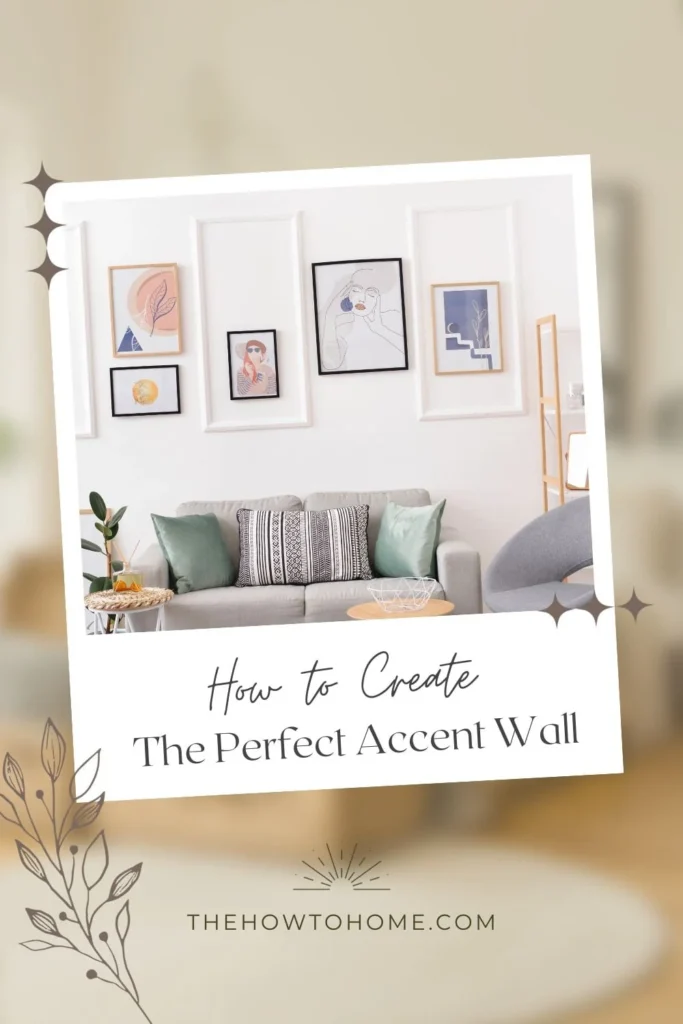
One of the most popular small living room color ideas is the use of a single accent wall. By painting just one side of the room a richer hue, you create a focal point that draws the eye outward, rather than shrinking the space. Choose the wall that naturally commands attention—typically the one behind the sofa or the TV unit.
When picking an accent color, think about the room’s dominant furnishings. If your sofa is a neutral linen, a deep navy or emerald green can provide contrast while still feeling sophisticated. Pair the accent with lighter décor items—metallic cushions, glass coffee tables, or light‑colored rugs—to keep the overall balance.
Small Living Room Color Ideas for Accent Walls
- Charcoal gray behind a white sectional
- Dusty teal on the wall opposite a light wood coffee table
- Rich terracotta on the backdrop of a built‑in bookshelf
Monochromatic Schemes: Harmony in Simplicity
Monochrome doesn’t mean boring. By using variations of a single hue—different tints, tones, and textures—you achieve a cohesive look that feels larger because the eye isn’t constantly searching for contrast. This approach works especially well for small living room color ideas that emphasize calm and elegance.
Start with a light base (e.g., pale gray) and layer deeper shades through textiles and accessories. A gray sofa, charcoal throw pillows, and a silver rug all belong to the same family yet provide enough visual interest to avoid monotony.
How to Build a Monochromatic Palette
- Choose a base color that resonates with your style.
- Select two to three deeper shades for upholstery, curtains, and décor.
- Introduce texture—linen, velvet, woven baskets—to differentiate the layers.
Incorporating Bold Pops of Color
Even the most restrained small living room color ideas can benefit from a splash of daring color. A bright cushion, a vivid piece of artwork, or a colorful rug can become the room’s signature element. Because the base remains neutral, these pops stand out without overwhelming the space.
When integrating bold hues, keep the quantity low—typically 10‑15% of the visual field. This ratio ensures the accent feels intentional rather than chaotic. For instance, a mustard‑yellow armchair paired with a white wall creates a cheerful focal point while preserving an airy atmosphere.
Best Locations for Colorful Accents
- Throw pillows on a neutral sofa
- Area rug with a geometric pattern
- Artwork or framed prints that echo the accent hue
Lighting, Mirrors, and Finish: Amplifying Color Impact
Paint does not exist in a vacuum. Natural light, artificial lighting, and reflective surfaces all interact with your chosen palette. In small living room color ideas, leveraging these elements can magnify the sense of space.
Use sheer curtains to let daylight filter in, enhancing light‑reflective neutral walls. Incorporate a large mirror opposite a window; the mirror reflects both natural and artificial light, effectively doubling the perceived size of the room. Finally, consider a subtle satin finish on trim—its slight sheen catches light without creating glare, adding a refined touch.
Quick Tips for Light‑Friendly Color Application
- Paint ceilings a shade lighter than the walls to lift the room.
- Choose LED bulbs with a warm (2700‑3000K) temperature for a cozy ambiance.
- Position floor lamps near dark corners to break up shadowy areas.
Quick Home Décor Tips for Small Living Rooms
- Use multi‑functional furniture—like an ottoman with storage—to keep floor space clear.
- Hang art at eye level; a well‑placed piece can draw the gaze upward, adding perceived height.
- Choose rugs that are slightly larger than your seating area to create visual continuity.
Common Mistakes to Avoid with Small Living Room Color Ideas
Even with the best intentions, certain pitfalls can undermine your design efforts. Here are the most frequent errors and how to sidestep them:
- Over‑saturating with dark colors: Too much black or deep navy can make the room feel cramped. Reserve dark tones for accent walls or furniture, not the entire envelope.
- Ignoring lighting conditions: Selecting a color that looks perfect in the paint store but clashes with the room’s natural light can create an unflattering environment.
- Mixing too many patterns: In a small space, excessive pattern competition can feel chaotic. Limit to one patterned element (e.g., a rug) and keep the rest simple.
Frequently Asked Questions
Can I paint a small living room dark and still make it feel spacious?
Yes, if you balance the dark walls with ample lighting, light‑colored trim, and reflective accessories. A single dark accent wall paired with white ceilings and plenty of mirrors can create depth without shrinking the room.
What paint finish works best for small living rooms?
Matte or low‑luster finishes are ideal because they minimize glare and hide imperfections. For trim or doors, a subtle satin finish adds a gentle highlight without reflecting too much light.
How do I choose between warm and cool neutrals?
Consider the direction of natural light. Warm neutrals complement east‑ or south‑facing rooms, while cool neutrals enhance north‑ or west‑facing spaces. Test large swatches on the wall at different times of day before committing.
Is it okay to combine multiple accent colors in a small living room?
Yes, but keep the overall palette cohesive. Limit the number of accent hues to two and use them in small doses—pillows, artwork, or a single piece of furniture—to maintain visual harmony.
Do I need to repaint the whole room when adding an accent wall?
No. A well‑executed accent wall can be achieved by painting just one side. Ensure the transition edges are crisp, using painter’s tape and a quality brush for a professional look.
How often should I update my color scheme in a small living room?
Colors themselves don’t need frequent changes, but accessories can be swapped seasonally. Updating cushions, throws, or artwork every few months keeps the space fresh without the cost of repainting.
Putting It All Together: A Sample Design Workflow
1. Assess Light: Observe how sunlight moves across the room at different times.
2. Choose a Base Neutral: Pick a light gray or warm beige that complements the lighting.
3. Select an Accent Color: Decide on a bold hue for one wall or key furniture piece.
4. Integrate Textures: Add a woven rug, linen curtains, and a metal coffee table to create depth.
5. Layer Accessories: Use pillows, artwork, and plants that echo the accent color.
6. Finalize Lighting: Add floor lamps and a mirror to bounce light and reinforce the color scheme.
Following this workflow ensures that each small living room color idea works in concert, producing a harmonious and spacious feel.
Whether you lean toward soothing pastels, sleek monochrome, or daring pops of color, the key is intentionality. Thoughtful color selection, paired with smart lighting and selective accessories, transforms even the tiniest living area into a welcoming, stylish retreat.
Explore more ideas on clean minimalist home décor or compare flooring options in our Lumber Liquidators vs Home Depot guide to complete your design vision.
Ready to experiment? Grab a paint swatch, test a small area, and watch how color reshapes your perception of space. Small living room color ideas are not just about aesthetics; they’re about creating a place where you feel comfortable, inspired, and proud to call home.