
Table of Contents
- Understanding the Core of Simple Productive Workspace Design
- Ergonomics: The Foundation of a Simple Productive Workspace Design
- Choosing the Right Layout for Different Spaces
- Studio Apartment: Multi‑Function Zones
- Spare Bedroom Conversion
- Home Office Nook in a Living Room
- Smart Storage Solutions for a Clutter‑Free Environment
- Vertical Storage: Shelves and Wall‑Mounted Units
- Under‑Desk Drawers and Rolling Carts
- Hidden Compartments
- Design Elements That Enhance Focus and Mood
- Color Psychology
- Texture and Acoustics
- Personal Touches
- Quick Tips for Instantly Boosting Your Workspace
- Common Mistakes and How to Avoid Them
- Over‑Decorating the Desk Surface
- Ignoring Natural Light
- Poor Cable Management
- Frequently Asked Questions
- What is the minimum size for a functional home office?
- Can I use a standing desk in a small apartment?
- How do I choose the right chair for long work sessions?
- Is it worth investing in premium lighting?
- Should I keep personal items on my desk?
- How often should I reorganize my workspace?
Simple Productive Workspace Design for Modern Living
In today’s world, the line between work and home continues to blur, making a well‑thought‑out workspace more important than ever. Whether you’re juggling remote meetings, creative projects, or a side hustle, the environment you sit in can either fuel your focus or drain your energy. A simple productive workspace design doesn’t require a massive renovation; it’s about intelligent choices that streamline flow, reduce distractions, and keep essential tools within easy reach.
In this guide, we’ll walk through the fundamental principles of crafting a workspace that feels both inviting and efficient. You’ll learn how to balance aesthetics with functionality, make the most of limited square footage, and integrate subtle design tricks that enhance concentration without sacrificing style. By the end, you’ll have a clear roadmap to transform any corner of your home into a productivity‑boosting haven.
Understanding the Core of Simple Productive Workspace Design
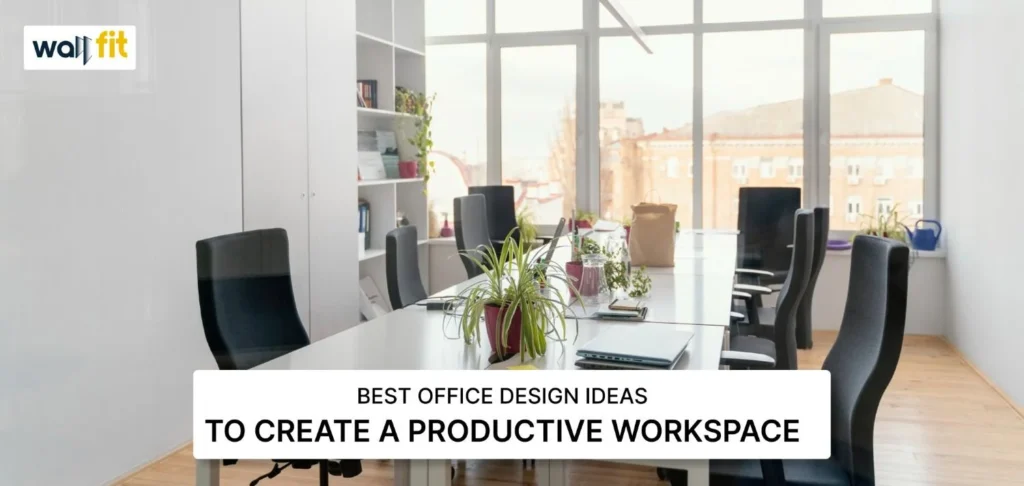
The first step toward a functional office area is recognizing the three pillars that underpin any successful layout: ergonomics, organization, and ambiance. When these elements work together, you create a space that supports long‑hour focus sessions while also feeling comfortable enough to stay in for extended periods.
Ergonomics: The Foundation of a Simple Productive Workspace Design
- Chair and desk height: Your elbows should form a 90‑degree angle when typing, and your feet should rest flat on the floor.
- Monitor positioning: Place the top of the screen at eye level to reduce neck strain.
- Lighting: Blend natural light with a soft, adjustable desk lamp to avoid glare.
Investing in a good ergonomic chair might seem like an extra expense, but it pays dividends in reduced fatigue and better posture, which directly influence productivity.
Choosing the Right Layout for Different Spaces
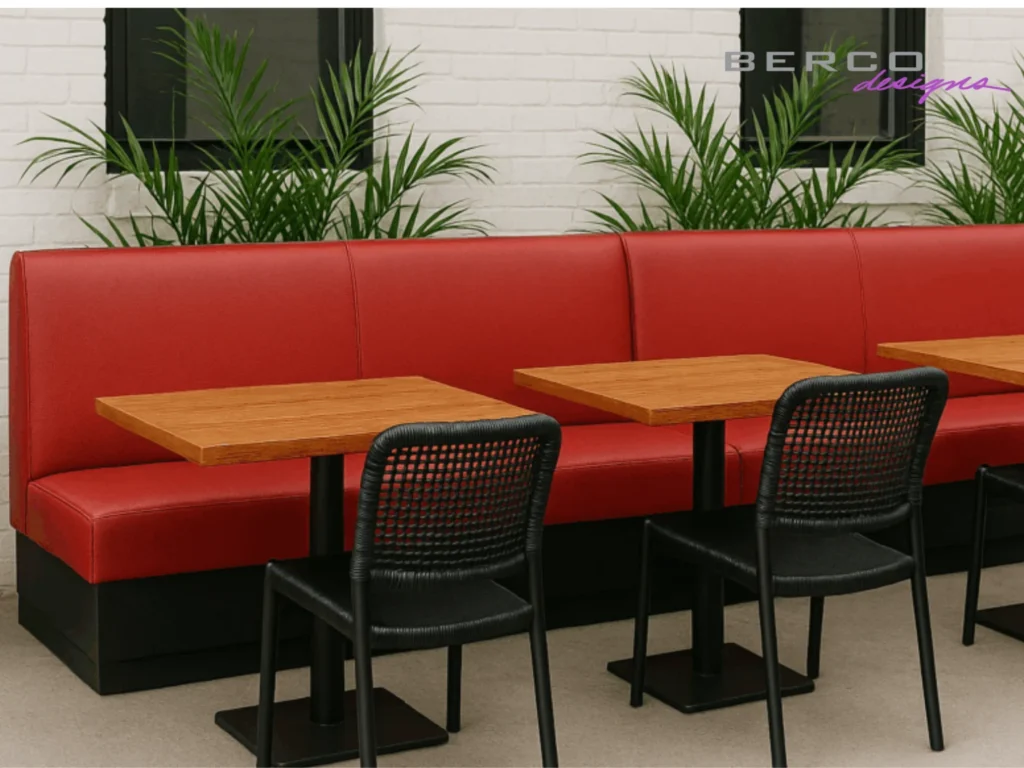
Not every home offers a dedicated room for work, so tailoring your layout to the available footprint is crucial. Below are three common scenarios and how a simple productive workspace design can adapt.
Studio Apartment: Multi‑Function Zones
In a studio, the workspace should blend seamlessly with living areas. Use a compact desk that can double as a console table, and add a rolling chair that slides under the desk when not in use. A folding screen or a tall bookshelf can serve as a visual divider, providing a sense of separation without consuming floor space.
Spare Bedroom Conversion
A spare bedroom offers the luxury of a dedicated office. Position the desk near a window for natural light, and consider a wall‑mounted monitor to free up desk surface. Add a small side table for coffee or a plant, and use the existing closet for hidden storage by installing hanging organizers.
Home Office Nook in a Living Room
When you must work from the living room, select a sleek, low‑profile desk that aligns with the room’s aesthetic. Pair it with a stylish yet supportive chair, and keep cords organized with cable trays. A decorative rug underneath can delineate the work zone while adding warmth to the overall décor.
Smart Storage Solutions for a Clutter‑Free Environment
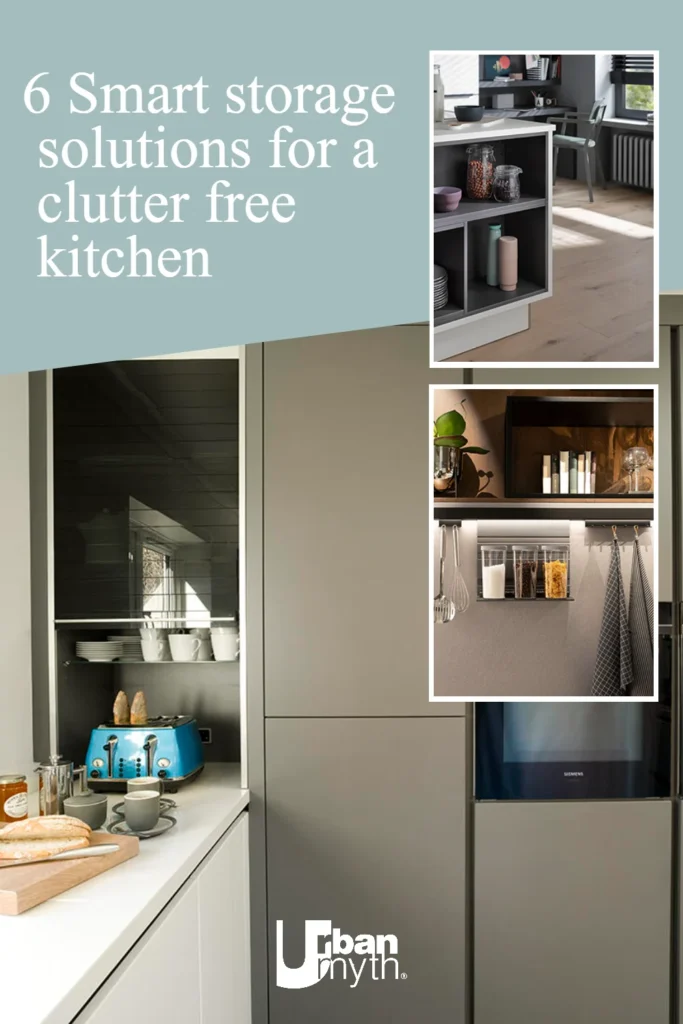
Clutter is the enemy of focus. By integrating smart storage into a simple productive workspace design, you keep essential items handy without visual overload.
Vertical Storage: Shelves and Wall‑Mounted Units
Floor space is often at a premium, so think upward. Floating shelves can hold books, reference materials, and decorative boxes. For a sleek look, choose open shelving with uniform bins that blend with your color palette.
Under‑Desk Drawers and Rolling Carts
Pull‑out trays hide paperwork and office supplies, while a rolling cart can act as a mobile “second monitor” stand or a place for printers and scanners. When the day is over, simply wheel the cart out of sight.
Hidden Compartments
Utilize the space inside a bench or a window seat for concealed storage. This approach adds functionality without compromising the room’s aesthetic.
Design Elements That Enhance Focus and Mood
Beyond furniture, subtle design choices can profoundly affect how productive you feel. Incorporating the right colors, textures, and personal touches creates an environment that supports both concentration and creativity.
Color Psychology
- Cool blues and greens: Promote calm and improve focus.
- Soft neutrals: Offer a clean backdrop that lets your work stand out.
- Accent colors: A pop of yellow or orange can stimulate creativity without becoming distracting.
Texture and Acoustics
Soft rugs, upholstered chairs, and acoustic panels reduce echo, making it easier to stay on task. If you’re in a noisy apartment, consider a white‑noise machine or a thick curtain to dampen external sounds.
Personal Touches
Incorporate a few meaningful items—such as a favorite piece of art, a small plant, or a motivational quote—so the space feels inviting. Just keep the number limited to avoid visual clutter.
Quick Tips for Instantly Boosting Your Workspace
- Keep only the tools you use daily on the desk; store everything else out of sight.
- Use a cable management box to hide power strips and chargers.
- Place a small desk lamp with adjustable brightness to match the time of day.
- Add a single green plant for air purification and a touch of nature.
- Schedule a weekly “declutter” session to maintain a tidy environment.
Common Mistakes and How to Avoid Them
Even the best‑intented workspace creators can fall into pitfalls that undermine productivity. Here are some frequent errors and practical solutions.
Over‑Decorating the Desk Surface
While a few decorative items can personalize the area, too many objects become visual noise. Stick to one or two accents and keep the rest clear for work materials.
Ignoring Natural Light
Positioning a desk away from windows can lead to eye strain and low energy. If daylight isn’t an option, invest in a full‑spectrum lamp that mimics natural light.
Poor Cable Management
Messy cords not only look untidy but can also pose safety hazards. Use Velcro ties, clip strips, or a simple zip‑tie system to keep everything organized.
Frequently Asked Questions
What is the minimum size for a functional home office?
A space as small as 5 × 5 feet can work if you choose a compact desk, a wall‑mounted monitor, and vertical storage. The key is to maximize vertical space and keep the floor area open.
Can I use a standing desk in a small apartment?
Absolutely. A height‑adjustable standing desk that folds flat when not in use can fit into tight corners. Pair it with a supportive anti‑fatigue mat for comfort.
How do I choose the right chair for long work sessions?
Look for lumbar support, adjustable seat height, and breathable material. Even a modest ergonomic chair can make a big difference compared to a basic dining chair.
Is it worth investing in premium lighting?
Yes. Proper lighting reduces eye strain and improves mood. A combination of natural light, a quality desk lamp, and ambient lighting creates a balanced environment.
Should I keep personal items on my desk?
A few personal touches can boost morale, but keep them limited to avoid clutter. A small photo frame or a favorite mug works well.
How often should I reorganize my workspace?
Aim for a quick tidy‑up at the end of each day and a more thorough declutter session once a month. This habit prevents build‑up and keeps the space efficient.
Creating a simple productive workspace design is less about extravagant furnishings and more about purposeful choices that align with how you work. By focusing on ergonomics, smart storage, and calming aesthetics, you can build an environment that encourages concentration, creativity, and well‑being.
Ready to see how other rooms can benefit from thoughtful design? Check out our guide on cozy living room design ideas for inspiration, explore entryway décor with neutral décor trays to master seamless transitions, or discover practical kitchen décor with linen towels that complement your home office vibe.
Start small, stay consistent, and watch your productivity rise as your workspace transforms into a place you genuinely enjoy spending time in.