

Table of Contents
- Simple Living Room Décor Ideas for Beginners: Getting Started
- Choosing a Color Palette That Works
- Simple Living Room Décor Ideas for Beginners – Color Palette Basics
- Furniture Placement and Space Planning
- Lighting Layers for a Cozy Atmosphere
- Accessorizing with Purpose
- Budget‑Friendly Shopping Strategies
- Quick Home Décor Tips
- Common Mistakes to Avoid
- Frequently Asked Questions
- How much should I spend on a living room makeover?
- Can I use bold colors if I’m a beginner?
- What’s the best way to make a small living room feel larger?
- How do I choose the right rug size?
- Should I match my décor to the rest of the house?
Simple Living Room Décor Ideas for Beginners
Creating a welcoming living room doesn’t have to feel overwhelming, especially if you’re just starting out. Whether you rent a modest apartment or own a spacious home, the principles of good design are universal: balance, comfort, and a touch of personality. In this guide we’ll break down the process into manageable steps, giving you the confidence to pick colors, arrange furniture, and add accessories without breaking the bank.
Why focus on simple living room décor ideas for beginners? Because a well‑styled living area sets the tone for the entire house, influences how you feel after a long day, and even impresses visitors. By the end of this article you’ll have a clear roadmap, from choosing a base palette to selecting the perfect lighting, plus practical shortcuts that keep the project fun rather than stressful.
Ready to transform your living room into a space that feels both modern and uniquely yours? Let’s dive into the fundamentals, explore creative shortcuts, and learn how to avoid common pitfalls.
Simple Living Room Décor Ideas for Beginners: Getting Started

The first step in any design journey is establishing a foundation. Begin by assessing the room’s dimensions, natural light, and existing pieces you may want to keep. Measure the floor plan and sketch a rough layout on paper or a free online tool. This visual aid helps you experiment with furniture placement before you move heavy items.
Next, decide on a focal point. It could be a large window, a fireplace, or a bold piece of artwork. Arranging the sofa and chairs to face this anchor creates a cohesive flow. If you lack a strong focal point, consider adding one—perhaps a striking rug or a decorative mirror that also reflects light.
Finally, set a realistic budget. Simple living room décor ideas for beginners thrive on smart spending: prioritize essential furniture, then layer in décor items gradually. Remember that a few well‑chosen pieces can outweigh a cluttered collection of inexpensive trinkets.
Choosing a Color Palette That Works

Color is the language of interior design. For beginners, it’s safest to start with a neutral base—think soft whites, warm grays, or muted beiges. These shades create a calm backdrop that makes the room feel larger and allows you to introduce bolder accents later.
Simple Living Room Décor Ideas for Beginners – Color Palette Basics
When you’re ready to add personality, choose one or two accent colors. A popular approach is the 60‑30‑10 rule: 60 % of the room should be a dominant neutral, 30 % a secondary hue, and 10 % a bold pop. For instance, a gray sofa (60 %), teal throw pillows (30 %), and a mustard‑colored vase (10 %).
- Test paint swatches on the wall at different times of day to see how light changes the tone.
- Incorporate texture to add depth—linen curtains, velvet cushions, or a woven rug.
- Use accessories like artwork or books to reinforce your chosen accent colors.
Sticking to a limited palette simplifies buying decisions and ensures a harmonious look, a key advantage for anyone new to decorating.
Furniture Placement and Space Planning
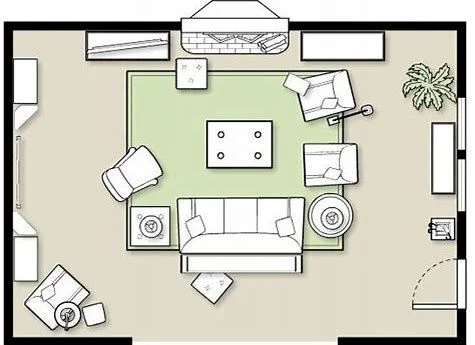
Beginners often underestimate the power of traffic flow. Keep pathways at least 60 cm wide to allow easy movement. Start by anchoring the largest piece—usually the sofa—against a wall or centered around the focal point.
Consider multifunctional furniture for small rooms. A sofa with hidden storage, a coffee table that doubles as a desk, or ottomans that serve as extra seating and footrests can dramatically increase utility without sacrificing style.
- Rule of thirds: Divide the room into three equal sections and distribute furniture accordingly to avoid crowding one side.
- Zoning: If the room doubles as a work area, use a rug or bookshelf to subtly separate the zones.
- Scale: Choose pieces proportionate to the space; a massive sectional can overwhelm a modest living room.
These simple living room décor ideas for beginners help you create a layout that feels balanced and functional.
Lighting Layers for a Cozy Atmosphere
Good lighting transforms a room from flat to inviting. Aim for three layers: ambient, task, and accent. Ambient lighting provides overall illumination—think ceiling fixtures or recessed lights. Task lighting focuses on specific activities, such as a floor lamp beside a reading chair. Accent lighting highlights artwork, plants, or architectural features.
Begin with a dimmable overhead fixture; it lets you adjust brightness for movie nights or lively gatherings. Add a table lamp with a warm‑tone bulb on side tables for a soft glow. Finally, place LED strip lights behind shelving or use a small spotlight to draw attention to a decorative wall piece.
- Choose bulbs with a color temperature of 2700‑3000 K for a cozy feel.
- Use floor lamps with adjustable heads to direct light where needed.
- Consider smart bulbs that can be controlled via phone for convenience.
Integrating these lighting ideas ensures your living room feels welcoming at any hour, a vital component of simple living room décor ideas for beginners.
Accessorizing with Purpose
Accessories are the finishing touches that express your personality. Start with a statement rug that ties the color scheme together. Choose a size that fits comfortably under the main furniture without overwhelming the floor space.
Next, add artwork or wall décor. If you’re unsure about committing to large pieces, create a gallery wall with smaller frames. Mix and match textures—metal, wood, and woven materials—to add visual interest. For a subtle yet elegant option, explore wall décor with ceramic wall plates that blend timeless style with modern flair.
Plants bring life and improve air quality. Choose low‑maintenance varieties like snake plants or pothos for beginners. Position them near natural light sources, and use decorative pots that echo your accent colors.
- Throw pillows: swap seasonally for a fresh look.
- Bookshelves: display books vertically and add decorative objects for balance.
- Mirrors: a well‑placed mirror can double perceived space and reflect light.
These thoughtful accessories turn a basic layout into a lived‑in, stylish environment, embodying the essence of simple living room décor ideas for beginners.
Budget‑Friendly Shopping Strategies
Decorating on a budget doesn’t mean sacrificing style. Start by hunting for second‑hand treasures at thrift stores, online marketplaces, or garage sales. A vintage coffee table or a refurbished sideboard can become a focal point with a fresh coat of paint.
When buying new items, prioritize quality over quantity. A well‑made sofa will last years, whereas cheap alternatives may need replacement soon. Look for sales during holiday weekends, and don’t hesitate to use coupons or cash‑back apps.
DIY projects also stretch your budget. Painting an old dresser, reupholstering a chair, or creating your own artwork adds personal flair. For more inspiration on budget‑friendly transformations, check out our guide on small house interior décor ideas. These simple living room décor ideas for beginners prove that style and savings can coexist.
Quick Home Décor Tips
- Start with a neutral base; add color through accessories.
- Use multi‑functional furniture to save space.
- Layer lighting for flexibility and mood control.
- Incorporate natural elements like plants for freshness.
- Swap out décor seasonally to keep the room feeling new.
Common Mistakes to Avoid
Even experienced decorators stumble over a few pitfalls. One frequent error is over‑filling a room with too many small items, which creates visual clutter. Instead, choose a few statement pieces and let them breathe.
Another misstep is ignoring scale. A tiny coffee table in a large room can look lost, while an oversized sofa can dominate a modest space. Always compare the dimensions of each piece to the room’s square footage.
Lastly, neglecting lighting can leave a room feeling flat. Relying solely on overhead lights makes the space feel sterile. Introduce lamps and accent lighting early in the process to avoid this trap.
Frequently Asked Questions
How much should I spend on a living room makeover?
Budget varies, but beginners can achieve a fresh look for under $1,000 by focusing on key pieces like a sofa, rug, and lighting, while using accessories and DIY projects to add personality.
Can I use bold colors if I’m a beginner?
Yes, as long as you anchor bold hues with neutrals. Apply the 60‑30‑10 rule: 60 % neutral, 30 % secondary, and 10 % bold accent. This keeps the room balanced while allowing creative expression.
What’s the best way to make a small living room feel larger?
Use light colors on walls, incorporate mirrors, and choose furniture with legs that expose floor space. A streamlined layout with minimal clutter also creates an airy feel.
How do I choose the right rug size?
Place the rug so that the front legs of your sofa and chairs rest on it. This unifies the seating area. For smaller rooms, a rug that fits under the coffee table and extends a few inches beyond works well.
Should I match my décor to the rest of the house?
Consistency helps flow, but each room can have its own character. Use a common color family or material palette to tie spaces together without making everything identical.
Simple living room décor ideas for beginners are all about building confidence through manageable steps. Start with a solid foundation, choose a calm color scheme, arrange furniture thoughtfully, layer lighting, and add purposeful accessories. By avoiding common mistakes and embracing budget‑friendly strategies, you’ll create a space that feels both inviting and stylish.
Now that you’ve got a roadmap, why not put these ideas into action? Experiment with a new rug, rearrange the seating, or swap out a lamp. As you see the transformation, you’ll gain momentum to explore more design possibilities throughout your home. For further inspiration, visit our article on modern hallway mirror décor ideas and discover how a single piece can redefine an entire space.