
Table of Contents
- simple DIY home décor: Foundations for a Fresh Look
- simple DIY home décor ideas for the living room
- Budget‑Friendly Materials and Tools
- Creative Wall Treatments
- Upcycled Furniture Projects
- Stylish Soft Furnishings Made Easy
- Quick DIY Home Décor Tips
- Common Decorating Mistakes to Avoid
- Frequently Asked Questions
Simple DIY Home Décor: Transform Your Space Without Breaking the Bank
Whether you live in a compact apartment or a spacious house, the desire to refresh your surroundings is universal. Simple DIY home décor offers a practical pathway to personalize rooms, showcase your taste, and boost the overall ambiance without the need for a professional designer or a hefty budget. By focusing on achievable projects, you can experiment, learn, and see immediate results that make your home feel more inviting.
In this guide we’ll walk through essential principles, budget‑friendly material choices, and step‑by‑step ideas that anyone can tackle. From reviving tired walls to crafting statement pieces from reclaimed wood, each tip is designed to be clear, affordable, and adaptable to various styles. By the end, you’ll have a toolbox of inspiration ready to apply to your living room, bedroom, kitchen, or any corner that needs a fresh look.
simple DIY home décor: Foundations for a Fresh Look
Before diving into individual projects, it’s helpful to establish a solid foundation. Start by assessing the overall mood you want to create—are you aiming for a calm, neutral retreat or a bold, energetic space? Choose a limited palette of two to three core colors; this keeps the design cohesive and makes sourcing materials easier.
Next, take inventory of what you already own. Many items—such as picture frames, wooden crates, or outdated lamps—can become the basis for a new look with just a little sanding, paint, or new hardware. By repurposing existing pieces you reduce waste and keep costs low. Finally, set a realistic timeline. Simple DIY home décor projects typically range from a single afternoon to a weekend, so planning ahead helps you stay motivated and finish each task confidently.
simple DIY home décor ideas for the living room
The living room is the heart of most homes, making it the perfect canvas for cozy reading lamp projects and stylish accents. Start with a focal point—a refreshed coffee table or a set of painted side tables—then layer texture with throw pillows, woven blankets, and a rug that complements your color scheme. Adding a DIY gallery wall using mismatched frames painted the same shade instantly elevates visual interest without a large investment.
Budget‑Friendly Materials and Tools

Choosing the right materials is crucial for cost‑effective DIY success. Paint is the most versatile tool; a single gallon can cover multiple small pieces, and matte finishes hide imperfections better than gloss. For fabric projects, look for remnants at local fabric stores—these often cost a fraction of full‑width bolts and are perfect for pillow covers or slipcovers.
Hardware stores carry affordable options for shelving, brackets, and hooks. Opt for plain metal or reclaimed wood to maintain a modern aesthetic. When it comes to tools, a basic set—paintbrushes, a utility knife, a drill, and sandpaper—covers the majority of simple DIY home décor tasks. If you’re unsure about a specific tool, many community workshops and online tutorials provide step‑by‑step guidance to help you use it safely and efficiently.
Creative Wall Treatments
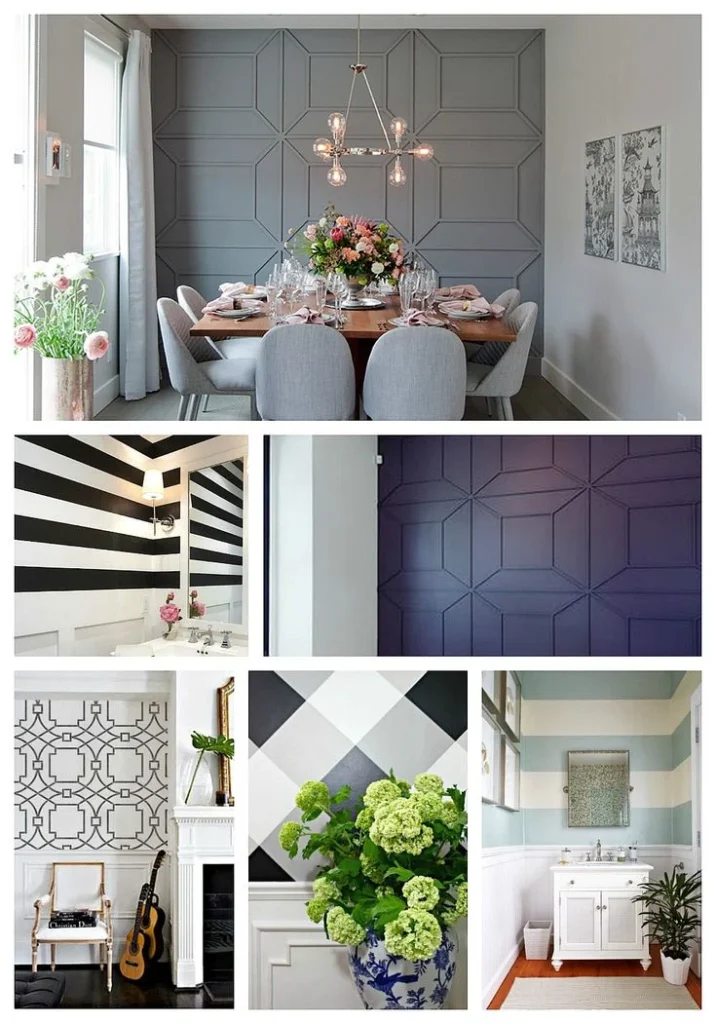
Walls offer endless opportunities for transformation beyond a standard coat of paint. One popular approach is the use of removable wallpaper, which adds pattern and texture without permanent commitment. For a more hands‑on project, consider a geometric accent wall using painter’s tape to create clean lines. Choose a contrasting color for the accent strips and keep the surrounding walls neutral to let the design stand out.
Another low‑cost option is a DIY shiplap or reclaimed wood panel. Measure your wall, cut the boards to size, and attach them with finishing nails. Finish with a light stain or white paint for a farmhouse vibe. If you prefer softer décor, a wall‑mounted fabric panel can double as a backdrop for art and provide acoustic benefits in a busy household.
Upcycled Furniture Projects
Upcycling is the cornerstone of simple DIY home décor because it turns overlooked items into statement pieces. An old dresser can become a chic bathroom vanity with a fresh coat of paint, new knobs, and a countertop added on top. For a living‑room makeover, sand down a vintage wooden chair, stain it a rich walnut, and replace the cushion with a bold fabric to create a standout accent seat.
Don’t forget about outdoor furniture—palettes, crates, and metal frames can be revitalized for indoor use with creative finishing touches. The key is to focus on one element at a time: surface, hardware, and upholstery. By breaking the process into manageable steps, you avoid feeling overwhelmed and ensure each component receives the attention it deserves.
Stylish Soft Furnishings Made Easy
Soft furnishings—pillows, throws, curtains—are the fastest way to inject color, pattern, and comfort into a room. Simple DIY home décor projects like sewing your own pillow covers can be completed in an afternoon and allow you to match exact hues from your palette. If sewing isn’t your strength, fabric glue or iron‑on appliqués can give a professional look with minimal effort.
For curtains, consider using a simple grommet rod and a light, semi‑sheer fabric that drapes beautifully while letting natural light filter through. Adding a decorative tie‑back made from rope or a reclaimed belt adds a personal touch. These small changes, combined with coordinated throw blankets, instantly lift the aesthetic of any space without major renovations.
Quick DIY Home Décor Tips
- Swap out old cabinet hardware with brushed‑nickel pulls for an instant kitchen refresh.
- Use painter’s tape to create a faux crown molding on plain walls for a high‑end look.
- Place a decorative tray on a coffee table and layer it with candles, books, and a small plant.
- Apply peel‑and‑stick tiles in the bathroom to add texture without grout.
- Hang a series of small mirrors in a grid to amplify natural light and create depth.
Common Decorating Mistakes to Avoid
Even experienced homeowners can fall into pitfalls that diminish the impact of simple DIY home décor. One frequent error is over‑accessorizing; too many small items compete for attention and create visual clutter. Aim for a balanced ratio of large focal pieces to supporting accents. Another mistake is neglecting scale—an oversized rug in a tiny room can make the space feel cramped, while a tiny piece of art on a massive wall looks lost.
Lastly, ignore lighting at your peril. Proper lighting enhances colors, textures, and the overall mood. Combine ambient, task, and accent lighting for a layered effect. By planning lighting early, you ensure that each DIY project shines in its best light—literally and figuratively.
Frequently Asked Questions
Can I complete simple DIY home décor projects if I have no prior experience?
Absolutely. Most projects require basic tools and straightforward steps. Start with small tasks like painting a bookshelf or creating a pillow cover, and gradually build confidence for larger undertakings.
How do I choose colors that work together?
A safe method is the 60‑30‑10 rule: 60 % of the room in a dominant neutral, 30 % in a complementary hue, and 10 % in an accent color. Use online color palette generators for inspiration.
Is it worth investing in quality paint for DIY projects?
Yes. Higher‑quality paint provides better coverage, smoother finish, and longer durability, reducing the need for frequent touch‑ups and ultimately saving money.
What are the best sources for affordable décor materials?
Thrift stores, estate sales, and online marketplaces like Facebook Marketplace often have unique items at low prices. Additionally, look for clearance sections at home‑improvement stores for paint, hardware, and flooring.
How can I make my DIY décor look professional?
Focus on preparation: clean surfaces, sand rough spots, and use painter’s tape for crisp edges. Finishing touches such as adding a clear coat to painted wood or using matching hardware can elevate the overall appearance.
By integrating these strategies, you’ll discover that simple DIY home décor is not only achievable but also incredibly rewarding. The process empowers you to tailor each room to your lifestyle while keeping expenses under control. As you experiment, you’ll develop a personal style that reflects your personality and makes every corner of your home feel thoughtfully curated.
Now that you have a toolbox of ideas—from wall treatments to upcycled furniture—pick one project that excites you the most and start today. Remember, each small change adds up to a significant transformation over time. For more inspiration, explore our guide on modern home décor comparisons and discover how to blend trends with your unique taste.
Happy crafting, and enjoy the journey of making your home truly yours.