
Table of Contents
- shower pan vs tile: Understanding the Basics
- What Is a Shower Pan?
- What Is a Tiled Shower Floor?
- shower pan vs tile: Cost Comparison
- shower pan vs tile: Installation Process and Skill Level
- shower pan vs tile: Water Resistance and Longevity
- shower pan vs tile: Design Flexibility and Aesthetics
- shower pan vs tile: Maintenance and Cleaning
- shower pan vs tile: Accessibility and Safety
- shower pan vs tile: Environmental Impact
- Quick Tips for Choosing Between a Shower Pan and Tile
- Common Mistakes to Avoid When Deciding on Shower Pan vs Tile
- Frequently Asked Questions
- Is a shower pan waterproof?
- Can I retrofit a tiled shower floor onto an existing shower pan?
- Which option is better for small bathrooms?
- How often should grout be sealed in a tiled shower?
- Do shower pans require a separate drain?
- Can I combine a shower pan with tile walls?
When it comes to finishing a shower, the decision often narrows down to two primary options: a prefabricated shower pan or a custom‑tiled floor. Both choices have dedicated followers, and each brings a distinct set of advantages and challenges. Understanding these nuances is essential for anyone looking to create a functional, stylish, and long‑lasting bathroom.
Homeowners and designers alike weigh factors such as cost, installation complexity, water resistance, and aesthetic flexibility. The right answer isn’t always a simple “pan wins” or “tile triumphs.” Instead, it depends on the specific project goals, budget constraints, and personal preferences. In this article we’ll unpack the essential considerations, compare the two approaches side by side, and give you actionable guidance to make an informed decision.
By the end of the read, you’ll know exactly how shower pan vs tile stacks up in terms of performance, design potential, and maintenance, allowing you to choose the flooring system that best matches your vision for a modern, comfortable bathroom.
shower pan vs tile: Understanding the Basics
What Is a Shower Pan?
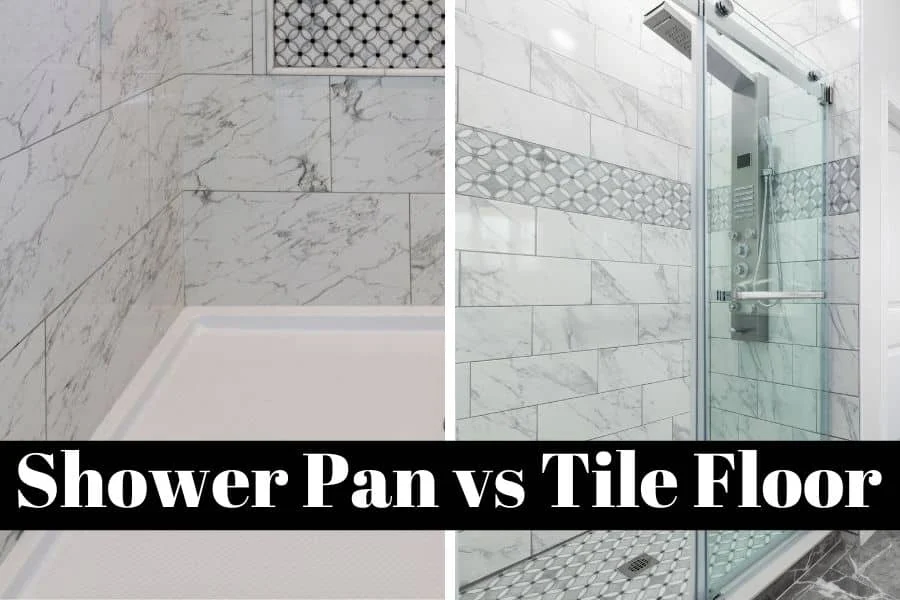
A shower pan, also known as a shower base, is a pre‑molded waterproof platform that sits directly on the floor. Typically made from acrylic, fiberglass, or cultured marble, it comes in a variety of shapes (square, rectangular, quadrant) and sizes. The pan includes a built‑in slope toward the drain, ensuring efficient water evacuation without the need for additional waterproofing layers.
What Is a Tiled Shower Floor?
Choosing tile means constructing a custom floor using ceramic, porcelain, natural stone, or even mosaic pieces. The process involves building a cement backer board, applying a waterproof membrane, creating a slope, and then laying the tiles with grout. While more labor‑intensive, this method offers virtually limitless design possibilities.
Both methods aim to keep water contained and direct it safely away, but they achieve that goal in fundamentally different ways. The following sections will examine each aspect of the debate in depth.
shower pan vs tile: Cost Comparison
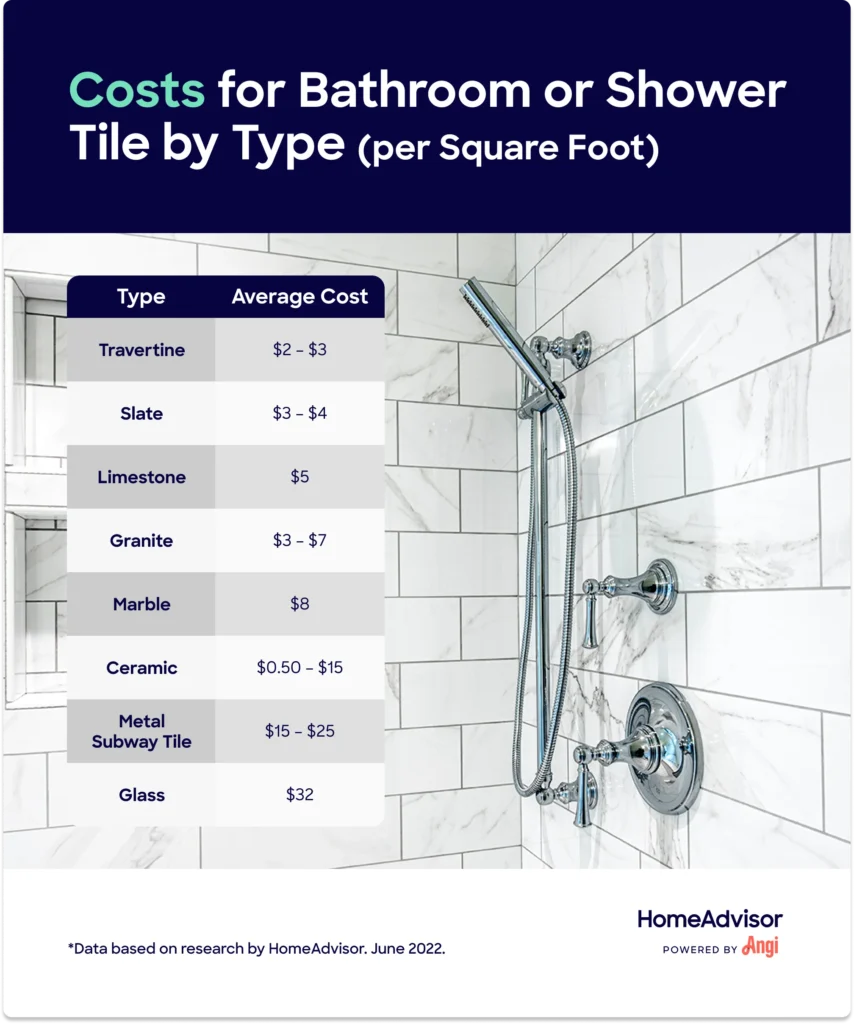
Budget is often the first line of inquiry when homeowners ask, “shower pan vs tile—which will save me money?” The answer depends on material choice, labor rates, and hidden expenses such as waterproofing or repair.
- Material Costs – A quality acrylic or fiberglass pan typically ranges from $150 to $500 for a standard size. High‑end cultured marble can exceed $1,000. Tile costs vary widely: basic ceramic tiles may be $2‑$5 per square foot, while premium porcelain or natural stone can climb to $15‑$30 per square foot.
- Labor Expenses – Installing a pre‑fabricated pan is a relatively quick job, often completed in a day, resulting in lower labor charges (approximately $300‑$600). Tiling a shower floor, on the other hand, can require 1‑2 days of skilled work, with labor fees ranging from $500 to $1,500 depending on regional rates.
- Hidden Costs – Tiled showers demand a waterproof membrane and a proper slope, which adds materials and labor. If the existing subfloor is uneven, additional preparation may be needed. Conversely, a pan usually includes its own slope and waterproofing, reducing hidden costs.
Overall, a shower pan often presents a lower upfront cost, while tile can become more expensive when you factor in design upgrades and extensive labor. However, the long‑term value of a beautifully tiled floor can outweigh the initial price difference for many homeowners.
shower pan vs tile: Installation Process and Skill Level
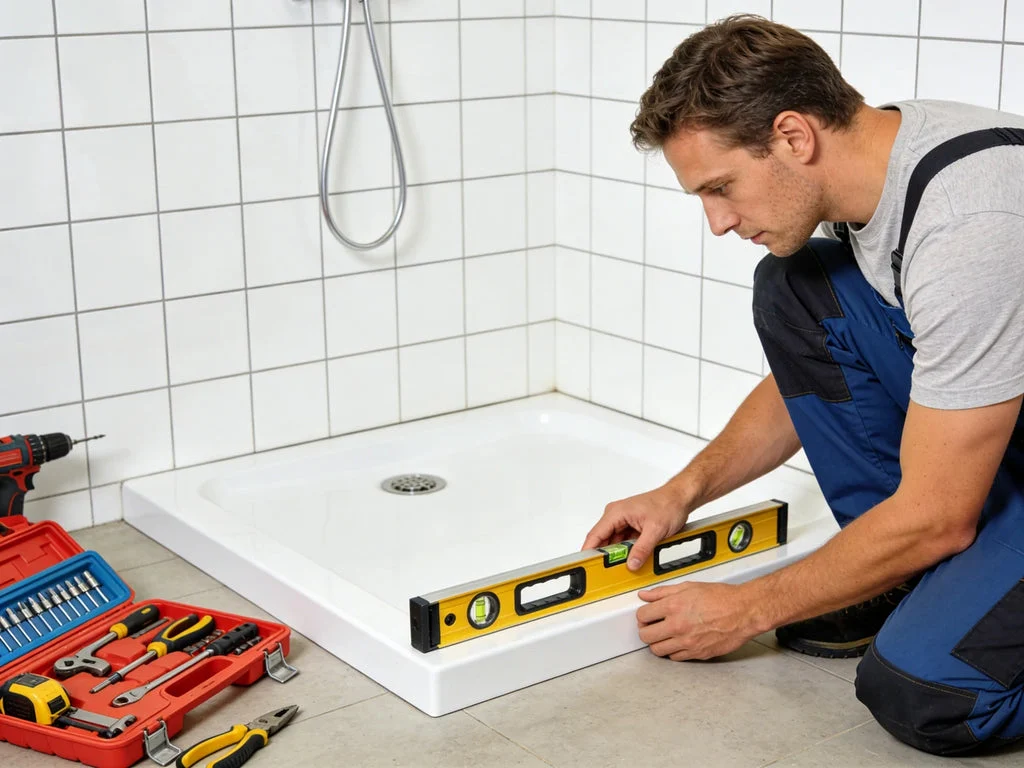
Installation complexity is a major differentiator. A prefabricated pan is essentially a “plug‑and‑play” solution. After the floor is levelled, the pan is set, secured, and connected to the drain. This process usually does not require a certified plumber, though a competent contractor is recommended to ensure proper sealing.
Tile installation is a multi‑step endeavor:
- Prepare the substrate with cement backer board.
- Apply a waterproof membrane (e.g., liquid rubber or sheet membrane).
- Construct a slope using a mortar bed that directs water toward the drain.
- Lay the tiles, ensuring even spacing and alignment.
- Grout and seal the joints to prevent water infiltration.
Each step demands precision and experience. Mistakes in slope or waterproofing can lead to leaks that damage the subfloor, a costly repair that negates the aesthetic benefits of tile. If you’re comfortable tackling DIY projects, a tiled shower can be rewarding, but many opt for professional installation to avoid future headaches.
shower pan vs tile: Water Resistance and Longevity
Both solutions aim to keep water from seeping into the structure below, yet they differ in durability and failure points.
- Shower Pans – Because the pan is molded from a single waterproof material, there are no grout lines to deteriorate. However, the material can crack or chip over time, especially if heavy objects are dropped. High‑quality acrylic and cultured marble have lifespans of 10‑15 years with proper care.
- Tiled Floors – Tile itself is highly water‑resistant, but the critical vulnerabilities lie in the grout and waterproof membrane. Grout can stain, crack, or harbor mold if not sealed regularly. A well‑installed tiled shower can last 20‑30 years or more, often outlasting a comparable pan.
When evaluating shower pan vs tile for longevity, consider your willingness to perform periodic maintenance such as grout resealing. If low‑maintenance is a priority, a pan may be more appealing.
shower pan vs tile: Design Flexibility and Aesthetics
Design is where tile truly shines. With tile you can:
- Mix colors, textures, and patterns (e.g., subway, hex, Moroccan).
- Create focal points with mosaics or decorative borders.
- Match or contrast the floor with wall tiles for a cohesive look.
Shower pans, while functional, offer limited visual variety. Most are available in neutral tones (white, beige, gray) and may feature a simple textured surface. Some manufacturers provide custom finishes or integrated bench seats, but the overall aesthetic remains more utilitarian.
If you’re aiming for a statement bathroom, tile is the clear winner. However, for a sleek, minimalist design—especially in small or budget‑conscious spaces—a pan can still look modern when paired with a stylish surround.
shower pan vs tile: Maintenance and Cleaning
Every homeowner wants a low‑effort cleaning routine. Here’s how the two compare:
- Shower Pan – The smooth surface wipes clean with standard bathroom cleaners. No grout lines mean fewer places for soap scum or mold to accumulate. For stubborn stains, a non‑abrasive cleanser is sufficient.
- Tiled Floors – Tile can be cleaned with similar products, but grout requires extra attention. Sealing grout annually helps repel moisture and stains. For deep cleaning, a grout brush or steam cleaner may be necessary.
Overall, a pan offers a simpler maintenance regimen, while tile demands a modest commitment to grout care. This consideration often influences the final decision for busy families or renters.
shower pan vs tile: Accessibility and Safety
Safety is paramount, especially for households with children, seniors, or individuals with limited mobility.
- Slip Resistance – Many acrylic and fiberglass pans incorporate a textured surface or anti‑slip coating. Tile can achieve comparable safety through the use of slip‑resistant finishes, matte glazes, or textured stone. However, smooth, polished tiles may become hazardous when wet.
- Step‑In Height – A pre‑fabricated pan often sits slightly above the subfloor, creating a small threshold. A tiled shower can be built level with the bathroom floor, providing a seamless walk‑in experience, which is advantageous for wheelchair access.
- Bench and Seat Integration – Some shower pans come with built‑in benches, but customizing a tiled shower allows for tailored benches, niches, and grab bars that meet specific accessibility codes.
When comparing shower pan vs tile for safety, the decision often hinges on the specific accessibility needs of the occupants.
shower pan vs tile: Environmental Impact
Eco‑conscious homeowners may wonder about the sustainability of each option.
- Shower Pans – Acrylic and fiberglass are petroleum‑based products, which have a higher environmental footprint in manufacturing. Some brands offer recycled content, but overall, the material is less biodegradable.
- Tiled Floors – Ceramic and porcelain are made from natural clay and sand, fired at high temperatures. While the production process is energy‑intensive, many tiles are recyclable, and long lifespans reduce the need for replacement. Natural stone tiles are also a sustainable choice when sourced responsibly.
If green building is a priority, tile generally offers a more environmentally friendly profile, especially when paired with low‑VOC adhesives and sealers.
Quick Tips for Choosing Between a Shower Pan and Tile
- Assess your budget: a pan typically costs less upfront, while tile may require higher labor.
- Consider your DIY comfort level: tile demands precise waterproofing and slope work.
- Think about long‑term maintenance: grout sealing is essential for tiled showers.
- Match the style of your bathroom: tile provides greater design flexibility.
- Check local codes: some jurisdictions have specific requirements for waterproofing and accessibility.
Common Mistakes to Avoid When Deciding on Shower Pan vs Tile
- Skipping the slope – Whether you choose a pan or tile, water must flow toward the drain. Neglecting a proper slope leads to pooling and potential leaks.
- Ignoring waterproofing details – In tiled installations, a single missed membrane layer can cause water damage behind the wall.
- Choosing the wrong material for high‑traffic use – Heavy‑weight stone tiles may crack under impact; a robust acrylic pan could be a safer alternative.
- Overlooking slip resistance – Polished tiles can become dangerously slick; always select a slip‑resistant finish or coating.
- Underestimating grout maintenance – Failing to seal grout leads to discoloration and mold growth, diminishing the visual appeal of a tiled shower.
Frequently Asked Questions
Is a shower pan waterproof?
Yes, a prefabricated shower pan is molded from waterproof materials and includes an integrated slope, making it inherently water‑tight when installed correctly.
Can I retrofit a tiled shower floor onto an existing shower pan?
It’s technically possible by removing the pan, installing a backer board, waterproof membrane, and then tiling, but the process essentially becomes a full‑scale remodel and may not be cost‑effective.
Which option is better for small bathrooms?
Both can work, but a low‑profile shower pan can save space by eliminating a raised threshold, while a tiled floor can be made level with the rest of the bathroom for a seamless look.
How often should grout be sealed in a tiled shower?
Most experts recommend resealing grout every 6‑12 months, especially in high‑moisture environments, to maintain water resistance and prevent staining.
Do shower pans require a separate drain?
Shower pans are designed to work with standard plumbing drains. They usually include a built‑in overflow and can be connected to an existing drain with minimal modifications.
Can I combine a shower pan with tile walls?
Absolutely. Many homeowners pair a sleek acrylic pan with custom tile surrounds, achieving a balanced mix of easy maintenance and visual interest.
Choosing between a shower pan and tile ultimately comes down to balancing cost, design ambition, maintenance willingness, and the specific needs of the users. By evaluating each factor carefully, you can select the flooring system that delivers both beauty and performance for years to come.
Ready to start planning your bathroom remodel? Dive deeper into design ideas such as neutral bathroom styling inspiration or explore material specifics with Pebble Tec vs Pebble Sheen. If you encounter unexpected issues—like a discolored bathing suit after a pool day—our guide on how to fix a discolored bathing suit offers practical advice.