

Table of Contents
- Roman Shades vs Cellular Shades: A Comprehensive Guide to Understanding the Basics
- Roman Shades vs Cellular Shades: A Comprehensive Guide to Materials and Construction
- Style Compatibility: Matching Your Décor Vision
- Energy Efficiency and Comfort: Why Insulation Matters
- Light Control and Privacy: Tailoring Your View
- Installation and Operation: What to Expect
- Maintenance and Longevity: Keeping Shades Fresh
- Cost Considerations: Budgeting for Your Choice
- Quick Home Décor Tips
- Common Mistakes and How to Avoid Them
- Frequently Asked Questions
Roman Shades vs Cellular Shades: A Comprehensive Guide
Choosing the perfect window treatment can feel like navigating a maze of fabrics, mechanisms, and design philosophies. Whether you’re dressing a sun‑lit living room, a cozy bedroom, or a compact home office, the decision influences everything from light control to energy bills. Two contenders that frequently appear side by side are roman shades and cellular shades. Both promise elegance and functionality, yet each brings its own set of strengths and trade‑offs.
In this article we’ll walk you through a detailed comparison, giving you the confidence to select the option that aligns with your aesthetic goals, budget, and performance needs. By the end, you’ll understand how each style performs in real‑world settings, what maintenance looks like, and which scenarios favor one over the other.
Roman Shades vs Cellular Shades: A Comprehensive Guide to Understanding the Basics
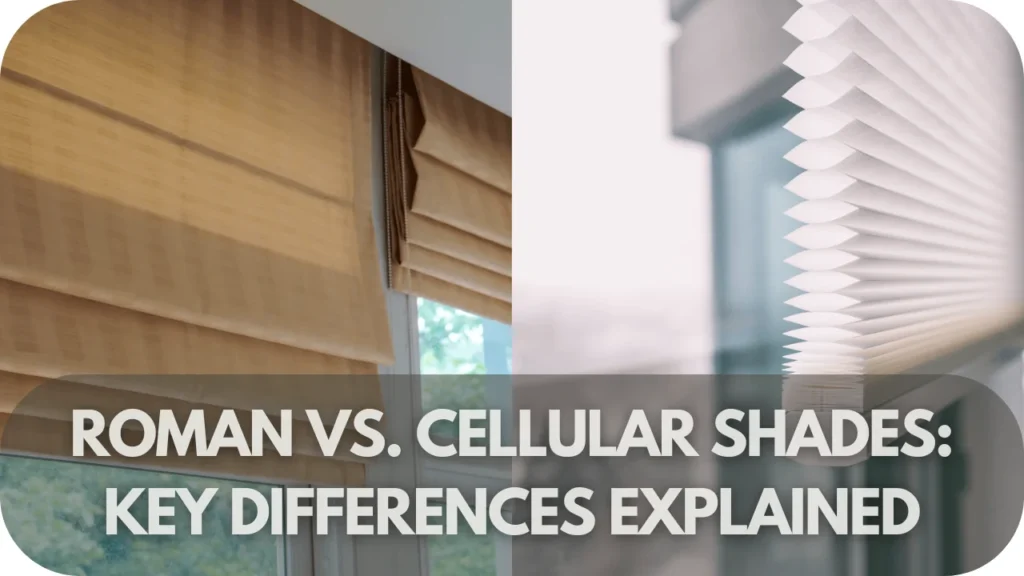
At their core, roman shades and cellular shades are fabric‑based window coverings, but the way they fold and the technology behind them differ dramatically. Roman shades hang in soft, even folds that create a tailored, classic look when raised. Cellular shades—sometimes called honey‑comb shades—are constructed from pleated fabric that forms air‑filled cells, delivering superior insulation.
The primary distinction lies in their operation and performance:
- Design language: Roman shades exude a traditional, upholstered feel; cellular shades convey a sleek, contemporary vibe.
- Insulation: The trapped air in cellular shades provides a measurable R‑value, making them a favorite for energy‑conscious homes.
- Light control: Romans can be fully lifted for an unobstructed view, while cellular shades often offer a “top‑down, bottom‑up” option that lets natural light in while preserving privacy.
Roman Shades vs Cellular Shades: A Comprehensive Guide to Materials and Construction
Both types can be crafted from a wide range of fabrics—cotton, linen, polyester, and blends—yet the construction techniques set them apart. Roman shades consist of a single piece of fabric that gathers into horizontal folds using cords, rings, or a continuous fabric tape. The fabric is typically attached to a headrail that houses the lift mechanism.
Cellular shades, on the other hand, are made by bonding two layers of fabric together, creating a honey‑comb structure. The number of cells (single, double, or triple) determines the thickness and insulating ability. The fabric is mounted on a top rail, and the shade can be raised by a cord, chain, or motorized system.
Understanding these nuances helps you gauge durability, feel, and the level of customization each option offers.
Style Compatibility: Matching Your Décor Vision
When you think about the visual impact of window treatments, roman shades often become the centerpiece of a room. Their generous folds can be tailored to match upholstery, drapery, or even wall color, making them ideal for traditional, transitional, or eclectic interiors. For a modern loft or minimalist space, cellular shades blend seamlessly into the window frame, offering a low‑profile appearance that lets other design elements shine.
Consider these scenarios:
- Living Room: A pair of roman shades in a textured linen can add warmth and a sense of luxury to a sofa‑centered arrangement.
- Bedroom: Cellular shades in a muted tone provide blackout capabilities without sacrificing a clean, airy look.
- Small Apartment: The compact profile of cellular shades maximizes floor space, especially when paired with a small home office design ideas – modern solutions for tiny spaces.
By aligning the shade style with the room’s overall aesthetic, you ensure a cohesive, harmonious environment.
Energy Efficiency and Comfort: Why Insulation Matters

One of the most compelling reasons homeowners opt for cellular shades is their ability to improve a home’s energy performance. The air pockets within the honey‑comb cells create a barrier that reduces heat loss in winter and heat gain in summer. Studies show that cellular shades can lower heating and cooling costs by up to 10 % when properly installed.
Roman shades, while beautiful, provide limited insulation because they consist of a single layer of fabric. However, choosing a thicker fabric or adding a thermal backing can improve their performance. If sustainability is a priority, cellular shades—particularly those with double or triple cells—offer a measurable advantage.
For rooms that face harsh sun exposure, such as a kitchen with large east‑facing windows, pairing cellular shades with reflective backing can dramatically reduce glare while maintaining a modern look.
Light Control and Privacy: Tailoring Your View
Both roman shades and cellular shades can be customized for varying degrees of light filtration:
- Roman shades: Available in sheer, semi‑sheer, and opaque fabrics, they provide a smooth transition from full privacy to diffused light. When fully raised, they reveal the entire window.
- Cellular shades: Many models feature a top‑down, bottom‑up (TDBU) mechanism, allowing you to lower the shade from the top while keeping the lower portion open for privacy. Blackout cellular shades are also popular for home theaters and bedrooms.
Choosing between the two often comes down to how you use the space. If you love watching the sunrise from your bedroom, a light‑filtering roman shade may be more satisfying. For a home office where glare must be minimized without sacrificing privacy, a TDBU cellular shade could be the smarter choice.
Installation and Operation: What to Expect
Installation processes differ slightly. Roman shades usually require a sturdier mounting bracket because the fabric weight can be greater, especially with thick materials. Most DIY enthusiasts can install them with a drill and a few screws, following the manufacturer’s instructions.
Cellular shades are lighter, and many come with a simple clip‑on system that attaches directly to the window frame. Motorization is a popular upgrade for both types, but it’s particularly seamless with cellular shades due to their lightweight nature. Smart home integration—think voice‑controlled shades—adds convenience and can even improve energy savings by automatically adjusting based on temperature.
Maintenance and Longevity: Keeping Shades Fresh
Regular maintenance extends the life of any window covering. Roman shades typically need occasional vacuuming or a gentle spot clean, especially if the fabric is delicate. Some fabrics are machine‑washable, but always check the care label.
Cellular shades are renowned for their low‑maintenance profile. Because they have fewer moving parts and a tighter weave, dust tends to settle less. A soft brush or a low‑setting vacuum with a brush attachment is usually sufficient. For homes with pets or children, selecting a stain‑resistant cellular fabric can save you headaches down the line.
Cost Considerations: Budgeting for Your Choice
Pricing varies based on size, fabric, and additional features like motorization. In general, basic roman shades are moderately priced, but custom designs with premium fabrics can be pricey. Cellular shades start at a similar baseline, but the added insulation value often justifies a slightly higher cost, especially when factoring in potential energy savings.
When budgeting, remember to include:
- Headrail and mounting hardware
- Automation (if desired)
- Fabric protection treatments
Comparing quotes from multiple suppliers and asking about fabric warranties can help you make a financially sound decision.
Quick Home Décor Tips
- Pair roman shades with a decorative valance to add a layer of visual interest without overwhelming the window.
- Use light‑colored cellular shades in a room with limited natural light to amplify brightness.
- Combine a neutral headrail with bold fabric to create a focal point that balances subtlety and statement.
Common Mistakes and How to Avoid Them
- Ignoring the window’s orientation: A heavy, dark roman shade on a north‑facing window can make the room feel colder. Opt for lighter fabrics or cellular shades with higher R‑values.
- Overlooking hardware compatibility: Not all headrails support motorization. Verify that the selected model matches your automation plans.
- Choosing the wrong opacity: A blackout roman shade in a living room may feel oppressive. Blend sheer and opaque fabrics for flexibility.
Frequently Asked Questions
Can I install roman shades and cellular shades on the same window?
Yes, a layered approach—cellular shades for insulation and light control, topped with roman shades for decorative flair—works well in many homes. This combo maximizes both functionality and style.
Which shade is better for a home with pets?
Cellular shades are generally more pet‑friendly because the fabric is tighter and less likely to snag. If you choose roman shades, select a durable, stain‑resistant material.
Do cellular shades help with sound reduction?
The honey‑comb structure can dampen some external noise, but the effect is modest compared to dedicated acoustic curtains. For noticeable sound reduction, combine cellular shades with heavy drapery.
How do I clean a blackout fabric?
Most blackout fabrics are treated to repel moisture. Spot‑clean with a mild detergent and a damp cloth. Avoid soaking the fabric, as this can damage the backing.
Are motorized shades worth the investment?
Motorization adds convenience, especially for hard‑to‑reach windows or large expanses of glass. It also integrates well with smart home systems, allowing automated schedules that improve energy efficiency.
What’s the difference between single, double, and triple‑cellular shades?
Each additional cell layer increases thickness, which raises the R‑value and improves thermal performance. Triple‑cell shades provide the highest insulation, ideal for extreme climates.
For a deeper dive into the impact of material choices on window treatments, see our comparison of Provia doors vs Andersen – In‑Depth Comparison for Modern Homes, which highlights how product specifications influence overall home performance.
When planning a cohesive interior, consider how your window treatments interact with other décor elements. A great example is integrating shades with wall décor—check out wall décor ideas using mirrors – Transform Every Room for inspiration on reflecting light and expanding visual space.
Another useful resource is our guide on neutral entryway décor inspiration – modern styling ideas, which demonstrates how subtle shade choices can set the tone for the entire home.
Finally, if you’re looking for a modern touch in narrow passageways, our article on hallway décor with floating shelves – modern styling made simple shows how functional design can coexist with elegant window treatments.
Choosing between roman shades and cellular shades ultimately depends on the balance you seek between aesthetics, energy performance, and practical needs. By evaluating each factor—style, insulation, light control, installation, maintenance, and cost—you can make an informed decision that elevates your living space.
Take the insights from this comprehensive guide, experiment with sample fabrics, and envision how each option will interact with your home’s unique character. Whether you lean toward the classic elegance of roman shades or the modern efficiency of cellular shades, the right choice will enhance comfort, curb energy costs, and reflect your personal style.