
Table of Contents
- Cost Comparison: Replacing Windows vs Replacing Glass
- Energy Efficiency: Why It Matters More Than You Think
- Design Flexibility and Aesthetic Impact
- Installation Process: What to Expect
- Longevity and Maintenance Considerations
- Environmental Impact: Sustainable Choices
- Quick Tips for Successful Replacements
- Common Mistakes to Avoid
- Frequently Asked Questions
- Is it ever worthwhile to replace just the glass in an old wooden frame?
- Can I replace the glass myself, or should I hire a pro?
- How does replacing windows affect my home’s resale value?
- What are the signs that I need a full window replacement rather than just glass?
- Do tinted or decorative glasses affect insulation?
- Will replacing windows improve soundproofing?
Replacing Windows vs Replacing Glass: A Complete Guide for Modern Homeowners
When it comes to upgrading a home’s façade or interior panes, the decision often boils down to replacing windows vs replacing glass. Both options promise improved aesthetics, better insulation, and a refreshed look, but they differ dramatically in cost, labor, and long‑term performance. Understanding these nuances can save you money, prevent unexpected headaches, and ensure the result aligns with your design vision.
This guide walks you through the practical considerations of each approach, from structural implications to energy‑saving benefits. Whether you’re a seasoned DIY enthusiast or hiring a professional, the insights below will help you make an informed choice that enhances both curb appeal and interior comfort.
We’ll also sprinkle in real‑world examples—think living rooms bathed in natural light, kitchens where sleek glass backsplashes meet modern faucets, and balconies that showcase natural textures. By the end, you’ll know exactly when to opt for a full window replacement and when a simple glass swap will do the trick.
Cost Comparison: Replacing Windows vs Replacing Glass
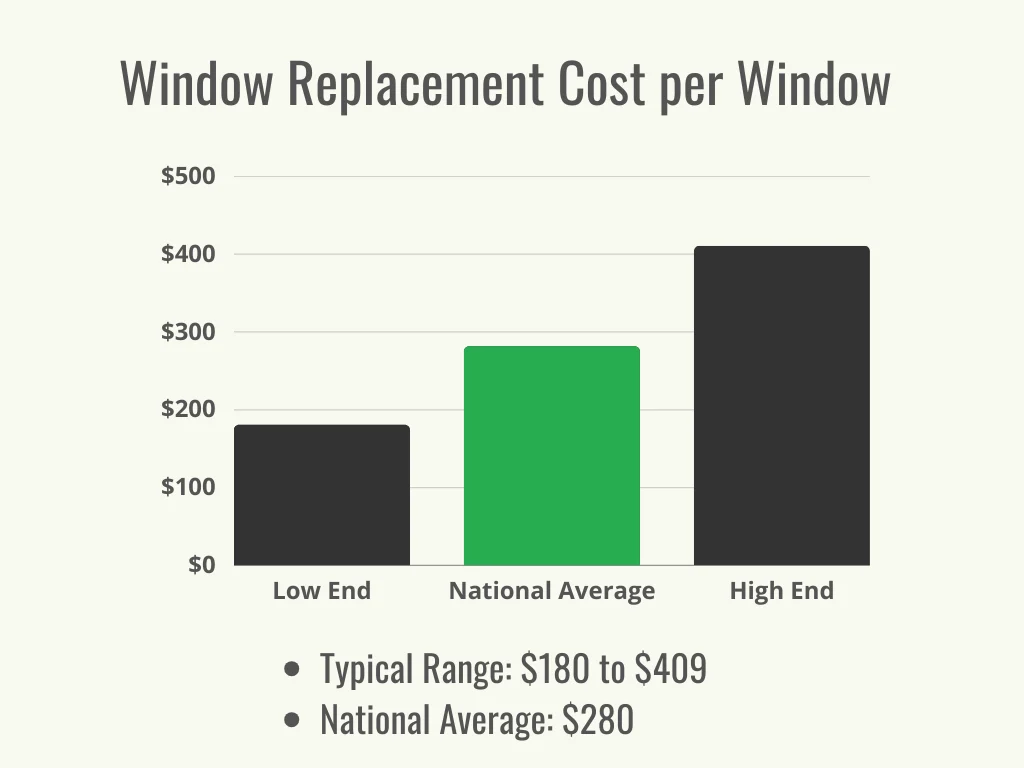
One of the first questions homeowners ask is, “How much will this cost?” A full window replacement involves removing the entire unit—frame, sash, and glazing—then installing a new assembly. Prices typically range from $300 to $1,200 per window, depending on material (vinyl, wood, fiberglass), energy rating, and custom features.
In contrast, replacing just the glass (also called pane replacement) is a more focused job. Labor costs are lower because the frame stays in place, and glass panels themselves can run $50 to $300 each. However, if the surrounding frame is damaged or warped, you may end up paying for both services anyway.
When budgeting, factor in hidden expenses such as disposal fees, potential structural repairs, and the need for new weatherstripping. For many homeowners, the sweet spot lies in assessing the condition of the frame first; a solid frame often justifies a simple glass swap, while deteriorated frames call for full window replacement.
Energy Efficiency: Why It Matters More Than You Think

Energy performance is a major driver behind the replacing windows vs replacing glass debate. Modern windows come with Low‑E coatings, double or triple glazing, and gas fills (argon or krypton) that dramatically reduce heat loss in winter and heat gain in summer. Upgrading an old single‑pane window to a high‑performance unit can cut heating and cooling bills by 10‑30%.
Replacing only the glass can also improve efficiency, provided you choose insulated glazing units (IGUs) that match the original frame’s thermal rating. However, if the frame is aluminum without a thermal break, even the best glass may still conduct unwanted heat. In such cases, a full window replacement is the more effective solution.
Don’t forget the role of proper sealing. Gaps around the frame, often unnoticed during a glass‑only replacement, can lead to drafts and moisture infiltration, undermining any energy gains you expected.
Design Flexibility and Aesthetic Impact

From a design perspective, replacing windows vs replacing glass offers distinct creative opportunities. Full window replacement allows you to change the style entirely—think moving from a traditional double‑hung to a sleek floor‑to‑ceiling picture window or a contemporary casement. You can also upgrade hardware, add grilles, or switch to tilt‑and‑turn mechanisms for easier cleaning.
If you’re satisfied with the frame’s look but want a fresh visual, glass replacement opens the door to decorative options such as frosted patterns, textured glass, or tinted panels. For instance, a bathroom with a classic wooden frame can gain a spa‑like vibe simply by installing a clear tempered pane paired with soft lighting.
Speaking of bathrooms, check out our bath additives guide for complementary ideas that elevate the entire space.
Installation Process: What to Expect
Understanding the steps involved helps you decide which path fits your schedule and skill level. A full window replacement typically follows these stages:
- Removal of the existing window unit, including careful disposal of old framing.
- Preparation of the rough opening—checking for level, plumb, and any rot.
- Installation of flashing and insulation to ensure a weather‑tight seal.
- Placement of the new window, securing it with shims and screws.
- Finishing touches: interior trim, exterior caulking, and paint.
Glass replacement, on the other hand, is less invasive:
- Removal of the damaged pane while preserving the sash.
- Cleaning the frame and checking for any cracks or rot.
- Insertion of the new glass panel, secured with glazing beads or putty.
- Re‑sealing and finishing the interior trim.
If you’re a DIY enthusiast, glass replacement is often manageable with basic tools and safety gear. Full window replacement usually requires professional expertise, especially when dealing with load‑bearing walls or custom sizes.
Longevity and Maintenance Considerations
Both approaches improve durability, but they differ in lifespan expectations. A well‑installed, high‑quality window can last 20‑30 years or more, especially when the frame is made from low‑maintenance materials like vinyl or fiberglass. Regular maintenance—cleaning the glass, checking caulk, and lubricating moving parts—extends that life.
Glass replacement, while extending the life of a single pane, does not address potential frame degradation. Over time, wood frames may warp, aluminum frames may corrode, and seals may fail. If you notice condensation between panes or drafts, it’s a sign that the entire unit may need replacement rather than just the glass.
For homeowners who love to keep their spaces looking fresh, consider pairing a new glass panel with low‑maintenance hardware. For example, a modern kitchen may benefit from a sleek pull‑down faucet—see our kitchen faucet comparison for ideas that blend functionality with style.
Environmental Impact: Sustainable Choices
Choosing between full window replacement and glass swap can also affect your carbon footprint. Full replacements generate more waste—entire frames, old glass, and packaging. However, many manufacturers now offer recycling programs for both frames and glass, reducing landfill impact.
Glass replacement produces less waste and often uses the same frame, which means fewer new materials are extracted and manufactured. If you prioritize sustainability, start by assessing the frame’s condition; a solid, well‑insulated frame paired with energy‑efficient glass offers a greener solution.
Additionally, look for products with low‑VOC (volatile organic compounds) sealants and responsibly sourced glass to further minimize environmental impact.
Quick Tips for Successful Replacements
- Inspect the frame for rot, corrosion, or warping before deciding on glass replacement.
- Choose double‑glazed Low‑E glass for the best energy performance.
- Hire a certified installer for full window replacements to ensure proper flashing.
Common Mistakes to Avoid
- Assuming all single‑pane windows are worth replacing—sometimes a simple glass upgrade suffices.
- Overlooking the importance of proper sealing, which can cause drafts even with new glass.
- Choosing the cheapest option without considering long‑term energy savings.
Frequently Asked Questions
Is it ever worthwhile to replace just the glass in an old wooden frame?
Yes, if the frame is still solid, free of rot, and properly sealed, swapping the pane for insulated glass can boost energy efficiency without the higher cost of a full window replacement.
Can I replace the glass myself, or should I hire a pro?
Glass replacement is a manageable DIY project for those comfortable handling heavy, fragile materials and using glazing tools. However, if you’re unsure about the frame’s integrity or lack proper safety gear, hiring a professional is safest.
How does replacing windows affect my home’s resale value?
Both full window replacements and high‑performance glass upgrades can increase resale value. Buyers appreciate energy‑efficient windows, but a cohesive, modern look achieved through full replacements often adds more perceived value.
What are the signs that I need a full window replacement rather than just glass?
Look for warped or rotted frames, gaps that let in drafts, condensation between panes, or difficulty opening/closing the window. Any structural issues typically call for a full replacement.
Do tinted or decorative glasses affect insulation?
Most decorative glasses maintain similar insulating properties to standard clear glass, especially when they are double‑glazed. However, heavily tinted or patterned films can slightly reduce solar heat gain, which may be beneficial in hot climates.
Will replacing windows improve soundproofing?
Upgrading to double or triple glazing can noticeably reduce exterior noise. Replacing only the glass with a thicker, laminated pane can also help, but full window replacements often provide the best acoustic performance.
Choosing between replacing windows vs replacing glass ultimately hinges on the condition of your existing frames, your budget, and your long‑term performance goals. By carefully evaluating structural health, energy needs, and aesthetic aspirations, you can decide the most cost‑effective route that enhances comfort and curb appeal.
Ready to transform your space? Explore more ideas, such as balcony décor with natural textures, to complement your new windows or glass upgrades. The right choice will not only elevate your home’s style but also contribute to a more sustainable, energy‑smart living environment.
[ CATEGORY ]: Interior Design