
Table of Contents
- What Are Replacement Windows vs Retrofit?
- Cost Comparison: Replacement Windows vs Retrofit
- Energy Efficiency: How Replacement Windows vs Retrofit Perform
- Aesthetic Impact: Design Considerations for Replacement Windows vs Retrofit
- Installation Process: What to Expect with Replacement Windows vs Retrofit
- When to Choose Replacement Windows vs Retrofit
- Quick Tips for a Successful Window Upgrade
- Common Mistakes to Avoid When Comparing Replacement Windows vs Retrofit
- Frequently Asked Questions
- What is the main difference between replacement windows vs retrofit?
- Can I install retrofit windows in a historic home?
- Do replacement windows provide better energy savings than retrofit?
- How much does a full window replacement cost compared to a retrofit?
- Is it possible to combine both methods in one home?
- Will installing new windows affect my home insurance?
Replacement Windows vs Retrofit – Which Is Right for Your Home?
Choosing new windows is a pivotal decision for any homeowner who wants to boost energy efficiency, curb appeal, and overall comfort. The market offers two primary pathways: a full‑frame replacement or a retrofit installation that preserves the existing frame. Understanding the nuances of replacement windows vs retrofit can prevent costly missteps and ensure the final result aligns with your design vision.
In this article we’ll walk through the practical, aesthetic, and financial considerations that influence whether replacement windows vs retrofit is the smarter choice for your property. Whether you’re renovating a historic bungalow, upgrading a modern condo, or simply looking to reduce heating bills, the insights below will help you make an informed decision.
What Are Replacement Windows vs Retrofit?
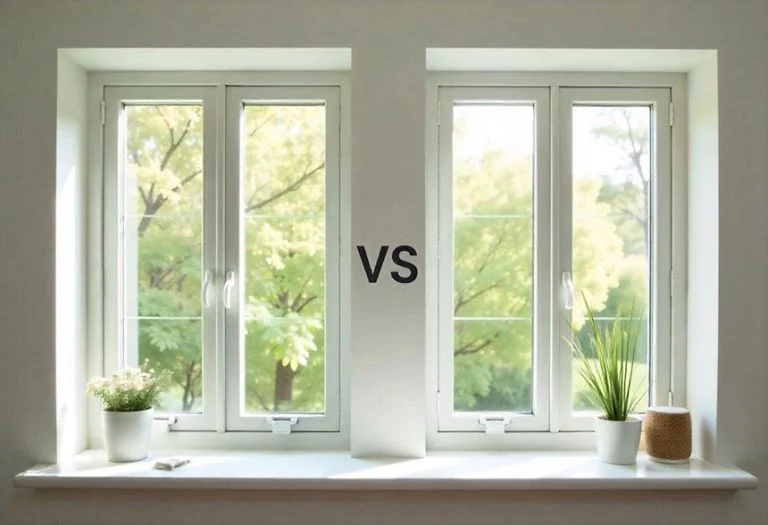
At its core, the debate of replacement windows vs retrofit centers on how much of the existing window assembly is retained. Replacement windows involve removing the entire old unit—including sash, frame, and any surrounding trim—then installing a brand‑new window assembly that sits directly against the rough opening. In contrast, a retrofit (sometimes called an insert) leaves the original frame in place and drops a pre‑finished window unit into it.
Both methods aim to improve performance, but they differ in labor intensity, cost, and impact on the building envelope. For homeowners who value minimal disruption, retrofit can be appealing. Yet, when structural issues or severe rot are present, a full replacement often proves more durable. The key is matching the method to the condition of the existing frames and the long‑term goals of your renovation.
Cost Comparison: Replacement Windows vs Retrofit

Budget is usually the first factor that surfaces when comparing replacement windows vs retrofit. Full replacements typically carry a higher price tag because they require more demolition, disposal, and labor. On average, a standard double‑hung replacement window can range from $400 to $800 per unit, excluding installation. Retrofit inserts, on the other hand, often sit between $250 and $500 per window, largely because the existing frame remains untouched.
However, the initial savings of a retrofit can be offset by hidden expenses. If the old frame is warped, water‑damaged, or not square, the retrofit may not achieve a proper seal, leading to drafts and higher utility bills. In such scenarios, investing in a full replacement—though pricier upfront—delivers better long‑term value. Homeowners should also factor in potential incentives: many energy‑efficiency rebates apply equally to both methods, but some programs specifically favor full replacements that meet stricter R‑value criteria.
Energy Efficiency: How Replacement Windows vs Retrofit Perform
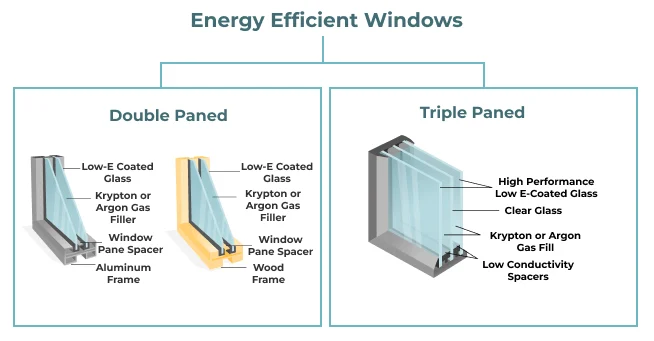
Energy performance is a primary driver behind the replacement windows vs retrofit decision. Modern full‑frame windows often incorporate advanced glazing technologies, such as low‑E coatings, argon or krypton gas fills, and warm‑edge spacers. When installed correctly, these features can reduce heat loss by up to 30% compared to older single‑pane units.
Retrofit windows can also incorporate high‑performance glass, but the surrounding old frame may be a weak link. If the original wood or vinyl frame has gaps or deteriorated insulation, the overall U‑factor of the window assembly will suffer. In many cases, homeowners can improve the existing frame with foam insulation and weatherstripping, narrowing the performance gap. For those living in extreme climates, a full replacement is often the safer bet, while milder regions may find retrofit solutions sufficient to meet energy‑saving goals.
Aesthetic Impact: Design Considerations for Replacement Windows vs Retrofit
From a design perspective, replacement windows vs retrofit can dramatically influence the visual outcome of a room. Full replacements give you the freedom to change the window style entirely—switching from a traditional double‑hung to a sleek casement, adding larger picture windows, or opting for custom shapes that match a modern interior aesthetic.
Retrofit inserts, by contrast, are limited to the dimensions of the existing opening. While you can still upgrade the glass and hardware, the overall profile remains unchanged. This limitation can be beneficial for historic homes where preserving original architectural details is essential. For contemporary homes seeking a fresh look, a full replacement often offers the design flexibility needed to achieve that living room interior inspiration you desire.
Installation Process: What to Expect with Replacement Windows vs Retrofit
Understanding the installation workflow helps clarify why replacement windows vs retrofit differ in timeline and disruption. A full replacement typically follows these steps: (1) removal of the old window and trim, (2) inspection and repair of the rough opening, (3) installation of flashing and insulation, and (4) placement of the new window unit with proper shims and sealants. This process can take anywhere from a few hours to an entire day per window, depending on complexity.
Retrofit installation streamlines many of these steps. Since the original frame stays in place, the contractor simply removes the old sash, cleans the cavity, inserts the new unit, and secures it with clips. The whole job can be completed in under two hours per window, making it an attractive option for busy households. Nevertheless, proper flashing and sealing remain critical; otherwise, condensation and air leakage may develop over time.
When to Choose Replacement Windows vs Retrofit
The decision matrix for replacement windows vs retrofit hinges on three core factors: frame condition, performance goals, and design aspirations. Choose a full replacement if you notice any of the following:
- Rot, warping, or severe damage to the existing frame.
- Desire to change the window style or increase opening size.
- Living in a region with extreme temperature fluctuations that demand the highest possible R‑values.
Opt for a retrofit when:
- The existing frame is structurally sound and well‑sealed.
- You’re looking for a cost‑effective upgrade that still improves insulation.
- You want to preserve historic or architectural details that are integral to the home’s character.
In many renovation projects, homeowners end up using a hybrid approach—full replacement on the most compromised walls and retrofit inserts where the frames are still solid.
Quick Tips for a Successful Window Upgrade
- Conduct a thorough frame inspection before deciding between replacement windows vs retrofit.
- Ask your installer about low‑E glazing options that fit within both replacement and retrofit systems.
- Don’t forget to upgrade exterior flashing; proper drainage prevents future water intrusion.
- Consider window tint options—like the window tint options guide—to balance light control and privacy.
- Plan for post‑installation cleaning; modern glass can reveal fingerprints and smudges quickly.
Common Mistakes to Avoid When Comparing Replacement Windows vs Retrofit
Even seasoned DIY enthusiasts can fall into pitfalls when tackling replacement windows vs retrofit projects. One frequent error is assuming that a retrofit will automatically improve energy performance without addressing the old frame’s gaps. Another is overlooking local building codes—some municipalities require full replacements for certain energy standards.
Homeowners also sometimes skip the “air test” after installation. A simple blower door test can reveal hidden leaks, ensuring that the chosen method (whether replacement windows vs retrofit) truly delivers the promised efficiency gains. Finally, neglecting to coordinate window style with interior décor can lead to mismatched aesthetics; a modern casement might look out of place in a traditional living room setting.
Frequently Asked Questions
What is the main difference between replacement windows vs retrofit?
Replacement windows involve removing the entire old unit, including the frame, and installing a brand‑new window. Retrofit inserts retain the existing frame and fit a pre‑finished unit into the opening, reducing labor and cost but limiting design options.
Can I install retrofit windows in a historic home?
Yes, retrofit windows are often the preferred choice for historic properties because they preserve original framing and architectural details while still upgrading performance.
Do replacement windows provide better energy savings than retrofit?
Generally, full replacements can achieve higher energy savings because they allow for new, well‑insulated frames and more comprehensive sealing. However, a high‑quality retrofit with proper insulation can approach similar performance if the old frame is in good condition.
How much does a full window replacement cost compared to a retrofit?
Full replacements typically cost $150–$300 more per window than retrofits, due to additional labor, disposal, and potential framing repairs. Exact costs vary by region, window type, and material.
Is it possible to combine both methods in one home?
Absolutely. Many homeowners replace windows in the most problematic areas while retrofitting others that are still sound, creating a balanced approach that maximizes budget and performance.
Will installing new windows affect my home insurance?
Some insurers offer discounts for upgraded windows, especially those with impact‑resistant glass or enhanced security features. Check with your provider to see if the upgrade qualifies for a premium reduction.
Choosing between replacement windows vs retrofit is not a one‑size‑fits‑all decision. By evaluating the condition of your existing frames, your budget, energy goals, and design preferences, you can select the approach that delivers the best blend of performance and aesthetic appeal. Whether you opt for a full replacement or a sleek retrofit, the right choice will enhance comfort, curb appeal, and long‑term value for your home.