
Table of Contents
- Polished Nickel vs Satin Nickel: Core Differences Explained
- Polished Nickel vs Satin Nickel: Impact on Light and Space
- Choosing the Right Finish for Bathroom Fixtures
- Kitchen Applications: Balancing Function and Style
- Integrating Finish with Other Design Elements
- Maintenance Tips: Keeping Your Finish Pristine
- Quick Home Décor Tips
- Common Mistakes to Avoid When Selecting a Finish
- Frequently Asked Questions
- Final Thoughts on Polished Nickel vs Satin Nickel
Polished Nickel vs Satin Nickel – Which Finish Elevates Your Home?
When it comes to modern hardware, the finish you select can dramatically shape the mood of a room. Polished nickel and satin nickel are two of the most popular options, each offering a distinct visual appeal and functional performance. Homeowners often grapple with the decision: which one better complements their décor, resists fingerprints, or fits within a specific design palette? This guide breaks down the core characteristics, practical applications, and styling strategies for both finishes, helping you make an informed choice that aligns with your aesthetic goals.
Beyond mere looks, the finish influences maintenance routines, durability, and even the perceived size of a space. Whether you’re renovating a sleek bathroom, updating a kitchen island, or adding a touch of elegance to a hallway closet, understanding the nuances of polished nickel vs satin nickel is essential. In the sections that follow, you’ll learn how each finish behaves under everyday use, discover tips for pairing them with other design elements, and get answers to common questions that pop up during the selection process.
Polished Nickel vs Satin Nickel: Core Differences Explained
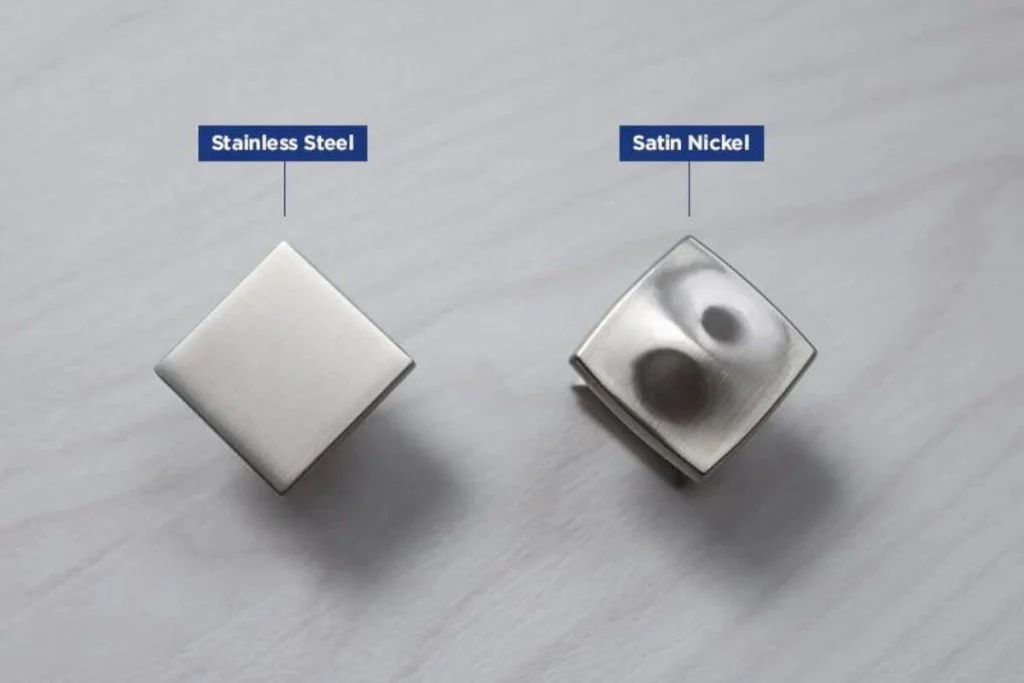
At first glance, polished nickel dazzles with its mirror‑like shine, while satin nickel offers a soft, muted luster. The difference stems from the way each surface is treated during the manufacturing process. Polished nickel undergoes a high‑gloss electroplating that creates a reflective, almost chrome‑like appearance. Satin nickel, on the other hand, is brushed or sand‑finished after plating, resulting in a subtle texture that diffuses light rather than bouncing it directly back.
From a practical standpoint, polished nickel tends to highlight fingerprints, water spots, and smudges more readily. Its reflective surface can make a small bathroom feel larger, but it also demands more frequent cleaning. Satin nickel hides minor imperfections better, providing a low‑maintenance option that still retains a contemporary vibe. Both finishes are generally resistant to corrosion, yet the brushed texture of satin nickel can offer a slight edge in durability, especially in high‑traffic areas.
Polished Nickel vs Satin Nickel: Impact on Light and Space
Light interaction is a key consideration when deciding between the two finishes. Polished nickel reflects ambient light, creating a bright, airy environment. This quality makes it a favorite for compact bathrooms or kitchens where natural light is limited. Satin nickel, by scattering light, adds a gentle glow that contributes to a warm, inviting atmosphere without the glare that sometimes accompanies high‑gloss finishes. For open‑plan living spaces, satin nickel can act as a visual bridge between contrasting materials, subtly unifying the overall design.
Choosing the Right Finish for Bathroom Fixtures
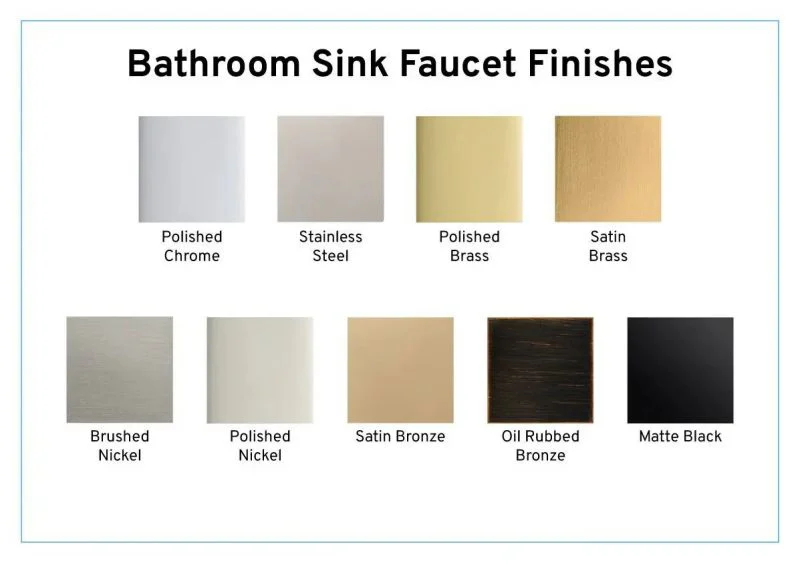
The bathroom is arguably the most common arena for the polished nickel vs satin nickel debate. Showerheads, faucet handles, towel bars, and even lighting fixtures are frequently finished in either style. If you’re aiming for a spa‑like, high‑end look, polished nickel can evoke the sleekness of a luxury hotel. Its brilliance pairs beautifully with marble countertops, glass tiles, and monochrome color schemes.
Conversely, satin nickel complements natural stone, wood accents, and matte wall finishes. Its understated sheen works well in rustic or transitional bathrooms where you want the hardware to support the design without stealing the spotlight. Additionally, because bathrooms are prone to humidity, the brushed texture of satin nickel can reduce the visibility of water droplets and mineral deposits, extending the period between deep cleanings.
For more specific moisture‑related guidance, see our article on shower floor moisture to ensure your fixture choices align with proper water management.
Kitchen Applications: Balancing Function and Style

In the kitchen, hardware endures heavy use, from constant hand contact to exposure to steam and cooking splatters. Polished nickel vs satin nickel decisions here often hinge on the balance between visual drama and practical resilience. Polished nickel can add a modern, high‑contrast edge to dark cabinetry, creating a striking focal point around islands or pendant lighting.
Satin nickel, however, is forgiving when it comes to daily wear. The brushed surface minimizes the appearance of fingerprints on cabinet pulls, drawer handles, and faucet spouts—an advantage in a busy family kitchen. Moreover, satin nickel harmonizes well with both stainless steel appliances and warm wood tones, making it a versatile choice for eclectic design schemes.
If you’re also updating your faucet, consider reading our comparison of modern faucet comparison to see how finish choices affect overall performance and aesthetics.
Integrating Finish with Other Design Elements
Beyond standalone fixtures, the polished nickel vs satin nickel conversation extends to the broader palette of a room. Metal finishes interact with other materials such as glass, wood, stone, and fabric. Here are a few pairing strategies:
- Glass & Mirrors: Polished nickel amplifies the reflective quality of glass, perfect for sleek bathroom mirrors or glass cabinet doors.
- Wood & Natural Fibers: Satin nickel’s softer glow complements the organic warmth of reclaimed wood, woven baskets, and linen textiles.
- Stone & Tile: Both finishes can look striking against marble, but polished nickel emphasizes the coolness of the stone, while satin nickel adds subtle contrast.
- Color Accents: Use polished nickel in rooms with bold, saturated colors to create a high‑contrast visual, whereas satin nickel works well with pastel or neutral tones for a cohesive, understated look.
When planning a cohesive interior, think of the finish as a unifying thread that can tie disparate elements together without overwhelming the space.
Maintenance Tips: Keeping Your Finish Pristine
Regardless of whether you opt for polished nickel or satin nickel, proper care prolongs the life of your hardware. Here are some practical maintenance guidelines tailored to each finish:
- Polished Nickel:
- Wipe down with a soft microfiber cloth after each use to prevent water spots.
- Use a non‑abrasive cleaner—mild dish soap mixed with warm water works well.
- Avoid harsh chemicals like bleach or ammonia, which can dull the shine.
- Satin Nickel:
- Regularly dust with a dry cloth; the brushed texture masks minor smudges.
- For deeper cleaning, a mixture of white vinegar and water can dissolve mineral deposits without scratching.
- Polish sparingly; excessive polishing can turn the satin surface glossy, defeating its purpose.
For a broader look at protecting your home surfaces, our guide on detergent removal from carpet offers useful cleaning principles that apply across different materials.
Quick Home Décor Tips
- Match the finish of your faucet with that of your cabinet pulls for a seamless look.
- Use polished nickel in small spaces to reflect light and create a sense of openness.
- Choose satin nickel in high‑traffic rooms to keep maintenance low while maintaining style.
- Combine both finishes in a layered design: polished nickel for statement pieces, satin nickel for supporting hardware.
Common Mistakes to Avoid When Selecting a Finish
Choosing the wrong finish can lead to visual dissonance or extra upkeep. Common pitfalls include:
- Overlooking the Room’s Light Level: Polished nickel can feel harsh under direct sunlight, while satin nickel may appear too dull in dim rooms.
- Ignoring Existing Metal Accents: Mixing finishes without a unifying element can create a chaotic look. If your kitchen already features brushed steel appliances, satin nickel may blend more naturally.
- Neglecting Lifestyle Factors: Families with young children may benefit from satin nickel’s fingerprint‑resistant qualities.
- Choosing Based Solely on Trend: While polished nickel is currently fashionable, longevity and personal taste should guide the decision.
Frequently Asked Questions
Is polished nickel more expensive than satin nickel?
Generally, the price difference is minimal because both finishes use similar base materials. However, the additional polishing process for polished nickel can add a small premium, especially on high‑end designer pieces.
Can I mix polished nickel and satin nickel in the same room?
Yes, mixing is possible and can add visual interest if done intentionally. Pair a polished nickel faucet with satin nickel drawer pulls, ensuring other elements—such as lighting fixtures—provide a cohesive link.
Which finish is better for a minimalist aesthetic?
Both can work, but satin nickel often aligns more naturally with minimalist design due to its low‑key sheen, allowing other design components to take center stage.
Do either of these finishes corrode over time?
Both polished nickel and satin nickel are coated to resist corrosion. Proper cleaning and avoiding prolonged exposure to harsh chemicals will keep them looking new for years.
How do I decide if my bathroom style leans toward polished or satin?
Consider the overall mood you want: a spa‑like, high‑gloss vibe points to polished nickel, while a warm, understated ambiance suggests satin nickel. Test swatches next to your tiles and cabinetry for a realistic preview.
Final Thoughts on Polished Nickel vs Satin Nickel
Choosing between polished nickel and satin nickel ultimately hinges on your design objectives, lifestyle, and maintenance preferences. Polished nickel offers dazzling shine, amplifies light, and makes a bold statement—ideal for contemporary spaces that crave visual impact. Satin nickel, with its soft brushed texture, provides a more relaxed, low‑maintenance option that blends effortlessly with a variety of materials.
Take the time to assess the lighting, existing finishes, and how much upkeep you’re willing to commit to. By aligning the finish with the room’s function and aesthetic, you’ll create a harmonious environment that stands the test of time. For further inspiration on integrating hardware finishes into broader décor schemes, explore our article on minimalist living room wall art ideas and discover how subtle details can transform a space.
Now that you understand the nuances of polished nickel vs satin nickel, you’re equipped to make a confident selection that elevates your home’s style and functionality. Happy designing!