
Table of Contents
- Understanding orange peel texture vs smooth finish
- orange peel texture vs smooth finish: visual impact
- Where orange peel texture shines in home design
- When smooth finish is the better choice
- How to choose the right finish for different rooms
- orange peel texture vs smooth finish: practical tips for application
- Application techniques and maintenance tips
- Cost considerations and sustainability aspects
- Quick Tips for Choosing the Right Finish
- Common Mistakes to Avoid
- Frequently Asked Questions
Orange Peel Texture vs Smooth Finish: Which Is Right for Your Home?
When it comes to finishing walls, ceilings, or even furniture, the decision between a subtle, uniform surface and a more tactile, patterned look can dramatically affect the overall mood of a space. Homeowners often grapple with the choice of orange peel texture vs smooth finish because each brings its own set of aesthetic and practical benefits. Understanding the nuances of these two approaches helps you create rooms that feel intentional rather than accidental.
In this article we’ll dive deep into the visual impact, functional considerations, cost implications, and maintenance requirements of both options. Whether you’re revamping a compact city apartment or giving a sprawling family home a fresh coat, the insights below will guide you toward the finish that aligns with your design goals, lifestyle, and budget.
By the end of the read, you’ll be equipped with actionable tips, common pitfalls to avoid, and a clear roadmap for deciding when orange peel texture or smooth finish will make the biggest difference in your interior design projects.
Understanding orange peel texture vs smooth finish
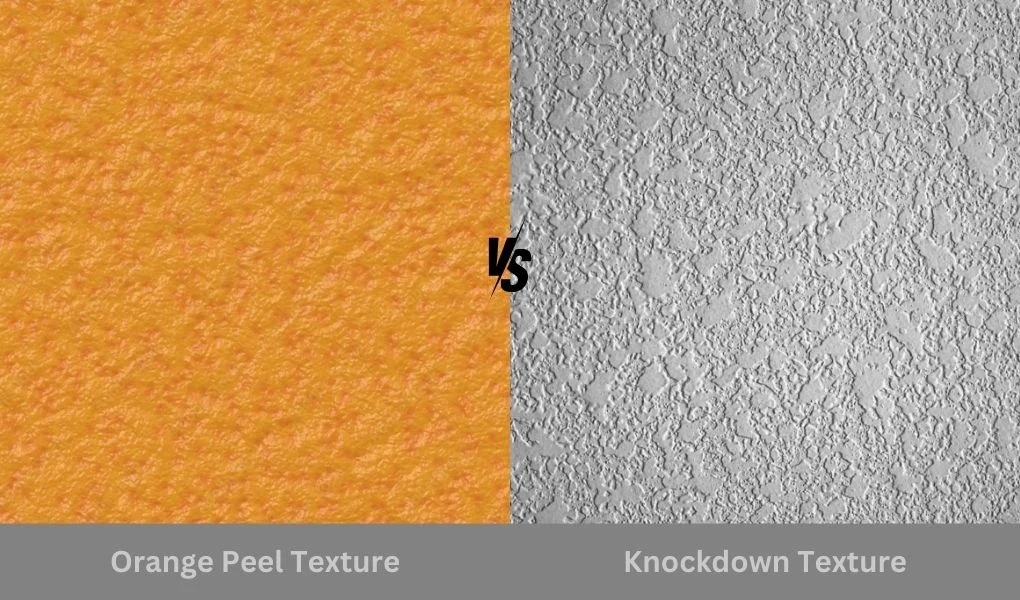
The first step in any design decision is to grasp what each finish actually looks and feels like. An orange peel texture mimics the subtle bumps of an actual orange rind—tiny, rounded dimples that catch light in a soft, diffused manner. This effect is usually achieved with a spray gun or a specialized roller, and it works best on large, uninterrupted wall planes where the pattern can breathe.
A smooth finish, on the other hand, is the classic flat, glass‑like surface you see in many contemporary homes. It’s typically applied with a roller or brush and sanded between coats to achieve an even sheen. The result is a sleek backdrop that allows furniture, artwork, and lighting to take center stage without visual competition.
orange peel texture vs smooth finish: visual impact
From a purely visual standpoint, orange peel texture adds depth and a tactile quality that can soften stark modern lines. Light plays across the dimples, creating subtle shadows that give the wall a sense of movement. Smooth finish, conversely, reflects light uniformly, making spaces feel larger and more open—an advantage in small apartments or rooms with limited natural light.
Choosing between them often comes down to the atmosphere you want to cultivate. If you aim for a cozy, grounded vibe, the gentle undulation of orange peel can be a perfect match. If you prefer a crisp, minimalist aesthetic, the clean canvas of a smooth finish will likely serve you better.
Where orange peel texture shines in home design

Orange peel texture excels in environments where you want to hide minor imperfections. The tiny bumps can disguise uneven plaster, small cracks, or subtle dents that might otherwise be glaring on a perfectly smooth surface. This makes it a popular choice for older homes undergoing renovation.
In living rooms and bedrooms, the texture can become a subtle statement piece when paired with warm, earthy paint colors. The pattern adds a layer of visual interest without overwhelming the space, especially when the surrounding décor leans toward natural materials like wood, linen, and clay. For example, an organic home décor with clay pots can echo the organic feel of the orange peel surface, creating a cohesive look.
Bathrooms also benefit from the texture’s ability to mask moisture‑related discoloration. While you must still ensure proper sealing, the pattern helps camouflage water spots that could appear on a glossy, smooth finish over time.
When smooth finish is the better choice
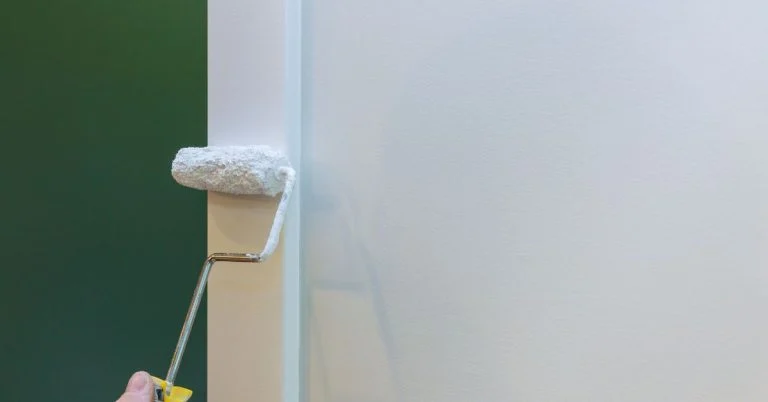
Smooth finish shines in spaces that demand a high‑end, polished look. Modern kitchens, for instance, often feature sleek cabinets, stainless steel appliances, and high‑gloss tiles. A smooth wall surface complements these elements, reinforcing the sense of precision and order that contemporary culinary spaces strive for.
In smaller apartments, a smooth finish can make rooms feel larger and brighter. Because the surface reflects light evenly, it maximizes the effect of natural daylight and artificial illumination. This is particularly helpful in studios or rooms where floor space is limited.
Another advantage of smooth finish is its versatility with decorative accents. When you want to showcase bold artwork, patterned wallpaper, or striking wall panels, a flat, neutral backdrop ensures that the focal pieces truly stand out. The black vs white interior doors guide highlights how a smooth finish on doors can accentuate contrast and create a dramatic entry.
How to choose the right finish for different rooms
Below is a quick reference to help you match the appropriate finish with the purpose of each room:
- Living Room: Orange peel texture works well with warm, natural palettes; smooth finish pairs nicely with modern, minimalist furniture.
- Bedroom: Texture adds a soothing, cocoon‑like feel; smooth finish can enhance a serene, airy ambience.
- Kitchen: Smooth finish is usually preferred for its clean, hygienic appearance.
- Bathroom: Both options are viable, but smooth finish is easier to wipe down; texture can hide water stains.
- Home Office: Smooth finish encourages focus by reducing visual distraction.
When evaluating these options, consider the existing architectural elements. High ceilings often benefit from smooth finishes to emphasize height, whereas lower ceilings can gain a sense of intimacy with orange peel texture.
orange peel texture vs smooth finish: practical tips for application
Applying orange peel texture requires a specialized spray gun set to the correct pressure. A mist of paint is sprayed onto the surface, forming the characteristic dimples. For a smooth finish, use a high‑quality roller and apply thin coats, sanding lightly between each layer for optimal flatness.
Regardless of the method, proper surface preparation is critical. Clean, dry, and primed walls ensure both finishes adhere correctly and last longer. If you’re unsure about the process, consult a professional painter who can assess your space and recommend the most suitable technique.
Application techniques and maintenance tips
Maintenance for orange peel texture is slightly more involved than for a smooth finish. Dust can settle in the tiny crevices, so a soft brush or low‑power vacuum with a brush attachment works best for regular cleaning. For stubborn stains, a damp cloth with mild detergent can be used, but avoid saturating the wall.
Smooth finish, being non‑porous, wipes clean with a simple cloth. However, glossy variations can show fingerprints and smudges more readily, requiring more frequent touch‑ups. In high‑traffic areas, consider a semi‑gloss or satin sheen to balance durability and ease of cleaning.
Both finishes benefit from periodic touch‑ups. Keep a small amount of the original paint on hand so you can blend repairs seamlessly. If you choose a textured finish, it’s helpful to practice on a spare board before tackling the entire wall, ensuring the pattern remains consistent.
Cost considerations and sustainability aspects
From a budgeting perspective, orange peel texture can be slightly more expensive due to the need for specialized equipment and additional labor time. However, the ability to mask imperfections can save money in the long run by reducing the need for extensive wall repairs before painting.
Smooth finish generally requires fewer materials and less specialized labor, making it a cost‑effective choice for large projects. If you’re working with a tight budget, opt for a smooth finish in areas where the wall condition is already good.
Regarding sustainability, both finishes can be applied with low‑VOC (volatile organic compound) paints, which reduce harmful emissions. Choose paints certified by reputable green building programs, and consider using recycled paint containers to further lower your environmental impact.
Quick Tips for Choosing the Right Finish
- Test a small patch of each finish on the wall before committing to the full room.
- Match the finish to the room’s lighting: dim light favors texture, bright light favors smoothness.
- Consider future resale: neutral smooth finishes often appeal to a broader buyer base.
- Use texture to hide minor wall flaws; use smoothness to highlight high‑end fixtures.
- Combine finishes strategically—textured walls in living spaces, smooth walls in kitchens for a balanced look.
Common Mistakes to Avoid
Even seasoned DIYers can stumble when working with orange peel texture vs smooth finish. Here are the most frequent errors and how to prevent them:
- Skipping surface prep: Unclean or unprimed walls lead to peeling or uneven texture.
- Applying too thick a coat: Over‑application creates uneven dimples or runs on textured walls.
- Inconsistent spray distance: For orange peel texture, maintain a steady distance (about 12‑18 inches) from the wall to avoid blotches.
- Neglecting moisture control: In bathrooms, ensure proper ventilation before applying any finish.
- Choosing the wrong sheen: High‑gloss smooth finishes can highlight wall imperfections; matte or satin is more forgiving.
By planning ahead and following best‑practice guidelines, you can sidestep these pitfalls and enjoy a professional‑looking result.
Frequently Asked Questions
Can I apply orange peel texture over drywall?
Yes, provided the drywall is properly taped, mudded, and sanded. A light skim coat can create an even base, allowing the texture to adhere uniformly.
How long does orange peel texture take to dry?
Drying time varies with humidity and temperature, but generally it takes 24‑48 hours before a second coat can be applied. Smooth finish usually dries faster—about 2‑4 hours per coat.
Is a smooth finish better for high‑traffic areas?
A smooth finish with a satin or semi‑gloss sheen is more resistant to scuffs and easier to clean, making it ideal for hallways and entryways.
Can I paint over orange peel texture with a different color later?
Absolutely. Just clean the surface, lightly sand if necessary, and apply a quality primer before repainting. The texture will remain, but the new color will refresh the look.
What’s the best way to clean orange peel textured walls?
Use a soft brush or vacuum attachment to remove dust, followed by a damp cloth with mild soap for stains. Avoid abrasive scrubbers that could damage the dimples.
Does smooth finish make a room feel colder?
A smooth, high‑gloss finish can feel more clinical if paired with cool color palettes. Counterbalance with warm furnishings, textiles, and lighting to keep the space inviting.
These answers address common concerns and help you make an informed decision about whether orange peel texture vs smooth finish is the right path for your project.
Choosing the appropriate wall finish is more than a cosmetic decision; it influences how light, color, and texture interact within a space. By weighing the visual character, functional demands, budget, and maintenance requirements, you can confidently select the finish that enhances your home’s personality.
Ready to transform your interiors? Experiment with a small accent wall, compare how orange peel texture vs smooth finish feels in your own lighting, and let your personal style guide the final choice. For additional inspiration, explore our Modern Earthy Home Décor Inspiration guide or discover the perfect chair for cross‑legged comfort. Happy decorating!