
Table of Contents
- Understanding the Core Differences: Olive Green vs Sage Green
- Key Visual Traits of Olive Green vs Sage Green
- Choosing the Right Shade for Each Room
- Living Room: Creating a Balanced Yet Inviting Space
- Bedroom: Promoting Restful Ambiance
- Kitchen: Enhancing Culinary Energy
- Bathroom: Spa‑Like Serenity
- Color Pairing Strategies: Making Olive Green and Sage Green Work Together
- Using Neutrals as Bridges
- Incorporating Metallic Accents
- Integrating Natural Materials
- Practical Tips for Applying Olive Green vs Sage Green
- Start Small with Accent Pieces
- Test Samples in Different Light Conditions
- Layer with Patterns
- Mind the Scale of the Space
- Quick Home Décor Tips
- Common Mistakes to Avoid When Using Olive Green vs Sage Green
- Over‑Saturating the Space
- Neglecting Undertone Compatibility
- Ignoring the Impact of Natural Light
- Skipping Textural Balance
- Frequently Asked Questions
- Is olive green better for small rooms than sage green?
- Can I mix olive green and sage green in the same room?
- What flooring works best with olive green walls?
- How does sage green affect mood compared to olive green?
- Are there any paint finishes that enhance olive green vs sage green?
- Can I use olive green or sage green in outdoor spaces?
Olive Green vs Sage Green: A Complete Guide for Modern Interiors
When it comes to choosing a soothing yet sophisticated hue for your living space, few colors compete with the earthy allure of olive green and the soft whisper of sage green. Both belong to the green family, but they convey distinct moods, pair differently with textures, and suit varied design aesthetics. Understanding the nuances between olive green vs sage green can empower homeowners, renters, and design enthusiasts to make confident decisions that enhance comfort, visual harmony, and resale value.
This article walks you through the visual characteristics, psychological impacts, and practical applications of each shade. You’ll learn where each color shines, how to combine them with other tones, and common pitfalls to avoid. By the end, you’ll have a toolbox of ideas—ranging from bold accent walls to subtle accessories—that will help you decide whether olive green or sage green is the right choice for your next project.
Understanding the Core Differences: Olive Green vs Sage Green
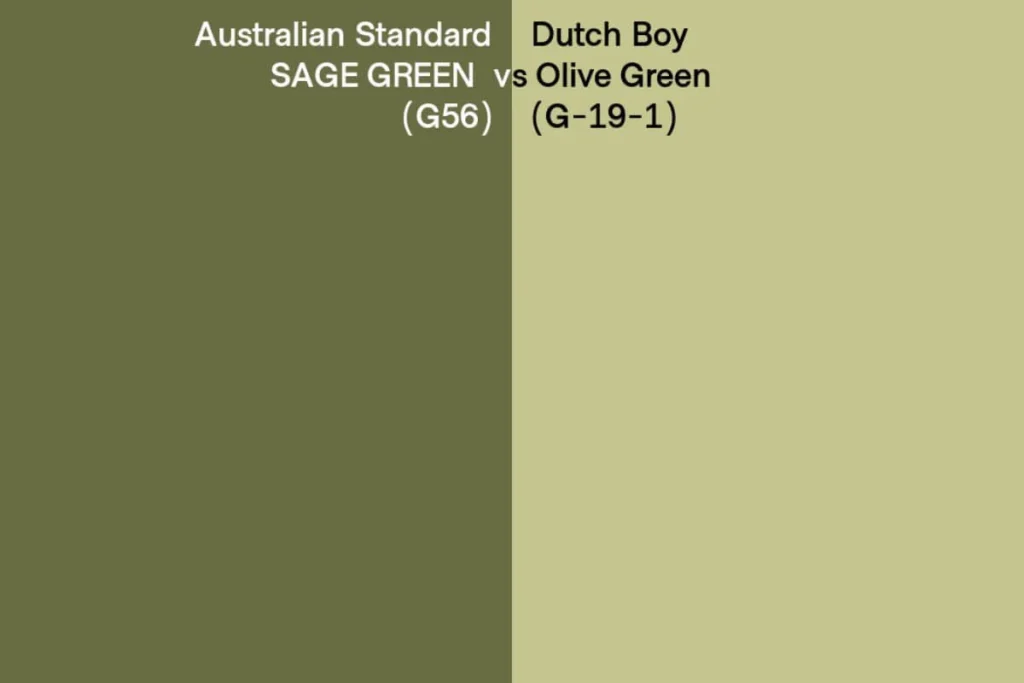
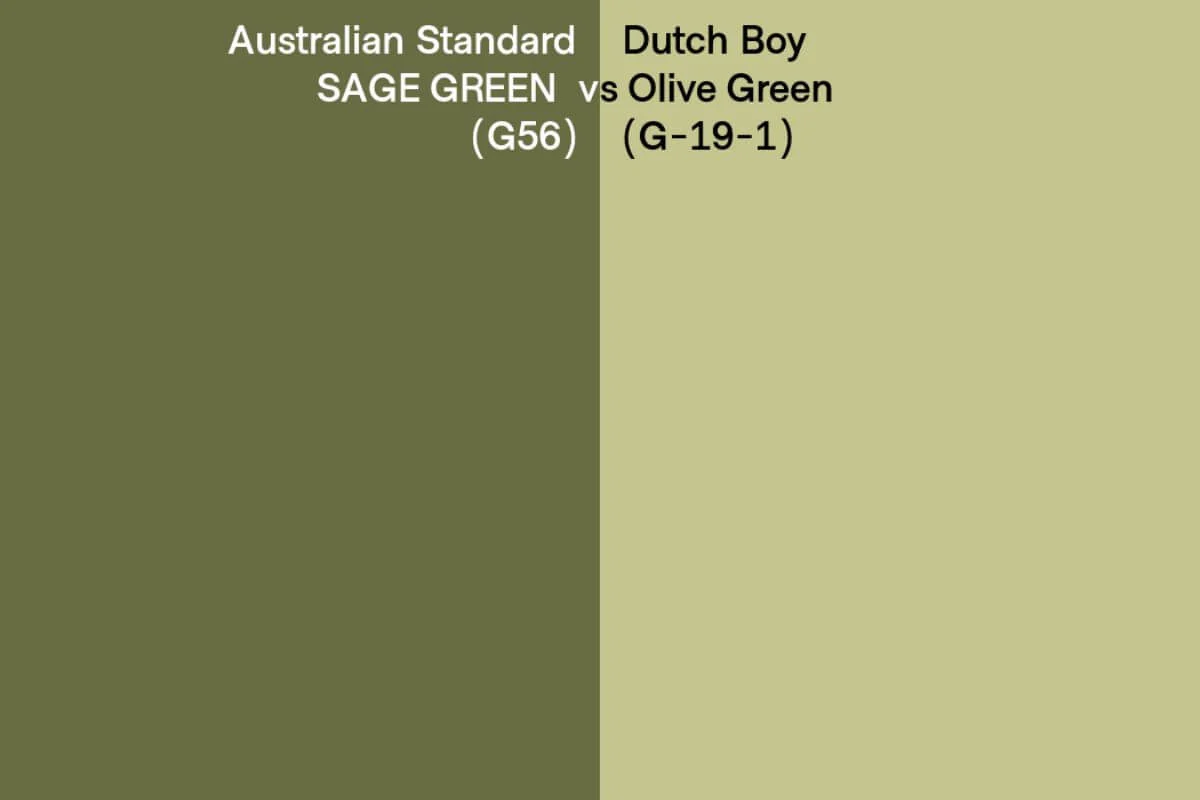
Olive green is a deep, muted shade that leans toward brown, evoking the richness of Mediterranean foliage. It carries a grounded, almost masculine vibe, making it an excellent backdrop for contemporary or rustic interiors. Sage green, on the other hand, is a pastel‑leaning, cool‑toned hue reminiscent of dried herb leaves. Its gentle, muted quality feels calming and often works well in spaces that aim for a light, airy atmosphere.
Both colors are versatile, yet they respond differently to lighting, surrounding colors, and textures. Olive green absorbs more light, creating a cozy, intimate feel, while sage green reflects light, opening up rooms and adding an ethereal quality. Recognizing these core attributes will guide you in selecting the appropriate shade for the intended function of each room.
Key Visual Traits of Olive Green vs Sage Green
- Depth: Olive green offers greater depth and can serve as a statement color, whereas sage green stays on the lighter side, acting as a subtle backdrop.
- Temperature: Olive leans warm with brown undertones; sage leans cool with gray undertones.
- Pairing Flexibility: Olive pairs effortlessly with gold, brass, and deep neutrals; sage shines alongside whites, soft pinks, and natural wood.
Choosing the Right Shade for Each Room
Every room has a purpose, a flow of natural light, and a set of existing furnishings. Matching those variables with the characteristics of olive green vs sage green ensures a cohesive look.
Living Room: Creating a Balanced Yet Inviting Space
For a living room that feels both stylish and welcoming, consider an olive green accent wall behind the sofa. Pair it with a natural wood coffee table and cream‑colored upholstery to soften the depth. If the space receives abundant daylight, sage green can be used on the ceiling or on larger walls to amplify the sense of openness, while dark walnut trim adds grounding.
Bedroom: Promoting Restful Ambiance
In a bedroom, sage green works beautifully on the headboard or as a wall color, fostering tranquility. Combine it with warm beige bedding and brushed nickel fixtures for a modern‑classic blend. Olive green, when used sparingly as a bedside accent or in a feature wall behind the nightstand, adds a sense of intimacy without overwhelming the calm atmosphere.
Kitchen: Enhancing Culinary Energy
A kitchen painted entirely in olive green can create a dramatic backdrop for stainless‑steel appliances and marble countertops. For a lighter, more airy feel, sage green cabinets paired with white quartz islands bring freshness while maintaining a cohesive color story.
Bathroom: Spa‑Like Serenity
Olive green tiles can lend a spa‑like depth to a walk‑in shower, especially when combined with natural stone. Sage green wall paint, paired with white fixtures and green‑tinted glass, gives the bathroom a clean, rejuvenating vibe. For those weighing options, compare the impact of different faucet finishes against each shade to achieve a harmonious palette.
Color Pairing Strategies: Making Olive Green and Sage Green Work Together
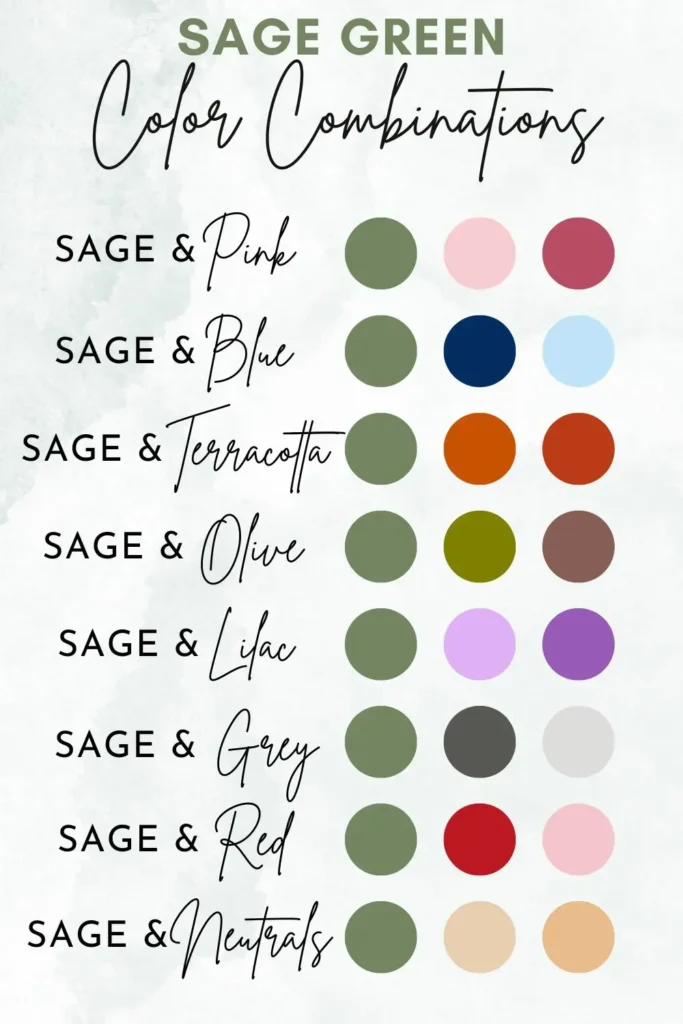
While olive green and sage green can each stand alone, they also complement each other when used strategically. The key is to balance their warmth and coolness, allowing each to highlight the other’s strengths.
Using Neutrals as Bridges
- Warm neutrals (taupe, camel) soften olive green, preventing it from feeling too heavy.
- Cool neutrals (soft gray, ivory) enhance sage green’s airy quality.
Incorporating Metallic Accents
Brass or aged gold hardware pairs beautifully with olive green, adding a touch of vintage glamour. In contrast, brushed nickel or chrome highlights sage green’s modern, minimalist appeal. Mixing both metallic tones within a single space can create an intentional contrast, especially in open‑plan areas where the two colors occupy adjacent zones.
Integrating Natural Materials
Wood, rattan, and linen textures act as unifying agents. A reclaimed oak bookshelf painted in sage green sits nicely next to an olive green upholstered armchair, each piece echoing the other’s hue through materiality.
Practical Tips for Applying Olive Green vs Sage Green
Implementing these shades successfully involves more than just paint selection; it requires thoughtful consideration of scale, lighting, and accessories.
Start Small with Accent Pieces
- Introduce olive green through throw pillows, rugs, or artwork before committing to large walls.
- Use sage green in curtains, bedding, or decorative vases to test how the color interacts with natural light throughout the day.
Test Samples in Different Light Conditions
Paint a 12‑inch square on each wall (north, south, east, west) and observe how the hue changes from morning to evening. Olive green may appear richer in evening light, while sage green may become more muted in direct sun.
Layer with Patterns
Geometric or botanical prints that incorporate both olive and sage tones can unify disparate elements, especially in eclectic interiors. A patterned rug featuring specks of both colors can act as a visual bridge.
Mind the Scale of the Space
In small apartments, sage green’s reflective quality helps open up the area, whereas olive green may make a compact room feel tighter if overused. Balance by limiting olive green to a single wall or furniture piece.
Quick Home Décor Tips
- Swap out standard cabinet handles for brushed brass to accentuate olive green cabinets.
- Use sage‑green glassware in an open kitchen shelf for a subtle pop of color.
- Combine olive‑green cushions with a sage‑green throw for a layered, cohesive look.
- Install warm‑tone LED lighting to enhance olive green’s depth in the evening.
- Add indoor plants; their natural greens complement both olive and sage palettes.
Common Mistakes to Avoid When Using Olive Green vs Sage Green
Even seasoned designers can stumble when integrating these hues. Below are frequent errors and how to sidestep them.
Over‑Saturating the Space
Applying olive green on every wall can make a room feel heavy, especially in low‑light environments. Balance with ample white or light‑gray surfaces.
Neglecting Undertone Compatibility
Choosing a cool‑toned sage green alongside warm‑toned furniture creates visual dissonance. Align undertones—pair cool sage with cool‑toned furniture, or warm olive with warm‑toned pieces.
Ignoring the Impact of Natural Light
Both shades shift dramatically under different lighting conditions. Failing to test paint samples at various times of day can lead to unexpected results, such as a sage green that looks gray in the afternoon.
Skipping Textural Balance
Olive green thrives with rough, tactile textures like jute or reclaimed wood, while sage green benefits from smooth fabrics and polished surfaces. Mixing textures inappropriately can dilute each color’s intended mood.
Frequently Asked Questions
Is olive green better for small rooms than sage green?
Generally, sage green is more suitable for small rooms because its lighter value reflects light, making spaces feel larger. Olive green can still work in compact areas if confined to an accent wall or furnishings, but overuse may create a cramped impression.
Can I mix olive green and sage green in the same room?
Yes, mixing the two creates a sophisticated, nature‑inspired palette. Use one as the dominant hue and the other for accents, and tie them together with neutral tones and natural materials to maintain visual harmony.
What flooring works best with olive green walls?
Warm hardwoods, such as walnut or honey‑oak, complement olive green beautifully. If you prefer a softer feel, consider natural stone tiles in earthy beige or terracotta.
How does sage green affect mood compared to olive green?
Sage green’s cool, muted tone promotes calmness and relaxation, making it ideal for bedrooms and bathrooms. Olive green, with its richer, warmer undertones, feels grounding and can add a sense of stability to living areas and home offices.
Are there any paint finishes that enhance olive green vs sage green?
Eggshell or satin finishes work well for both shades, offering a subtle sheen that highlights depth without excessive gloss. For high‑traffic areas, a low‑sheen matte finish can protect the color while maintaining a soft appearance.
Can I use olive green or sage green in outdoor spaces?
Absolutely. Olive green blends naturally with stone patios and wooden decks, while sage green pairs well with garden walls, pergolas, and planters. Both colors complement native plantings and create a seamless indoor‑outdoor transition.
Choosing between olive green vs sage green ultimately hinges on the atmosphere you wish to cultivate, the lighting conditions, and the surrounding décor elements. By thoughtfully applying the guidelines above, you can harness the unique strengths of each hue to craft interiors that feel both timeless and personalized.
Ready to experiment? Start with a small accent, observe how it evolves throughout the day, and gradually expand the palette. Whether you gravitate toward the earthy depth of olive green or the serene whisper of sage green, the right approach will elevate your home’s style and comfort.