
Table of Contents
- Oak vs Maple Cabinets: Grain, Texture, and Visual Appeal
- Choosing Oak vs Maple Cabinets: Durability and Longevity
- Cost Considerations: Budgeting for Oak and Maple Cabinets
- Styling Tips: Integrating Oak or Maple Cabinets into Your Kitchen Design
- Installation and Maintenance: Practical Advice for Oak and Maple Cabinets
- Environmental Impact: Sustainability of Oak and Maple
- Quick Tips for Oak vs Maple Cabinets
- Common Mistakes When Selecting Oak or Maple Cabinets
- Frequently Asked Questions
- Which wood is more resistant to dents, oak or maple?
- Can I paint oak cabinets without stripping the finish?
- Is maple a good option for a high‑traffic kitchen?
- How does humidity affect oak versus maple cabinets?
- Are there cost‑effective ways to achieve the look of oak without the price?
- What hardware styles pair best with oak cabinets?
Oak vs Maple Cabinets – A Comprehensive Guide for Your Kitchen
When it comes to selecting kitchen cabinetry, the choice of wood can dramatically influence both aesthetics and functionality. Homeowners often find themselves weighing oak against maple, two classic hardwoods that each bring unique qualities to the space. Understanding the subtle distinctions between these materials helps you make an informed decision that aligns with your design vision, budget, and long‑term maintenance needs.
In this guide, we’ll explore the grain patterns, durability, cost considerations, and styling possibilities of oak and maple cabinets. Whether you’re renovating a modern apartment kitchen or updating a traditional family home, the insights below will equip you with the knowledge to choose the wood that best fits your lifestyle and design goals.
Oak vs Maple Cabinets: Grain, Texture, and Visual Appeal
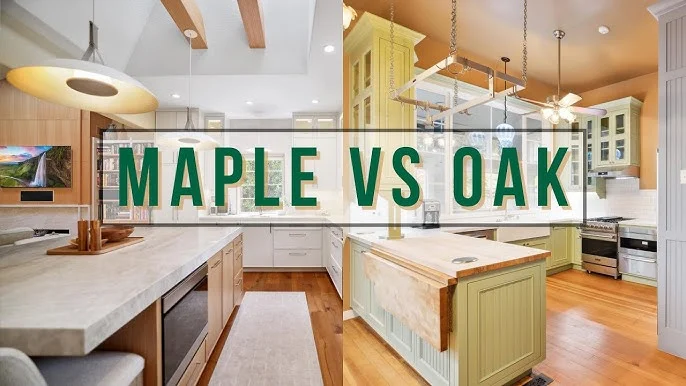
One of the most immediate differences between oak and maple cabinets lies in their grain patterns. Oak typically displays a bold, pronounced grain with noticeable rays and a slightly wavy texture, giving it a rustic yet refined character. This pronounced grain works especially well in traditional and farmhouse‑inspired kitchens, where the wood’s natural movement adds depth.
Maple, on the other hand, offers a smoother, more subtle grain that can appear almost uniform. Its fine, consistent texture makes it a favorite for sleek, contemporary designs where a clean, minimalist look is desired. The subtlety of maple’s grain also provides a perfect canvas for painted finishes or stains that aim for a uniform hue.
Both woods take stains well, but oak’s open grain may highlight the stain’s richness, while maple’s tight grain can result in a softer, more muted tone. If you’re leaning toward a dramatic, high‑contrast look, oak might be the better choice; for a softer, understated elegance, maple often shines.
Choosing Oak vs Maple Cabinets: Durability and Longevity
Durability is a key factor for any kitchen remodel, as cabinets endure daily wear, temperature fluctuations, and occasional moisture exposure. Oak is a dense hardwood that resists dents and scratches better than many other woods. Its natural hardness makes it a solid option for busy kitchens where heavy pots, pans, and frequent opening and closing of doors are the norm.
Maple is also a hard wood, though slightly less dense than oak. It offers good resistance to wear, but its tighter grain can sometimes be more susceptible to visible dents under high impact. However, with proper finishing—such as a high‑quality polyurethane or acrylic sealant—both oak and maple cabinets can maintain their appearance for decades.
Environmental factors also play a role. Oak’s higher tannin content can make it more resistant to moisture and fungal growth, which is advantageous in humid climates. Maple, while less naturally moisture‑resistant, performs well when sealed correctly and can be a reliable choice in drier regions.
Cost Considerations: Budgeting for Oak and Maple Cabinets
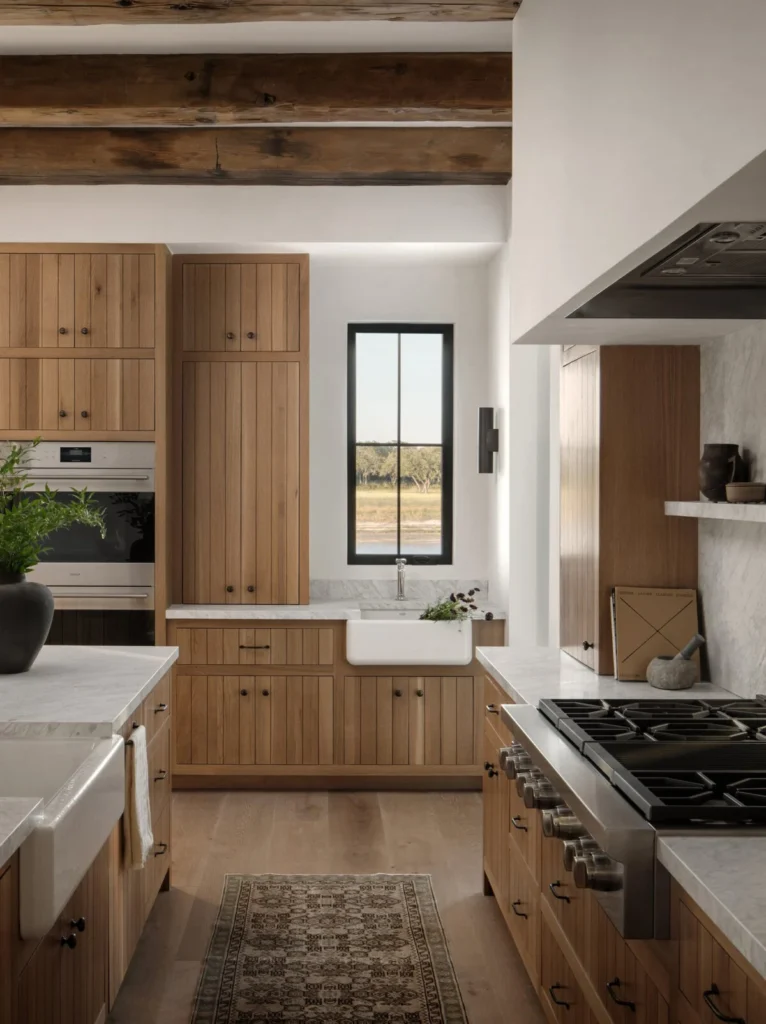
Budget is often the deciding factor between oak and maple cabinets. Generally, oak tends to be slightly more expensive than maple, primarily due to its slower growth rate and higher demand in the market. The cost difference can range from 5% to 15% depending on the grade, finish, and region.
Maple’s faster growth cycle and abundant supply help keep its price competitive. If you’re working with a tighter budget but still want the look of a hardwood cabinet, maple may provide a more cost‑effective solution without compromising quality.
Beyond the raw material cost, consider additional expenses such as custom milling, hardware, and finish. Oak’s pronounced grain sometimes requires more sanding and finishing time to achieve a smooth surface, which can add labor costs. Maple’s smoother texture usually requires less preparation, potentially reducing overall installation expenses.
Styling Tips: Integrating Oak or Maple Cabinets into Your Kitchen Design
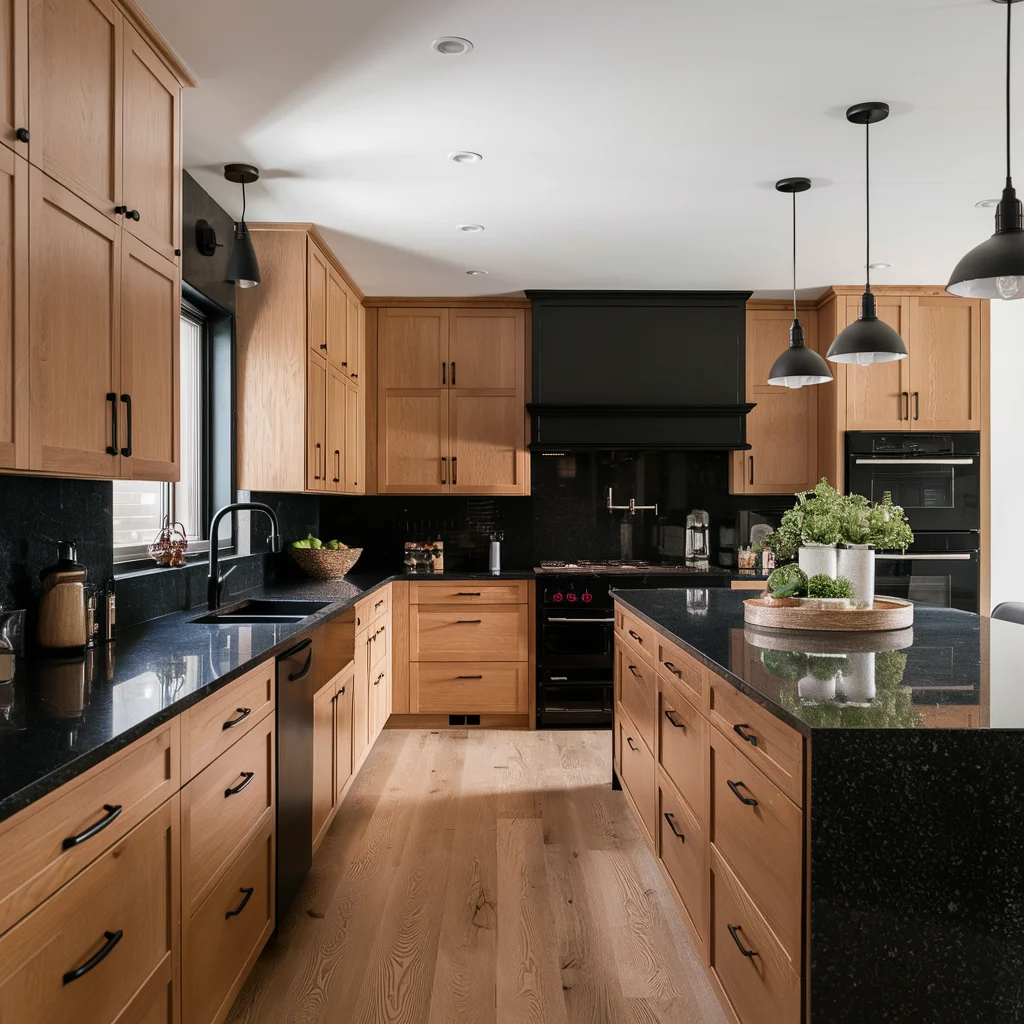
Both oak and maple cabinets can be styled to complement a wide range of interior design themes. Below are practical ideas for each wood type:
- Oak Cabinets: Pair with warm, earthy tones like terracotta backsplashes, brushed copper hardware, and natural stone countertops. The bold grain works well with vintage lighting fixtures and open‑shelf displays that showcase rustic cookware.
- Maple Cabinets: Combine with crisp white walls, matte black hardware, and sleek quartz surfaces for a modern vibe. A soft gray or pastel accent wall can soften the clean lines, while glass inserts add visual interest without overwhelming the subtle grain.
For a harmonious look, consider incorporating complementary textures elsewhere in the kitchen. A soft lighting guide for living rooms can inspire you to select pendant lights that echo the warm tones of oak, while a textured rug article can help you choose floor rugs that add depth to a maple‑styled kitchen.
Installation and Maintenance: Practical Advice for Oak and Maple Cabinets
Proper installation is essential to maximize the lifespan of either oak or maple cabinets. Here are key points to keep in mind:
- Acclimatization: Allow the wood to acclimate to the kitchen’s humidity and temperature for at least 48 hours before installation. This reduces the risk of warping later.
- Secure Fastening: Use stainless‑steel screws and brackets to prevent corrosion and ensure a sturdy connection, especially for heavy oak doors.
- Finishing: Apply a high‑quality, water‑based polyurethane finish for both woods. For oak, consider a two‑coat system to seal the prominent grain; for maple, a single, even coat can achieve a smooth finish.
- Cleaning Routine: Wipe cabinets with a soft, damp cloth and mild soap. Avoid abrasive cleaners that can dull the finish. For oak, occasional re‑oiling can revitalize the natural luster.
If you’re a DIY enthusiast, both oak and maple cabinets are relatively forgiving for amateur installers, provided you follow the manufacturer’s guidelines. Professional installers, however, can ensure precise alignment, especially for complex layouts with varying door heights.
Environmental Impact: Sustainability of Oak and Maple
Eco‑conscious homeowners may wonder which wood is more sustainable. Oak forests are typically managed through selective harvesting, allowing the trees to regenerate over time. Certified oak from responsibly managed forests (look for FSC certification) can be a sustainable choice.
Maple trees grow faster than oak, making maple a renewable resource with a shorter harvest cycle. This faster growth can translate to a lower carbon footprint per board foot, assuming the wood is sourced responsibly.
Both woods can be reclaimed or sourced from salvaged materials, offering a greener alternative to newly milled lumber. Reclaimed oak cabinets bring character and history to a kitchen, while reclaimed maple provides a subtle, aged patina that can be highlighted with a light stain.
Quick Tips for Oak vs Maple Cabinets
- Test a stain sample on a hidden area of both oak and maple to see how the color interacts with the grain.
- Consider the overall lighting; oak’s darker grain can absorb light, while maple reflects it, affecting perceived space size.
- Choose hardware that complements the wood’s tone—brass for oak’s warmth, brushed nickel for maple’s coolness.
- Plan for expansion gaps; both woods expand and contract, especially in kitchens with high humidity.
- Invest in a quality finish to protect against spills and everyday wear.
Common Mistakes When Selecting Oak or Maple Cabinets
Even seasoned homeowners can fall into pitfalls when choosing between oak and maple cabinets. Below are common errors and how to avoid them:
- Ignoring the Grain Direction: Installing cabinets with grain running opposite to the room’s primary lines can create visual discord. Align grain direction with the flow of the space for a cohesive look.
- Over‑Staining Oak: Heavy, dark stains can make oak appear overly dark, especially in smaller kitchens. Opt for medium tones that enhance the grain without overwhelming the space.
- Choosing the Cheapest Finish: Low‑quality finishes may chip or yellow over time, diminishing the wood’s natural beauty. Invest in a reputable finish that offers UV protection.
- Neglecting Moisture Barriers: Without proper sealing, both oak and maple can absorb moisture, leading to swelling. Ensure a moisture‑resistant barrier, especially near the sink and dishwasher.
- Skipping Professional Measurements: Cabinets that don’t fit precisely can cause stress on hinges and joints, accelerating wear. Accurate measurements are essential for a seamless installation.
Frequently Asked Questions
Which wood is more resistant to dents, oak or maple?
Oak is generally more resistant to dents due to its higher density and open grain structure. Maple is hard as well, but its tighter grain can show dents more noticeably under heavy impact.
Can I paint oak cabinets without stripping the finish?
Yes, you can paint oak cabinets by first lightly sanding the surface to promote adhesion, then applying a primer designed for hardwoods. The natural grain may still subtly show through, adding character to the painted finish.
Is maple a good option for a high‑traffic kitchen?
Maple performs well in high‑traffic kitchens when properly sealed with a durable finish. While it may be slightly more prone to visible dents than oak, a high‑quality polyurethane coating provides excellent protection.
How does humidity affect oak versus maple cabinets?
Both woods expand and contract with humidity changes, but oak’s natural tannins give it a slight edge in moisture resistance. Proper sealing and acclimatization before installation mitigate most humidity‑related issues for both woods.
Are there cost‑effective ways to achieve the look of oak without the price?
Consider using a veneer of oak over a core of maple or MDF. This technique captures oak’s grain and visual appeal while keeping material costs lower.
What hardware styles pair best with oak cabinets?
Warm metals such as brushed brass, oil‑rubbed bronze, or antique copper complement oak’s natural warmth and enhance its rustic feel.
Choosing between oak and maple cabinets is a nuanced decision that balances aesthetics, durability, budget, and environmental considerations. By evaluating the grain character, durability, cost, and styling potential, you can select the wood that aligns with your design vision and everyday needs.
Remember, the right cabinet choice not only frames your kitchen’s visual identity but also contributes to the long‑term functionality of the space. Take the time to explore samples, test finishes, and envision how each wood interacts with your lighting, hardware, and countertop choices. When in doubt, consult a professional designer who can tailor the recommendation to your specific home environment.
Ready to start your kitchen transformation? Dive deeper into design inspiration across the home—whether it’s soft lighting ideas for your living room, textured rug selections, or modern workspace styling—to create a cohesive, stylish, and functional living environment.