
Table of Contents
- Neutral Living Room Styling Ideas: Foundations of a Calming Palette
- Choosing the Right Base Color
- Integrating Subtle Color Accents
- Layering Textures While Staying Neutral
- Mixing Materials for Depth
- Smart Furniture Choices for a Neutral Space
- Choosing Upholstery That Complements Neutrals
- Multi‑Functional Pieces
- Accessorizing Without Overpowering
- Art and Wall Décor
- Soft Furnishings
- Lighting Strategies to Enhance Neutral Tones
- Ambient Lighting
- Task & Accent Lighting
- Creating Flow with Neutral Décor in Small Living Rooms
- Use Mirrors Strategically
- Opt for Multi‑Purpose Furniture
- Keep Floor Visibility
- Quick Neutral Living Room Styling Tips
- Common Mistakes to Avoid in Neutral Living Rooms
- Frequently Asked Questions
Neutral Living Room Styling Ideas for Timeless Elegance
When it comes to creating a space that feels both sophisticated and welcoming, few color schemes rival the power of neutrals. A neutral living room can serve as a blank canvas for personal expression, while also delivering a calming backdrop that never goes out of style. Whether you’re a first‑time homeowner, a seasoned renter, or simply looking to refresh an older space, understanding how to work with neutral tones will help you achieve a cohesive, modern look without overwhelming the senses.
In this article we’ll explore a range of neutral living room styling ideas that blend comfort with contemporary design. From choosing the right base hues to layering textures, selecting furniture, and mastering lighting, each section offers practical, step‑by‑step guidance. You’ll also find quick actionable tips, common pitfalls to steer clear of, and answers to frequently asked questions—all written in a friendly, authoritative voice that makes interior design feel approachable.
Neutral Living Room Styling Ideas: Foundations of a Calming Palette
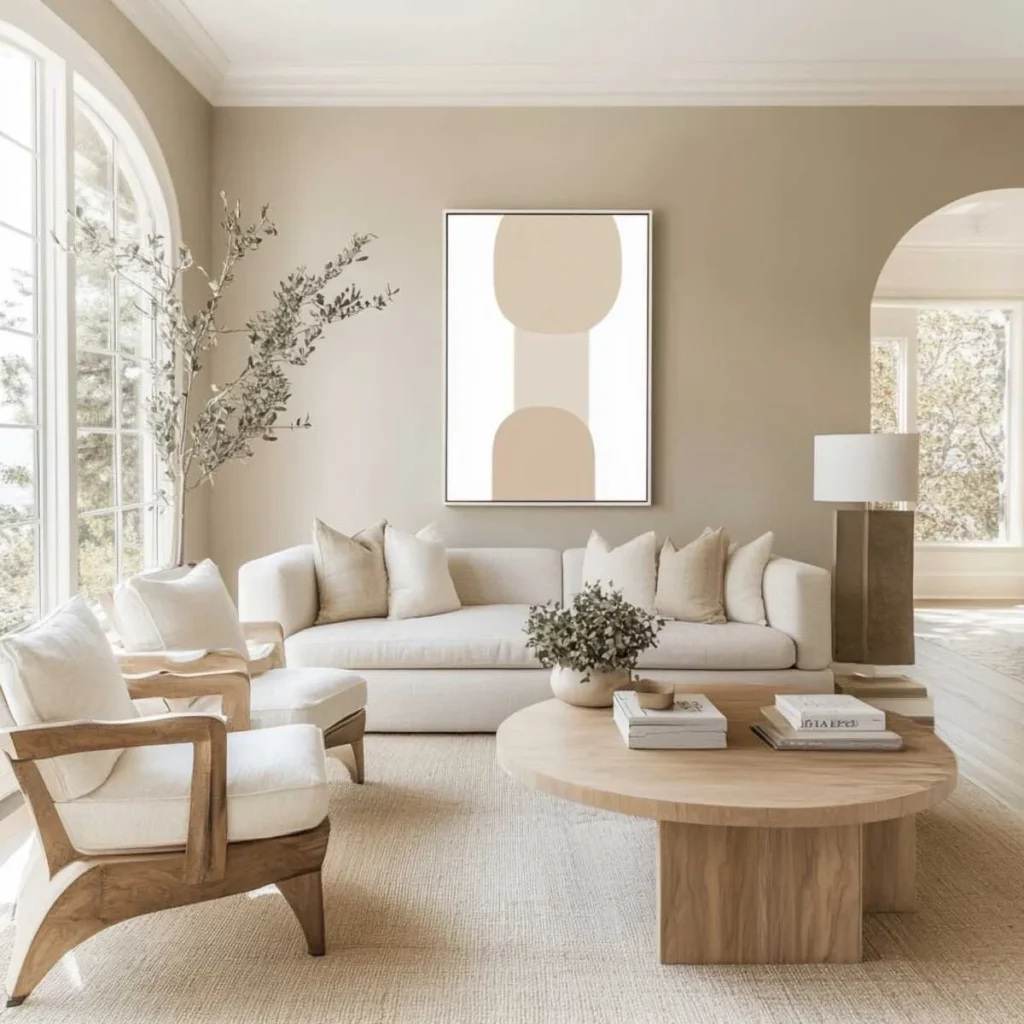
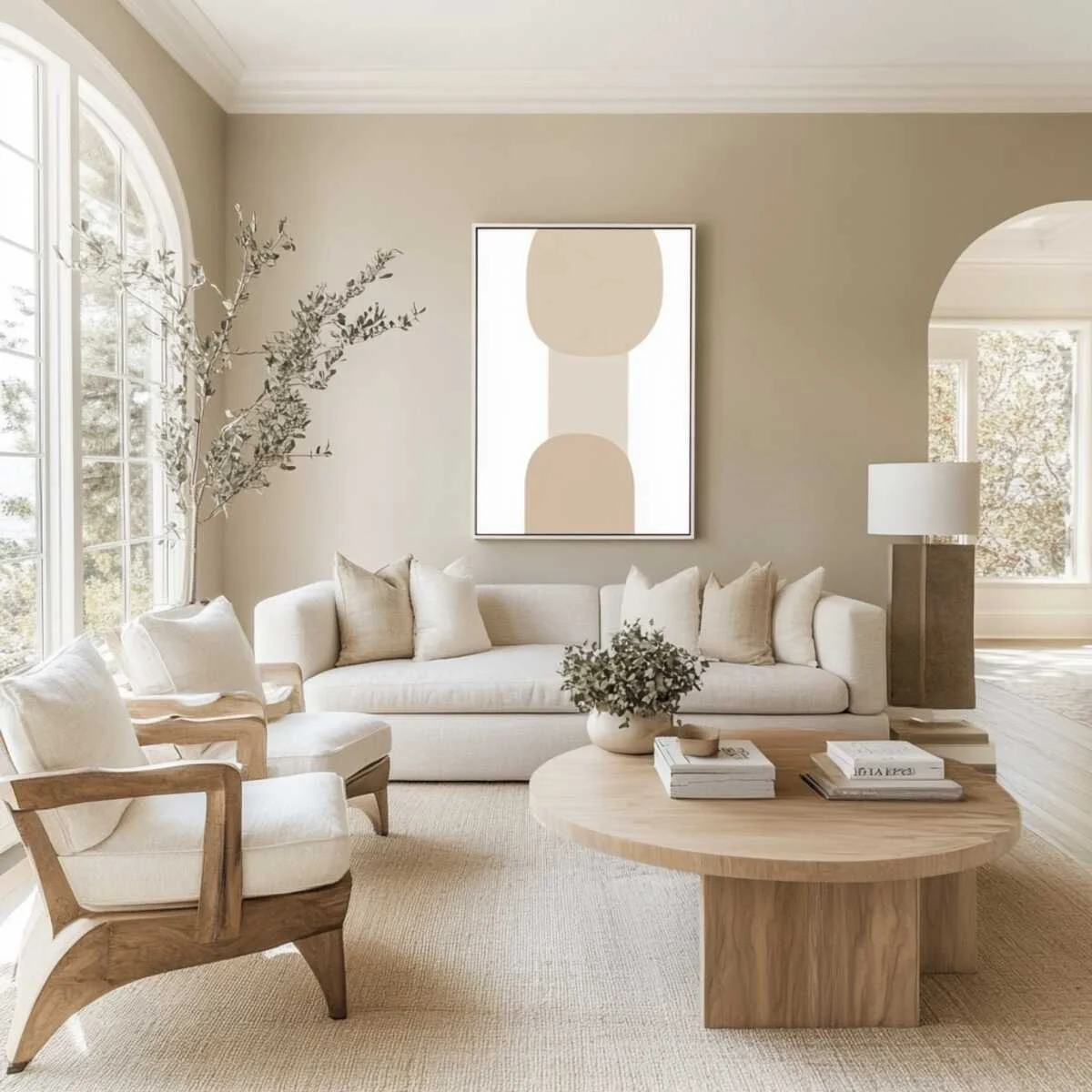
The first step in any successful neutral living room is establishing a balanced color foundation. While “neutral” often evokes images of plain whites or greys, the palette is richer than you might think. Think warm beiges, soft taupes, muted greys, and even subtle blushes. These hues create depth while maintaining the understated elegance that makes neutral living rooms so versatile.
Choosing the Right Base Color
- Start with a dominant shade: Pick one neutral—like a warm greige or a cool dove‑grey—and apply it to the walls. This becomes the room’s visual anchor.
- Consider natural light: Spaces flooded with sunlight can handle cooler tones, while dimmer rooms benefit from warmer shades that reflect light.
- Test samples: Paint large swatches on opposite walls and observe them at different times of day before committing.
Once your walls are set, use lighter or darker variations of the base color on trim, ceilings, and built‑in shelving to create subtle contrast without breaking the neutral flow.
Integrating Subtle Color Accents
Even a neutral room can benefit from gentle pops of color. A muted olive throw pillow, a dusty rose vase, or a soft navy artwork can add personality while still respecting the overall calm. The key is to keep accents limited to 10‑15% of the visual space so they enhance rather than dominate.
Layering Textures While Staying Neutral
Neutral hues can sometimes feel flat if not paired with varied textures. Texture adds tactile interest and visual richness, turning a simple colour scheme into a layered masterpiece. Think of a plush wool rug, a linen sofa, a leather side chair, and a woven wall hanging—all in complementary neutral shades.
Mixing Materials for Depth
- Soft fabrics: Incorporate velvet cushions or a chunky knit throw to introduce coziness.
- Natural fibers: Jute rugs, rattan baskets, and bamboo blinds bring an organic feel.
- Metallic touches: Brass or matte black hardware can add a modern edge without disrupting the neutral harmony.
By juxtaposing matte and glossy surfaces, you create a dynamic environment that feels curated rather than monotonous. For inspiration on how texture can transform a small corner, check out our guide on small living room corner décor ideas.
Smart Furniture Choices for a Neutral Space
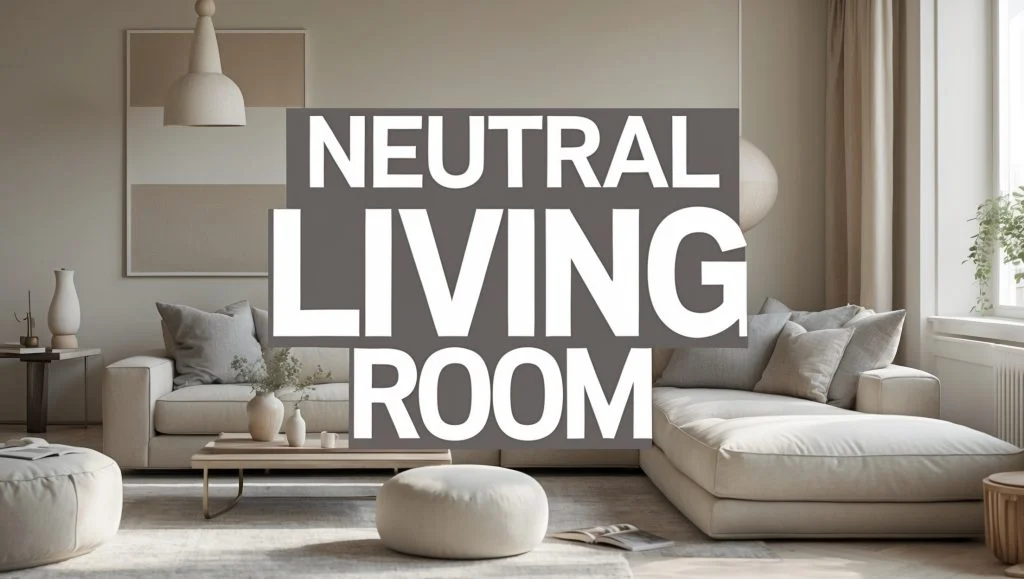
The furniture you select sets the functional tone of the room. In a neutral living room, it’s essential to choose pieces that blend seamlessly with the colour palette while also offering comfort and practicality. Opt for clean lines and understated silhouettes that can easily adapt to future style changes.
Choosing Upholstery That Complements Neutrals
A sofa in a light taupe or dove‑grey works beautifully as a central piece. Pair it with a charcoal armchair or a soft ivory recliner for contrast. If you prefer a more daring approach, a muted emerald or slate blue sofa can serve as a “neutral‑plus” focal point, provided the surrounding accessories stay within the neutral family.
Multi‑Functional Pieces
- Storage ottomans: Offer seating and hidden storage for blankets or games.
- Floating shelves: Keep floor space open while providing display areas for books and décor.
- Modular sofas: Allow you to rearrange sections for gatherings or solo relaxation.
When selecting furniture, consider the scale of your room. Oversized pieces can overwhelm a modest living area, while too‑small items may feel lost in a larger space. Balance is key.
Accessorizing Without Overpowering

Accessories are where personality shines, but in a neutral living room they must be handled delicately. The goal is to add interest without breaking the soothing vibe. Think of accessories as the punctuation marks in a well‑written sentence—essential, yet not overused.
Art and Wall Décor
Large, abstract canvases in soft greys, creams, or muted blues can become focal points. If you’re hesitant about committing to art, a series of black‑and‑white photographs offers visual intrigue without clashing with the palette. For renters who can’t drill holes, explore wall décor ideas without drilling for a damage‑free solution.
Soft Furnishings
- Pillows: Mix patterns—like subtle chevron or tone‑on‑tone stripes—with solid‑color cushions.
- Throws: A cashmere or alpaca throw draped over a sofa adds warmth.
- Rugs: A low‑pile natural fibre rug anchors the seating area while keeping the floor feeling airy.
Remember to keep the number of distinct accessories limited; a few well‑chosen items create more impact than a cluttered assortment.
Lighting Strategies to Enhance Neutral Tones
Lighting is the invisible hand that can make or break a neutral living room. Proper illumination not only highlights textures and colours but also influences mood. Aim for a layered lighting approach that combines ambient, task, and accent lighting.
Ambient Lighting
Ceiling fixtures with a soft white or warm glow set the overall tone. If you have low ceilings, consider the guidance from our article on best curtains for low ceilings—the same principle of avoiding heavy fixtures applies.
Task & Accent Lighting
- Floor lamps: Position them near reading chairs for functional light.
- Table lamps: Choose bases in brushed metal or ceramic to stay within the neutral theme.
- LED strips: Hide them behind shelves to create a gentle wash of light that accentuates texture.
Warm LED bulbs (2700‑3000K) complement neutral palettes by adding a subtle golden hue, making the room feel inviting after sunset.
Creating Flow with Neutral Décor in Small Living Rooms
Space constraints can actually amplify the benefits of neutral living room styling ideas. By keeping colours light and surfaces uncluttered, you visually expand the room, making it feel airy and open. Here are a few tactics tailored for compact spaces.
Use Mirrors Strategically
A large, frameless mirror placed opposite a window reflects natural light and doubles the perceived size of the room. Pair it with a low‑profile console table to keep the floor area open.
Opt for Multi‑Purpose Furniture
Consider a slim, upholstered bench that doubles as storage, or a coffee table with hidden compartments for magazines. Such pieces reduce the need for extra shelving units, preserving floor space.
Keep Floor Visibility
Choosing a light‑coloured rug that blends with the wall hue extends the visual floor plane. When the rug and walls are close in tone, the eye travels further, creating an illusion of spaciousness.
For more ideas on making tight corners feel functional, explore our piece on simple home decoration inspiration.
Quick Neutral Living Room Styling Tips
- Start with a single dominant neutral and build layers around it.
- Introduce texture through fabrics, rugs, and natural materials.
- Limit bold colour accents to 10‑15% of the overall décor.
- Use layered lighting—ambient, task, and accent—to showcase texture.
- Choose furniture that offers both style and storage to keep the space tidy.
Common Mistakes to Avoid in Neutral Living Rooms
Even the most well‑intentioned decorators can slip into pitfalls that diminish the serene vibe of a neutral palette. Recognising these errors early helps you stay on track.
- Over‑matching: Using the exact same shade on walls, sofa, and rug can create a flat, lifeless look. Introduce slight variations in tone.
- Ignoring scale: Large furniture in a small room feels cramped; conversely, tiny pieces in a spacious area look lost.
- Neglecting texture: A purely smooth surface palette feels sterile. Add woven, knitted, or natural fibre elements.
- Insufficient lighting: Neutral colours reflect less light; a dim room can appear gloomy.
- Too many accessories: A cluttered look defeats the calming purpose of neutrals. Curate, don’t accumulate.
Frequently Asked Questions
Can I use only white in a neutral living room?
White can work, but pairing it with warmer neutrals like beige or greige prevents the space from feeling stark. Adding texture and soft lighting keeps it comfortable.
What flooring works best with a neutral palette?
Light hardwood, polished concrete, or a muted‑tone area rug are excellent choices. They echo the neutral theme while offering durability and easy maintenance.
How do I choose curtains for a neutral living room?
Opt for linen or cotton in a shade that matches either the wall color or the furniture. Sheer panels let natural light filter through, enhancing the airy feel.
Is it okay to mix warm and cool neutrals together?
Absolutely. Combining a warm taupe sofa with cool grey walls creates subtle contrast that adds depth without breaking the cohesive look.
What’s the best way to add colour without overwhelming the neutral base?
Use accent pieces—pillows, artwork, or a single statement chair—in muted hues like sage, dusty blue, or blush. Keep the majority of the room in neutral tones.
How often should I refresh a neutral living room?
Neutral rooms age gracefully, but swapping out small accessories seasonally—like pillows or throws—keeps the space feeling fresh without a major overhaul.
By applying these neutral living room styling ideas, you’ll create a space that feels both timeless and adaptable to evolving trends. The calm foundation allows you to experiment with textures, lighting, and occasional colour pops without the risk of clashing. Whether your living area is a sprawling open‑plan zone or a compact city apartment, the principles outlined here provide a flexible roadmap to a harmonious, inviting environment.
Take the first step today: choose your base neutral, layer in texture, and let your personality shine through thoughtfully selected accents. For more inspiration, browse our other décor guides and keep experimenting—your perfect neutral living room is just a few design decisions away.