
Table of Contents
- Flavor and Texture: Morris Heading Collards vs Georgia Collards
- Morris Heading Collards vs Georgia Collards: Nutritional Snapshot
- Growing Conditions for Morris Heading Collards vs Georgia Collards
- Morris Heading Collards vs Georgia Collards: Soil and Water Management
- Harvest Timing and Storage: Maximizing Freshness
- Culinary Applications: From Simple Sides to Gourmet Plates
- Designing Your Kitchen Space Around Fresh Greens
- Quick Home Décor Tips for Collard Lovers
- Common Mistakes When Growing and Cooking Collards
- Frequently Asked Questions
- Which collard variety is better for beginners?
- Can I grow both Morris Heading collards and Georgia collards in the same garden?
- Do these collard varieties differ in pesticide resistance?
- How can I preserve collard greens for winter?
- Is there a nutritional advantage to choosing one variety over the other?
Morris Heading Collards vs Georgia Collards – Which Is Best for Your Kitchen?
When it comes to leafy greens that can hold their own in hearty stews, sautéed sides, and nutritious smoothies, collard greens are a staple in many home kitchens. Yet, not all collards are created equal. Two popular varieties, Morris Heading collards and Georgia collards, often spark lively debates among gardeners and cooks alike. Understanding their distinct characteristics helps you decide which one fits your culinary style, garden space, and nutritional goals.
In this guide we’ll explore the flavor nuances, growing requirements, harvest timing, and cooking versatility of each variety. By the end, you’ll have a clear picture of how Morris Heading collards vs Georgia collards differ, and you’ll be equipped to choose—or even grow—both for a richer, more diverse menu.
Whether you’re a seasoned homesteader, a city dweller with a balcony garden, or simply someone who loves fresh, home‑grown greens, the insights below will help you make confident decisions and elevate your kitchen creations.
Flavor and Texture: Morris Heading Collards vs Georgia Collards
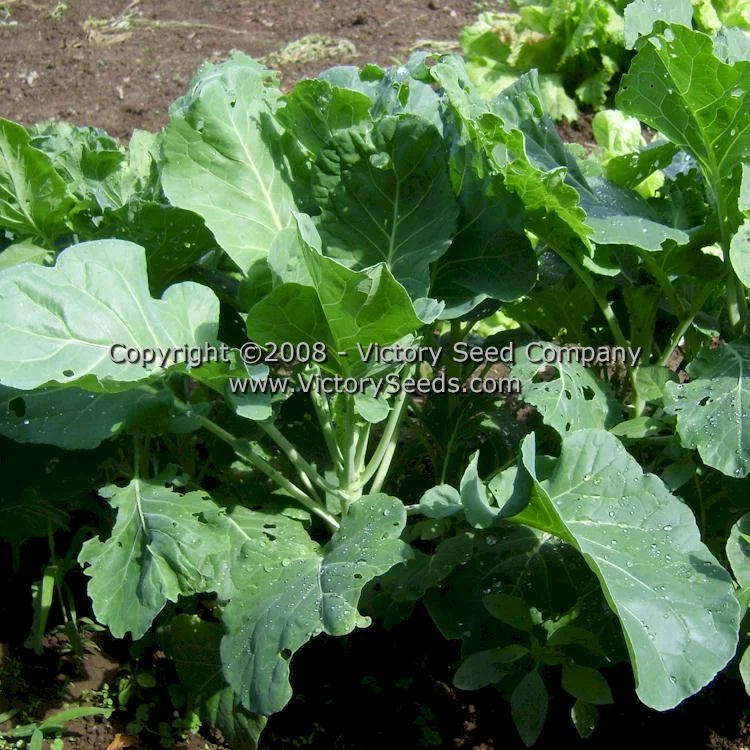
Flavor is the first factor most home cooks consider. Morris Heading collards typically deliver a milder, slightly sweet taste with tender leaves that stay relatively soft even after short cooking times. This makes them ideal for quick sautés, salads, and smoothies where you don’t want a bitter bite.
Georgia collards, on the other hand, are celebrated for their robust, earthy flavor and a firmer leaf structure. Their thicker veins hold up well during long‑slow cooking, perfect for traditional Southern dishes like collard greens with smoked turkey or pork.
Both varieties are rich in vitamins A, C, and K, but the subtle sweetness of Morris Heading collards can make them a favorite for families with picky eaters, while the hearty bite of Georgia collards appeals to those who relish a more pronounced green taste.
Morris Heading Collards vs Georgia Collards: Nutritional Snapshot
- Calories: Both varieties contain roughly 35–40 calories per cup of cooked greens.
- Fiber: Georgia collards tend to have a slightly higher fiber content due to their denser leaves.
- Minerals: Both are excellent sources of calcium and iron, though Morris Heading may have marginally higher calcium levels.
- Antioxidants: The darker hue of Georgia collards often indicates a higher concentration of anthocyanins, offering added antioxidant benefits.
Growing Conditions for Morris Heading Collards vs Georgia Collards
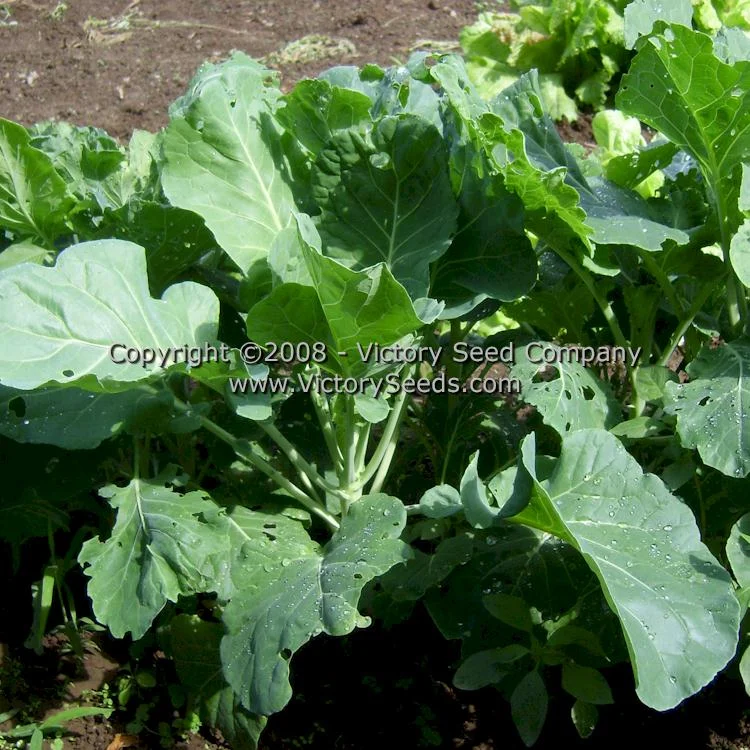
Successful cultivation begins with matching the right variety to your climate and garden layout. Morris Heading collards thrive in cooler temperatures, preferring day/night ranges of 55–70°F (13–21°C). They germinate quickly—often within 5–7 days—and are well‑suited for early spring planting or fall harvests in temperate zones.
Georgia collards are more heat‑tolerant, handling temperatures up to 85°F (29°C) without bolting. They require a longer growing season, typically 70–85 days from sowing to maturity, making them a great choice for southern gardens or regions with warm summers.
Both varieties favor well‑drained, loamy soil with a pH of 6.0–6.8. Adding compost or aged manure at planting improves soil structure and nutrient availability, promoting vigorous leaf growth for either variety.
Morris Heading Collards vs Georgia Collards: Soil and Water Management
Consistent moisture is key. Morris Heading collards benefit from frequent, shallow watering—especially during germination—to keep the soil evenly moist. Over‑watering can lead to root rot, so ensure good drainage.
Georgia collards, with their deeper root systems, handle deeper, less frequent watering. A weekly deep soak encourages roots to grow downward, improving drought resilience during hot midsummer periods.
Harvest Timing and Storage: Maximizing Freshness

Harvest timing influences both flavor and texture. Morris Heading collards can be cut as soon as the heads reach 6–8 inches in diameter, usually 55–60 days after sowing. Harvesting early preserves their tender quality and sweeter notes.
Georgia collards are typically ready for harvest around 70–80 days, when the heads are larger and the leaves have thickened. For the deepest flavor, allow the heads to mature fully, but avoid letting them bolt (flower) as bitterness can increase.
Both varieties store well in the refrigerator. Wrap harvested heads loosely in a damp paper towel and place them in a perforated plastic bag. Morris Heading collards stay crisp for up to 10 days, while Georgia collards can retain texture for up to two weeks.
Culinary Applications: From Simple Sides to Gourmet Plates
Understanding how each variety behaves in the kitchen guides recipe selection. Morris Heading collards shine in dishes that benefit from quick cooking, such as:
- Stir‑fried greens with garlic and a splash of soy sauce.
- Green smoothies blended with fruit, yogurt, and a pinch of honey.
- Fresh salads topped with toasted nuts and citrus vinaigrette.
Georgia collards excel in slow‑cooked comfort foods:
- Classic Southern collard greens simmered with smoked ham hocks.
- Braised collards with tomatoes, onions, and a dash of apple cider vinegar.
- Layered casseroles where the sturdy leaves hold up under cheese and sauce.
For a creative twist, try using both varieties in a single dish: sauté Morris Heading collards for a quick base, then fold in chopped Georgia collards toward the end of cooking for added texture and depth.
Looking for a holistic dining experience? Pair your collard dishes with a relaxing home spa night. Unveiling the Colorful World of Lush Bath Bombs – A Complete Home Spa Guide offers ideas for creating a calming atmosphere after a wholesome meal.
Designing Your Kitchen Space Around Fresh Greens
Fresh produce isn’t just a culinary asset; it can inspire kitchen design. A dedicated herb and vegetable shelf near the prep area keeps collard greens within arm’s reach and adds a vibrant splash of green to your countertop. Consider the following styling tips:
- Open‑shelf display: Use reclaimed wood shelves to showcase harvested collards in woven baskets, creating a rustic yet organized look.
- Glass‑front cabinet: Install a glass door on a pantry cabinet to store collards in clear containers, turning your greens into a decorative element.
- Vertical garden: For limited floor space, mount a vertical pocket planter on a kitchen wall. Both Morris Heading collards and Georgia collards thrive in such setups.
These ideas blend functionality with aesthetics, reinforcing The Homara’s commitment to modern home styling. For additional inspiration on compact kitchen solutions, check out our guide on Modern Small Bedroom Interior Design: Smart Ideas for Compact Spaces, which offers transferable concepts for tight kitchen layouts.
Quick Home Décor Tips for Collard Lovers
- Use reclaimed wooden crates as portable collard storage; they double as decorative accents.
- Hang a small chalkboard near your prep station to note harvest dates and recipe ideas.
- Incorporate green-themed textiles—like napkins or dish towels—to echo the fresh vibrancy of your collards.
Common Mistakes When Growing and Cooking Collards
Even seasoned gardeners stumble over a few pitfalls. Here are the most frequent errors and how to avoid them:
- Planting too late in the season: Georgia collards need a longer growing period. Plant them at least 12 weeks before the first expected frost.
- Over‑crowding seedlings: Both varieties need adequate airflow. Space plants 12–18 inches apart to prevent fungal issues.
- Skipping the blanching step: For milder flavor, briefly blanch collard stems before cooking. This reduces bitterness, especially in Georgia collards.
- Neglecting soil fertility: A single side‑dressing of balanced fertilizer (10‑10‑10) mid‑season keeps leaf production vigorous.
Frequently Asked Questions
Which collard variety is better for beginners?
Morris Heading collards are generally easier for beginners due to their faster germination, shorter maturity, and tolerance of cooler temperatures. They also require less space, making them suitable for container gardening.
Can I grow both Morris Heading collards and Georgia collards in the same garden?
Yes. Plant Morris Heading collards in early spring for an early harvest, and sow Georgia collards later in the season or in a separate sunny spot to take advantage of the warmer months. Staggered planting extends your fresh‑green window.
Do these collard varieties differ in pesticide resistance?
Both have similar susceptibility to common pests like aphids and cabbage loopers. However, Georgia collards’ thicker leaves sometimes deter minor insect damage, while Morris Heading collards benefit from regular organic sprays such as neem oil.
How can I preserve collard greens for winter?
Freezing is the simplest method. Blanch the leaves for 2–3 minutes, shock them in ice water, drain, and pack into airtight freezer bags. Both Morris Heading collards and Georgia collards retain flavor and nutrition after thawing.
Is there a nutritional advantage to choosing one variety over the other?
Both are nutritionally dense, but Georgia collards often contain slightly higher fiber and antioxidant levels due to their darker leaf color. Morris Heading collards may offer marginally higher calcium. Overall, incorporating both gives a balanced nutrient profile.
Exploring the unique qualities of Morris Heading collards vs Georgia collards opens up a world of culinary creativity and garden satisfaction. By understanding flavor, growing needs, and kitchen integration, you can enjoy fresh greens year‑round while adding a touch of green elegance to your home décor.
Ready to transform your kitchen and garden? Start sowing, experiment with recipes, and let the natural beauty of collard greens inspire your next home‑styling project.