
Table of Contents
- Why Minimal Workspace Drawer Organization Matters
- Assessing Your Needs: What Belongs in a Minimal Workspace Drawer
- Steps for Minimal Workspace Drawer Organization
- Designing a Simple Layout: Visual Harmony and Accessibility
- Materials and Finishes: Choosing Elements That Complement Minimalism
- Maintaining the Minimal Workspace Drawer System
- Quick Tips for Immediate Improvement
- Common Mistakes and How to Avoid Them
- Frequently Asked Questions
Minimal Workspace Drawer Organization: A Complete Guide
Creating a tidy, functional desk environment is more than just a visual treat—it directly influences productivity, focus, and overall well‑being. In today’s remote‑work era, the average professional spends hours each day at a desk, and a chaotic drawer can quickly become a mental drain. Embracing minimal workspace drawer organization means curating only what you truly need, arranging it in a logical, visually soothing manner, and maintaining that calm over time.
This article walks you through the philosophy behind minimalism in drawer design, offers step‑by‑step methods for sorting and storing, and presents style choices that blend seamlessly with modern home décor. Whether you’re setting up a compact apartment workstation or revamping a spacious home office, the principles shared here will help you achieve a sleek, efficient, and inviting space.
Before diving into the specifics, remember that a well‑organized drawer is not a one‑time project—it’s a habit. The strategies you adopt now will shape the daily rhythm of your work life, reduce time wasted searching for pens or chargers, and keep your visual environment aligned with the broader aesthetic of your home.
Why Minimal Workspace Drawer Organization Matters
Minimal workspace drawer organization isn’t just about aesthetics; it’s a cornerstone of functional design. A clutter‑free drawer reduces visual noise, allowing the brain to stay on task. Studies show that an orderly environment can boost concentration by up to 15 %, while a disordered space often leads to increased stress levels. By limiting the number of items in each compartment, you create a predictable system where everything has a home.
From an interior design perspective, the drawer becomes an extension of the room’s overall style. A sleek, uncluttered drawer aligns with contemporary trends such as Scandinavian minimalism and Japandi, reinforcing a calm, cohesive atmosphere. Moreover, a well‑organized drawer can free up desk surface area for essential tools—like a laptop, notebook, or decorative plant—enhancing both ergonomics and visual appeal.
Assessing Your Needs: What Belongs in a Minimal Workspace Drawer
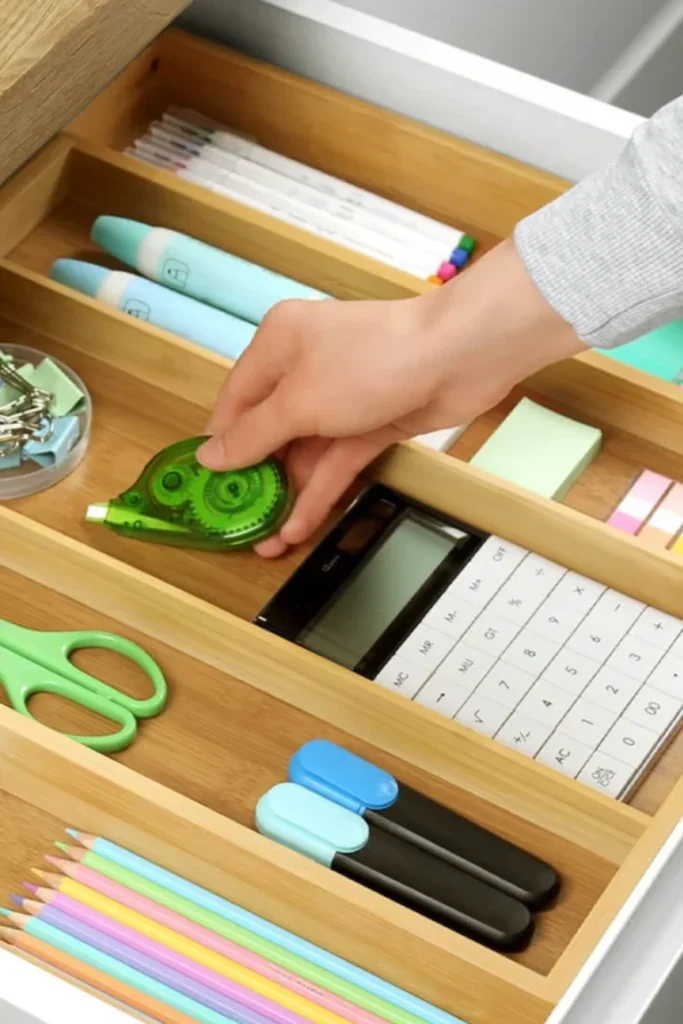
The first step toward successful minimal workspace drawer organization is a thorough inventory. Take everything out of the drawer and sort items into three categories: essentials, occasional use, and discard. Essentials are items you reach for multiple times a day (pens, a notepad, charger). Occasional use includes tools you need less frequently (stapler, highlighters, spare USB drives). Discard covers anything broken, expired, or simply unnecessary.
Once categorized, ask yourself if each essential truly adds value. For instance, do you need three different colored pens, or would a single multi‑color pen suffice? This reflective approach helps you pare down to the truly indispensable, setting a solid foundation for minimal workspace drawer organization.
Steps for Minimal Workspace Drawer Organization
- Empty and Clean: Remove every item, wipe the interior with a gentle cleaner, and let it dry.
- Measure and Plan: Use a ruler to note the drawer’s depth, width, and height. Sketch a simple layout dividing the space into zones for writing tools, tech accessories, and paperwork.
- Choose Containers: Invest in low‑profile trays, silicone inserts, or recycled cardboard dividers that fit your measurements.
- Group by Function: Place writing tools together, tech accessories in another section, and documents in a separate slot.
- Label Lightly: Subtle labels or etched acrylic tags can help maintain order without breaking the minimalist aesthetic.
Following these steps ensures that your drawer not only looks tidy but also operates efficiently, reinforcing the ethos of minimal workspace drawer organization.
Designing a Simple Layout: Visual Harmony and Accessibility
A clean layout relies on balance between visual harmony and easy reach. Position the most frequently used items at the front of the drawer, where they’re visible and accessible. Deeper sections can house less‑used accessories, keeping the front uncluttered. For example, place a slim pen holder at the drawer’s left front corner, a small tech tray (for cables and a spare charger) in the center, and a slim file organizer on the right.
When choosing the layout, consider the line of sight. A drawer that reveals only a single row of tools promotes a calm visual field, whereas multiple rows can feel chaotic. The principle of “one‑in, one‑out” is also vital: every time you add a new item, retire an old one. This habit sustains minimal workspace drawer organization over the long term.
Materials and Finishes: Choosing Elements That Complement Minimalism
The materials you select for dividers and trays play a subtle yet crucial role in reinforcing a minimalist vibe. Natural wood, especially light tones like bamboo or maple, adds warmth without overwhelming the space. If you prefer a more industrial feel, matte aluminum or powder‑coated steel inserts provide a sleek, modern edge.
For a touch of eco‑conscious design, consider recycled cardboard dividers that can be customized to exact dimensions. These options not only support sustainability but also keep the visual weight low, allowing the drawer’s interior to breathe. Pairing these materials with a neutral drawer front—such as a matte white or soft gray—creates a cohesive look that aligns with broader home décor trends.
Maintaining the Minimal Workspace Drawer System
Consistency is key. Schedule a quick 5‑minute review each week to ensure items remain in their designated zones. If you notice an accumulation of receipts, sticky notes, or stray cables, address them immediately rather than letting clutter rebuild.
Another practical habit is the “reset before you leave” rule: before ending the workday, close the drawer and give it a visual scan. If something looks out of place, reposition it. Over time, this routine becomes second nature, preserving the minimalist integrity of your workspace.
Quick Tips for Immediate Improvement
- Use a magnetic strip inside the drawer to hold metal tools like scissors or paper clips.
- Install a thin silicone mat to prevent items from sliding when the drawer is opened.
- Adopt a color‑coded system: assign a single hue to each category (e.g., blue for tech, green for writing tools).
- Place a small potted succulent on top of the closed drawer for a natural accent that doesn’t interfere with function.
- For inspiration on cohesive office aesthetics, explore our minimal office wall art ideas guide.
Common Mistakes and How to Avoid Them
Over‑stocking: Filling the drawer with every possible gadget defeats the purpose of minimal workspace drawer organization. Stick to essentials and store rarely used items elsewhere.
Improper Sizing of Dividers: Using trays that are too tall or too wide forces items to stack, creating hidden clutter. Measure first, then cut or purchase dividers that fit snugly.
Neglecting Vertical Space: Many drawers have unused depth. Incorporate low‑profile inserts that slide forward, making the most of the drawer’s interior volume.
Ignoring Aesthetic Consistency: Mixing glossy plastic trays with matte wood finishes can break the visual flow. Choose materials that echo the overall room palette for a seamless look.
Frequently Asked Questions
Can minimal workspace drawer organization work in shared offices?
Yes. By establishing clear zones for each user and using color‑coded dividers, shared desks can maintain individual order while preserving a collective minimalist aesthetic.
How often should I reassess the items in my drawer?
A quick weekly check is ideal for high‑traffic drawers. For less‑used spaces, a monthly review keeps the system fresh without feeling burdensome.
What’s the best way to store cables without creating a tangled mess?
Use Velcro wraps or reusable cable ties, then place the bundles in a shallow silicone or fabric organizer. This keeps them accessible yet tidy.
Is it okay to use decorative containers inside the drawer?
Absolutely, as long as they maintain the minimal feel. Choose containers with clean lines and neutral colors that complement the drawer’s interior.
How do I integrate natural textures without compromising minimalism?
Incorporate subtle natural elements like a bamboo tray or a linen pouch. For more ideas, see our article on workspace décor with natural textures for a calm office.
Can I apply these principles to non‑desk drawers, like kitchen or bathroom storage?
The core ideas—declutter, categorize, and use appropriately sized containers—translate well to any drawer. Adjust the categories to suit the room’s function, and you’ll achieve the same streamlined effect.
Implementing a thoughtful approach to minimal workspace drawer organization not only enhances the look of your desk but also supports a more focused, stress‑free workday. By selecting the right materials, planning a functional layout, and committing to regular upkeep, you create a lasting foundation for modern home styling. Let the simplicity of a well‑ordered drawer inspire the rest of your space, and enjoy the calm it brings to every task.