
Table of Contents
- Understanding the Core Principles of Minimal Office Shelf Styling
- Choosing Materials for Minimal Office Shelf Styling
- Planning Your Shelf Layout: From Floor to Ceiling
- Integrating Vertical Space in Minimal Office Shelf Styling
- Curating Decorative Elements: The Art of Restraint
- Using Plants in Minimal Office Shelf Styling
- Balancing Functionality and Aesthetics: Storage Solutions
- Integrating Technology without Disruption
- Color Palette and Finishing Touches
- Choosing the Right Lighting for Shelves
- Quick Tips for Immediate Impact
- Common Mistakes to Avoid in Minimal Office Shelf Styling
- Frequently Asked Questions
- Putting It All Together: A Sample Minimal Office Shelf Styling Project
Minimal Office Shelf Styling: A Complete Guide for Modern Workspaces
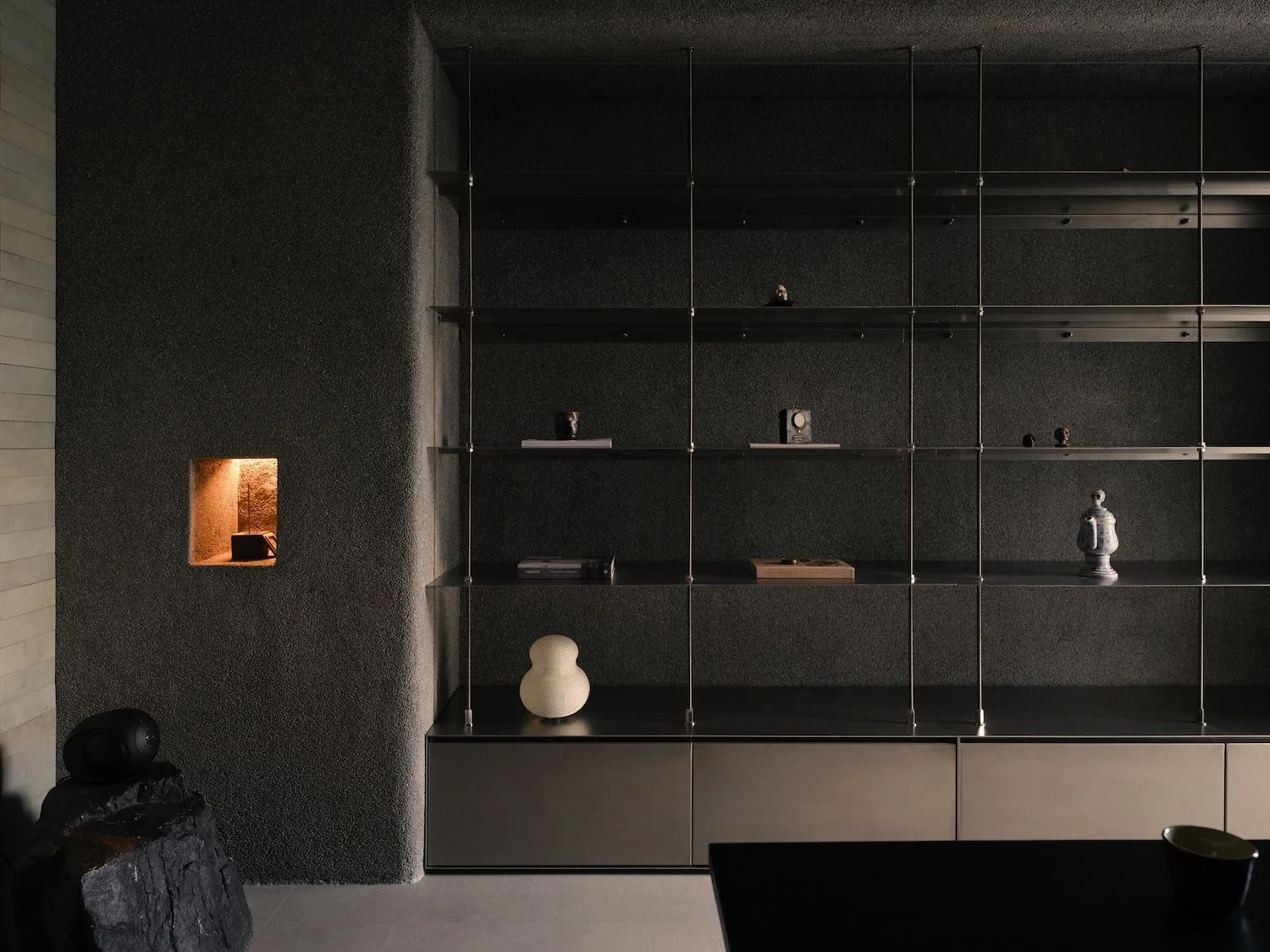
In today’s fast‑moving world, the office—whether a dedicated home studio or a compact corner in an apartment—needs to feel both inspiring and uncluttered. One of the most effective ways to achieve this balance is through thoughtful shelf styling. When executed with a minimal approach, shelves become more than storage; they turn into subtle statements that enhance focus, showcase personality, and keep essential items within easy reach. This article walks you through the principles, practical steps, and common pitfalls of minimal office shelf styling, so you can transform any work area into a polished, productive haven.
From selecting the right materials to arranging decorative accents, each decision plays a part in the overall visual harmony. Whether you’re dealing with a floating wall unit, a sleek metal rack, or a reclaimed‑wood bookshelf, the core ideas remain the same: keep it simple, stay functional, and let the design breathe. Below you’ll find detailed sections that cover everything you need to know, including quick actionable tips, troubleshooting advice, and answers to the most frequently asked questions.
Understanding the Core Principles of Minimal Office Shelf Styling

Minimal office shelf styling starts with a clear philosophy: less is more, but the “less” must be purposeful. The goal is to eliminate visual noise while ensuring that every item on the shelf serves a function or adds a curated aesthetic touch. This balance is achieved through three key pillars: intentional selection, strategic spacing, and cohesive texture.
First, intentional selection means you only place objects you truly need or love. Books, essential tools, a single piece of art, or a modest plant can coexist without overcrowding. Second, strategic spacing allows each piece to breathe; avoid pushing items to the edge of the shelf. Finally, cohesive texture unifies the look—matching metal brackets with a glass top or pairing a matte ceramic vase with a wood shelf creates subtle continuity.
Choosing Materials for Minimal Office Shelf Styling
- Wood: Light‑tone oak or walnut adds warmth while maintaining a clean silhouette. Opt for boards with minimal grain patterns for a sleek feel.
- Metal: Brushed steel or matte black metal offers an industrial edge and can support heavier loads without bulk.
- Glass: Clear or frosted glass shelves give an airy impression and make the space appear larger.
- Composite: High‑density fiberboard (HDF) with a matte finish is budget‑friendly and easy to paint.
When mixing materials, stick to a maximum of two finishes. A wooden base paired with metal brackets, for example, creates visual interest without overwhelming the senses. The selected material should also complement the overall office palette—neutral tones like soft greys, whites, or beiges work best for a minimal vibe.
Planning Your Shelf Layout: From Floor to Ceiling

The layout of your shelves dictates flow, accessibility, and visual hierarchy. Start by measuring the wall space and deciding whether you prefer a single tall unit, a series of low floating shelves, or a combination of both. Tall units are ideal for storing books and files, while lower shelves showcase decorative pieces and plant accents.
Consider the “three‑zone rule”: top for rarely used items, middle for daily tools, and bottom for decorative elements. This arrangement not only keeps essentials within arm’s reach but also ensures that visual weight is evenly distributed across the shelf height, preventing the area from feeling top‑heavy or cluttered.
Integrating Vertical Space in Minimal Office Shelf Styling
Vertical integration is a hallmark of effective minimal office shelf styling. By using the full height of the wall, you maximize storage without sacrificing floor space—a crucial benefit in small apartments. Install adjustable brackets that allow you to change shelf heights as your needs evolve. This flexibility ensures that the shelf system remains functional over time, adapting to new books, tech gadgets, or decorative objects.
For a cohesive look, align the top edge of your highest shelf with a ceiling line or a prominent piece of artwork. This visual alignment creates a seamless transition between the shelf and the surrounding room, reinforcing the minimalist aesthetic.
Curating Decorative Elements: The Art of Restraint

Even in a minimal setting, a touch of personality is essential. The trick lies in selecting decorative elements that complement, rather than compete with, the functional purpose of the shelves. Choose one or two statement pieces—such as a sculptural vase, a small stack of design books, or a single succulent—and keep the rest of the space open.
Incorporate subtle textures to add depth without visual chaos. A woven basket for storage, a matte ceramic pot, or a brushed‑metal photo frame can introduce tactile variety while adhering to the minimal office shelf styling ethos. Remember, each decorative item should have a reason for being there, whether it inspires creativity, adds a pop of color, or serves as a functional container.
Using Plants in Minimal Office Shelf Styling
Plants are a natural ally in minimal office shelf styling. A small pothos or a trailing string of pearls brings life and improves air quality without demanding much space. Place a plant on a lower shelf to ground the arrangement, or use a thin, tall pot on a middle shelf to add vertical interest.
For more ideas on blending greenery with minimal décor, check out our guide on minimalist décor with plants. The article offers practical tips on choosing low‑maintenance species that thrive in office lighting conditions.
Balancing Functionality and Aesthetics: Storage Solutions
Functionality should never be an afterthought. Incorporate discreet storage solutions that blend seamlessly with the shelf design. Use sleek metal trays for paperwork, a minimalist leather basket for office supplies, or a hidden compartment within a wooden shelf to store cords and chargers.
Labeling is another subtle way to maintain order. Opt for elegant, thin-label stickers that match the shelf’s color scheme, or use a small engraved metal tag. This approach ensures that items are easy to locate while preserving the clean visual line that defines minimal office shelf styling.
Integrating Technology without Disruption
Modern offices often require technology—laptops, monitors, speakers—on or near shelves. Choose accessories that have a low profile: a slim laptop stand, a wireless charging pad, or a compact Bluetooth speaker. Position these items on a dedicated “tech zone” within the shelf layout, usually the middle or upper tier, to keep cables hidden and maintain a tidy surface.
When dealing with cords, use cable organizers that match the shelf’s finish. A simple black silicone sleeve or a woven cable keeper can hide the mess while staying in line with the minimal office shelf styling principle of concealed clutter.
Color Palette and Finishing Touches
A restrained color palette reinforces the minimal aesthetic. Base colors such as white, ivory, or soft greys provide a neutral backdrop, allowing occasional accent colors—perhaps a muted teal vase or a charcoal metal lamp—to stand out without overwhelming the space.
Finishing touches should be purposeful. A single framed print, a set of monochrome books, or a handcrafted ceramic bowl can serve as focal points. Avoid overly bright or patterned items, as they tend to break the calm that minimal office shelf styling seeks to maintain.
Choosing the Right Lighting for Shelves
Lighting can accentuate the curated look of your shelves. LED strip lights placed behind the top edge create a subtle halo effect, enhancing depth while remaining energy‑efficient. Alternatively, a small directional lamp can highlight a decorative object or a favorite book.
For inspiration on integrating texture and lighting, explore our article on minimalist living room décor with textures. Though focused on living rooms, the principles of light and material interplay translate well to office shelving.
Quick Tips for Immediate Impact
- Start with a clear declutter session—remove anything that isn’t essential or doesn’t inspire you.
- Limit decorative items to three per shelf to preserve visual breathing room.
- Use matching brackets and hardware to unify the shelf’s look.
- Incorporate a single plant for a touch of nature and improved air quality.
- Install soft LED lighting to highlight key pieces without harsh glare.
Common Mistakes to Avoid in Minimal Office Shelf Styling
Even seasoned decorators can slip into habits that dilute the minimalist impact. Below are common errors and how to steer clear of them:
- Over‑crowding: Packing too many books or accessories defeats the purpose of minimalism. Stick to the three‑zone rule and keep spaces open.
- Mismatched finishes: Mixing too many materials (e.g., glossy metal with rustic wood) creates visual conflict. Limit yourself to two complementary finishes.
- Ignoring ergonomics: Shelves placed too high or low can cause strain. Ensure the middle zone aligns with eye level for frequently used items.
- Neglecting cable management: Visible cords break the clean lines. Use cable clips or conduit channels to hide them.
- Choosing overly bold colors: Bright hues can dominate a minimal setting. Opt for muted accents instead.
Frequently Asked Questions
What height should my minimal office shelf be?
A good rule of thumb is to keep the middle shelf at eye level (about 42–48 inches from the floor) for daily items, while the top and bottom shelves can be adjusted based on storage needs and ceiling height.
Can I use floating shelves in a minimal office?
Yes, floating shelves are ideal for a clean, wall‑mounted look. They eliminate the visual bulk of brackets and keep the floor space open, reinforcing a minimalist aesthetic.
How many decorative items are too many?
Aim for no more than three decorative pieces per shelf. This limitation ensures each item stands out and the overall composition remains airy.
Is it okay to mix wood and metal?
Mixing wood and metal is perfectly acceptable as long as the finishes complement each other. For example, a light oak shelf with matte black brackets creates a sophisticated contrast without overwhelming the space.
What kind of lighting works best for minimal shelves?
Soft, warm LED strips or a small directional lamp work best. They provide illumination without harsh glare and enhance the subtle textures of the shelf materials.
Putting It All Together: A Sample Minimal Office Shelf Styling Project
Imagine a home office corner with a wall measuring 8 feet. You install a 4‑tier floating shelf system in light oak, each tier spaced 12 inches apart. The top two tiers hold a curated selection of design books and a sleek metal tray for paperwork. The middle tier features a slim laptop stand, a wireless charger, and a compact Bluetooth speaker, all aligned to the right to keep cords hidden. The bottom tier displays a single, elegant ceramic vase with a trailing pothos plant, adding a subtle pop of green.
LED strip lighting runs along the inner edge of the top shelf, casting a gentle glow that highlights the books and creates depth. The entire setup adheres to the minimal office shelf styling principles: purposeful items, cohesive material palette, strategic spacing, and a touch of nature. The result is a workspace that feels organized, inviting, and conducive to focused work.
For more inspiration on neutral tones and timeless décor, read our article on neutral home styling ideas. The concepts discussed there can be directly applied to your office shelving for an even more polished look.
By following these guidelines, you’ll create a functional, aesthetically pleasing office environment that reflects modern design sensibilities while supporting productivity.
Start with a clean slate, choose quality materials, and let each shelf tell a story of intentional design. Your workspace will not only look better—it will feel better, encouraging focus and creativity every day.
[HOME ORGANIZATION]