

Table of Contents
- The Art of Precision: Foundations for Every Room
- Key Elements of the Art of Precision
- Living Room Precision: Balancing Comfort and Clarity
- Precision Tips for Living Room Accessories
- Bedroom Harmony: Precision in Personal Sanctuaries
- Fine‑Tuning Bedroom Details
- Kitchen Precision: Function Meets Aesthetics
- Precision in Kitchen Accessories
- Small Space Solutions: Precision in Compact Living
- Quick Precision Checklist for Small Spaces
- Quick Home Décor Tips
- Common Mistakes and How to Avoid Them
- Frequently Asked Questions
Mastering the Art of Precision in Modern Home Décor
When it comes to creating spaces that feel both effortless and intentional, precision is the silent architect behind every successful design. Homeowners and renters alike often chase bold statements, but without the careful measurement of proportion, scale, and detail, even the most daring pieces can feel out of place. Understanding the art of precision means learning how to balance visual weight, align elements, and curate a cohesive story that speaks through every corner of a room.
In the fast‑moving world of interior trends, the ability to apply precise design principles separates a fleeting fad from a timeless sanctuary. This article walks you through the core concepts of precision, offers actionable tips for living rooms, bedrooms, kitchens, and small apartments, and even highlights common mistakes so you can avoid costly missteps. By the end, you’ll have a clear roadmap to elevate your home with the confidence of a seasoned designer.
The Art of Precision: Foundations for Every Room

Precision begins with a clear understanding of space itself. Before you pick a sofa or hang a piece of art, ask yourself: how does each element interact with the surrounding architecture? Measuring floor plans, noting ceiling heights, and mapping traffic flow are essential first steps. These measurements become the blueprint that guides furniture placement, lighting choices, and decorative accents, ensuring nothing feels cramped or floating.
When you apply the art of precision to a room, you create a visual rhythm that the eye can follow effortlessly. This rhythm is achieved through consistent spacing, balanced proportions, and intentional focal points. For instance, a coffee table that is too low will disrupt the line of sight between a sofa and a rug, while a lamp placed too high can cast shadows that break the harmony of a reading nook.
Key Elements of the Art of Precision
- Scale and proportion: Choose pieces that complement the room’s dimensions rather than dominate them.
- Alignment: Keep edges, such as the tops of picture frames or the legs of chairs, in line with each other to create a sense of order.
- Spacing: Adopt a 5‑10‑15 rule—5 inches between small accessories, 10 inches between larger objects, and 15 inches for open pathways.
- Focal hierarchy: Establish a primary focus (like a statement wall) and support it with secondary accents that reinforce, not compete.
Living Room Precision: Balancing Comfort and Clarity
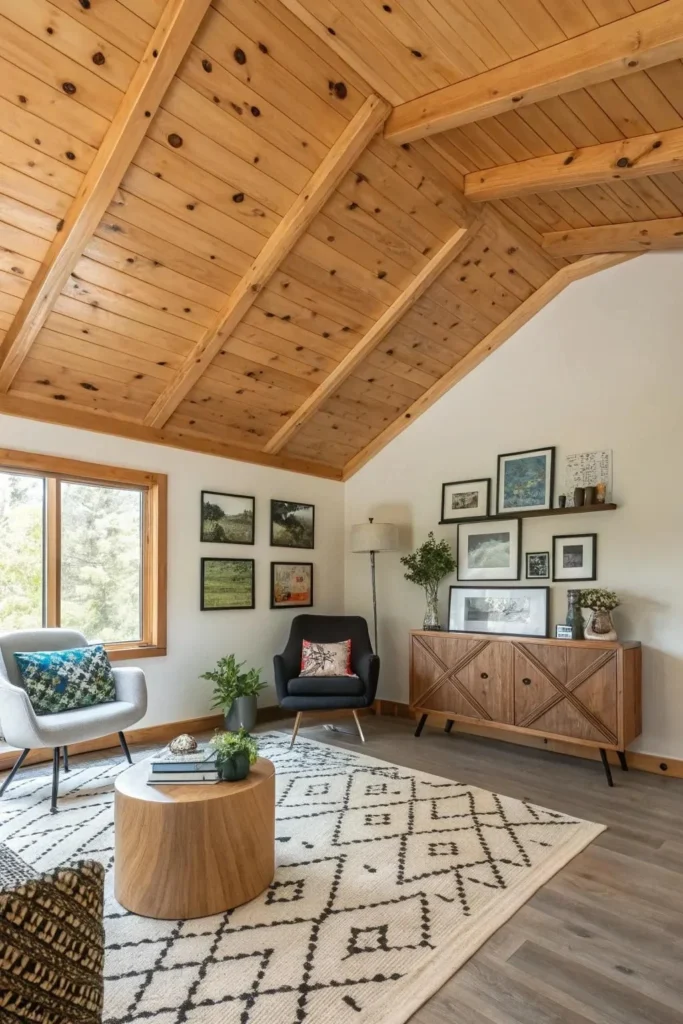
The living room often serves as the social heart of a home, making precise styling essential for both function and aesthetic appeal. Start by anchoring the space with a rug that defines the seating area. Measure the rug so that at least the front legs of the sofa and chairs sit comfortably on it; this creates a unified visual base.
Next, apply the art of precision to furniture arrangement. Use a floor plan grid to experiment with different layouts before moving heavy pieces. A common mistake is pushing the sofa flush against the wall, which can make the room feel boxed. Instead, pull it back 12–18 inches to allow a subtle walkway and to showcase any wall décor behind it.
Lighting plays a crucial role, too. Position floor lamps at a 45‑degree angle from seating to provide even illumination without glare. For a polished look, align the tops of lamps with the arm height of the sofa, creating a visual line that ties the elements together.
Want more inspiration for a cohesive entryway? Check out our guide on Entryway Wall Décor Ideas: Transform Your Home’s First Impression and see how precise wall placement can set the tone for the entire house.
Precision Tips for Living Room Accessories
- Group decorative objects in odd numbers (3 or 5) to maintain visual interest.
- Keep the distance between a coffee table and sofa consistent—about 18 inches works well for most layouts.
- Match the height of side tables to the arm height of the sofa for a seamless line.
Bedroom Harmony: Precision in Personal Sanctuaries
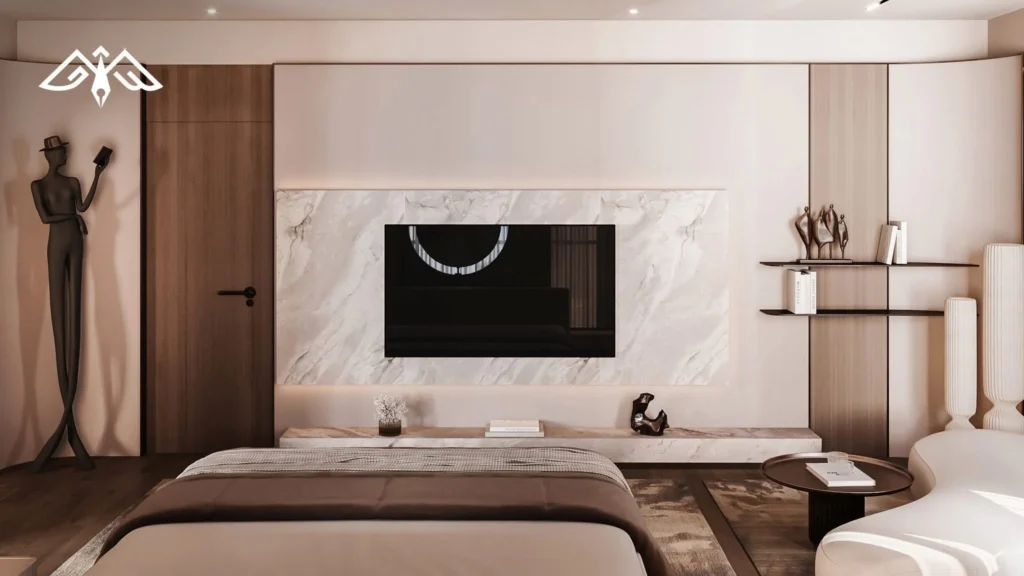
Bedrooms demand a delicate balance between relaxation and organization. The bed, as the room’s anchor, should be positioned using the “golden triangle” method: place nightstands on either side, then add a lamp on each to form a subtle triangle that guides the eye and provides functional lighting.
Apply the art of precision by aligning the headboard with the room’s focal wall—typically the one opposite the door. Ensure there is at least 24 inches of clearance between the foot of the bed and any opposite wall, allowing easy movement and a sense of openness.
Storage solutions also benefit from precise placement. Install floating shelves at a consistent height, usually 48 inches from the floor, to keep the visual line smooth. When selecting bedding, choose patterns that echo the scale of the room; large prints can overwhelm a small bedroom, while tiny motifs may get lost in a larger space.
Fine‑Tuning Bedroom Details
- Use a ruler or laser level to align picture frames above the headboard.
- Place a runner rug that is at least 24 inches wider than the bed for a balanced look.
- Keep nightstand accessories (books, lamps, alarm clocks) within a 12‑inch radius of each other for cohesion.
Kitchen Precision: Function Meets Aesthetics
The kitchen is the ultimate test of precision, where practical workflow intersects with visual design. Begin by mapping the classic “work triangle”—the distance between the stove, sink, and refrigerator should ideally fall between 12 and 26 feet. This ensures efficient movement and reduces unnecessary steps.
When selecting cabinets and countertops, measure the depth of each appliance to maintain uniformity. For example, a standard countertop depth of 25 inches should align with the backs of cabinets to avoid a staggered appearance. Likewise, keep the height of upper cabinets consistent, typically 54 inches from the floor, to maintain a clean line.
Lighting fixtures above the island or prep area should be placed 30–36 inches above the countertop surface, providing ample illumination without glare. For a cohesive look, choose pendant lights that echo the material or finish of cabinet hardware.
Need practical guidance on arranging shelves? Our Simple Kitchen Shelf Arrangement – Practical Tips for Every Home article offers step‑by‑step advice that complements the principles of precision we discuss here.
Precision in Kitchen Accessories
- Group spices and oils in a single, uniformly spaced rack to keep countertops tidy.
- Install a backsplash that aligns perfectly with the countertop edge—use a level to avoid crooked tiles.
- Keep countertop appliances (toaster, coffee maker) spaced at least 6 inches apart for safety and aesthetics.
Small Space Solutions: Precision in Compact Living
When square footage is limited, every inch counts, and the art of precision becomes the cornerstone of smart design. Start by using multi‑functional furniture—think a sofa bed with clean lines that fits neatly against a wall without protruding.
Measure vertical space as aggressively as horizontal. Tall, slim bookcases or floating shelves can draw the eye upward, creating an illusion of height. Ensure that the spacing between each shelf follows a consistent rhythm—typically 12 inches for books, 8 inches for decorative objects.
In a studio or tiny apartment, zone the space using rugs and lighting rather than walls. A rug placed under the sleeping area, paired with a pendant lamp, instantly defines a bedroom nook without the need for partitions.
For those looking to maximize wall storage, explore our guide on DIY wall shelf using crates – A Complete Guide for Modern Home Décor. The project demonstrates how precise measurements and uniform crate placement can transform an empty wall into a stylish storage solution.
Quick Precision Checklist for Small Spaces
- Measure doorways and hallways before moving furniture to avoid tight squeezes.
- Maintain a minimum of 30 inches of clear floor space for comfortable movement.
- Align all hanging art and shelves at the same height to create a seamless visual plane.
Quick Home Décor Tips
- Use painter’s tape to visualize furniture placement before committing to a layout.
- Employ a laser level when hanging picture frames or installing shelving to guarantee perfect alignment.
- Choose a single accent color and repeat it in three different elements (pillows, vases, art) for cohesive precision.
Common Mistakes and How to Avoid Them
Even seasoned decorators can fall into traps that undermine the art of precision. Below are frequent errors and practical solutions:
- Ignoring scale: Large furniture in a small room overwhelms the space. Solution: Downsize or opt for pieces with slender profiles.
- Uneven spacing: Gaps that vary by a few inches create visual dissonance. Solution: Use a measuring tape to set consistent distances between items.
- Misaligned wall décor: Crooked frames break the flow of a room. Solution: Apply a level or laser line before hanging.
- Over‑accessorizing: Too many decorative objects clutter the visual field. Solution: Adopt a “less is more” mindset and curate accessories thoughtfully.
Frequently Asked Questions
How can I apply the art of precision without hiring a professional?
Start with a simple floor plan sketch, measure key dimensions, and use masking tape on the floor to outline furniture footprints. This hands‑on approach lets you visualize spacing and alignment before moving heavy pieces.
Is the art of precision relevant for outdoor spaces?
Absolutely. Precise placement of planters, patio furniture, and lighting can transform a balcony or garden into an inviting extension of your indoor décor. Consistent spacing and height alignment create a cohesive outdoor retreat.
Can I use the art of precision in eclectic design styles?
Yes. Even eclectic interiors benefit from precise spacing and alignment. The key is to balance varied textures and colors while maintaining a consistent grid for placement, allowing the room to feel curated rather than chaotic.
What tools help achieve precise measurements?
A laser measure, a sturdy tape measure, a level (or laser level), and a digital angle finder are essential tools. They speed up the process and reduce human error, ensuring your design decisions are accurate.
How often should I revisit my layout for precision?
Reassess your layout every 6–12 months, especially after acquiring new furniture or decor items. Small adjustments—like shifting a rug or realigning a gallery wall—can refresh a space while preserving the underlying precision.
By integrating these practices, you’ll discover that the art of precision isn’t about rigidity; it’s about creating a harmonious backdrop that lets your personal style shine.
Embracing precise design doesn’t require a massive budget or an exhaustive remodel. It starts with mindful measurement, thoughtful placement, and a willingness to tweak until every line feels right. As you apply these concepts across living rooms, bedrooms, kitchens, and even compact apartments, you’ll notice a subtle but powerful transformation: rooms that breathe, flow, and truly reflect the care you’ve put into them.
Ready to take the next step? Dive into other inspiration‑rich articles on The Homara, such as Modern Furniture Styling Ideas: Fresh Inspiration for Every Home or Cozy Living Room Layered Rug Styling: A Complete Guide. Each piece reinforces the same principle—precision is the foundation of lasting, beautiful design.