
Table of Contents
- mango wood vs walnut: Grain, Color, and Visual Appeal
- mango wood vs walnut: Color Palette Compatibility
- Durability and Maintenance: How mango wood vs walnut Perform Over Time
- Maintenance Tips for mango wood vs walnut
- Environmental Impact and Sustainability: Choosing Eco‑Friendly Hardwood
- Cost and Value: Financial Considerations of mango wood vs walnut
- Value‑Adding Strategies
- Styling and Design Applications: Where to Use mango wood vs walnut
- Room‑by‑Room Examples
- Choosing the Right Wood for Your Space: Decision‑Making Checklist
- Decision Checklist
- Quick Home Décor Tips
- Common Mistakes to Avoid When Using mango wood vs walnut
- Frequently Asked Questions
Mango Wood vs Walnut: A Comprehensive Guide for Modern Home Décor
When it comes to selecting hardwood for furniture, flooring, or accent pieces, two names frequently surface in design conversations: mango wood and walnut. Both woods bring distinct aesthetics, performance traits, and sustainability stories, yet they serve different design goals. Understanding the nuances between mango wood vs walnut helps homeowners, renters, and design enthusiasts make informed choices that align with budget, style, and environmental values.
This article walks you through the grain patterns, durability, environmental impact, cost considerations, and styling possibilities of each wood. By the end, you’ll know which material fits your living room, bedroom, kitchen, or even a small apartment space, and how to integrate it seamlessly with other décor elements.
mango wood vs walnut: Grain, Color, and Visual Appeal
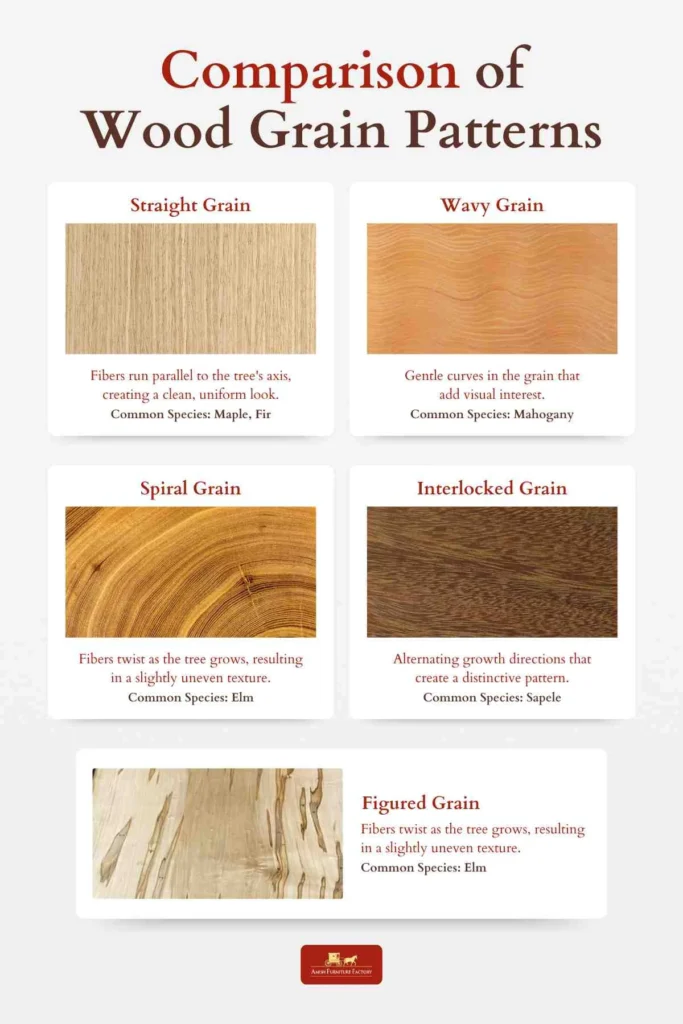
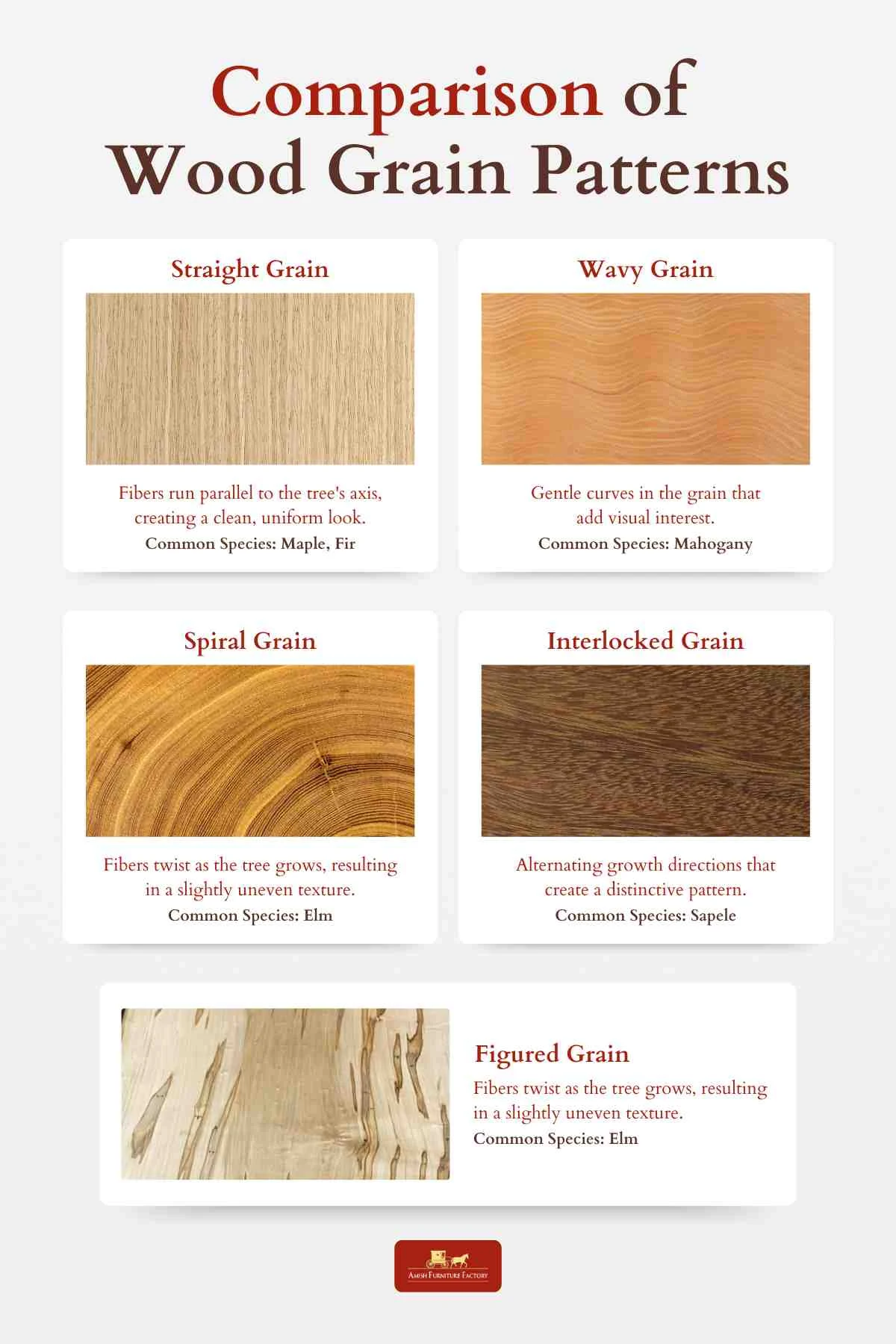
At first glance, mango wood and walnut differ dramatically in tone and texture. Mango wood, harvested from the mango tree (Mangifera indica), typically displays a warm, honey‑gold to reddish‑brown hue with striking grain variations, including interlocking patterns, knots, and occasional black speckles. These natural irregularities lend a rustic, tropical feel that works beautifully in bohemian or eclectic interiors.
Walnut, on the other hand, is celebrated for its deep chocolate brown to purplish undertones and a smooth, straight grain that can occasionally exhibit subtle wavy or fiddleback patterns. The richness of walnut adds an element of sophistication and timelessness, making it a favorite for modern, mid‑century, and upscale designs.
mango wood vs walnut: Color Palette Compatibility
- Warm neutrals: Mango wood pairs effortlessly with cream, beige, and muted terracotta tones, creating an inviting, earthy environment.
- Cool contrasts: Walnut’s darker shade looks striking against crisp white walls, cool greys, or even vibrant jewel tones like teal and emerald.
- Mixed‑material harmony: Combining mango wood tables with walnut shelving can add visual depth while maintaining a cohesive look if the surrounding décor uses natural textures such as linen or jute.
For a real‑world example, imagine a living room featuring a mango wood coffee table, a walnut media console, and a neutral sofa. The contrasting wood tones become focal points without competing, especially when accented with neutral small living room décor ideas that let the wood shine.
Durability and Maintenance: How mango wood vs walnut Perform Over Time
Both mango wood and walnut are hardwoods, but their hardness ratings on the Janka scale differ. Mango wood typically scores around 1,400–1,500, making it relatively soft compared to walnut’s 1,010–1,200 rating. Despite the lower number, mango wood’s dense, fibrous structure gives it good resistance to dents and scratches in everyday use, especially when finished with a protective seal.
Walnut, prized for its fine grain, is slightly softer than some other hardwoods like oak or maple, yet it remains highly durable when maintained correctly. A high‑quality polyurethane or oil finish enhances its resistance to moisture and wear, which is essential for high‑traffic areas such as dining rooms or hallways.
Maintenance Tips for mango wood vs walnut
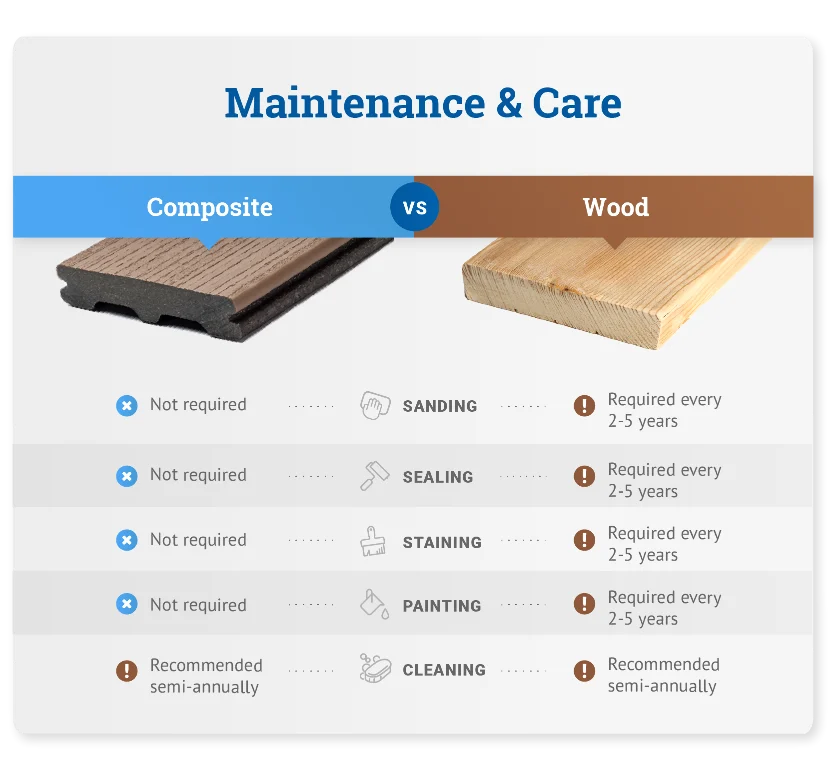
- Use coasters and placemats on mango wood tabletops to prevent water rings.
- Apply a natural oil finish to walnut furniture every 6–12 months to maintain its luster and prevent drying.
- Avoid harsh chemicals; a mild soap solution and a soft cloth work best for both woods.
- Consider placing felt pads under legs of chairs or cabinets to reduce scratches.
When choosing between the two, think about the room’s usage. A mango wood sideboard in a casual dining area may age gracefully with minor marks, while walnut cabinetry in a kitchen benefits from its elegant patina that deepens with time.
Environmental Impact and Sustainability: Choosing Eco‑Friendly Hardwood
Eco‑conscious shoppers often ask, “Is mango wood a sustainable alternative to walnut?” The answer leans toward yes. Mango trees are primarily cultivated for fruit production; once their fruit‑bearing years end (usually after 8–12 years), the trunks are harvested for lumber. This practice repurposes an otherwise underutilized resource, reducing waste and encouraging agroforestry.
Walnut trees, especially black walnut (Juglans nigra), are slower growing and often sourced from dedicated timber plantations. While responsibly managed walnut forests can be sustainable, the longer growth cycle means a higher carbon footprint per board foot compared to mango wood.
Both woods can be certified by the Forest Stewardship Council (FSC). When shopping, look for FSC labels or ask suppliers about the provenance. Pairing sustainable mango wood pieces with reclaimed walnut accents can create a balanced, environmentally aware interior.
Cost and Value: Financial Considerations of mango wood vs walnut
Budget is a practical factor that frequently decides the outcome of a design project. Generally, mango wood is more affordable than walnut because of its faster growth rate and abundant supply in tropical regions. Prices for mango wood can range from $2 to $5 per board foot, while walnut often commands $8 to $12 per board foot, depending on grade and finish.
However, cost should not be the sole driver. Walnut’s higher market value can increase the resale appeal of a home, especially in upscale neighborhoods where premium hardwood is expected. Conversely, mango wood offers a cost‑effective way to introduce natural warmth without compromising style, making it an excellent choice for first‑time homeowners or renters who may move soon.
Value‑Adding Strategies
- Combine a walnut dining table with mango wood side chairs for a mixed‑material look that feels custom‑designed.
- Use mango wood veneer on large surfaces (like a kitchen island) to keep costs down while still achieving a rich appearance.
- Invest in a few walnut accent pieces—such as a headboard or a coffee table—to elevate the perceived luxury of the space.
For those weighing the financial trade‑offs, consider the Golden Oak vs Red Oak comparison to see how other hardwood choices influence both budget and aesthetic outcomes.
Styling and Design Applications: Where to Use mango wood vs walnut
Each wood thrives in specific design contexts. Mango wood’s lively grain and warm palette make it ideal for casual, nature‑inspired interiors. Think open‑plan living rooms with woven textiles, indoor plants, and rattan accessories. A mango wood bed frame can become a statement piece in a bedroom that embraces a laid‑back, coastal vibe.
Walnut, with its deep, luxurious tone, shines in formal settings. It works beautifully for built‑in bookshelves, sleek kitchen cabinets, or a minimalist dining table that anchors a monochrome scheme. In a small apartment, a walnut console can add gravitas without overwhelming the space.
Room‑by‑Room Examples
- Living Room: Pair a walnut media console with a mango wood coffee table and a neutral sofa for a layered look.
- Bedroom: Choose a walnut headboard for an elegant focal point; complement with mango wood nightstands for contrast.
- Kitchen: Install walnut cabinets for a high‑end feel, and add a mango wood butcher block as a functional island.
- Small Space: Use a compact mango wood side table that folds away; a walnut floating shelf adds storage without bulk.
Incorporating both woods can create a dynamic rhythm, especially when other materials—metal, glass, or concrete—are present. The contrast reinforces the modern aesthetic that The Homara often showcases.
Choosing the Right Wood for Your Space: Decision‑Making Checklist
To simplify the selection process between mango wood vs walnut, use the checklist below. It aligns aesthetic preferences with practical needs, ensuring you pick the wood that best serves your lifestyle.
Decision Checklist
- Style Goal: Warm & rustic (lean mango) or sleek & sophisticated (lean walnut).
- Traffic Level: High traffic? Walnut’s denser finish may hold up better.
- Budget: Tight budget? Mango wood offers great value.
- Sustainability Priority: Want a fast‑renewable source? Choose mango.
- Resale Consideration: Luxury market? Walnut may add perceived value.
Apply this checklist while browsing showrooms or online catalogs. If you need extra inspiration, explore our guide on how to decorate a vacation home—many of the same principles apply to primary residences.
Quick Home Décor Tips
- Mix mango wood and walnut in one room to create visual interest without clashing.
- Use walnut trim or molding to frame mango wood furniture for a polished look.
- Layer natural fiber rugs under mango wood pieces to protect the finish and add texture.
- Apply a matte oil finish to walnut cabinets for a softer, more tactile surface.
- Introduce greenery—large potted plants complement both mango wood’s tropical vibe and walnut’s earthy depth.
Common Mistakes to Avoid When Using mango wood vs walnut
Even seasoned designers can slip up. Here are pitfalls to watch for:
- Ignoring Light: Dark walnut can make a small room feel cramped if not balanced with ample lighting.
- Overmatching: Using only one wood throughout the house can lead to monotony; contrast adds personality.
- Skipping Sealant: Both woods benefit from a protective finish; neglecting this invites stains and wear.
- Misjudging Scale: A massive mango wood dining table in a narrow apartment overwhelms the space.
- Neglecting Sustainability Labels: Purchasing non‑certified walnut may inadvertently support unsustainable logging.
Frequently Asked Questions
Is mango wood as hard as walnut?
Mango wood is slightly softer on the Janka scale but still dense enough for most furniture applications. Proper finishing can enhance its durability, making it comparable to walnut in everyday use.
Can I use mango wood outdoors?
Mango wood is not ideal for direct outdoor exposure without a robust sealant, as moisture can cause swelling. For patio furniture, consider a marine‑grade finish or choose a more weather‑resistant hardwood.
Does walnut darken over time?
Yes, walnut naturally deepens with exposure to light and air, developing a rich patina that many homeowners find desirable. This aging process adds character and is often celebrated in interior design.
Which wood is better for a minimalist kitchen?
Walnut’s sleek, uniform grain aligns well with minimalist aesthetics, especially when paired with matte hardware. However, a mango wood butcher block can provide a warm focal point without breaking the clean lines.
Are both woods easy to repair?
Both mango wood and walnut can be sanded and refinished, but walnut may require more careful handling to avoid removing too much of its fine grain. Mango wood’s more open grain can hide minor scratches after a simple touch‑up.
How do I ensure the wood I buy is sustainably sourced?
Look for FSC certification, ask suppliers about the origin of the timber, and prefer mango wood harvested from fruit trees after their productive life ends. These steps help support responsible forestry.
Choosing between mango wood and walnut ultimately hinges on the balance of aesthetics, budget, durability, and environmental values. Both woods bring unique stories to a home, and when used thoughtfully, they can elevate any room from ordinary to extraordinary.
Take the insights from this guide, experiment with sample swatches, and let your personal style dictate the final decision. Whether you lean toward the vibrant charm of mango wood or the timeless elegance of walnut, the right hardwood will become a lasting foundation for your interior design journey.