
Table of Contents
- Mahogany vs Walnut: Core Characteristics and Visual Appeal
- Mahogany vs Walnut: Durability and Strength
- Choosing the Right Wood for Specific Rooms
- Sustainability and Environmental Impact
- Finishing Techniques and Maintenance Tips
- Cost Considerations and Budget Planning
- Quick Tips for Integrating Mahogany and Walnut in Your Home
- Common Mistakes to Avoid When Working with Mahogany and Walnut
- Frequently Asked Questions
When it comes to selecting the perfect wood for a project, the debate often narrows down to two timeless classics: mahogany and walnut. Both woods have earned their place in high‑end furniture, cabinetry, and architectural details, yet they each bring a distinct set of visual qualities, performance traits, and pricing considerations. Understanding the nuances between these two species can empower homeowners, renters, and design enthusiasts to make choices that align with aesthetic goals, budget constraints, and long‑term durability needs.
This article unpacks the essential attributes of mahogany vs walnut, from grain patterns and color palettes to sustainability and practical upkeep. Whether you’re outfitting a sleek living room, crafting a cozy bedroom suite, or planning a statement kitchen island, you’ll find actionable insights that help you decide which wood best fits your design vision. Along the way, we’ll weave in real‑world examples, quick styling tips, and common pitfalls to avoid, ensuring you feel confident about every wood‑related decision in your home.
Mahogany vs Walnut: Core Characteristics and Visual Appeal
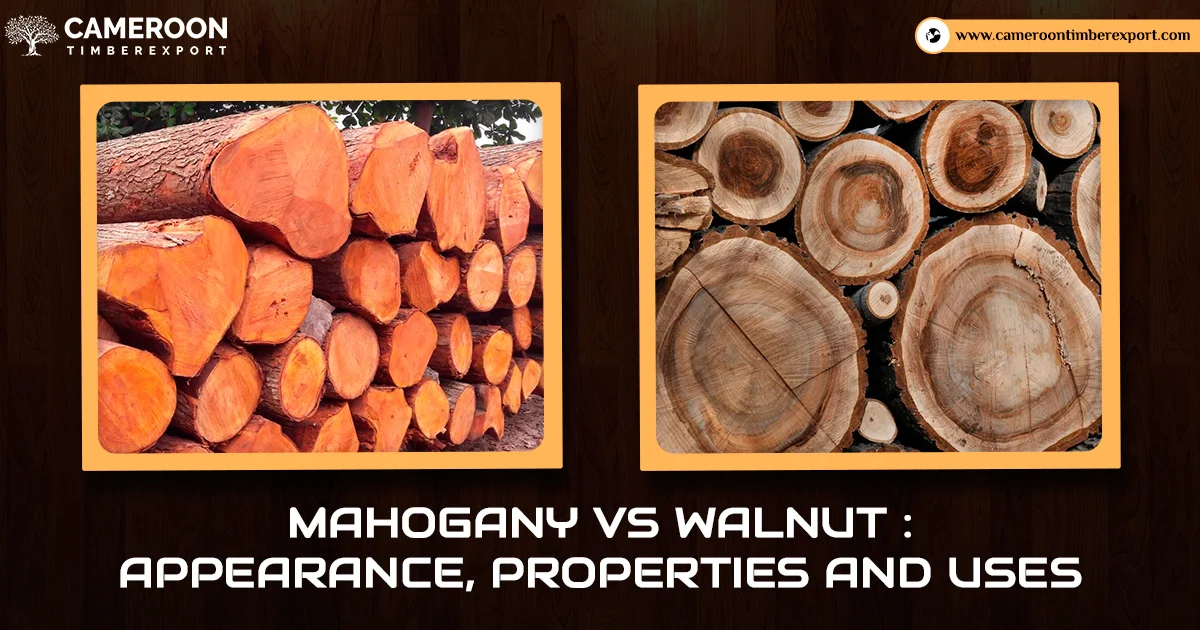
At first glance, mahogany and walnut may appear similar—both boast deep, rich tones that evoke warmth and luxury. However, their innate characteristics diverge in subtle but significant ways. Mahogany, typically sourced from tropical regions such as Honduras, Brazil, or West Africa, displays a straight grain with a fine, uniform texture. Its color ranges from a light, honey‑gold to a darker reddish‑brown that deepens with age, often developing a distinguished patina that many designers cherish.
Walnut, on the other hand, is primarily harvested from the American black walnut tree (Juglans nigra) in North America, though European varieties also exist. Walnut’s grain is more varied, frequently featuring wavy or curly patterns that create dramatic visual interest. Its hue spans from a light, buttery tan to a chocolate‑brown, sometimes revealing striking contrast lines known as “silver grain” that catch the eye under directional lighting.
When you compare mahogany vs walnut side by side, the former tends to offer a smoother, more consistent appearance, making it ideal for minimalist, modern interiors where clean lines dominate. Walnut’s dynamic grain makes it a favorite for traditional or eclectic spaces where texture and depth are celebrated. The decision often hinges on the overall mood you aim to achieve in a room.
Mahogany vs Walnut: Durability and Strength
Both woods are prized for their durability, but they differ in hardness and resistance to wear. Mahogany’s Janka hardness typically falls between 800 and 1,000 lbf, offering a solid yet workable surface that can be carved or turned with relative ease. Its natural oils provide modest resistance to moisture and insect activity, though it’s still advisable to seal mahogany in high‑humidity environments like bathrooms.
Walnut ranks slightly higher on the Janka scale, usually around 1,010–1,200 lbf, giving it a robust feel under foot or hand. This hardness makes walnut especially suitable for high‑traffic flooring, sturdy dining tables, and long‑lasting cabinetry. However, the denser grain also means it can be more challenging to machine, requiring sharper tools and experienced craftsmanship.
In terms of long‑term performance, both species hold up well when properly finished, but walnut may better endure heavy daily use without denting, whereas mahogany’s softer nature can be advantageous for pieces that benefit from a bit of give, such as upholstered frames.
Choosing the Right Wood for Specific Rooms
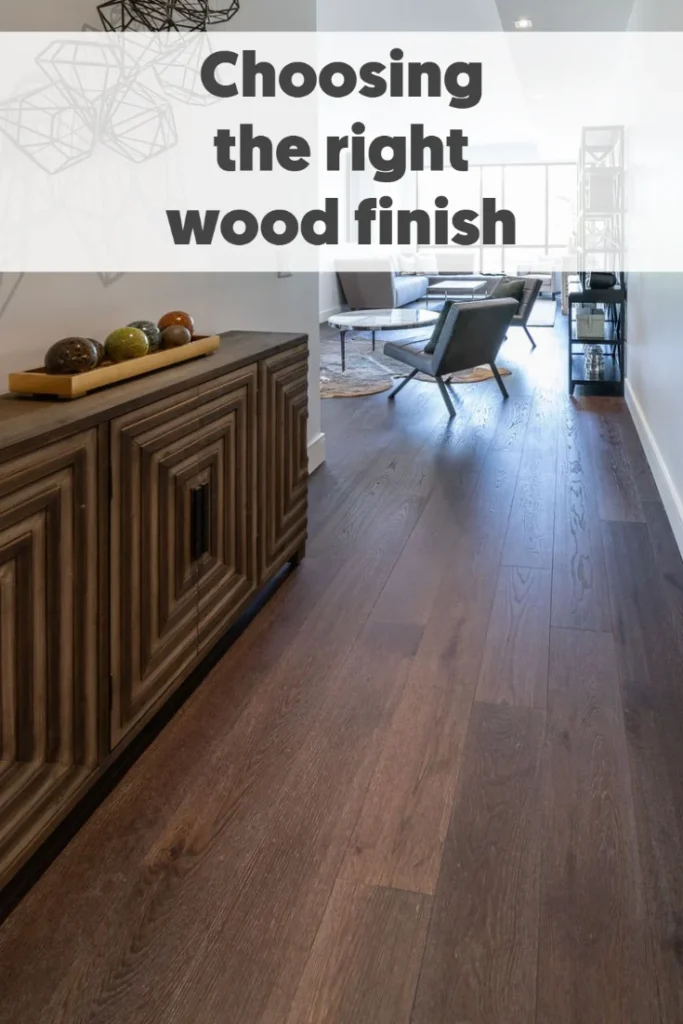
Each room in a home presents unique functional demands and aesthetic opportunities. Here’s a quick guide on where mahogany vs walnut can truly shine.
- Living Room: Walnut’s bold grain can become a focal point in a media console or coffee table, especially when paired with neutral upholstery. If you prefer a more subdued backdrop, mahogany’s even tone works beautifully for built‑in shelves or a TV stand that blends seamlessly with contemporary décor.
- Bedroom: For a serene retreat, mahogany’s warm, consistent hue can complement soft linens and muted wall colors. Walnut headboards, with their natural figure, add a sense of drama to a small‑space bedroom, echoing trends seen in fresh bedroom décor ideas with indoor plants that balance nature and luxury.
- Kitchen: Walnut’s hardness makes it an excellent choice for butcher blocks and cabinetry that will face frequent use. Mahogany, when sealed correctly, offers a sophisticated look for pantry doors or a breakfast nook table that invites lingering conversations.
- Bathroom: While neither wood is traditionally used in wet zones, a well‑sealed mahogany vanity can provide a spa‑like ambiance, whereas walnut accents should be limited to dry‑zone storage or decorative panels.
Understanding the functional role of each piece helps you decide whether the subtle elegance of mahogany or the striking personality of walnut best serves the space.
Sustainability and Environmental Impact

Eco‑conscious consumers increasingly scrutinize the source of their materials. Mahogany has a mixed reputation; certain species like Honduran mahogany (Swietenia macrophylla) are listed under CITES Appendix II, meaning their trade is regulated to prevent over‑exploitation. Certified sustainably harvested mahogany, often bearing FSC (Forest Stewardship Council) labels, provides a responsible alternative.
Walnut generally enjoys a better sustainability profile, especially American black walnut, which is harvested from managed forests and private plantations. The species grows relatively quickly compared to tropical hardwoods, and many suppliers offer traceable, certified walnut products.
When weighing mahogany vs walnut, consider the certification of the specific lumber you purchase. Choosing wood with reputable eco‑labels not only supports responsible forestry but also adds a story of stewardship to your home décor narrative.
Finishing Techniques and Maintenance Tips
The finish you apply dramatically influences the final look and longevity of both mahogany and walnut. Here are best‑practice guidelines for each wood.
- Surface Preparation: Sand both woods progressively from 120‑grit to 320‑grit, ensuring a smooth, dust‑free surface.
- Staining: Mahogany readily absorbs oil‑based stains, enhancing its natural warmth. Walnut often appears richer with a clear or lightly tinted finish that highlights its grain.
- Sealing: Apply a high‑quality polyurethane or marine varnish for high‑traffic pieces. For a more natural feel, consider a Danish oil that penetrates and protects without forming a thick film.
- Cleaning: Dust regularly with a soft microfiber cloth. For spills, blot gently—avoid abrasive cleaners that could dull the surface.
Regular maintenance, such as re‑applying a thin coat of oil every 12–18 months, will keep walnut’s deep luster alive and prevent mahogany from drying out. For detailed guidance, see our article on how to choose furniture for your home, which includes a comprehensive care checklist.
Cost Considerations and Budget Planning
Price is often a decisive factor in the mahogany vs walnut conversation. Mahogany tends to be pricier due to its exotic origin, slower growth rates, and regulatory constraints. Expect to pay a premium for high‑grade, sustainably sourced boards. Walnut, while still a high‑end material, usually offers a more moderate price point, especially when sourced from North American plantations.
To stretch your budget without compromising quality, consider using mahogany for accent pieces—like a statement side table—while employing walnut for larger, functional items such as flooring or cabinetry. Mixing the two can create a layered, sophisticated look that feels curated rather than uniform.
When planning, factor in ancillary costs: finishing supplies, hardware, and potential custom milling. A detailed spreadsheet helps keep track of material expenses versus labor, ensuring you stay within your financial comfort zone.
Quick Tips for Integrating Mahogany and Walnut in Your Home
- Use walnut flooring as a base and layer mahogany furniture on top for contrast.
- Pair mahogany cabinets with walnut countertop edging to create subtle visual breaks.
- Introduce walnut accessories—such as picture frames or lamp bases—into a mahogany‑dominated room for a cohesive yet varied palette.
- Apply a matte finish to mahogany in modern spaces; opt for a glossy sheen on walnut for traditional settings.
- Consider the lighting: warm, amber lighting accentuates mahogany’s reds, while cool white light highlights walnut’s grain patterns.
Common Mistakes to Avoid When Working with Mahogany and Walnut
Even seasoned designers can stumble when handling these premium woods. Below are frequent errors and how to sidestep them.
- Over‑staining: Applying too dark a stain can mask walnut’s natural figure. Test on a scrap piece first.
- Neglecting Sealant: Both woods benefit from a protective topcoat; skipping this step leads to premature wear.
- Improper Drying: Allow wood to acclimate to your home’s humidity for at least a week before installation to prevent warping.
- Mixing Incompatible Finishes: Oil‑based finishes on walnut that already has a water‑based seal can cause bubbling.
- Ignoring Sustainability Labels: Purchasing non‑certified mahogany may unintentionally support illegal logging.
Frequently Asked Questions
Which wood is better for a small apartment?
Walnut’s striking grain can make a compact space feel more dynamic, while mahogany’s uniform tone can visually expand a room. Choose based on the desired visual impact and your budget.
Can I use mahogany for outdoor furniture?
Mahogany can withstand outdoor conditions if treated with a marine‑grade finish and maintained regularly. However, cedar or teak are more naturally resistant to the elements.
Does walnut darken over time?
Yes, walnut deepens with exposure to light and oxidation, developing a richer, more luxurious hue. This aging process is often prized by designers.
Is mahogany more prone to scratches?
Mahogany is slightly softer than walnut, so it may show light scratches more readily. Using a protective finish and furniture pads can mitigate this.
How do I match hardware with these woods?
Brushed brass or oil‑rubbed bronze complements mahogany’s warm reds, while matte black or polished chrome pairs well with walnut’s dark elegance.
Are there eco‑friendly alternatives to mahogany?
Reclaimed wood and sustainably harvested plantation-grown species such as sapele or African walnut can mimic mahogany’s look while offering better environmental credentials.
Choosing between mahogany vs walnut ultimately depends on your design objectives, functional needs, and sustainability values. By weighing grain, color, durability, and cost, you can curate a harmonious interior that reflects both personal taste and thoughtful craftsmanship.
Explore more design inspiration on The Homara, whether you’re reimagining a living room basket storage solution or seeking fresh bedroom décor ideas that incorporate indoor plants. The right wood choice can transform a space from ordinary to extraordinary, adding lasting beauty and value to your home.