
Table of Contents
- Living room wall panel décor ideas: Transforming your space with texture
- Living room wall panel décor ideas for a bold statement
- Wooden wall panels: Warmth and natural charm
- Choosing the right wood finish
- Geometric and 3‑D panels: Adding depth and drama
- Mix‑and‑match with existing furniture
- Fabric‑covered panels: Softness and acoustic benefits
- Pairing fabrics with color schemes
- DIY panel projects: Budget‑friendly creativity
- Step‑by‑step guide for a simple panel makeover
- Quick Tips for perfect wall panel styling
- Common Mistakes to Avoid with Living Room Wall Panels
- Frequently Asked Questions
Living Room Wall Panel Décor Ideas: Stylish Transformations for Every Home
When it comes to revamping a living room, the walls often hold the key to a dramatic shift in mood and style. Wall panels offer a versatile canvas that can introduce texture, color, and personality without the need for a full‑scale renovation. Whether you live in a compact apartment or a spacious suburban home, the right panel choice can make the space feel larger, cozier, or more sophisticated.
This article walks you through a curated collection of living room wall panel décor ideas, ranging from classic wood finishes to bold geometric 3‑D installations. You’ll find practical tips, DIY guidance, and styling tricks that blend seamlessly with modern home décor trends, helping you create a living room that feels both fresh and timeless.
Living room wall panel décor ideas: Transforming your space with texture

Texture is the silent hero of interior design. By introducing wall panels, you instantly add layers of visual interest that flat paint simply can’t achieve. Panels can act as a focal point behind the sofa, frame a media console, or subtly accent a hallway leading into the living area. When selecting a style, consider the overall vibe you want: sleek minimalism, rustic warmth, or contemporary drama.
Living room wall panel décor ideas for a bold statement
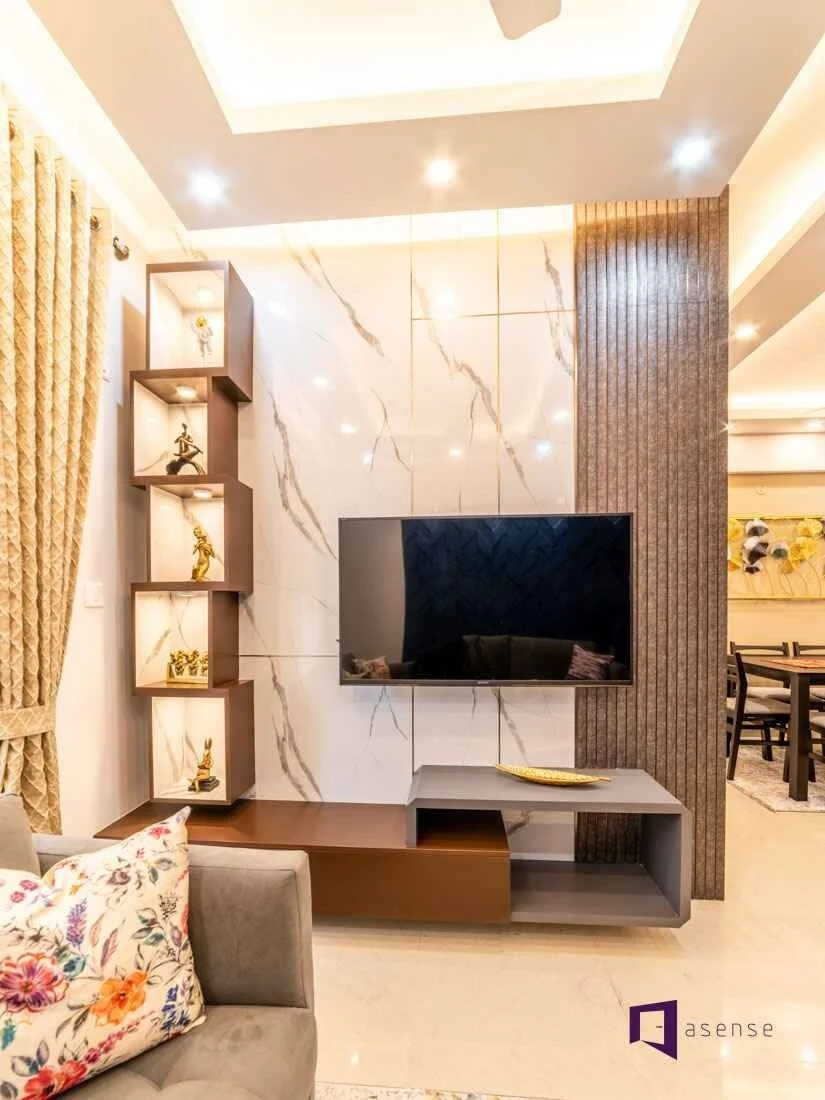
For a daring look, opt for high‑contrast panels—think dark walnut against light plaster, or a striking white marble veneer on a feature wall. Pair these with neutral furniture to let the panels shine, or layer with metallic accessories for an upscale feel. Remember, the key is balance; a single statement wall often works better than paneling every surface.
Integrating panels with existing décor can also improve acoustics, especially in open‑plan homes where sound can bounce off hard surfaces. Fabric‑covered or acoustic‑grade panels soften echo, making the room feel more intimate—a perfect complement for a cozy living room corner reading nook.
Wooden wall panels: Warmth and natural charm

Wood brings an innate warmth that instantly softens a modern living room. From reclaimed barn planks to sleek engineered slats, wooden panels can be installed vertically, horizontally, or even in chevron patterns to create dynamic movement. The grain and color variations add depth, while the natural material works well with both contemporary and traditional furnishings.
Choosing the right wood finish
When selecting wood, think about the room’s lighting. Light‑toned pine or bamboo works beautifully in sun‑filled spaces, reflecting natural light and keeping the area airy. Darker walnut or teak adds richness in rooms with limited daylight. For a sustainable option, consider reclaimed wood; it tells a story while reducing environmental impact.
To keep the look cohesive, match the wood tone with other elements such as coffee tables, shelving, or even the floor. A subtle continuity creates a harmonious environment, making the living room feel thoughtfully designed rather than patched together.
Geometric and 3‑D panels: Adding depth and drama

Geometric patterns and three‑dimensional panels are currently one of the most exciting trends in interior design. These panels can transform a flat wall into a sculptural masterpiece, playing with light and shadow throughout the day. Popular choices include hexagonal honeycomb modules, wave‑like undulating boards, and interlocking metal or MDF shapes.
Mix‑and‑match with existing furniture
When introducing geometric panels, keep surrounding furniture simple. A clean‑lined sofa, glass coffee table, and minimalist lighting let the panels take center stage. If your living room already boasts bold artwork or patterned rugs, opt for subtler panel designs—perhaps a low‑relief wood texture—so the space doesn’t feel overcrowded.
Geometric panels also pair well with metallic accents. A brushed‑gold floor lamp or chrome side table can echo the angular lines, creating a cohesive modern look. For readers interested in complementary décor, our guide on elevating your space with ceramic décor pieces offers great ideas.
Fabric‑covered panels: Softness and acoustic benefits
Fabric‑covered panels blend aesthetic appeal with functional acoustic performance. By wrapping panels in linen, velvet, or textured weaves, you introduce a plush element that invites touch while dampening unwanted echo—a boon for homes with open‑plan living rooms and high ceilings.
Pairing fabrics with color schemes
Start with a neutral base—soft greys, warm beiges, or muted taupes—and then add a pop of color through the fabric. Navy, emerald, or deep burgundy fabrics can create a luxe atmosphere without overwhelming the space. For a more playful vibe, consider patterned textiles such as subtle stripes or botanical motifs.
Coordinate the fabric with other soft furnishings. Throw pillows, area rugs, and curtains in complementary hues reinforce the theme, while metallic or wooden picture frames add contrast. The result is a layered, inviting environment that feels both curated and comfortable.
DIY panel projects: Budget‑friendly creativity
Not everyone wants to invest in high‑end custom panels, and that’s where DIY projects shine. With a little creativity and basic tools, you can achieve a high‑impact look without breaking the bank. From reclaimed pallet boards to painted MDF shapes, the possibilities are endless.
Step‑by‑step guide for a simple panel makeover
1. Plan your layout. Sketch the wall dimensions and decide on a pattern—horizontal slats, a brick‑style grid, or a random collage.
2. Gather materials. For a budget project, reclaimed pallets, plywood, or affordable MDF panels work well. Sand any rough edges and apply a primer.
3. Paint or stain. Choose a color that complements your existing décor. Two‑tone designs can add depth; a single bold hue can serve as a statement.
4. Install. Use a level, mounting brackets, or adhesive strips for a clean finish. Ensure panels are securely anchored, especially on high‑traffic walls.
5. Add finishing touches. Incorporate LED strip lighting behind the panels for a subtle glow, or place decorative shelves for functional beauty.
DIY enthusiasts may also appreciate the comparison of furniture options in our article Smith Brothers vs Ethan Allen: Making the Right Furniture Choice, which helps pair panels with the right pieces.
Quick Tips for perfect wall panel styling
- Start with one accent wall; too many panels can overwhelm the room.
- Balance texture with smooth surfaces—pair wood panels with glass or polished metal.
- Use lighting strategically; wall sconces or uplights highlight panel depth.
- Keep proportions in mind; larger panels work well in spacious rooms, while smaller modules suit compact spaces.
- Consider acoustic panels if your living room doubles as a home theater or music area.
Common Mistakes to Avoid with Living Room Wall Panels
Even seasoned decorators can slip up when working with wall panels. One frequent error is mismatching panel scale with room size—large, bold panels can dominate a tiny living area, making it feel cramped. Conversely, overly delicate panels may get lost in a grand, high‑ceiling space.
Another pitfall is ignoring the existing colour palette. Introducing a vibrant panel without complementary hues elsewhere can create visual chaos. Instead, use accessories, cushions, or artwork to echo the panel’s colour, establishing harmony.
Lastly, neglecting proper installation leads to uneven seams or loose panels. Always use a level, appropriate anchors, and consider professional help for complex 3‑D systems. A well‑installed panel not only looks better but also lasts longer.
Frequently Asked Questions
Can I install wall panels on drywall?
Yes. Most panels are designed for easy attachment to drywall using adhesive strips, screws, or mounting rails. For heavier materials like solid wood or stone veneer, locate studs for added support.
How do I choose the right panel material for a small living room?
Light‑weight, light‑colored materials such as pine, bamboo, or painted MDF help keep the space feeling airy. Avoid overly thick or dark panels that may shrink the visual footprint.
Are fabric‑covered panels suitable for pets?
Fabric panels can be pet‑friendly if you choose durable, stain‑resistant fabrics like microfiber or treated linen. Regular vacuuming and occasional spot‑cleaning keep them looking fresh.
Do wall panels increase home resale value?
When tastefully applied, wall panels can enhance perceived quality and modernity, potentially boosting resale value. However, extreme designs may not appeal to all buyers, so aim for timeless aesthetics.
What maintenance do wooden panels require?
Wooden panels need periodic dusting and occasional polishing with a wood‑safe cleaner. In high‑humidity areas, use a sealant to prevent warping or moisture damage.
Living room wall panel décor ideas open a world of creative possibilities, from subtle texture to bold architectural statements. By understanding material choices, scale, and styling fundamentals, you can transform any living space into a showcase of personal style and functional beauty. Dive into your next project, experiment with the ideas shared here, and let your walls speak the language of your home.