
Table of Contents
- Living Room Wall Niche Décor Ideas: Design Fundamentals
- Living Room Wall Niche Décor Ideas: Material Choices
- Integrating Lighting for Maximum Impact
- Styling Tips: Curating the Perfect Display
- Using Niches to Hide Technology
- Color and Pattern Play Within the Niche
- Budget‑Friendly Approaches
- Quick Décor Tips for Living Room Wall Niches
- Common Mistakes and How to Avoid Them
- Frequently Asked Questions
- Putting It All Together: A Step‑by‑Step Workflow
- Beyond the Living Room: Extending Niche Concepts
Living Room Wall Niche Décor Ideas: Transform Your Space with Style
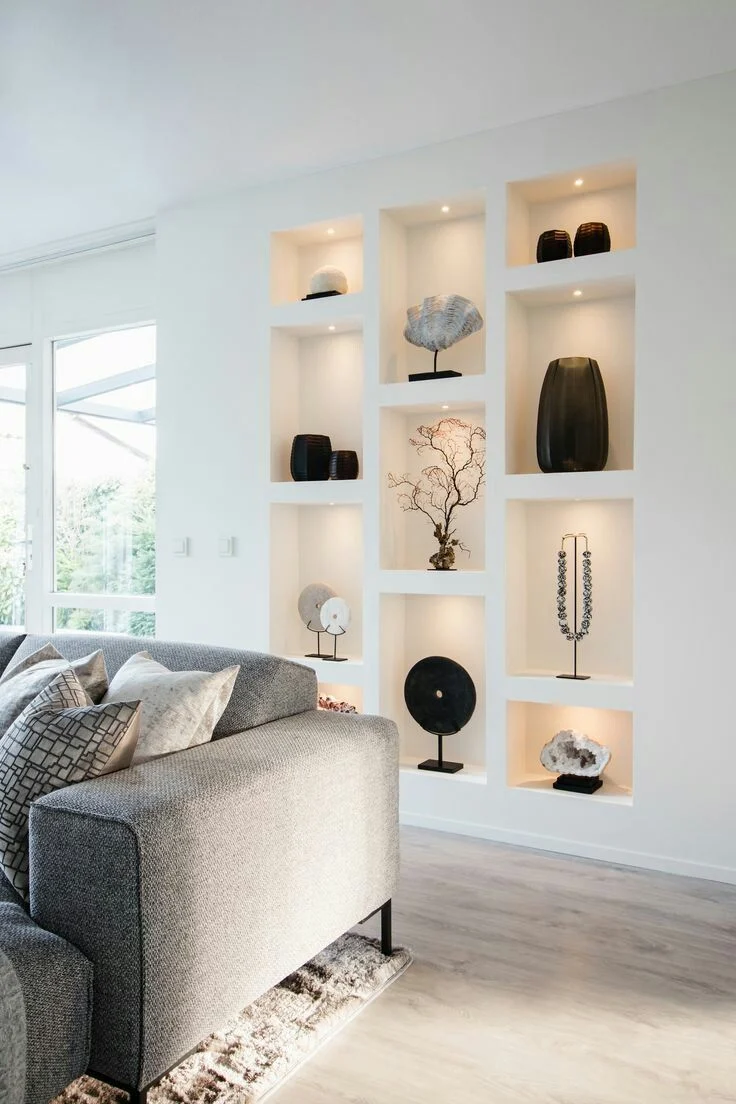
Wall niches have become a subtle yet powerful tool for designers who want to add visual interest without overwhelming a room. In the living room, a well‑placed niche can serve as a focal point, a hidden shelf, or a showcase for art and accessories. Whether you live in a compact apartment or a spacious suburban home, learning how to integrate living room wall niche décor ideas can instantly elevate the ambience.
Beyond aesthetics, niches provide practical storage solutions, allowing you to keep beloved objects within reach while maintaining a clean, uncluttered look. This article walks you through a range of design strategies, material choices, lighting options, and common pitfalls, giving you the confidence to experiment with your own wall niche projects.
Living Room Wall Niche Décor Ideas: Design Fundamentals
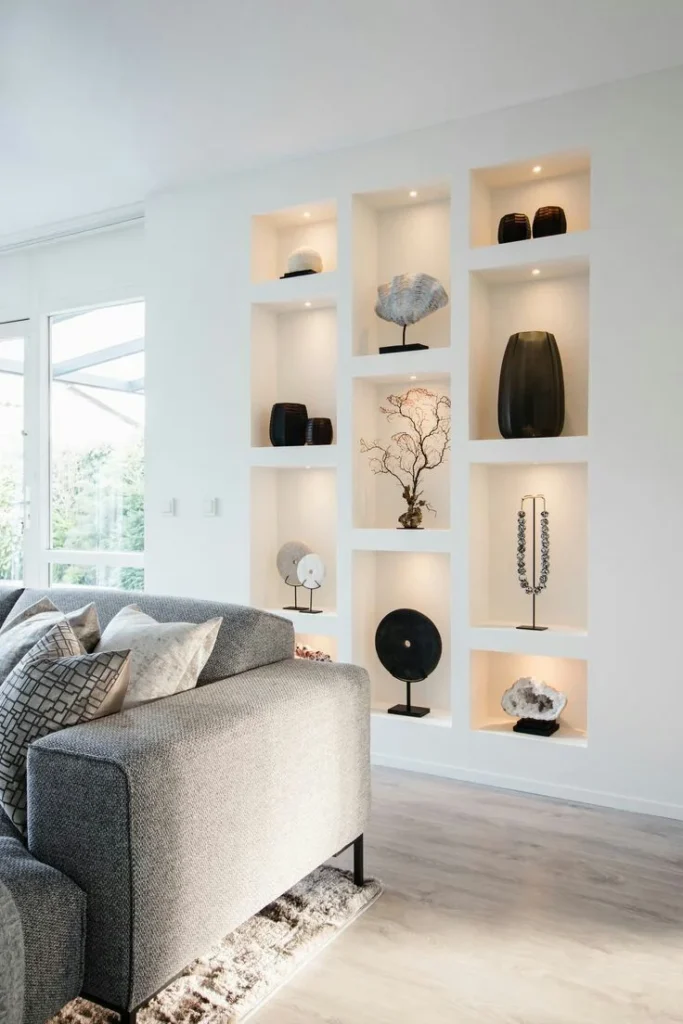
The first step in any successful niche project is understanding the room’s scale and style. Measure the wall area carefully, considering ceiling height, window placement, and existing furniture. A niche that is too deep can dominate the space, while a shallow recess may feel insignificant. Aim for a depth of 8–12 inches for a balanced look, and keep the width proportional to the surrounding wall—typically one‑third to one‑half of the wall’s total width.
Next, decide on the niche’s purpose. Will it display a statement piece of art, hold a collection of books, or house a sleek sound system? Defining its role early helps you choose the right lighting, shelving, and backing materials. For a cohesive feel, match the niche finish to nearby architectural details—such as the trim, baseboards, or built‑in cabinets.
Living Room Wall Niche Décor Ideas: Material Choices
- Painted plaster – Offers a smooth, seamless look that blends with any wall color.
- Stone or tile – Adds texture and can become a natural focal point.
- Wood paneling – Warmth and depth; see our guide on wall décor with wooden décor panels for inspiration.
- Glass back panels – Creates a modern, airy feel and works well with LED lighting.
Integrating Lighting for Maximum Impact

Lighting transforms a simple recess into a dramatic showcase. Recessed LED strips positioned at the top or bottom of the niche provide even illumination without adding clutter. For a softer glow, consider installing a small, dimmable puck light that highlights decorative objects while allowing you to adjust the mood.
Color temperature matters, too. Warm white (2700–3000K) complements wood and earth tones, while cool white (4000–5000K) enhances glass, metal, or contemporary art pieces. If you love the look of vintage fixtures, a mini pendant or sconce can hang just outside the niche, drawing the eye toward the display.
Styling Tips: Curating the Perfect Display
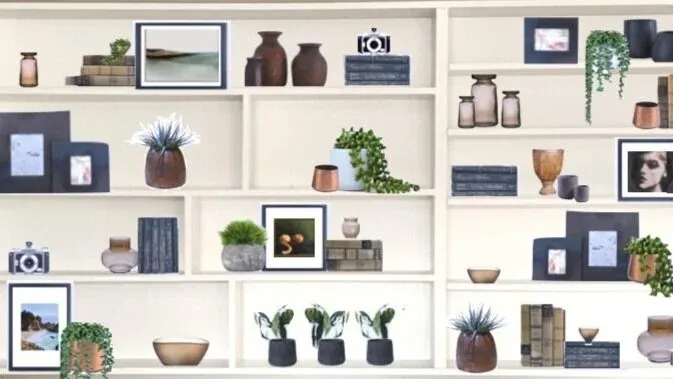
When arranging items inside a niche, follow the principle of “less is more.” Choose three to five statement pieces rather than crowding the space. A single large sculpture paired with a subtle plant, or a framed artwork with a narrow shelf for a small decorative bowl, creates balance.
Play with height and texture. Place taller objects toward the back and shorter ones in front to guide the eye naturally. Mixing materials—ceramic, metal, wood—adds visual intrigue. For a touch of greenery, incorporate low‑maintenance succulents in sleek planters; the contrast of living foliage against a painted niche adds freshness.
Using Niches to Hide Technology
Modern living rooms often feature entertainment systems that can dominate the aesthetic. A well‑designed niche can conceal a flat‑screen TV, soundbar, or gaming console while keeping cables organized. Build a shallow compartment at the bottom of the niche for equipment, and use a hinged or sliding panel to conceal it when not in use.
For those who prefer a minimalist look, consider a motorized lift that raises the TV out of the niche only when needed. This approach maintains a clean wall surface and protects your electronics from dust.
Color and Pattern Play Within the Niche
While the surrounding wall often stays neutral, the niche itself is an ideal canvas for a bold color or subtle pattern. A deep navy or emerald backdrop can make lighter décor pop, while a geometric tile adds a dynamic element without overwhelming the room.
Remember to keep the color palette consistent with the rest of the living room. If your sofa and curtains are in muted tones, a rich niche color becomes an anchor point. Conversely, if you already have vibrant accents, a softer niche hue maintains harmony.
Budget‑Friendly Approaches
Not every homeowner wants to hire a contractor for a custom niche. DIY enthusiasts can create a “pseudo‑niche” using prefabricated shelving units, decorative molding, and paint. By affixing a shallow frame to the wall and adding a back panel, you achieve the look of a built‑in without the expense.
For an even more economical option, repurpose an old bookshelf by removing the back, painting it to match the wall, and mounting it at eye level. This method gives the illusion of depth and offers instant storage.
Quick Décor Tips for Living Room Wall Niches
- Choose a single focal object—like a large abstract painting—to anchor the niche.
- Install dimmable LED lighting to switch between ambient and showcase modes.
- Use contrasting textures (smooth glass vs. rough stone) for tactile interest.
- Keep the niche clutter‑free; rotate decor seasonally for freshness.
- Integrate a hidden outlet for electronics or decorative lamps.
Common Mistakes and How to Avoid Them
Over‑sizing the niche. A niche that dominates the wall can make the room feel cramped. Stick to proportions that complement the wall’s dimensions.
Neglecting lighting. Without proper illumination, the niche becomes a dark void. Plan lighting early in the design process.
Mixing too many styles. Pairing ultra‑modern décor with rustic wood can clash unless you deliberately create an eclectic theme. Choose a unifying element—color, material, or shape—to tie the look together.
Ignoring ventilation for electronics. If you hide a TV or sound system, ensure there’s adequate airflow to prevent overheating.
Frequently Asked Questions
Can I install a wall niche myself?
Yes, many DIY‑friendly kits are available that include pre‑cut frames and mounting hardware. For larger, structural niches, it’s best to consult a professional to ensure wall integrity.
What height should a niche be placed?
The bottom of the niche should sit approximately 4–5 feet from the floor for comfortable viewing and access. Adjust based on ceiling height and furniture arrangement.
Is it okay to use a niche for heavy items?
If you plan to store heavy objects, reinforce the niche with studs or a solid backing. Use brackets or shelves rated for the intended weight.
How do I match a niche to existing crown molding?
Extend the crown molding slightly over the niche or create a custom cap that aligns with the existing profile. This seamless transition preserves architectural continuity.
Can a niche be used in a small living room?
Absolutely. In compact spaces, a shallow niche adds depth without consuming floor area, making the room appear larger and more organized.
What are the best colors for a niche in a neutral living room?
Rich jewel tones like sapphire, emerald, or deep charcoal create a striking contrast, while soft pastel shades add a gentle accent without overpowering the space.
For additional inspiration, explore our article on small living room sofa styling ideas, which demonstrates how niches complement furniture arrangements.
Putting It All Together: A Step‑by‑Step Workflow
- Plan the layout. Sketch the wall, mark niche dimensions, and decide on purpose.
- Choose materials. Select finishes that echo your existing décor—paint, stone, wood, or glass.
- Arrange lighting. Decide between LED strips, puck lights, or pendant fixtures.
- Install the niche. Follow manufacturer instructions or hire a professional for structural cuts.
- Style the interior. Curate objects, add plants, and adjust lighting levels.
- Fine‑tune. Step back, assess balance, and make any needed adjustments.
Following this workflow ensures a cohesive result that marries form and function, turning an ordinary wall into a personalized gallery.
Beyond the Living Room: Extending Niche Concepts
While this guide focuses on the living room, the same principles apply to hallways, bedrooms, or even a modern bathroom décor. A niche in a hallway can serve as a mini‑library, while a bedroom niche offers a stylish spot for night‑stand essentials.
Adapting the niche design to each room’s unique needs maximizes the value of this versatile architectural feature.
Living room wall niche décor ideas provide an elegant bridge between storage and art, allowing homeowners to express personality without sacrificing practicality. By thoughtfully selecting materials, lighting, and styling elements, you can create a niche that feels custom‑built yet adaptable to changing tastes.
Take the inspiration from this article, experiment with scale, color, and texture, and watch how a single recessed space can transform the entire living environment. Happy decorating!